 800-861-9372

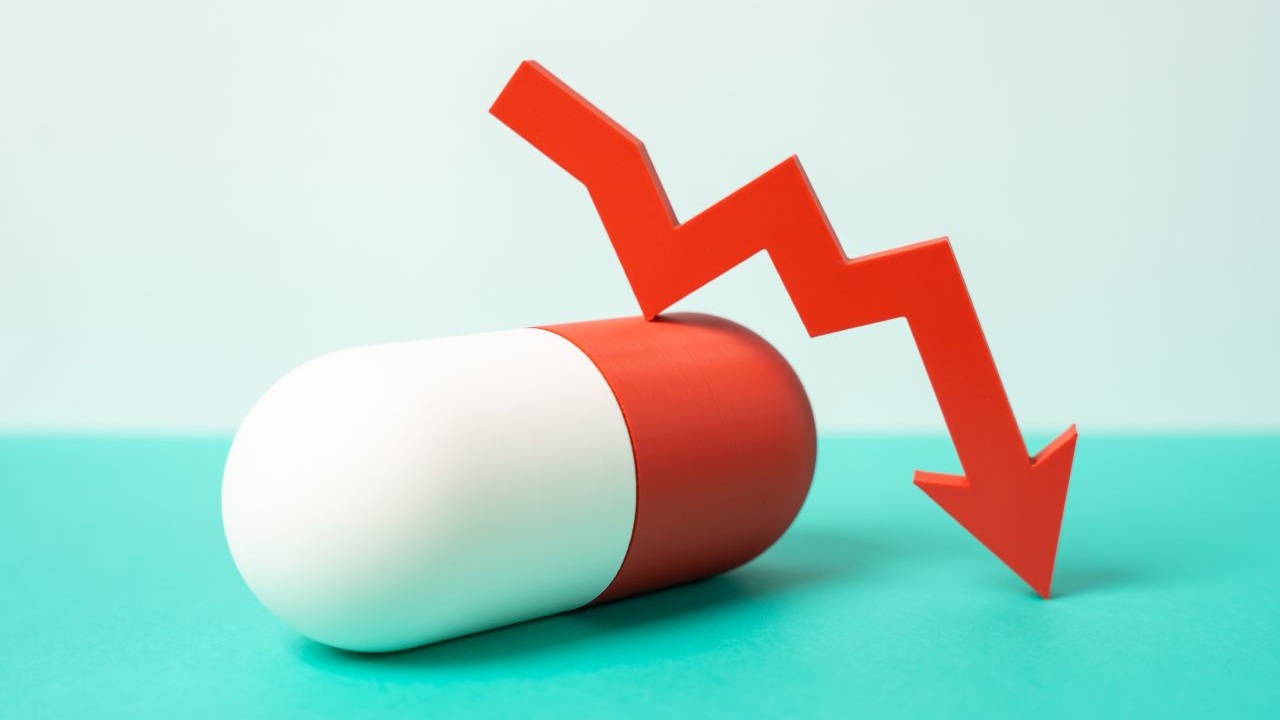
The national overdose picture continues to improve, and the newest federal numbers put a figure on it. Despite the constant threat of new illicit drugs in the market, CDC provisional data predicts 68,641 drug overdose deaths in the United States for the 12 months ending February 2026, a 12.1% decline from 2025.
For anyone living with opioid addiction or supporting a loved one in recovery, the trend line is real, alongside the number underneath it.
The Opioid Crisis on Retreat?
The estimate comes from the National Vital Statistics System back in July 2026 and based on data available for analysis on July 5. It covers March 2025 through February 2026 and compares numbers against March 2024 through February 2025.
A predicted 68,641 deaths over 12 months works out to roughly 188 a day. Advocates, including grassroots organizations like Narcotics Anonymous, can take heart that the numbers align with a steady drop in overdose deaths nationwide since 2023.
Two caveats matter for reading this correctly. CDC recommends the predicted provisional counts because they’re adjusted for incomplete reporting. The agency also notes those counts are most likely underestimated, typically rising over the first several months after they are posted. Each monthly release also updates all prior estimates, so figures shift between releases.
The Data Doesn’t Show the Whole Picture
The provisional release reports how many people died and over what period. But it doesn’t explain why the number is falling.
CDC maintains separate resources that fill in parts of that picture, including the SUDORS dashboard for fatal overdose detail, the DOSE dashboards for nonfatal overdoses seen in emergency departments and inpatient settings, a clinical drug test dashboard tracking fentanyl, heroin, cocaine, and methamphetamine, dispensing rate maps for opioids, and the Fentalog study, which tests toxicology samples from suspected opioid-involved overdoses.
Anyone reading a single headline percentage should treat it as one measure among several rather than a verdict on the epidemic.
Opioids and Overdose Risk
Opioids include prescription medications such as oxycodone, hydrocodone, and morphine, along with illegal street drugs. Fentanyl is a synthetic opioid substantially deadlier than morphine and now appears throughout much of the illicit supply, often blended in substances a person didn’t intend to buy.
An opioid overdose slows and can stop breathing. Signs include unresponsiveness, slow or stopped breathing, gurgling or choking sounds, and blue or gray lips, fingertips, or skin. It is a medical emergency. Call 911.
Harm Reduction & Treatment
A falling national number doesn’t lower individual risk, and the tools that reduce that risk are the same ones as last year.
Naloxone can reverse opioid overdoses quickly and is safe to give if you are unsure whether opioids are involved. It also doesn’t harm someone who hasn’t taken opioids. It doesn’t reverse non-opioid sedatives such as xylazine, so give it and call 911 regardless.
Naloxone should be on hand for anyone who uses opioids and for the people around them. Health departments, harm reduction organizations, and many pharmacies distribute it free or at low cost, usually without a prescription.
Fentanyl test strips let a person check a substance before use. They’re not a guarantee of safety, but they provide information that was not previously available.
Medication for opioid use disorder, including methadone, buprenorphine, and naltrexone, has the strongest evidence base for reducing overdose death. It’s treatment, not a lesser substitute for abstinence, and folks often match it with peer support.
NA Helped the Decline
Speaking of peer support, reach out to those who understand your background if you’re not sure where to start, or if you just need a shoulder to lean on for a rough spell.
NA meetings are free to attend and require nothing more than showing up. Our online directory covers meetings nationwide with filters for open and closed meetings, virtual and in-person format, language, and meeting type.
You can also call 800-934-1582(Sponsored) to speak to an expert about opioid treatment programs and connect with office-based providers to start medication for opioid use disorders. Some do so on a first visit.
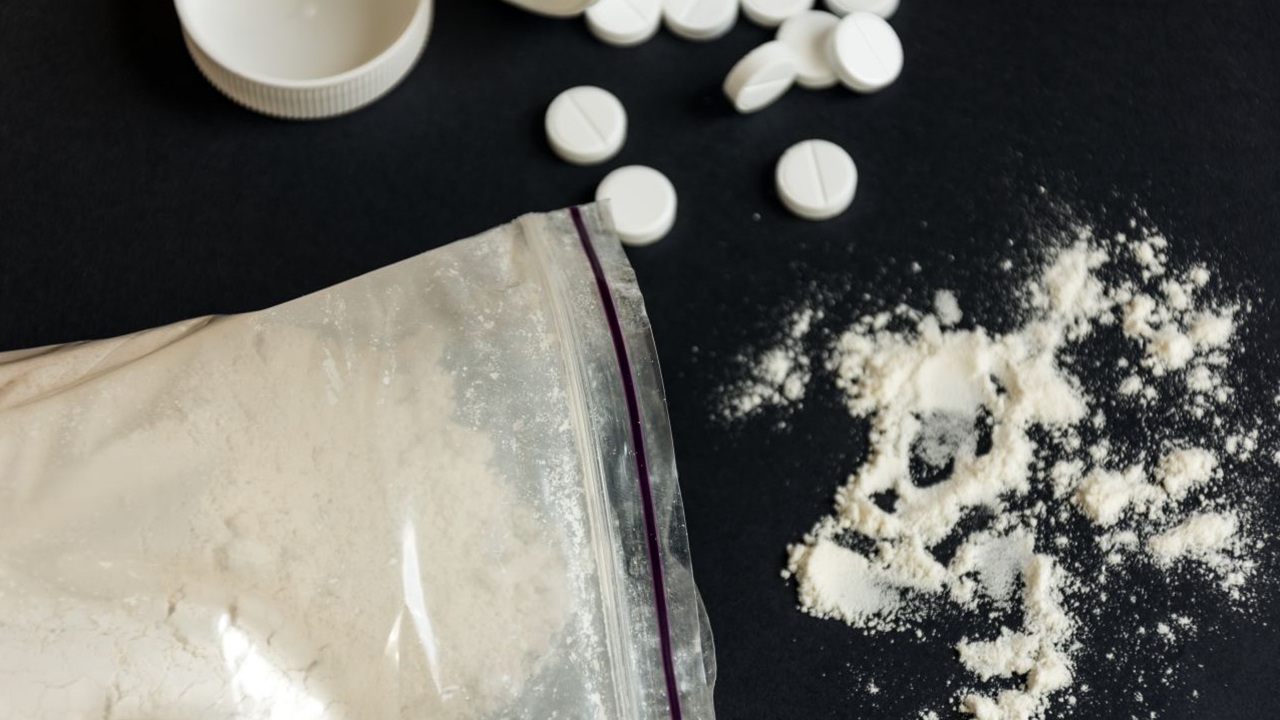
Two state alerts and local overdose deaths point the same direction in Northeast Ohio. Even though The Buckeye State features a wide range of programs to deal with substance misuse, including local Narcotics Anonymous chapters on the local level, a new wave of substances like xylazine threaten to increase the human toll.
This time, there’s a catch. The substances driving opioid overdose deaths are increasingly not the ones people think they are buying.
Matthew Vanyo, director of the Westshore Enforcement Bureau Drug Task Force, reported that 18 overdose deaths in Cuyahoga County have been directly linked to xylazine, often mixed with other drugs, from 2025 through the present.
“If you are buying illegal drugs on the street, just know you never know what’s going to be in that drug,” Vanyo relayed. “You have no clue.”
The Ohio Alerts
The Ohio Narcotics Intelligence Center recently issued two public safety alerts.
The first covers orphine analogs, a group of potent synthetic opioids. Like other opioids, they suppress breathing, and their potency raises the risk of a fatal overdose.
The second covers xylazine and medetomidine, two veterinary sedatives that now turn up mixed into the illicit drug supply. Neither has approval for human use.
Vanyo described how people receive combinations of contaminated drugs they never chose.
“The user thinks they’re only getting drug A, but they’re getting xylazine and medetomidine and fentanyl, and that’s aiding or the cause of a fatal overdose,” Vanyo pointed out.
The Substances Involved
Fentanyl is a synthetic opioid many times deadlier than morphine. It’s now common in the illicit supply across drug classes, including in counterfeit pills.
Xylazine and medetomidine are sedatives, not opioids. They slow heart rate and breathing through a different mechanism, which is what makes them dangerous alongside opioids like fentanyl. Two depressants acting at once compound the effect on breathing.
Xylazine also causes wounds that worsen quickly without care.
“The one unfortunate byproduct of xylazine abuse is open wounds that, if not taken care of, will eat down the skin,” Vanyo pointed out.
Anyone who develops a wound after using drugs should have it seen by a clinician early. These wounds respond to treatment, and delaying care turns them serious.
Naloxone Still Matters in an Opioid Overdose
Officials noted that naloxone, sold under the brand name Narcan, may not fully reverse an overdose involving these combinations, because naloxone works only on opioids. Many local Ohio neighborhoods have made Narcan readily available.
Authorities recommend giving naloxone faster and calling 911. Naloxone reverses the opioid portion of the overdose, which usually stops someone’s breathing. When a non-opioid sedative is also involved, additional doses or emergency medical care may be needed, and the person might stay sedated after the opioid effect is reversed.
Basically, give naloxone, call 911, stay with the person, and stand ready to give another dose. Someone who’s breathing again but still unresponsive still needs medical attention.
Enforcement’s Limits
Vanyo directly stated that arrests alone won’t lower the death count. Rather, connecting people to care remains essential to the task force’s job.
“For those who want to go into recovery,” Vanyo reaffirmed, “we help them get onto that pathway of care for themselves.”
The task force plans to host Operation Bridge on August 26 from 2 to 6 p.m. at the Lakewood Women’s Pavilion on Lake Avenue in Lakewood, Ohio. Nearly 40 organizations will be on hand with resources, including treatment providers, recovery services and the Homeless Coalition.
Vanyo concluded that the reach of the problem extends past the people using drugs. “It affects communities abroad, the county and the entire state.”
NA: Help for Opioid Addiction
Treatment for opioid addiction includes medications such as buprenorphine, methadone and naltrexone, which reduce cravings and withdrawal and help reduce overdose death rates. These work alongside counseling and peer support rather than in competition with it.
Speaking of peer support, Narcotics Anonymous meetings are among the most effective steps to take to get help. Meetings offer free peer support and run throughout every neighborhood in Ohio and the rest of the country, including evening and virtual options.
Feel free to use our online directory to find NA meetings by city and meeting type. You can also call 800-934-1582(Sponsored) to speak with an expert and discuss treatment options.
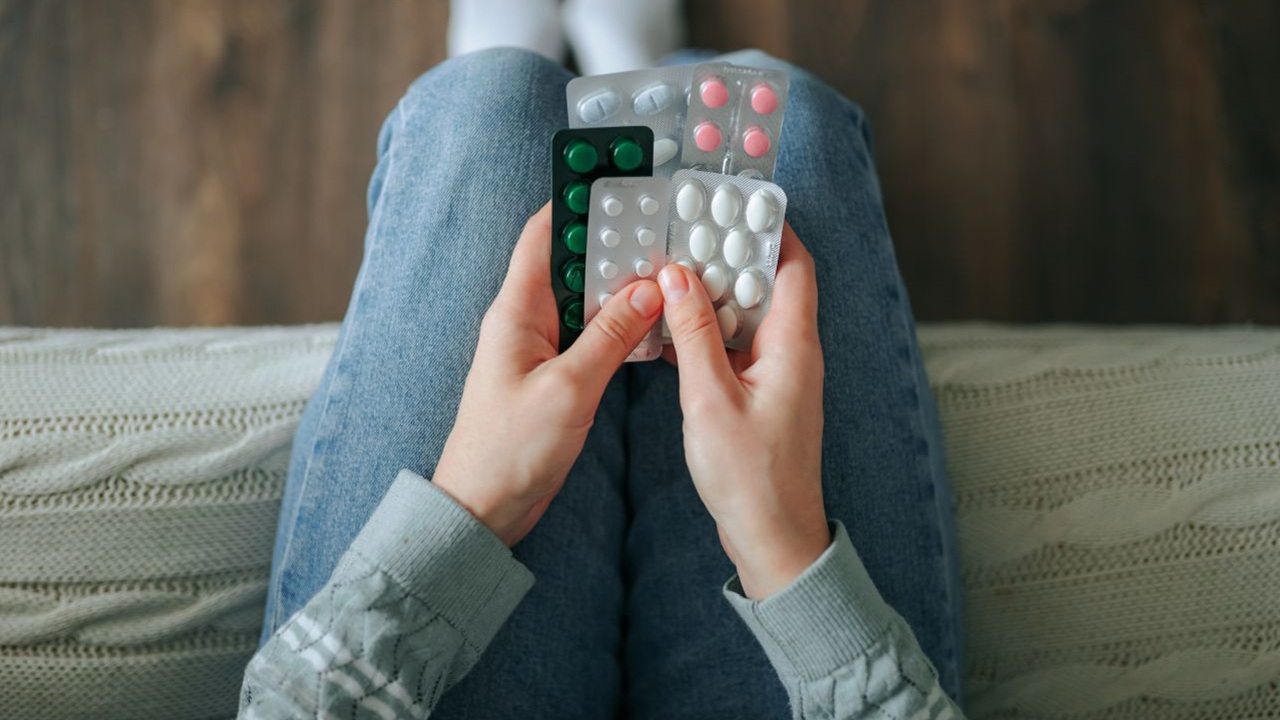
Most people given opioids for short-term pain stop taking them well before the pain is gone. That’s the reassuring finding from a large new federally supported study. The harder finding is what stays behind in the medicine cabinet, and why leftover pills should be properly trashed. However, many prescriptions stay in the cabinet, which leads to risks of opioid addiction and overdose.
Researchers reported that roughly two in three patients had unused opioid tablets after an acute pain episode. The study was backed by the Food and Drug Administration and is intended to inform FDA guidance on prescribing for specific conditions.
Opioids and Overdose Risk
Let’s take a step back and look at the bigger picture. Opioids include prescription medications such as oxycodone, hydrocodone, morphine and codeine alongside heroin and fentanyl. With sustained use the body adapts, so more is needed for the same effect and stopping produces withdrawal.
Most overdose deaths in the United States now involve illicitly manufactured fentanyl rather than prescribed medication. So, leftover pills matter less as a direct overdose source than as a first exposure on a path toward opioid addiction. An opioid overdose produces unresponsiveness, very slow or stopped breathing, and blue or gray lips and fingertips.
The Study Tracked Opioid Pills
The prospective cohort study followed 1,708 opioid-naive patients between September 2020 and March 2023. They came from Cedars-Sinai Medical Center, Mayo Clinic, Monument Health, the University of Alabama at Birmingham and Yale-New Haven Health. Dental practices in several Southeastern states also participated. Molly Moore Jeffery of Mayo Clinic led the study. The analysis ran from April 2023 to February 2026.
Patients were enrolled from emergency departments, primary and urgent care clinics, dental practices, and after cesarean delivery or knee replacement who opted for opioids following surgery rather than without. All were adults who had never used opioids, apart from adolescents aged 15 to 17 having impacted molars removed at one site. Participants completed digital surveys for up to 180 days tracking pain, medication use, and side effects.
Opioid Use Ended Before Pain Did
Among the 1,502 patients who reported a pain level at least once, pain took a median of 20 days to resolve, regardless of which treatment they received. Median opioid use lasted 7 days.
That gap is the study’s central observation. Most participants stopped taking opioids while still in some pain, which suggests they used their meds for the worst stretch of the episode rather than until full recovery. This find correlated with other research that shows opioids don’t ease long-term pain.
Recovery time varied sharply by condition. Surgical pain took a median of 74 days to resolve and low back pain 69 days, while kidney stone pain resolved in a median of 8 days.
The authors concluded that many patients are well served by current guidance recommending a short initial opioid prescription. Some patients needed opioids longer and that treatment should be tailored to individual needs.
Leftover Pills and Opioid Addiction Risk
About 67% of participants reported having leftover opioids. The study documented that surplus but did not track what happened to it.
That distinction matters. Unused opioids sitting in homes create routes to diversion, accidental ingestion by children, and unsupervised use later by the patient or someone else. The FDA has previously noted that studies of post-surgical prescribing commonly find a majority of dispensed tablets go unused.
The practical response is unglamorous. One simple way to decrease the risk of addiction is to ask for the smallest quantity that covers the worst days, store it securely, and dispose of the rest.
Those Who Kept Using Longest
Roughly 10% of participants continued using opioids for at least 90 days. Persistence was highest among those who reported frequent pain in the six months before enrolling.
Prolonged use isn’t the same as opioid addiction, and the study diagnosed no one. It measured how long people took medication, not who developed a disorder. Extended use is, however, a recognized signal that warrants clinical attention rather than an automatic refill.
The findings are descriptive and can’t establish cause and effect. Treatment data came from patient self-report rather than confirmation against pharmacy or health records. Enrollment was complicated by the COVID-19 pandemic and by technical problems linking patient accounts to health records. The study also didn’t compare opioids against nonopioid treatment head to head.
Harm Reduction and Treatment Options
Naloxone reverses an opioid overdose and works within minutes. Fentanyl test strips can detect fentanyl in a supply, though not how much is present.
Medication for opioid use disorder, including methadone, buprenorphine, and naltrexone, reduces overdose death.
Peer support is a complementary path. Narcotics Anonymous meetings are free and require no insurance, referral, or diagnosis, and many people use medication and peer support together.
NA Fights Opioid Addiction
To dispose of leftover medication, the Drug Enforcement Administration maintains a year-round collection site locator, and many pharmacies accept returns.
If you want support, feel free to browse our directory to find NA meetings by state and city, including online and Spanish-language options. For those seeking treatment, call 800-934-1582(Sponsored) and ask our experts specifically about medications and whether it continues after any inpatient stay.
For years, the working assumption in overdose prevention was that injecting carried the highest risk and that moving away from it lowered that risk. A new analysis of people affected by heroin addiction in Baltimore complicates the picture. It found no evidence that any one route of use was riskier than another. In this case, higher overdose odds correlated with using several routes during the same period.
The study matters because the way folks in the United States use opioids has changed sharply since 2020. Even though states like Maryland feature a wide range of addiction treatment programs, from inpatient care in modern facilities to local Narcotics Anonymous chapters, the shifting drug scene continues to take its toll on residents and their families.
The Opioid Crisis in Baltimore
Drug overdoses have caused more than one million deaths in the United States since 1999, according to the Centers for Disease Control and Prevention. Despite efforts and funding to lower overdose numbers, the rates remain near historic highs.
The mix has shifted underneath those totals. Multiple studies documented a move away from injecting and toward smoking and nasal inhalation starting during the COVID-19 pandemic. By 2022, CDC data showed smoking-related overdose deaths had passed injection-related overdose deaths.
The Baltimore Study’s Findings
Researchers used the ALIVE cohort, a community-recruited study of adults in Baltimore who have a history of injecting drugs. Participants attend visits twice a year and report their drug use over the previous six months.
The heroin analysis covered 1,121 participants across 4,396 study visits. Of those visits, nearly 890% were from adults aged 40 to 79, 33% by women, and 77% by Black participants. Past-six-month overdose was reported at 11.6% of visits.
Injection alone was the most common pattern at 34% of visits, followed by injection with nasal inhalation at 29% and nasal inhalation alone at 28%. All three routes together accounted for 4%.
Using all three routes associated with higher overdose odds than injecting alone, with an adjusted odds ratio of 2.37. Compared with nasal inhalation, the adjusted odds ratio was 2.87. Using both injection and nasal inhalation associated with higher odds than just nasal inhalation, at 1.78. The authors reported similar patterns for cocaine.
The Design Matters Regardless of Location
Earlier research on this question was largely cross-sectional. This means it compared different people at a single point in time. That approach cannot separate the effect of a route from everything else that differs between people, including which drugs they use, how often, and at what potency.
This analysis instead looked at within-person change. It asked whether the same participant had different overdose odds during periods when they used drugs differently. This was the first study to examine the relationship this way in a longitudinal, community-recruited sample.
The finding doesn’t offer a direct proof of cause. It’s also based on one cohort in one city whose participants all have a history of injecting, even as the overdose rates in Maryland have fallen from its peak. It shouldn’t be read as guidance for any individual.
Fentanyl’s Role in the Shift
The authors situate their work against a changing drug supply. Fentanyl became more common in non-injection formulations before and during the pandemic. Xylazine emerged as a contaminant. Harm reduction services, routine health care and treatment access were all disrupted.
Fentanyl’s presence means the contents and strength of a given supply are frequently unknown to the person using it. That unpredictability partly explains why the authors treat unfamiliar or shifting use practices as worth studying.
Opioids and How to Handle Overdose
Opioid classifications include heroin, fentanyl and prescription meds. They act on receptors in the brain and spinal cord that regulate pain, and at high enough doses they slow or stop breathing, which is what makes an overdose fatal.
Naloxone, sold under brand names including Narcan, reverses an opioid overdose by displacing opioids from those receptors. It is available over the counter and works within minutes.
Harm reduction programs supplying sterile equipment for drug administration may help people who use drugs reduce overdose risk. That is their recommendation based on these findings, and approaches to equipment distribution vary by state and locality.
Beyond equipment, medication for opioid use disorder remains the most established treatment for heroin addiction. Buprenorphine and methadone reduce withdrawal and cravings by acting on the same receptors, and naltrexone blocks opioid effects after withdrawal is complete. These medications are typically paired with counseling.
Peer support runs alongside treatment rather than replacing it. Narcotics Anonymous meetings give people in recovery from heroin addiction and other opioid use disorders regular contact with others working through the same thing, and meetings are free to attend.
NA a First Defense Against Heroin Addiction
If you or someone close to you is dealing with heroin addiction or another opioid use disorder, several steps are available now.
- Get naloxone and keep it accessible. Pharmacies stock it over the counter, and many local harm reduction programs distribute it at no cost.
- Ask about fentanyl test strips, where they’re legal and available.
- Contact an opioid treatment program or a buprenorphine prescriber to discuss medication options.
Our online directory lists NA meetings by state and city, with filters for meeting type and virtual options. You can find something nearby without waiting for an appointment. Feel free to browse our listings or call 800-934-1582(Sponsored) to speak with an expert.
The leader of an international drug trafficking organization operating through Southern California was sentenced on July 9 to 240 months, or 20 years, in federal prison.
For people living with narcotic addiction and the families around them, it’s a reason to celebrate. To be sure, The Golden State offers a wide breadth of programs ranging from inpatient care to grassroots Narcotics Anonymous programs to combat substance misuse. However, cases like this one shape the illicit supply without changing the day-to-day work of finding treatment and staying safe.
The Court’s Findings
United States District Judge John A. Kronstadt sentenced Guramrit Sidhu in the Central District of California. Sidhu pled guilty on March 26 to one count of engaging in a continuing criminal enterprise. That charge, brought under the federal statute known as the kingpin statute, applies to those who organize or supervise a large-scale drug operation rather than simply participate in one.
Under his plea agreement, Sidhu led an organization that trafficked drugs out of the United States between September 2020 and February 2023. Over six weeks from mid-September to October 2022, he orchestrated eight separate drug loads totaling approximately 1,150 pounds of methamphetamine and 765 pounds of cocaine. Law enforcement seized all of it. Prosecutors estimated the wholesale value at roughly $15 million to $17 million.
After purchasing bulk quantities in the United States, Sidhu arranged transport by long-haul semi-truck across interstate highways. Couriers used phone numbers and currency serial numbers as identifying tokens during handoffs.
Sidhu came into federal custody in October 2024 after the Justice Department’s Office of International Affairs secured his extradition. He’s the eighth defendant in this case to plead guilty thus far. Others received federal prison terms ranging from 27-108 months.
The investigation involved the FBI, the Los Angeles Police Department, the Los Angeles Interagency Metropolitan Police Apprehension Crime Task Force, federal authorities, and international law enforcement partners.
Stimulants in the Current Supply
Methamphetamine and cocaine are stimulants. They increase alertness, heart rate, and blood pressure, and they carry their own overdose risk, which can present as chest pain, agitation, seizures, hyperthermia, or stroke rather than the slowed breathing seen with opioids.
Stimulant use disorder doesn’t currently have an FDA-approved medication comparable to methadone or buprenorphine for opioid use disorder. Treatment relies on behavioral approaches, contingency management and peer support. That’s one reason support groups matter so much for people recovering from stimulant use.
A separate and important point: the loads described in this case were methamphetamine and cocaine. Court documents don’t describe fentanyl in these seizures, and nothing here should be read as saying otherwise. Nationally, however, fentanyl contamination of the stimulant supply remains a documented risk, which is why the harm reduction guidance below applies to stimulants and not just opioids.
Enforcement in Action
Large seizures remove products from the market and can disrupt distribution networks. But they don’t reduce the number of people who wake up tomorrow with cravings, withdrawal, or a use disorder they want help with. Supply disruption can also push the illicit market toward substitutes of unknown or mixed composition.
Even though the number of fentanyl cases in LA County has declined in recent years, residents need to stay vigilant lest an addiction or overdose strike. If you or someone you care about is using stimulants or opioids, the next step is the same today as it was last week.
NA Fights Narcotic Addiction
Recovery paths vary and none of them require choosing just one. Options include:
- Medically supervised detox and inpatient or outpatient treatment
- Medication for opioid use disorder, including methadone, buprenorphine, and naltrexone, where clinically appropriate
- NA meetings, including open, closed, virtual and Spanish-language formats
- 988 Suicide and Crisis Lifeline for anyone in crisis
NA remains a free, confidential and easy-to-join way to fight addiction. Local chapters dot the landscape nationwide. To find one, simply browse our directory or call 800-934-1582(Sponsored) to speak with an expert about treatment options for narcotic addiction.

A substance sold legally in gas stations across much of the country is now explicitly prohibited for every soldier in the U.S. Army. The policy does something notable for anyone tracking opioid addiction in the military. The kratom ban now routes soldiers toward clinical evaluation rather than treating the matter as a disciplinary question alone.
Army Secretary Dan Driscoll issued a memo to prohibit soldiers from using, possessing or distributing kratom. The order also includes kratom’s main psychoactive components, mitragynine and 7-hydroxymitragynine. The action reinforces an existing Defense Department directive that applies across all branches.
The Army’s Policy
The prohibition covers the plant material and the isolated compounds alike. The enforcement mechanism sets this policy apart from a simple ban.
Soldiers identified as having used kratom must report to a substance use disorder evaluation. These soldiers also have to attend and complete the Army Substance Abuse Program, known as ASAP, alongside Alcohol and Drug Abuse Prevention Training. In practical terms, a positive identification triggers a clinical assessment and treatment, not just an administrative consequence.
That structure matters because kratom dependence is real, but easy to miss. Someone who uses concentrated kratom products daily for pain or fatigue may not describe themselves as having a problem with narcotics at all.
Kratom and Its Opioid-Like Effects
Kratom comes from an herbal extract taken from an evergreen tree native to Southeast Asia. It acts like a stimulant at low doses and like a sedative and pain reliever at higher ones, which is why people use it to self-treat a range of conditions.
The compounds that produce those effects, mitragynine and 7-hydroxymitragynine, act on the brain’s mu-opioid receptors. These are the same receptors targeted by morphine, heroin, and prescription opioids. That shared mechanism allows kratom to relieve pain and produce euphoria, but can also trigger physical dependence and withdrawal.
Products containing these compounds are commonly sold as teas, capsules, vapes and gummies, frequently marketed as natural remedies. The Food and Drug Administration hasn’t approved them as safe and effective for any medical use, and the number of kratom poisoning cases have skyrocketed in recent months across the nation.
The Pentagon’s Actions
The Defense Department declared kratom use a violation of the Uniform Code of Military Justice in a memorandum dated Sept. 15, effective Dec. 31.
The department noted the directive intended to protect the health, safety and readiness of service members. The Drug Enforcement Administration had considered mitragynine and 7-hydroxymitragynine as potential Schedule I substances because of their abuse potential and health risks. A Pentagon official reported that the substances mimic opioid effects and carry risks including impairment, overdose potential and long-term health consequences.
The Other Branches
The Army is the most recent service to act, not the first.
Navy Secretary John Phelan also prohibited all sailors and Marines from using kratom products in an All Navy message back in January. He noted that use means a violation of a lawful general order under the UCMJ and can result in administrative or disciplinary action.
The Air Force also agreed that kratom falls under its existing prohibition on naturally occurring intoxicating substances. The Air Force has thus banned kratom, even though it’s not named specifically in the service manual.
The Coast Guard banned it in May and in fact works in tandem to keep illegal shipments of kratom from seeping through the waterways.
The result is a military-wide prohibition by every service over roughly six months.
Harm Reduction & Treatment Options
Anyone who has developed dependence on kratom or another substance acting on opioid receptors should start looking into withdrawal and treatment.
Withdrawal is uncomfortable but manageable with medical support, and it typically involves muscle aches, sweating, nausea, anxiety, insomnia and strong cravings.
Medication for opioid use disorder, including buprenorphine, can treat dependence involving opioid receptor agonists and can make stopping considerably safer and more tolerable than going it alone.
Naloxone, popularly known as Narcan, reverses opioid overdose. Anyone can keep naloxone in their household. It’s available without a prescription at pharmacies and free through many local health departments and harm reduction programs.
Fentanyl test strips add another layer of protection for anyone using substances obtained outside a pharmacy, since the illicit supply is frequently contaminated.
Peer support fills a different gap. Narcotics Anonymous meetings are free, widely available, and open to people recovering from any substance, and many service members and veterans find that a room of people who understand the specific pressures of military life makes the difference in staying engaged.
NA Fights Opioid Addiction
The military has banned kratom, but many civilians can readily access it, buy it, and consume it. Should that happen, addiction can set in.
Be prepared. Feel free to dial 800-934-1582(Sponsored) to chat with an expert about confidentiality protections and self-referral options before a positive identification forces the issue.
You can also meet community members and form fellowship in NA chapters to get through rough patches. Chapters dot the entire country, including your neighborhood. Simply browse our directory to find one, including virtual options if an in-person meeting is not practical.
Utah has confirmed that medetomidine, a veterinary sedative, is present in its illicit drug supply. The state’s task forces for opioids and fentanyl zeroed in and identified the substance that can complicate treatment and recovery efforts via naloxone.
While this news is alarming, Utah residents do have options. The Beehive State offers a wide range of programs to combat substance misuse, starting with Narcotics Anonymous chapters at the community level on up to inpatient care. State officials also paired the announcement with an unusually specific set of instructions for what to do when someone overdoses.
The headline fact is that naloxone, sold as Narcan, doesn’t reverse medetomidine. The more useful fact, and the one state officials put front and center, is that naloxone still matters in every single overdose response. Medetomidine is usually mixed into fentanyl and other opioids, and naloxone reverses those.
Utah Officials’ Findings
Medetomidine is a sedative used in veterinary medicine and isn’t an opioid, which is why naloxone has no effect on it. Authorities first detected medetomidine in street drugs back in 2022 and linked it to a spike in overdose cases. State officials described it as more potent than xylazine, the veterinary sedative that has circulated in the fentanyl supply for several years.
The detection itself is the news for Utah residents. The Department of Public Safety framed it as information that lets overdose prevention, public health, and public safety partners issue timely guidance. Its underscores the need for continued surveillance, education, and access to overdose prevention tools.
“The illicit drug supply continues to evolve,” the two task forces noted in a joint statement, describing recognizing an overdose, responding quickly, calling 911, carrying naloxone, and educating folks as the actions that make the difference while help is on the way.
Naloxone Still Belongs in Your Pocket
This is the point where reporting on sedative adulterants often goes wrong. A person reading that naloxone cannot reverse medetomidine could reasonably conclude naloxone is no longer worth carrying. Utah officials stated the opposite.
Since medetomidine travels inside a fentanyl supply, the opioid part of an overdose is still responsible for someone not breathing, and naloxone reverses that. What changes is what recovery from the overdose looks like. Someone may remain unconscious after naloxone works, because the sedative is still active, even though their breathing has come back.
Respond to an Overdose
The Department of Public Safety published step-by-step guidance for anyone who encounters a suspected overdose:
- Call 911 immediately
- Administer naloxone. It won’t reverse medetomidine, but it reverses any present fentanyl, nitazenes, heroin, morphine and other opioids
- Focus on breathing rather than wakefulness. A victim might remain unconscious after naloxone while breathing normally again, which means it’s working
- Give rescue breaths if the person doesn’t breathe adequately
- Place them in the recovery position if they’re breathing on their own while waiting for EMS
- Keep monitoring and give more naloxone if breathing slows or stops again
Keep in mind that breathing remains critical. Judging naloxone by whether someone wakes up, rather than whether they start breathing, can lead a bystander to think it failed and stop responding.
Treating Medetomidine and Fentanyl
Fentanyl is a synthetic opioid potent enough that very small amounts can suppress breathing. Nitazenes are a separate class of synthetic opioids also appearing in the supply. Both respond to naloxone.
Medetomidine and xylazine belong to a different drug class entirely. They produce deep sedation, and they’re added to opioid supplies rather than sought out by the people using them. Nobody buying fentanyl in Utah chooses medetomidine.
For a person who uses drugs or spends time around someone who does, the practical response to this news bears repeating. Carry naloxone. Carry more than one dose. Don’t take drugs alone if at all possible. Call 911 even when naloxone appears to work.
For someone thinking about treatment, medication for opioid use disorder remains the evidence-based standard regardless of what is mixed into the supply. Methadone, buprenorphine, and naltrexone are all approved options, and the fact that adulterants get harder to predict is a reason to consider medication rather than a reason to wait.
Peer support is available alongside that. NA meetings run daily in most Utah cities, including in-person, virtual, and Spanish-language formats, and they do not cost anything or require a commitment to attend a first time.
Help for Opioid Addiction Begins with NA
Anyone in Utah or anywhere else in the country looking for a next step can search NA chapters by city to start. Dialing 800-934-1582(Sponsored) to speak with an expert is a free and confidential way to start recovery.
Our directory can also be handy. You can browse our national listings of NA meetings and can connect people with opioid treatment programs. Call to talk through options for yourself or someone you care about.
A synthetic opioid additive that can be considerably more potent than fentanyl has turned up in the illicit drug supply in Maryland and other states. It belongs to a class first identified internationally in 2019.
Marylanders have good reason for concern. Even though The Free State boasts a wealth of treatment programs and grassroots organizations like Narcotics Anonymous to assist residents with drug misuse, this emergence marks a new chapter in the opioid crisis. Anyone using opioids, or supporting someone who does, knows that stronger potency turns a familiar amount into an overdose.
Orphines in Maryland
Maryland officials have expressed alarm at the report, and testing programs offer the clearest details thus far. The Maryland Department of Health runs Rapid Analysis of Drugs, which tests illicit supply samples to identify what is circulating. It has detected one compound from the new class, N-Propionitrile Chlorphine, in Baltimore City and Calvert County.
Chlorphines belong to a group called orphines, a class of synthetic opioids that the United Nations Office on Drugs and Crime says first appeared back in 2019. Several compounds fall under that heading, and Maryland has identified only this one so far.
Maggie Ryback, the state’s coordinator for the testing program, reported that chlorphine is up to”10 times more potent than fentanyl,” depending on how it is produced. She noted that the potency raises overdose risk and that the presence of these compounds is highly regional.
Eight documented samples is a small number. So far, the picture shows an emerging threat rather than an evenly distributed national crisis.
Chlorphines Compare to Fentanyl
For scale, The Drug Enforcement Administration describes fentanyl as roughly 50x more potent than heroin, and fentanyl drives the majority of overdose deaths in Maryland. A compound reaching several times fentanyl’s potency narrows the margin between a typical dose and a fatal one.
For clarification, potency describes how little of a substance produces an effect. When a potent compound is mixed unevenly into a batch, two portions of the same supply can differ enormously, which is why unpredictability drives overdose risk.
Adulterants Already in Baltimore’s Drug Supply
Ryback relayed that Marylanders have seen an influx of adulterants as regulators control existing compounds as new chemicals become available and supply chains shift. Baltimore has already dealt with several:
- Xylazine, a veterinary tranquilizer associated with severe skin wounds
- Medetomidine, another tranquilizer that produces extreme withdrawal symptoms
- Benzodiazepines, which were mixed into the supply during three mass overdose events in the city last year
Each complicates overdose response differently, because none respond to naloxone.
Opioids and Overdose Risk
Let’s take a step back and look at the bigger picture. Opioids act on receptors in the brain and brainstem that regulate pain and breathing. Overdose kills by suppressing respiration. Signs include very slow or stopped breathing, blue or gray lips and fingertips, pinpoint pupils, limp body and unresponsiveness to shouting or a sternal rub.
Naloxone, sold as Narcan and available over the counter, reverses opioid overdose by displacing opioids from those receptors. It works within minutes and carries no risk if opioids are not involved.
An important caveat applies. Kathrina Hlela, a scientific affairs associate at the United Nations, argued this emerging threat calls for expanding access to prevention and intervention including naloxone. But she noted more research is needed on how naloxone performs against orphines specifically. Indeed, some tests have shown that orphines might overwhelm a naloxone dose.
Until that research exists, the guidance is unchanged: use naloxone, use more than one dose if breathing does not return, and call 911.
Harm Reduction & Treatment Work
Harm reduction is evidence-based public health that often makes available naloxone through local health departments and community distribution programs. Fentanyl test strips don’t detect every novel compound, a limitation worth knowing.
For opioid use disorder, medication remains the best-supported treatment. Buprenorphine and methadone reduce cravings and withdrawal and substantially lower overdose death risk. Naltrexone is an option after a period without opioids. These work alongside counseling and peer support.
Peer support helps many people sustain recovery. Narcotics Anonymous meetings are free, widely available, and require no insurance or referral. Some people use NA alone, some combine it with prescriptions, and others choose other paths, including SMART Recovery.
NA a Good Starting Point
NA meetings have proven an effective first step towards a long-term recovery. Fellowship often lasts a lifetime, and your colleagues are often neighbors and folks you see in your community every day..
Getting started is easy. Simply dial 800-934-1582(Sponsored) to speak with an expert. Also, feel free to browse our directory for NA chapters anywhere in the country.

Drug overdose deaths in Los Angeles County fell for a third consecutive year in 2025, with fentanyl playing a smaller role than it did just two years ago, according to the county’s Department of Public Health. The drop reflects the abundance of treatment programs for opioid use disorders in The Golden State, from inpatient care to grassroots Narcotics Anonymous programs for Angelenos.
Overdose deaths dropped 6% in 2025 and an overall 30% since its apex in 2022, when the county recorded 3,220 deaths. LA County’s progress mirrors the larger national trend. Overdose fatalities across the U.S. dropped 35% from 2022 to 69,973 in 2025.
The Opioid Crisis in Los Angeles
Fentanyl remains a major factor in the county’s overdose crisis, but a shrinking one. The synthetic opioid was responsible for 49% of L.A. County’s overdose deaths in 2025, down from 64% in 2023. Methamphetamine, meanwhile, remained involved in roughly 61% of overdose deaths, contributing to 1,405 deaths in 2025, a 7% drop from the year before.
“Three consecutive years of fewer overdose deaths in L.A. County is proof that sustained investments in prevention, harm reduction, treatment and recovery services saves lives,” noted Barbara Ferrer, the county director of the Department of Public Health.
Driving the Change in L.A.
The CDC credits the nationwide decline in drug-related deaths to several factors, including wider distribution of naloxone, the medication used to reverse opioid overdoses. Other factors include enhanced treatment options and a shift in the illegal drug trade.
L.A. County’s own strategy relies heavily on harm reduction, which treats addiction as a health condition. Harm reduction focuses on keeping folks alive rather than requiring complete abstinence. The county distributes naloxone, fentanyl test strips, and clean smoking supplies.
However, federal funding for parts of that approach has become more limited this year. In April 2026, SAMHSA barred funds from paying for syringes or fentanyl test strips. This policy shift reflects an ongoing national debate over harm reduction strategy.
Fentanyl and Overdose Risk
Fentanyl is a synthetic opioid that’s frequently mixed into other drugs without the user’s knowledge. That’s part of the reason it has driven so much of the overdose crisis in recent years. Signs of an opioid overdose include slowed or stopped breathing, pinpoint pupils, blue-tinged lips or fingertips, and unresponsiveness.
The county’s data also shows the crisis is not distributed evenly. Neighborhoods with 30% or more of families living below the federal poverty level had overdose fatality rates nearly 5x greater than regions where less than 10% live below that line. This gap has widened steadily over the past decade.
Race and economics also play a part. Black residents make up 7% of the county’s population but accounted for nearly a quarter of overdose deaths in 2025. People experiencing homelessness are 46x more likely to die of overdose and accounted for more than one third of overdose fatalities.
Harm Reduction and Treatment Works
For people with a narcotic addiction or opioid use disorder, this data underscores that recovery resources are working at a population level, even as individual risk remains serious. Naloxone access, medication-assisted treatment such as buprenorphine and methadone, and peer support all play a role in reducing repeat overdose risk.
In-person peer support meetings also make a large difference. Peer groups like NA provide free, confidential, and non-judgmental support that often lasts a lifetime. Your colleagues understand what you’re going through, and they’re there when needed.
NA an Effective Line of Defense
Anyone worried about their own drug use, or a family member’s, doesn’t need to wait for a crisis to seek support. NA meetings are held throughout Los Angeles County and throughout the country and inpatient and outpatient treatment programs are available for people ready to pursue recovery from opioid or stimulant use.
Taking the first step is as simple as dialing 800-934-1582(Sponsored) to speak with an expert. You can find treatment options and resources right in your own neighborhood. Or, browse our directory to locate an NA chapter anywhere in the USA.
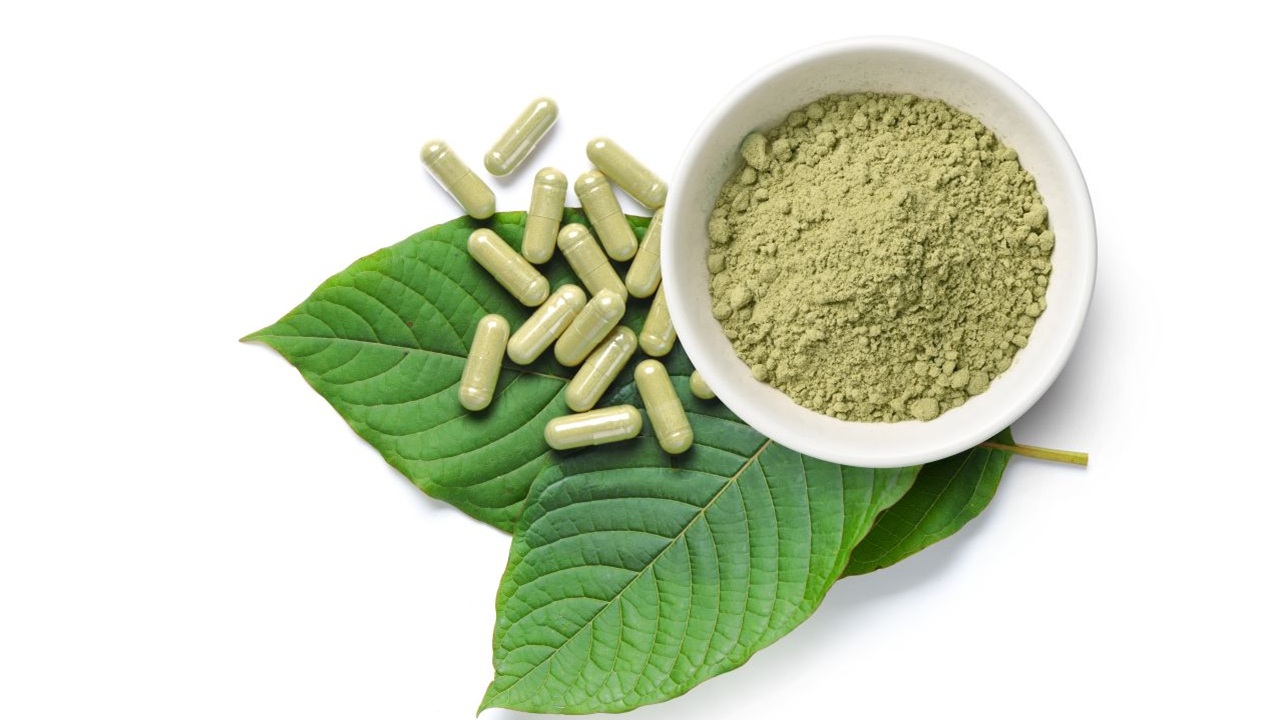
The Drug Enforcement Administration sent out a notice on July 1 to place 7-hydroxymitragynine, known as 7-OH, and three related substances into Schedule I of the Controlled Substances Act. Placing kratom into the strictest legal category effectively bans its manufacture, distribution, sale and possession.
But drug policy critics oppose the move. They argue that many people already use 7-OH and kratom products as a self-managed alternative to prescription and illicit opioids. Accordingly, a ban could push those users back toward more dangerous drugs instead of reducing harm.
The DEA’s Announcement
The DEA filed two Notices of Intent with the Federal Register on July 1. One addresses 7-OH above a specified threshold, and the other on mitragynine pseudoindoxyl, MGM-15 and MGM-16. The Department of Health and Human Services confirmed that synthetic 7-OH has no accepted medical use and a high potential for abuse and cited a jump in kratom poison cases.
DEA Administrator Terrance Cole noted the action targets highly concentrated synthetic 7-OH products that are an emerging threat to public safety. HHS Secretary Robert F. Kennedy, Jr., characterized them as dangerous fuelers of addiction.
The ban doesn’t apply to raw botanical kratom products that contain natural 7-OH below the threshold. It targets synthesized products and concentrated extracts sold online and in convenience stores and smoke shops as powders, tablets, gummies and dissolvable strips.
About 7-OH and Kratom
Kratom originates from leaves off the Mitragyna speciosa, a tree native to Southeast Asia. Its primary alkaloid, mitragynine, converts into 7-OH as the body metabolizes it. 7-OH can also be concentrated or synthesized directly in lab settings.
Kratom has opioid-like effects on pain and mood at higher doses. Some products marketed as kratom extracts contain much higher concentrations of 7-OH than what naturally occurs in the raw leaf.
Some Critics Oppose the Ban
Critics, including drug policy researchers at the Reason Foundation, argue the ban outpaces the available evidence and does more harm than good. Their case rests on a few specific points.
- They point to DEA’s own cited data, which documented 85 overdose cases and 55 deaths involving 7-OH since 2019, and note that most of those cases involved other substances such as fentanyl rather than 7-OH alone. This suggests the actual risk from 7-OH by itself is lower than the scheduling action implies.
- They cite National Institutes of Health-funded research studying kratom-derived compounds as a potential treatment for opioid use disorder, arguing that a Schedule I ban could complicate or halt that research.
- Critics argue that many people currently use 7-OH and kratom products to manage chronic pain or to reduce or stop opioid use on their own. Eliminating legal access could push them back toward illicit opioids that carry a much higher overdose risk.
Public health officials backing the DEA’s action see it differently. They argue that concentrated, synthetic 7-OH products carry real overdose and dependence risks of their own. These products are largely unregulated and inconsistently manufactured and emergency scheduling gives law enforcement and public health agencies tools to act quickly against a fast-growing and unsupervised market.
Both sides agree that mixing 7-OH or kratom with other depressants, including alcohol and certain medications, increases risk. They also acknowledge that manufacturing quality varies widely in an unregulated market.
Traditional Harm Reduction and Treatment Still Work
Whatever the outcome of the scheduling process, people using 7-OH or kratom products to manage pain, mood, or opioid withdrawal on their own should know that naloxone can reverse opioid-like respiratory effects, including those linked to 7-OH in early research.
Medication-assisted treatment with buprenorphine or methadone and combined with counseling remains the most established path for treating opioid misuse.
Anyone trying to stop opioid use from prescription painkillers, drugs or even kratom-derived products has safer options than going it alone.
NA Remains an Effective First Step
That’s where Narcotics Anonymous comes in. NA meetings also offer peer support for people working toward recovery from narcotics and opioid use, regardless of which substance brought them there.
Begin today by dialing 800-934-1582(Sponsored) to chat with a specialist and locate local resources. You can also browse our directory to find NA chapters located anywhere in the United States.