 800-861-9372
The U.S. Drug Enforcement Administration collected more than 19,000 pounds of unused and expired medication across the Midwest during its spring Prescription Drug Take Back Day. The event marks an annual cleanout that helps keep leftover prescription opioids and other drugs out of the wrong hands. For families worried about opioid addiction in their own …
Drug Take Back Day Secures 19K Pounds of Unused Prescriptions
Get Help Now 800-934-1582
 Sponsored
Sponsored
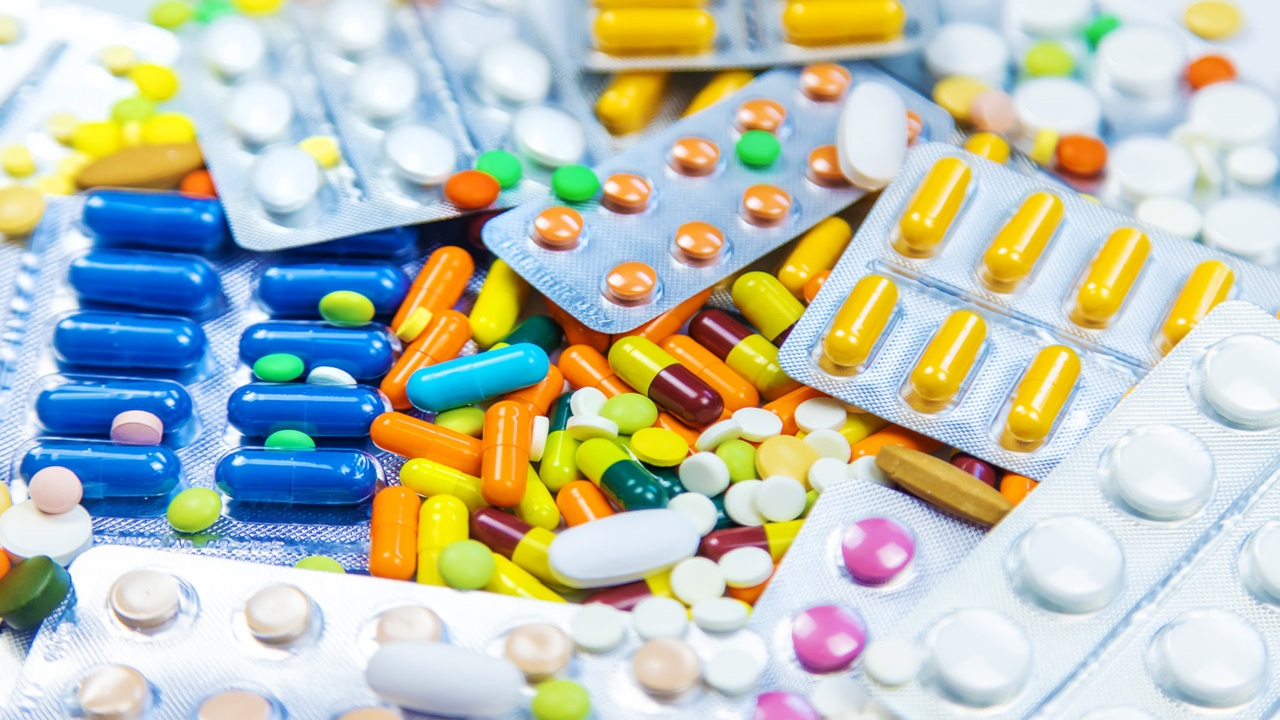
The U.S. Drug Enforcement Administration collected more than 19,000 pounds of unused and expired medication across the Midwest during its spring Prescription Drug Take Back Day. The event marks an annual cleanout that helps keep leftover prescription opioids and other drugs out of the wrong hands.
For families worried about opioid addiction in their own home, the event is a reminder of a simple risk-reduction step. Painkillers left in a medicine cabinet are a common starting point for misuse.
All About Take Back Day
On April 25, the DEA and 4,300+ law enforcement agencies nationwide collected 642,410 pounds of unneeded medication at the 30th National Prescription Drug Take Back Day. More than 19,000 pounds came from 159 collection sites throughout the DEA’s Omaha Field Division that covered Iowa, Minnesota, Nebraska, North Dakota and South Dakota.
Special Agent Dustin Gillespie is in charge of the DEA Omaha Field Division. He credited local partners who help coordinate drop-off sites for the program’s reach. Gillespie noted how local support allows community members to safely clear unwanted medication from their homes and keep these substances out of their neighborhoods.
Since the program began in 2010, it has collected 21,034,225 pounds of medication nationwide, the equivalent of more than 10,500 tons. Residents of the five Omaha Field Division states have contributed 725,265 of those pounds.
Leftover Prescription Opioids Matter
Prescriptions such as oxycodone and hydrocodone remain central to the overdose crisis. Many people who develop opioid addiction first encounter these drugs through a legitimate prescription. But pills left over after an injury or surgery can be misused, taken by a family member, or diverted to someone else.
Clearing them out lowers the risk of accidental poisoning, particularly for children. Disposing of these narcotics also removes a future stash that can fuel misuse.
The DEA says the take-back program is built to prevent prescription drug misuse and reduce accidental overdoses and poisonings.
Year-Round Drug Disposal Options
People who missed the April event don’t have to wait for the next one. The DEA points to more than 16,500 pharmacies, hospitals, businesses and police departments that accept unused medication year-round, along with permanent drop boxes listed on its Every Day is Take Back Day resource.
Gillespie encouraged residents to locate a year-round site and dispose of medication regularly rather than letting it be a one-and-done event in the household. Other practical tips to avoid exposure and addiction include coordinating with your doctor and seeking alternatives to opioids in the first place.
Harm Reduction Tactics
Disposing of unused pills is one piece of a larger response to the opioid crisis. In homes where opioid use already takes place, naloxone (sold as Narcan) can reverse an opioid overdose and can be bought at most pharmacies without a prescription. Fentanyl test strips can help detect the synthetic opioid that now drives most overdose deaths.
For ongoing opioid addiction, medication-assisted treatment (MAT) remains among the most strongly evidence-based options. Therapists often combine MAT with counseling and peer support groups such as Narcotics Anonymous.
Help & NA meetings
Narcotics Anonymous offers free, peer-led support for people recovering from drug addiction, with meetings available in person and online across all five Midwest states and nationwide. If you or someone you love wants to stop an addiction to prescription opioids or other drugs, treatment options range from outpatient counseling to medical detox and inpatient care.
Call 800-934-1582(Sponsored) to chat with a specialist. Feel free to also look through our directory of verified listings for NA chapters anywhere in the USA.
the Take-Away