 800-861-9372

July is Herbal/Prescription Interaction Awareness Month, an annual observance that highlights how dietary and herbal supplements can interact dangerously with prescription medications. For people in opioid addiction treatment or recovery, the reminder carries extra weight. Common supplements often interact with many medications used to treat opioid use disorder (MAT). Mixing them without medical guidance is …
Herbal Supplements Can Complicate Opioid Addiction Recovery
Get Help Now 800-934-1582
 Sponsored
Sponsored
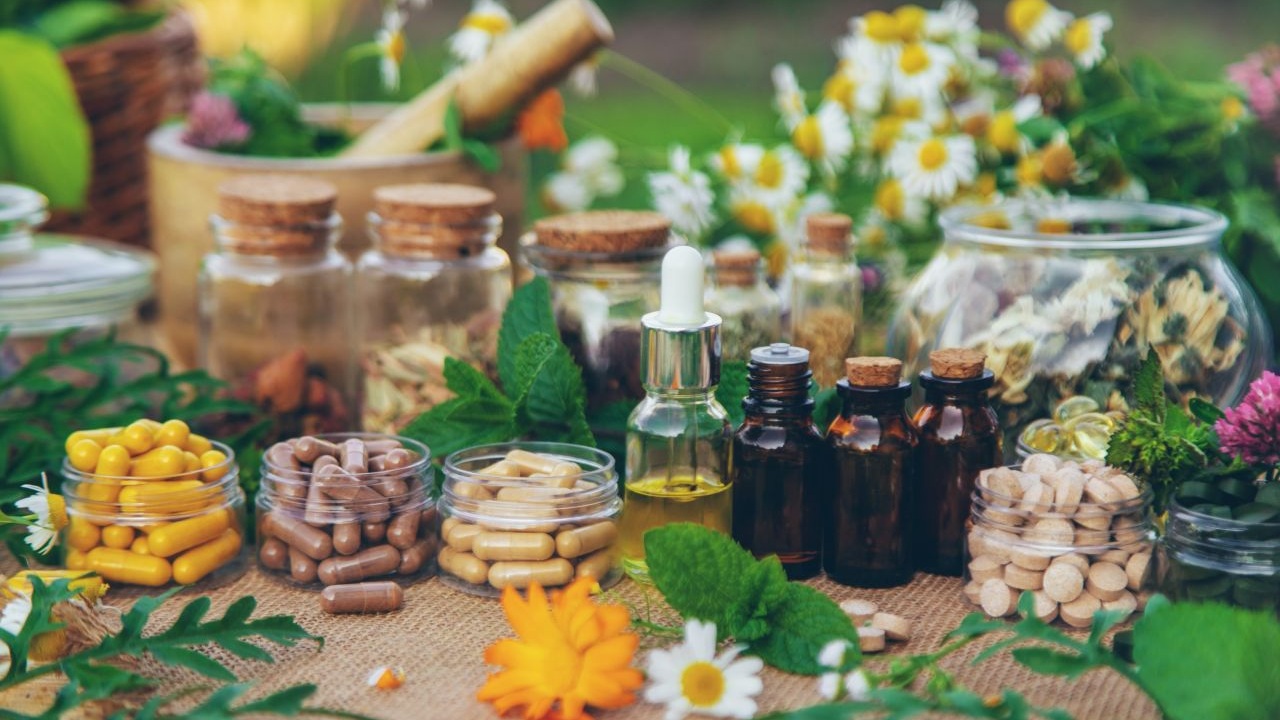
July is Herbal/Prescription Interaction Awareness Month, an annual observance that highlights how dietary and herbal supplements can interact dangerously with prescription medications. For people in opioid addiction treatment or recovery, the reminder carries extra weight. Common supplements often interact with many medications used to treat opioid use disorder (MAT). Mixing them without medical guidance is a risk worth taking seriously.
Herbs Matter for Opioid Addiction Treatment
People with opioid addiction are often prescribed medications like buprenorphine, methadone, or naltrexone as part of MAT. These prescriptions interact with the body’s systems in specific, carefully managed ways. Herbal supplements aren’t risk-free just because they’re sold over the counter. According to the awareness campaign, herbal and prescription drug interactions are more common than many folks realize, particularly for anyone taking multiple medications.
Clinicians already know that certain widely used herbs interact with prescription drugs in ways that matter for people managing opioid addictions. St. John’s Wort, commonly used for mood support, can impact antidepressants and other medications by affecting how the body processes them. Ginseng and garlic engage with blood thinners. Ginkgo biloba can affect anticoagulants.
The core lesson applies broadly. Any supplement has the potential to change how a prescription works in the body, whether that medication treats pain, mental health conditions, or opioid use disorder itself.
The Risk During Recovery
Someone in early recovery from opioid addiction may be coping with withdrawal symptoms, cravings, and co-occurring conditions like anxiety or insomnia all at once. That combination makes supplements marketed for sleep, mood, or energy feel appealing. In addition, media headlines often bandy about new supplements as effective or even as miracle cures.
But introducing an unreviewed supplement while on MAT medications or managing prescriptions for pain or mental health adds a variable that a care team has not accounted for.
Before Taking Any Supplement
Anyone undergoing treatment for opioid addictions should talk to their prescribing physician or care team before starting any herbal supplement, even one that seems harmless. This is especially important for patients on MAT, which interact with the liver’s drug-metabolizing enzymes in ways that a wide range of other substances can affect. A pharmacist can also quickly check for anyone unsure whether a supplement can safely mix with their current prescriptions.
Kratom deserves a specific mention in this context. It’s sometimes used informally by people trying to manage opioid withdrawal symptoms on their own, but it interacts directly with the brain’s opioid receptors and carries its own risk of dependence.
Anyone considering it during opioid addiction recovery should discuss it with a medical provider first, the same as any other supplement.
Harm Reduction and Treatment Resources
If you or someone you know is in opioid addiction recovery and taking multiple medications, a “brown bag” medication review, where you bring every medication and supplement you take to a single appointment, is a simple way to catch potential interactions early.
This same caution applies to naloxone and other harm reduction tools. Knowing what you’re taking and why keeps emergency responders and care teams able to help effectively if something goes wrong.
Starting Out with NA
Narcotics Anonymous meetings and peer support remain valuable alongside medical treatment for opioid use disorder. Meetings are free and confidential, not to mention based in your own neighborhood. The colleagues you meet form fellowships that last a lifetime.
That’s where we come in. Our directory can help you find an NA meeting near you tonight. Search our browsable directory for NA meetings anywhere in the country. You can also feel free to dial 800-934-1582(Sponsored) to speak with an expert about opioid addiction treatment options, including guidance on MAT and how to safely manage supplements alongside prescribed care.
the Take-Away