 800-861-9372

The fentanyl crisis just got more dangerous. A new federal advisory warns that fentanyl, the leading driver of overdose deaths in the United States, is increasingly being cut with a new class of synthetic substances that can overwhelm standard overdose reversal treatments. For anyone struggling with opioid addiction, or anyone who loves them, this is …
Fentanyl Mixed With New Synthetic Drugs Raises Overdose Risk, DEA Warns
Get Help Now 800-934-1582
 Sponsored
Sponsored
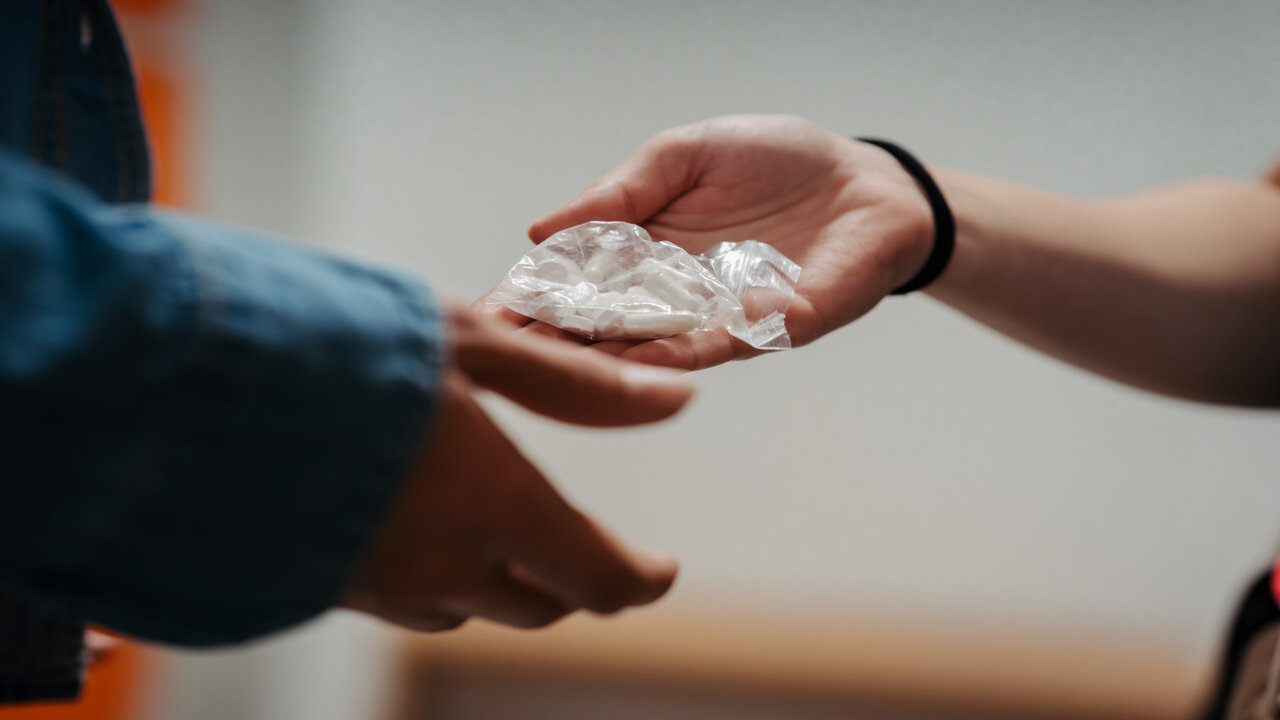
The fentanyl crisis just got more dangerous. A new federal advisory warns that fentanyl, the leading driver of overdose deaths in the United States, is increasingly being cut with a new class of synthetic substances that can overwhelm standard overdose reversal treatments.
For anyone struggling with opioid addiction, or anyone who loves them, this is a life-or-death update.
The Opioid Crisis by the Numbers
The opioid epidemic has claimed more than 500,000 American lives over the past two decades, and fentanyl has been central to that toll for years.
Now, the DEA is warning that the illicit drug supply is becoming even more unpredictable as new synthetic compounds enter the market alongside fentanyl.
Public health officials and law enforcement agencies are increasingly encountering fentanyl mixed with powerful substances such as xylazine, medetomidine, nitazenes, and cychlorphine.
Many of these compounds are not approved for human use and are often impossible for users to detect. Since 2020, the Drug Enforcement Administration (DEA) has identified 22 unique nitazene compounds, 21 of which are now classified as Schedule I controlled substances.
That rapid proliferation signals how quickly the illicit opioid supply is evolving, and how hard it is for users, families, and first responders to keep up.
What Is Driving the Fentanyl Contamination Trend
The drivers behind these new mixtures are both chemical and criminal. New nitazenes tend to be introduced when regulatory actions, enforcement, and drug scheduling put pressure on existing analogues, meaning that as authorities crack down on one synthetic opioid, traffickers pivot to the next. It is a cycle that has defined the opioid crisis for years, and it is accelerating.
Xylazine and medetomidine are veterinary sedatives used to sedate animals, while nitazenes and cychlorphine are potent, unregulated synthetic opioids.
None of these substances were designed for human consumption. None carry dosing guidance. And none appear visibly different when mixed into a pill or powder.
These substances are frequently mixed into counterfeit pills or fentanyl powder without the user’s knowledge. For someone managing narcotic addiction in an active use environment, there is often no way to know what is in a substance before taking it.
Fentanyl’s Role in the Evolving Drug Supply
Fentanyl remains the anchor of the overdose crisis, but it is now a delivery vehicle for an ever-changing cocktail of synthetic drugs. These emerging synthetic drugs can be significantly more powerful than fentanyl and greatly increase the risk of a fatal overdose.
That potency matters enormously for anyone carrying naloxone (Narcan), the medication that reverses opioid overdoses and has saved countless lives.
Drugs like xylazine and medetomidine are not opioids, meaning naloxone may not fully reverse their effects, complicating overdose response. Other synthetics, such as nitazenes and cychlorphine, might require several doses of naloxone to be effective.
In practical terms: naloxone is still essential and should always be used, but a single dose may no longer be enough, and calling 911 immediately is critical.
Understanding the Overdose Risk
Opioid addiction involves physical dependence on substances that act on the brain’s opioid receptors, causing slowed breathing that can become fatal during an overdose. Fentanyl is roughly 100 times more potent than morphine.
The new synthetic compounds now appearing alongside fentanyl in the illicit drug supply can be even more potent, and some, like xylazine, cause additional harm that naloxone cannot address.
Xylazine has been linked to devastating soft tissue damage, infections, and prolonged sedation, while other synthetics can cause rapid respiratory depression and death.
Harm Reduction and Treatment Options
The DEA’s advisory reinforces several harm reduction principles that can save lives right now:
Carry naloxone. Given that some synthetics require multiple administrations, having two or more doses on hand is now a practical necessity. Narcan nasal spray is available without a prescription at most pharmacies and through community distribution programs.
Use fentanyl test strips. While they cannot detect every adulterant, fentanyl test strips are a critical harm reduction tool for identifying contaminated substances before use.
Never use alone. A witness who can call 911 and administer naloxone is your best chance of surviving an overdose involving these new synthetic combinations.
Medication-assisted treatment (MAT) works. Buprenorphine (Suboxone) and methadone are FDA-approved treatments for opioid addiction that dramatically reduce overdose risk. A provider can connect you with options in your area.
NA meetings offer peer support. Narcotics Anonymous provides free, community-based recovery support for people struggling with opioid abuse and narcotic addiction. Meetings are available in person and online every day.
Finding Help for Opioid Addiction
If you or someone you love is struggling with opioid addiction or narcotic addiction, help is available right now. Search narcotics.com’s directory to find NA meetings near you. You can also call 800-934-1582(Sponsored) to speak with a treatment advisor.
the Take-Away