 800-861-9372

A substance once marketed as a natural remedy is drawing federal action and personal warnings from the people who used it. Current and former users described kratom and its derivatives, especially its concentrated compound 7-hydroxymitragynine, or 7-OH, as an addictive substance like opioids that upended their lives. Their accounts line up with what regulators and …
DEA Moves to Schedule Kratom Compound 7-OH as Opioid
Get Help Now 800-934-1582
 Sponsored
Sponsored
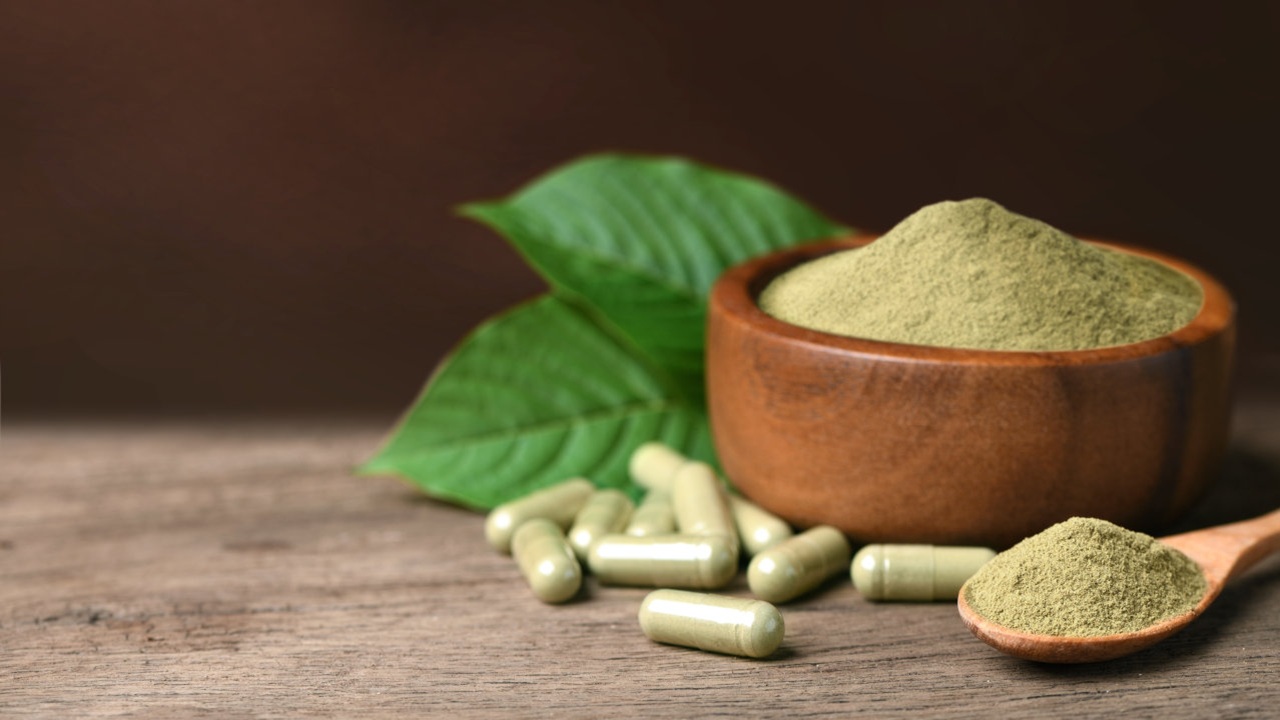
A substance once marketed as a natural remedy is drawing federal action and personal warnings from the people who used it. Current and former users described kratom and its derivatives, especially its concentrated compound 7-hydroxymitragynine, or 7-OH, as an addictive substance like opioids that upended their lives.
Their accounts line up with what regulators and researchers now document about opioid addiction risk. Side effects range from dizziness to comas tied to these products.
## Understanding Kratom & 7-OH
Kratom comes from the leaves of Mitragyna speciosa, a tree native to Southeast Asia, and has traditionally been used as a tea or chewed leaf. Its main active compounds, mitragynine and 7-OH, act as partial agonists at the brain’s mu-opioid receptors, the same receptors targeted by opioids like morphine and heroin. That’s why kratom produces pain relief and a sense of euphoria and often leads to dependence.
The bigger concern for 7-OH relates to the substance’s concentrated or semisynthetic form. According to the FDA, 7-OH binds opioid receptors and carries real potential for abuse. Preclinical data cited by federal regulators put its abuse potential in the range of Schedule I and II opioids such as fentanyl.
The CDC reported that kratom-related exposures at US poison centers rose roughly 1,200% from 2015 to record levels in 2025. That spike lines up with the arrival of high-potency, semisynthetic 7-OH products. National data show lifetime kratom use grew from about 4 million to 5 million people, meaning more people try it.
Regulators and Harm Reduction
In late 2025, the FDA warned that kratom can’t be legally sold in the United States as a drug, food additive or dietary supplement. In July 2026, the Drug Enforcement Administration issued notices of intent to temporarily place 7-OH and three related synthetic compounds into Schedule I of the Controlled Substances Act. It’s the same category as heroin.
The FDA emphasized that its action targets concentrated 7-OH products, not the traditional kratom leaf. These products are widely sold in gas stations, smoke shops, and convenience stores. At times, consumers buy kratom in candy-like formats that raise added concern for young people.
Since 7-OH acts on opioid receptors, the same overdose precautions that apply to opioids apply here. Naloxone, the overdose-reversal medication, can counter opioid effects. Authorities recommend keeping naloxone on hand for anyone at risk. Signs of opioid overdose include slowed or stopped breathing, unresponsiveness and blue-tinged lips or fingertips; call 911 immediately.
For people who develop kratom or opioid dependence, treatment works. Medication for opioid use disorder, including buprenorphine, has successfully managed kratom use disorder and ease withdrawal. Furthermore, counseling, medical support and peer recovery groups all have a place in recovery.
Narcotics Anonymous meetings offer free peer support for people addressing drug use of any kind, and they can complement medical treatment rather than compete with it.
NA Fights Opioid Addiction
If kratom or another opioid has become hard to control, take the next steps. The easiest and simplest—and free—is to find a local NA chapter. In addition, participants find that all meetings confidential, and online options exist if transportation is an obstacle.
To get started, simply call 800-934-1582(Sponsored) or browse our directory for chapters across the country.
the Take-Away