 800-861-9372
Seven generic drug manufacturers will pay Maryland more than $13 million to help fund treatment and recovery services for opioid addiction. Attorney General Anthony Brown made the announcement as the opioid crisis continued to take its toll on Marylanders. To be sure, The Chesapeake State offers an abundance of programs to fight substance misuse. Inpatient …
Drugmakers to Pay Maryland 13M in Opioid Settlement
Get Help Now 800-934-1582
 Sponsored
Sponsored
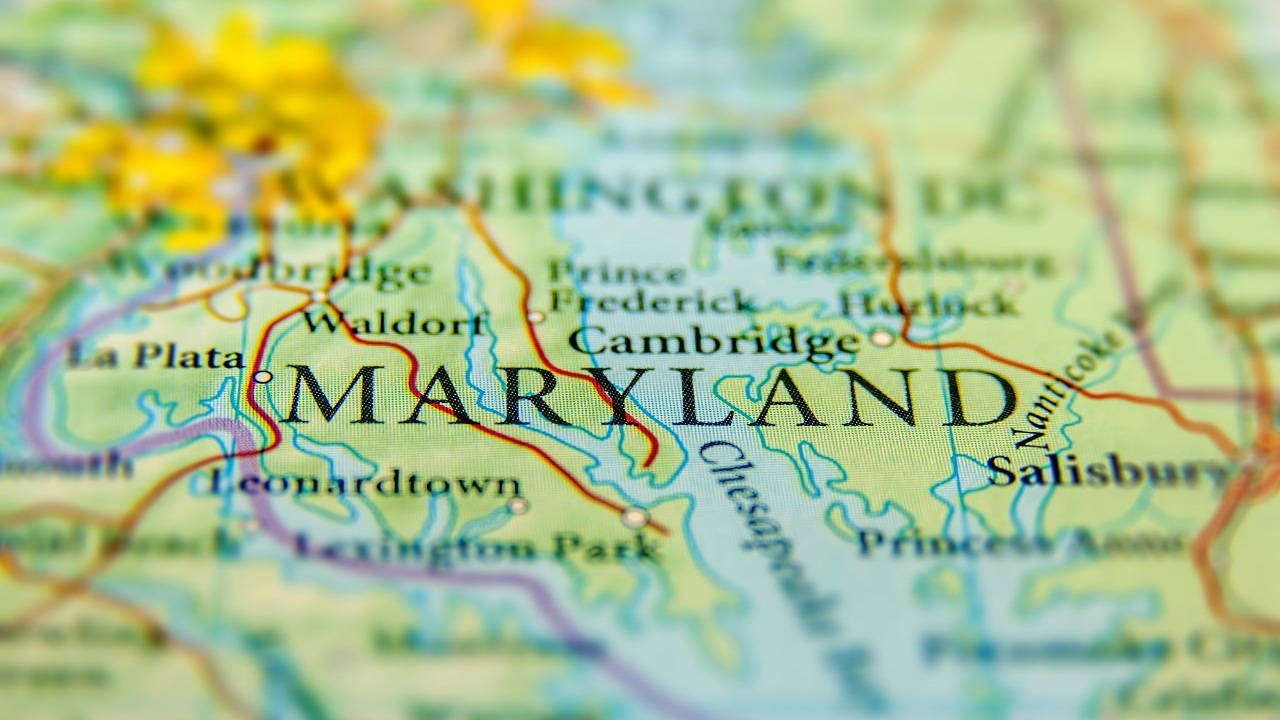
Seven generic drug manufacturers will pay Maryland more than $13 million to help fund treatment and recovery services for opioid addiction. Attorney General Anthony Brown made the announcement as the opioid crisis continued to take its toll on Marylanders.
To be sure, The Chesapeake State offers an abundance of programs to fight substance misuse. Inpatient care assists with detox while local Narcotics Anonymous groups dot the landscape. The projected settlement funds will help by adding to a growing list of legal actions holding drug companies accountable for their role in the opioid crisis.
The Opioid Crisis in Maryland
According to the complaint, the seven companies manufactured and sold generic opioids, including oxycodone, hydrocodone, and fentanyl patches, throughout the country and in Maryland, with sales dating back as early as 2005. Each company has agreed to pay Maryland the following in opioid abatement funds:
- Mylan: $5,982,176 over 10 years
- Amneal: $2,450,965 over 10 years
- Hikma: $2,065,728 in one year
- Apotex: $1,370,968 in one year
- Sun: $667,204 in one year
- Alvogen: $402,150 in one year
- Zydus: $317,892 in one year
Brown argued that many Maryland communities need resources to overcome the crisis. “These settlements will fund treatment and recovery that helps Marylanders break the cycle of addiction.” He added that the state will “require safeguards that keep the drug companies responsible for the crisis from fueling another.”
Driving the Settlement
This agreement is part of a broader wave of state-level opioid litigation targeting manufacturers, distributors, and pharmacy chains for their role in flooding communities with prescription opioids over the past two decades.
States have already apportioned settlement funds toward opioid abatement. Programs include treatment and prevention efforts and recovery support rather than general state budgets.
Treating Opioids and Overdose Risk
Opioids are a class of drugs that includes prescription painkillers as well as illicit drugs like heroin. All opioids carry a risk of dependence and overdose because they suppress breathing.
Someone experiencing an opioid overdose may become unresponsive, have slow or stopped breathing, or have blue-tinged lips or fingernails. An opioid overdose requires immediate medical action.
Naloxone, often sold as Narcan, can reverse an opioid overdose within minutes and is available without a prescription in Maryland pharmacies. Fentanyl test strips can also help folks check drugs for fentanyl contamination.
For people with opioid use disorder, medication-assisted treatment using methadone, buprenorphine, or naltrexone remains the most evidence-based path to recovery. Customized plan providers often team meds up with counseling and peer support.
NA to Help Battle Opioid Addiction in Maryland
Narcotics Anonymous meetings offer another form of peer support for people in recovery from drug addiction. While not everyone in recovery works an NA program, medication-assisted treatment and 12-step support can work together rather than against each other.
If you or someone you love struggles with opioid use, regardless of the stage in recovery, reach out. Help is standing by.
Simply dial 800-934-1582(Sponsored) to speak to an expert about finding opioid addiction treatment resources. Our browsable directory also features NA chapters throughout the nation.
the Take-Away