 800-861-9372

A dangerous new class of synthetic opioids is spreading through the illicit drug supply, and for people living with opioid addiction, the stakes just got higher. Since last fall, synthetic opioids called orphines have begun appearing in street drugs, far more potent than fentanyl and undetectable by standard toxicology tests. The Opioid Crisis by the …
Orphines Are a New Opioid Threat Stronger Than Fentanyl
Get Help Now 800-934-1582
 Sponsored
Sponsored
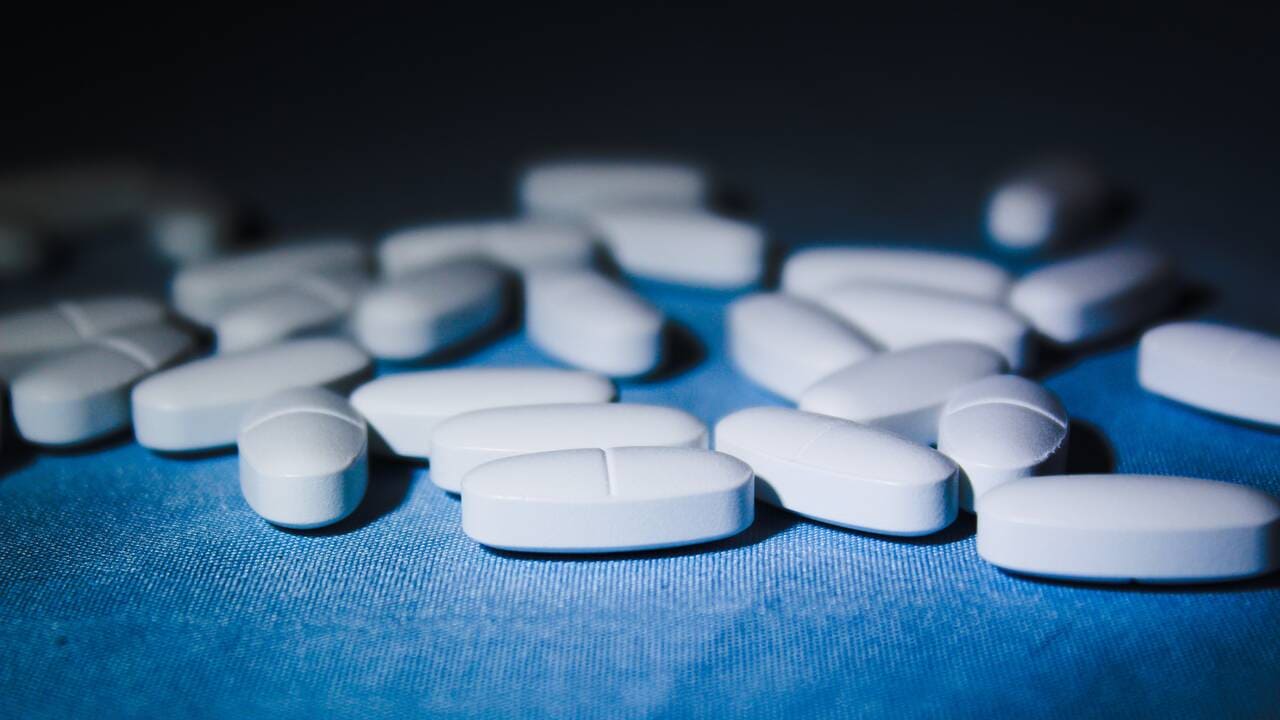
A dangerous new class of synthetic opioids is spreading through the illicit drug supply, and for people living with opioid addiction, the stakes just got higher.
Since last fall, synthetic opioids called orphines have begun appearing in street drugs, far more potent than fentanyl and undetectable by standard toxicology tests.
The Opioid Crisis by the Numbers
The opioid epidemic never stopped evolving, and orphines represent its most alarming new chapter. At least 25 fatal overdoses tested at the Center for Forensic Science Research and Education (CFSRE) involved N-propionitrile chlorphine, with most deaths occurring in late 2025 and early 2026.
In 11 of those cases, it was the only opioid found in the body. More than 100 additional toxicology cases at NMS Labs have also tentatively identified the drug.
As of last month, orphines have been confirmed in 14 states, concentrated in the South and Midwest, and law enforcement and public health officials are working urgently to assess the scope of the threat.
The human cost is already showing up in medical examiners’ offices. When a 52-year-old man was found dead in his South Knoxville, Tennessee apartment last October, the scene pointed to a drug overdose, but initial toxicology showed nothing but caffeine and nicotine.
Only after a persistent medical examiner sent his blood to two additional labs was the truth revealed: he had died after ingesting cychlorphine, an orphine compound roughly 10 times more powerful than fentanyl.
What Are Orphines and Why Are They So Dangerous
Orphines are not a brand-new invention, they have a troubling history. These compounds were originally synthesized in the 1960s as ultra-potent analgesics, then abandoned because of their extreme respiratory depression and high potential for misuse.
Decades later, they are resurfacing in the worst possible context: mixed into street drugs without the knowledge of people using them.
Like fentanyl, orphines act as potent mu-opioid receptor agonists, producing similar pharmacological effects, but many analogs carry significantly higher potency.
Most have never undergone routine animal or human clinical testing, leaving forensic toxicologists with very limited data.
The most common orphine currently circulating is cychlorphine, also called N-propionitrile chlorphine. It is typically found in counterfeit pills or as a powder, sometimes mixed with fentanyl to amplify effects.
For anyone struggling with opioid addiction or using street drugs, this is a critical warning: you may have no way of knowing orphines are present in what you are taking.
How Orphines Entered the US Drug Supply
The pathway from chemistry lab to street drug follows a now-familiar pattern. In July 2025, China imposed tighter controls on nitazenes, another class of powerful synthetic opioids that had been spreading through the drug supply.
Nitazene detections declined shortly after, but within months, orphines began appearing in the US illicit market as a replacement. Forensic analysts believe that class-wide fentanyl scheduling likely incentivized traffickers to substitute orphines in order to evade legal controls.
Each time one synthetic opioid is scheduled or restricted, another emerges, a pattern that has defined the deadliest era of opioid addiction in American history. At least six different orphine analogs have been confirmed in recent years, and new ones continue to emerge.
Fentanyl Still Dominates, But the Threat Is Multiplying
Fentanyl use remains the primary driver of opioid overdose deaths in the United States. Orphines represent a compounding danger layered on top of an already catastrophic baseline.
The concern for public health experts is that orphines are arriving unannounced, mixed into products that may test negative for known opioids, leaving first responders, coroners, and people who use drugs without any warning.
What You Need to Know About Naloxone and Orphines
Naloxone (Narcan) remains your first line of defense. While specific data on orphine reversal is still being gathered, naloxone works by blocking opioid receptors and can reverse overdose from opioid-class substances.
Because orphines are significantly more potent than fentanyl, multiple doses of naloxone may be required. If you or someone you love is struggling with opioid addiction:
- Carry naloxone and know how to use it
- Never use alone, have someone present who can respond
- Use fentanyl test strips, and understand they may not detect orphines
- Contact your local harm reduction organization for updated drug checking resources
Opioid Treatment and Finding Help
A new threat in the drug supply makes opioid addiction treatment more urgent than ever, not more hopeless. Medications like buprenorphine and methadone remain highly effective at reducing opioid use and overdose risk.
You can search Narcotics.com’s listing of Narcotics Anonymous meetings to start receiving peer support. Call 800-934-1582(Sponsored) to begin your recovery journey.
the Take-Away