 800-861-9372

Federal health officials at the NIH have taken an unprecedented step in the fight against opioid addiction by approving the first human clinical trial of kratom as a potential treatment approach. The move has sparked both cautious optimism and pointed concern among addiction medicine specialists, harm reduction advocates and those in recovery. The NIH Trial …
NIH Studies Kratom for Opioid Addiction Despite Safety Concerns
Get Help Now 800-934-1582
 Sponsored
Sponsored
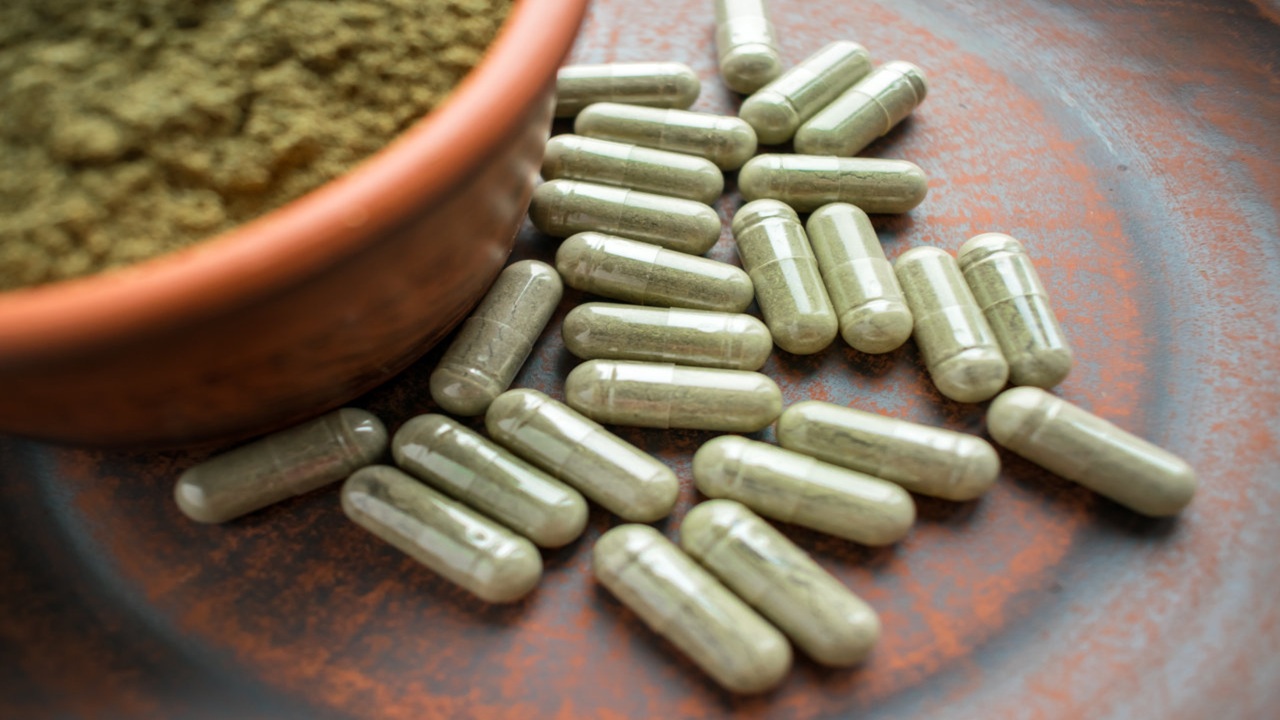
Federal health officials at the NIH have taken an unprecedented step in the fight against opioid addiction by approving the first human clinical trial of kratom as a potential treatment approach. The move has sparked both cautious optimism and pointed concern among addiction medicine specialists, harm reduction advocates and those in recovery.
The NIH Trial
The National Institutes of Health announced that its Investigational New Drug (IND) application for mitragynine, the primary compound found in kratom, has been approved by the U.S. Food and Drug Administration. The IND paves the way for a clinical trial to evaluate mitragynine as a potential approach for opioid use disorder.
Researchers at NIH and the University of Florida developed a purified formulation of mitragynine to be used in the trial. They plan to test a purified sample of mitragynine on 32 healthy volunteers with recent histories of opioid use.
Importantly, the trial’s main goal is to test the safety and tolerability of mitragynine, not to see if it’s a cure. This is an early-stage safety study, not a proven therapy. Anyone currently with a narcotic addiction should not attempt to self-medicate with kratom products based on this announcement and should know the risks of using kratom in the first place.
The Opioid Crisis Context
Dr. Nora Volkow, director of NIH’s National Institute on Drug Abuse, called the clinical trial a major milestone and “a major step toward expanding treatment options.”
The urgency for the IND is real. Fentanyl-driven overdose deaths continue to devastate communities across the country, and existing medication-assisted treatment options are effective, but remain inaccessible for millions. Researchers are actively searching for new tools to expand the treatment toolkit for opioid addiction.
While kratom also interacts with opioid receptors, its potential is driven by the body’s slow conversion of mitragynine. Preclinical studies demonstrated that mitragynine administration across several doses didn’t raise significant safety concerns in animal models, which leads researchers to human testing.
Kratom Advocates Weigh In
The American Kratom Association called the NIH decision a turning point. Many critics have long regarded the natural kratom leaves as public health threats, noted Mac Haddow, Senior Fellow on Public Policy for the American Kratom Association. But the NIH’s move showed that “federal scientists believe the available evidence justifies studying kratom’s potential role” to combat “one of the most devastating public health crises in America.”
Advocates point to centuries of traditional medicines used in Southeast Asia and argue that a natural plant compound with partial opioid receptor activity may carry a lower risk profile than full opioids currently driving the fentanyl crisis.
Concerns From Researchers and Clinicians
But some serious questions remain unanswered.
In 2022, the NIH warned that nearly a third of kratom users had “kratom use disorder,” such as increased use, tolerance, withdrawal symptoms and cravings. Nearly 10% had “psychosocial impairments” that caused them to miss social, work or recreational activities.
Some experts worry about kratom’s addictive potential because the main kratom compounds partially activate the same receptors in the brain that opioids do. However, researchers have observed that the way kratom compounds activate these receptors may reduce the potential for addiction relative to opioids.
Separately, research has flagged product safety concerns. The FDA and CDC have raised concerns regarding the contamination of some kratom products with toxic metals and microbes such as Salmonella. The NIH trial uses a specially purified laboratory version, not the commercially available kratom sold at gas stations and online retailers, which vary widely in alkaloid content and quality.
There’s also the regulatory gap to consider. Kratom still falls under the Controlled Substances Act. The FDA hasn’t approved kratom at all, and uses Import Alert 54-15 to seize shipments at the border. The DEA tried to schedule kratom as Schedule I in 2016 but withdrew the proposal after public backlash. It now lists kratom as a “drug of concern.”
Opioid Addiction Treatment Now
For people currently battling heroin addiction, fentanyl dependency or prescription opioid abuse, this trial doesn’t change what is available today. Proven, FDA-approved treatments for opioid use disorder include:
- Medication-Assisted Treatment (MAT): Buprenorphine (Suboxone), methadone, and naltrexone (Vivitrol) remain the gold standard for opioid addiction treatment and are available now through licensed providers.
- Naloxone (Narcan): Every person at risk for opioid overdose should have naloxone on hand. Folks can pick it up without prescriptions at most pharmacies.
- Harm Reduction Resources: Ask your local pharmacy for naloxone. Many health departments also distribute fentanyl test strips and naloxone at no cost.
- Narcotics Anonymous: NA meetings provide peer support, accountability, and community for people in recovery from narcotic addiction. Most meetings are free and open to all.
If you or someone you love has an opioid addiction or narcotic addiction, support is available right now. It’s as simple as dropping by a local NA meeting. Support groups demonstrate that you’re not alone, and that others have your back for whatever steps you take for a better health.
Dial 800-934-1582(Sponsored) or use our NA meeting locator to find Narcotics Anonymous meetings anywhere in the country.
the Take-Away