 800-861-9372

A major new analysis is reshaping how doctors and patients think about opioids for long-term pain, and the findings matter for anyone worried about opioid addiction. One of the most comprehensive assessments to date concluded that for many common conditions, opioids may not actually help and often provide no meaningful benefit over a placebo. However, …
Study Finds Opioids May Not Ease Long-Term Pain
Get Help Now 800-934-1582
 Sponsored
Sponsored
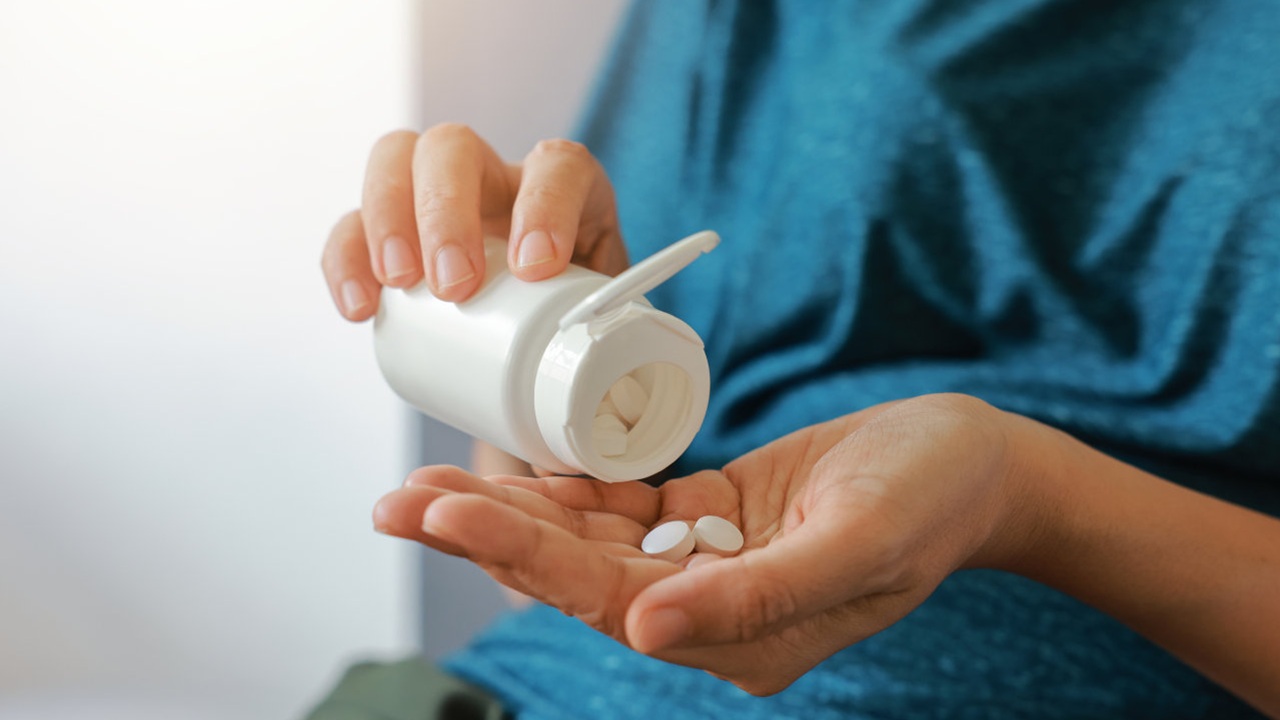
A major new analysis is reshaping how doctors and patients think about opioids for long-term pain, and the findings matter for anyone worried about opioid addiction. One of the most comprehensive assessments to date concluded that for many common conditions, opioids may not actually help and often provide no meaningful benefit over a placebo. However, they still carry a real risk of dependence that can begin after just a short period of use.
Researchers at the University of Sydney led the study. The team pulled together evidence from 59 systematic reviews covering more than 50 acute pain conditions in children and adults, looking at common medications such as codeine, morphine, oxycodone and tramadol.
The Study’s Findings
The analysis concluded that opioids didn’t provide large or lasting pain relief compared with placebo for the vast majority of acute and chronic pain conditions. In fact, relief typically lasted only a few hours. For acute musculoskeletal pain, a common reason opioids are prescribed, oral opioids performed only slightly better than placebo in the 6-48 hours after starting treatment.
For several other conditions, opioids offered no advantage over placebo at all, including some limb surgeries, kidney stone pain, and pain after tonsil removal. They did provide modest short-term relief for certain conditions such as stomach pain, dental surgery pain and traumatic limb injuries.
“By showing that the benefits are generally small, short-lived, absent for many common conditions, and sometimes harmful, our research challenges the widely held belief that opioids are the most effective go-to option for acute pain,” reported author Christina Abdel Shaheed.
Undercutting the Opioid Crisis’s Roots
The findings land in the middle of an ongoing opioid crisis largely driven by fentanyl and other synthetic opioids. If opioids often don’t deliver the pain relief patients and prescribers expect, then cutting unnecessary prescriptions and opting for non-opioid medications becomes an even clearer way to reduce the number of people who develop opioid use disorder in the first place.
That matters because the risks of regular use are serious. They include tolerance, dependence, overdose and hospitalization, and death. The analysis also found that opioids increased the risk of side effects like nausea and vomiting for several conditions.
Dependence Can Develop Quickly
One crucial takeaway is how fast dependence takes hold. “Persistent use of opioid medicines can develop quickly following first-time use,” relayed co-author Dr. Stephanie Mathieson. She added that abuse “may arise from regular use for acute pain.”
Mathieson urged that patients be informed about the potential harms of opioids and that doctors prescribe them judiciously. This means the lowest effective dose for the shortest time. Opioids have their place, but the decision to prescribe deserves real caution, especially when the expected benefit may be limited.
Treatment Options
For those who do take opioids and remain at risk of an addiction, remember that you can treat opioid use disorder.
- For instance, naloxone (Narcan) can reverse an opioid overdose if given in time and is increasingly available without a prescription.
- Medication-assisted treatment is strongly supported by evidence and can be combined with counseling and peer support.
- Narcotics Anonymous (NA) is among the easiest steps anyone can take. NA offers free, community-based meetings where people in recovery support one another, and many people use NA alongside medication and professional treatment rather than choosing one over the other.
NA in Every Community
Getting started is simple. You can find NA meetings in almost any community. Options include in-person, online, and those in different languages or cultural foci.
Simply call 800-934-1582(Sponsored) to chat with an expert and connect with opioid treatment programs in your area. Or, browse our directory for community NA chapters anywhere in the USA.
the Take-Away