 800-861-9372

New neuroscience research is sharpening what addiction specialists already understood about opioid addiction and drug dependence more broadly. Not all opioids carry the same addiction risk. Heroin and cocaine remain more addictive than other opioids in terms of their grip on the brain’s memory and reward circuitry, even though opioids overall remain the deadliest class …
Study Finds Heroin and Cocaine More Addictive Than Opioids
Get Help Now 800-934-1582
 Sponsored
Sponsored
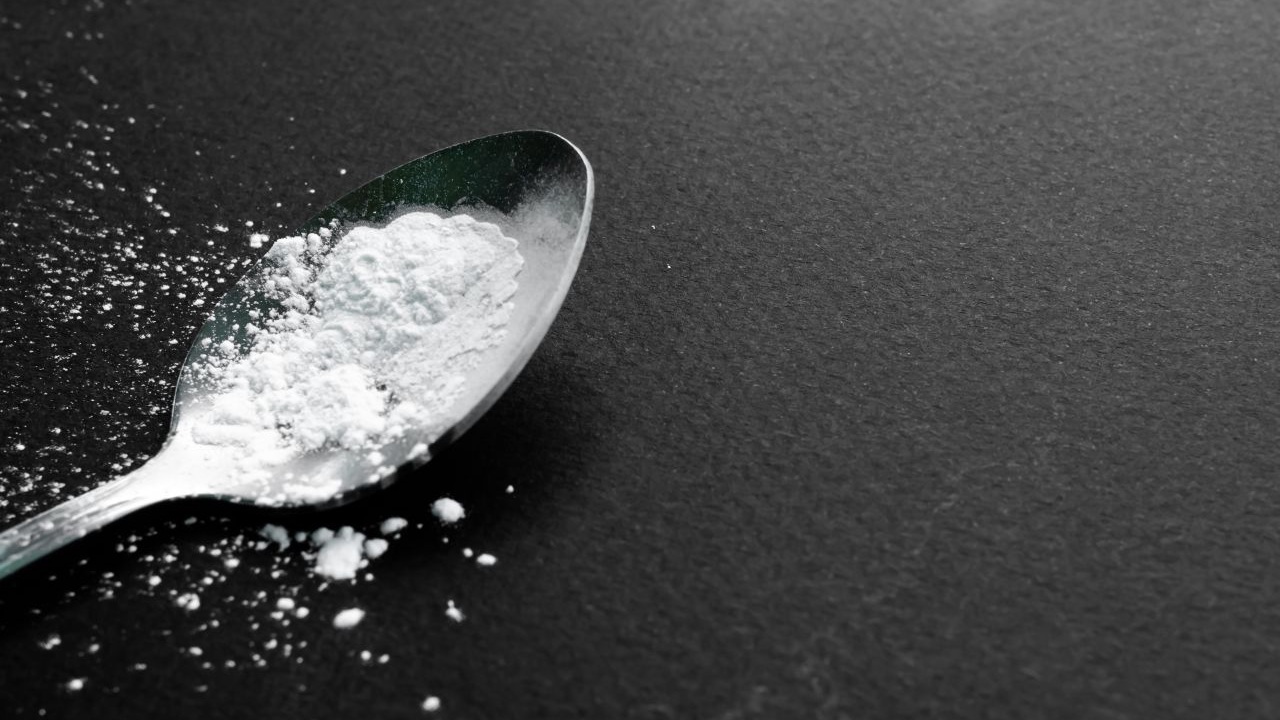
New neuroscience research is sharpening what addiction specialists already understood about opioid addiction and drug dependence more broadly. Not all opioids carry the same addiction risk. Heroin and cocaine remain more addictive than other opioids in terms of their grip on the brain’s memory and reward circuitry, even though opioids overall remain the deadliest class of drugs due to overdose risk.
For people living with opioid addiction or supporting loved ones who’re battling addiction, the findings help explain why relapse can happen even after long periods of sobriety and how treatment must address the brain, not just willpower.
Opioid Crisis Continues
Addiction psychiatrist Dr. Mark Golda and his team ranked illegal drugs specifically by addiction liability. They found that heroin placed highest among all of them, including other opioids, with cocaine and methamphetamine close behind.
Separately, when researchers looked at overall harm, including toxicity, mental impairment, and harm to others, alcohol ranked as the most harmful legal drug, while heroin and cocaine ranked highest among illegal drugs for harm to individuals. Opioids as a class remain the drugs most likely to cause immediate death through overdose, even when specific opioids like heroin don’t top every ranking category.
Persistent Cravings and Relapse
It all comes down to molecular biology to explain why cravings persist for months or years after someone quits drugs. A transcription factor called ΔFosB accumulates in the brain with repeated drug exposure and can persist for weeks, unlike most gene regulators that clear within hours.
This buildup isn’t unique to any single drug. In fact, a shared molecular signature across many addictive substances, including opioids, reshape the brain’s memory and reward circuitry in ways that make certain environmental cues, a place, a person, a smell, capable of triggering intense cravings long after physical withdrawal has ended.
Researchers point out that cravings aren’t just about willpower or personal weakness. Substance use disorder is increasingly understood as a chronic brain disease driven by pathological changes in neural circuitry, not moral failings. Even survivors of opioid overdose remain at elevated risk of dying in the year that follows should they relapse, a sobering reminder that overdose alone doesn’t always motivate a change in drug use.
Options for Opioids and Overdose Risk
Heroin’s particularly high addiction liability compared to other opioids doesn’t make prescription opioids safe by comparison. To be clear, all opioids carry real dependence and overdose risk.
Naloxone, often sold as Narcan, can reverse an opioid overdose in progress. Naloxone remains among the most important tools available for preventing opioid deaths regardless of which opioid is involved.
Since relapse ties in with durable brain changes rather than a lack of willpower, harm reduction and medication-assisted treatment both play a critical role in recovery from opioid addiction. Prescriptions like buprenorphine and methadone help stabilize brain chemistry disrupted by chronic opioid use, giving people a more manageable path toward recovery.
Peer support also plays an important role for many people recovering from opioid and other drug addictions. Narcotics Anonymous meetings offer a place to connect with others who understand the day-to-day reality of staying in recovery.
NA Still a Top Option to Fight Opioid Addiction
If you or someone you love struggles with opioid addiction, help is available regardless of how long the addiction has lasted or how many times a previous attempt at quitting has not worked out.
Some folks find their first NA meeting overwhelming, but they quickly realize that they’re among colleagues who understand their experiences and don’t judge. Meetings are free, confidential and form fellowship that lasts a lifetime.
Get started. You can call 800-934-1582(Sponsored) to speak with an expert or browse our directory for chapters located anywhere in the U.S.
the Take-Away