 800-861-9372

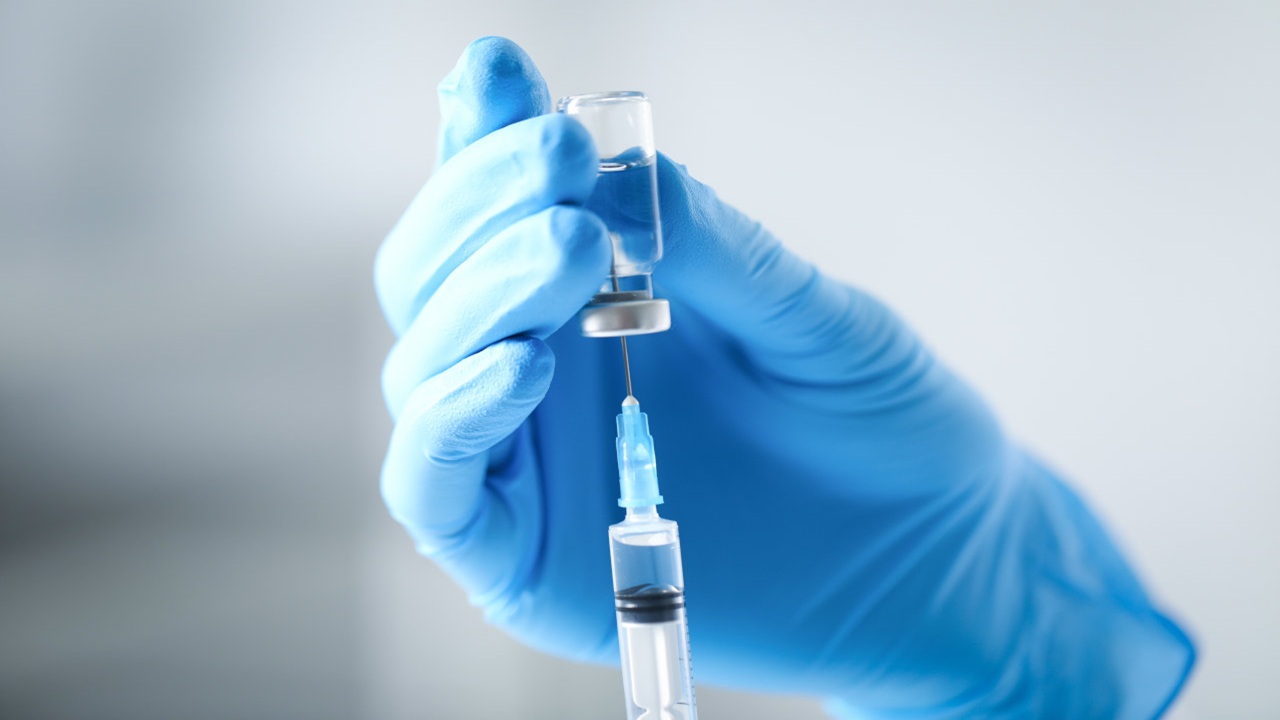
A new experimental fentanyl vaccine could change how Americans fight their deadliest drug crisis by stopping opioid overdoses. Instead of treating an overdose after it happens, they can potentially stop the drug from ever reaching the brain. For the millions living with opioid addiction, and the families devastated by it, this study by the Scripps Research Institute represents a striking shift in the science of overdose prevention.
The experimental vaccine doesn’t just target fentanyl itself. It trains the immune system to recognize a broad range of fentanyl-related designer drugs, including some of the most dangerous variants driving opioid overdose deaths today.
The Opioid Crisis
Fentanyl is the leading driver of opioid overdose deaths in the United States, found in counterfeit pills, heroin, and stimulants alike. Each year, fentanyl and related opioids take more lives than those lost to car crashes and gun violence combined. High doses disrupt normal brain function and suppress breathing, often leading to death.
The scale of fentanyl’s role in the opioid epidemic can’t be overstated. It now contaminates the illicit drug supply at every level, and when mixed with other drugs, can expose people to doses potent enough to kill within minutes.
The Fentanyl Vaccine
Rather than treating an overdose, as with most harm reduction methods, the team at Scripps Research developed a way to stop fentanyl from ever getting to the brain in the first place. Their findings indicate the vaccine may provide protection not only against fentanyl and a wide range of modified fentanyl “designer drugs” designed to increase potency or help manufacturers evade detection and regulation.
The approach inverts the conventional logic of vaccine design. Most vaccine candidates rely on the drug itself to train the immune response. That creates two problems: the drugs are heavily regulated, making research difficult. The immune response also tends to be highly specific, potentially missing new variants.
Senior author Kim Janda described the main challenge. Black-market drug makers constantly devise new versions to avoid regulations and detection. That means, clinicians “need countermeasures that are going to work against all these future variants at once, not just one at a time.”
Broad Protection Against Fentanyl Variants
When used against multiple designer drugs, the vaccine demonstrated a broad level of protection. The antibodies identified fentanyl as well as several variants like carfentanil, China White, acetylfentanyl and furanylfentanyl. At the same time, antibodies left commonly used medical opioids such as morphine and oxycodone unaffected.
Scientists also observed the protective effects in animal testing. Mice that received the vaccine maintained normal breathing after receiving fentanyl doses that typically cause severe respiratory depression. Fentanyl levels in the brains of vaccinated mice were approximately 70% lower than in unvaccinated mice.
For Opioid Addiction Treatment
The vaccine is still years from clinical use in humans. But its potential applications in opioid addiction treatment are significant. Researchers believe it can eventually protect folks enrolled in drug recovery programs and others like first responders who face a high risk of fentanyl exposure.
Even so, people living with narcotic addiction and opioid use disorder need effective tools today. While a vaccine may become part of the future treatment landscape, the following resources are available right now.
- Naloxone (brand name Narcan) is the opioid overdose reversal medication that can save a life within minutes. It must be administered rapidly, which is why expanded access remains critical. Naloxone is available without a prescription at most pharmacies and through community harm reduction programs. For anyone at risk of opioid overdose, carrying naloxone is one of the most important steps you can take.
- Medication-assisted treatment (MAT) remains a preferred option for opioid addiction treatment. Combined with peer support, counseling, and Narcotics Anonymous (NA) meetings, MAT has helped countless people build lasting recovery.
Finding Help for Opioid Addiction
Don’t wait for the vaccine. Start finding help now. Local NA chapters offer free, peer-led meetings for folks with narcotic addiction and opioid abuse. Local meetings are available in person and online, every day of the week. Fellowship fosters when connecting with others in your community, and NA groups often stay together for the long haul.
Simply dial 800-934-1582(Sponsored) to speak with a specialist, or look through our browser for meetings anywhere in the country.

The opioid crisis continues to drive overdose deaths nationwide, and one of the largest correctional systems in the country is responding with a major harm-reduction push. The California Department of Corrections and Rehabilitation (CDCR) has rolled out one of the nation’s most extensive naloxone distribution programs to reverse overdoses among incarcerated people and those reentering their communities.
As the most populous state in the USA, California features an extensive network of substance abuse programs, starting with local Narcotics Anonymous chapters. But for those incarcerated, extra support is often required. That’s where naloxone distribution comes in.
Naloxone, often known by the brand name Narcan, is a medication that rapidly reverses an opioid overdose by blocking the effects of opioids on the brain. CDCR’s goal is to dramatically expand access at an unprecedented scale to naloxone to decrease overdose deaths in the state’s prisons.
Opioids in the Golden State
The scale of the program reflects just how central naloxone has become to addressing narcotic addiction behind bars and after release. Between 2019 and 2024, CDCR documented more than 7,000 overdose reversals inside prisons, with thousands more expected to add to the tally once 2025 figures are finalized.
The numbers around release planning are even more striking. Since 2020, CDCR has distributed more than 114,000 naloxone kits at the point of release, and over 95% of people leaving custody now receive overdose education along with a kit. In 2025 alone, statewide installation of self-service naloxone dispensers was completed, even through public transportation, and 286,061 kits were distributed.
Staff response to overdoses has also surged. Naloxone administrations by health care staff have increased by roughly 2,000%, while administrations by custody staff jumped by 4,147% since the program began.
Driving the Change
Much of this expansion is happening against the backdrop of a national overdose landscape increasingly shaped by synthetic opioids like fentanyl. Officials often find these drugs mixed together, which has transformed the overdose landscape, both inside correctional facilities and in communities nationwide. Even small amounts of fentanyl can cause a fatal overdose, which is part of why CDCR’s harm reduction strategy treats naloxone access as a baseline safety measure rather than an exception.
CDCR officials describe the expansion effort as part of a systemwide harm-reduction framework. They plan to pair rapid overdose response and broad naloxone access with the program’s medication-assisted treatment (MAT) services.
Deputy Director of Nursing Services Barbara Barney-Knox emphasized the life-saving role naloxone plays in connecting people to longer-term care. She noted nursing staff understand that naloxone access saves lives and preserves the opportunity for life-changing treatment. CDCR leads the way among state correctional systems by making the medication readily available to both staff and incarcerated individuals when it matters most.
Perhaps the most notable policy detail is that while other state prisons also use naloxone, CDCR remains the only state prison system in the country that allows incarcerated individuals to carry naloxone with them, enabling faster peer response when an overdose occurs.
Harm Reduction & Treatment for Opioid Addiction
Naloxone doesn’t treat opioid use disorder itself but can be the difference between life and death during an overdose, buying time for emergency care.
CDCR’s approach reflects a broader trend in addiction medicine: pairing naloxone availability with MAT and peer support. National data show that MAT reduces all-cause mortality among people with opioid use disorder by up to 85% and lowers overdose death risk by 75% after release from incarceration.
CDCR officials note that overdose risk remains especially high for people leaving custody, which is why combining naloxone with treatment infrastructure matters so much for reentry safety. Peer recovery, including Narcotics Anonymous meetings, plays a critical role for people navigating any type of drug dependence during and after reentry.
Help for Opioid Addiction
If you or someone you love has a narcotic addiction or opioid abuse, you can get help either inside and outside the criminal justice system.
- MAT includes methadone, buprenorphine, and naltrexone. When combined with counseling, MAT lowers cravings and relapse rates.
- Naloxone (Narcan) is available without a prescription at most pharmacies in many states, and many community health departments distribute it for free along with fentanyl test strips.
- Narcotics Anonymous meetings offer free and peer-led groups for folks recovering from opioid dependence.
Signing up for NA is super simple. Call 800-934-1582(Sponsored) to speak with an expert for details or look through our directory for chapters anywhere in the country.

For the Cherokee Nation, healing from opioid addiction means more than detox and medication. It means bringing culture back into the room. A new tribally owned treatment center opening in Tahlequah, Oklahoma, will be the first of its kind for the nation’s largest federally recognized tribe, funded by settlement money won from the companies that helped fuel the overdose crisis.
Oklahoma boasts a large population of Native American peoples, each with their distinct culture. The wide range of diversity in The Sooner State also means strong tightly-knit communities to combat substance misuse, from local Narcotics Anonymous chapters to modern inpatient facilities. The Tahlequah facility adds one more resource for local residents.
Reclaiming Culture Became Central to Opioid Addiction Treatment
Juli Skinner, senior director of the Cherokee Nation’s behavioral health center and a citizen of the Ponca Tribe of Oklahoma, has described culture as a powerful protective factor in recovery. For many, traditional healing practices have been absent from inpatient treatment options available to tribal citizens for far too long.
The tribe’s approach starts from a hard truth. Opioid addiction rarely exists on its own. For Cherokee citizens, it’s tangled up with historical trauma, loss of language and the historical forced displacement of the Cherokee from their southeastern homelands. Standard clinical treatment rarely takes that context in mind.
The new 45,000-square-foot facility weaves centuries-old traditions into recovery. Featured amenities include traditional games of stickball and a garden to grow selu — corn — a sacred traditional food. The building faces east for each sunrise. A sweat lodge is a short drive away. Cherokee language experts are finalizing the center’s name, and elders and community members shaped its layout through listening sessions.
The facility will have 100 inpatient beds, an outpatient hub with follow-up support, and zero cost to Cherokee Nation citizens. It’s the first treatment center the tribe has fully owned and operated itself.
The Opioid Crisis Hits Hard
The Cherokee Nation was the first tribal nation in the U.S. to sue opioid manufacturers, filing suit in 2017. The decision was deliberate. Principal Chief Chuck Hoskin Jr. said tribal leaders didn’t want to repeat the experience of the tobacco litigation of the late 1990s, when the tribe was left on the sidelines.
The tribe received $150 million via settlements with opioid manufacturers. States now reinvest the money directly into the community the epidemic devastated. That litigation was part of a broader national reckoning that the opioid crisis has led to more than 900,000 deaths in the U.S. since 1999.
The toll inside Cherokee territory has been staggering. In the 14 counties that make up Cherokee Nation, more than 1,000 folks died from 2020 to 2024. Many fatalities took place in rural areas throughout Oklahoma where Cherokee language and tradition remain strongest, compounding the cultural loss.
Fentanyl’s Role in Native American Overdose Deaths
The opioid epidemic moved in three waves: prescription pain pills first, then heroin, and since the 2010s, fentanyl and other synthetic opioids. The opioid-related death rate for Native Americans especially took off during the COVID pandemic. Currently, fentanyl and polysubstance blends dominate the illicit drug supply and are responsible for the majority of overdose deaths nationally.
While naloxone (Narcan) remains the frontline life-saving intervention by reversing an opioid overdose within minutes when administered in time, it’s limited. One Cherokee Nation citizen running a small business in Stilwell placed free Narcan outside her storefront and found herself restocking it nearly every day.
Recovery When Culture Leads
Hoskin framed the new treatment center as more than a health facility. He described the investment in behavioral health as part of an existential effort tied directly to Cherokee lifeways and identity. For many leaders, the center will help pass traditions down to future generations.
The tribe is building a full continuum of care. No matter where someone is in their recovery, doors and pathways are open for them. That includes residential and intensive outpatient care at three locations on the reservation and structured support after discharge. After all, returning home to an environment with active narcotic addiction is one of the hardest parts of sustained recovery.
For families touched by opioid abuse across generations, that continuity matters deeply. One Cherokee citizen in Stilwell, whose mother and brother both died from substance abuse, reflected that the new facility could have changed their outcomes. The opportunity it offers future community members is enormous.
OK in OKlahoma with Treatment Options
That doesn’t mean the center won’t feature standard clinical care. Treatment options include medication-assisted treatment, behavioral therapy, and peer recovery support.
Don’t forget: NA meetings remain a critical offer peer-led recovery support throughout Oklahoma and its surrounding communities. Meetings are free, open to everyone and very confidential. Online options are available to make peer recovery more convenient.
Getting started is simple. Just dial 800-934-1582(Sponsored) or browse our directory for meeting locations anywhere in the country.
Nearly $1 billion in funds is meant to fight opioid addiction in Oklahoma is flowing mostly to cities, and now state lawmakers and officials want to step in to make sure rural communities battling the overdose epidemic stop getting left behind.
Oklahoma’s urban population has a wide selection of opioid treatment programs, ranging from inpatient care to walk-in clinics. Local Narcotics Anonymous chapters dot the landscape. Rural regions of the Sooner State also have access to programs, but some vulnerable residents face logistical barriers like transportation and access to specific programs.
The Opioid Crisis in OK
Legal settlements with opioid manufacturers and distributors have allocated $1 billion to Oklahoma. But two years into distributing those dollars, a troubling pattern has emerged. The money is concentrated in urban centers while rural areas where opioid addiction and overdose deaths are often most severe struggle to compete for grants.
Of the $30 million awarded so far, almost a third went to Tulsa and Oklahoma City metro areas. The figure increases to 38% when cities with more than 25,000 residents are included. A total of 129 grants ranging up to $1 million have been awarded.
Urban school districts account for almost 40% of grantees and have obtained 23% of the funds allocated by the statel. Schools tend to perform well in the grant process due to dedicated staff with experience navigating state and federal funding applications. It’s an advantage most rural counties simply don’t have.
Rural Oklahoma is Locked Out
The gap isn’t about need. It’s about capacity.
Rural areas are at a disadvantage because they often lack experienced grant writers capable of producing sophisticated proposals, the community partnerships that applications require, and even the local data to demonstrate how deep the opioid crisis runs in their area.
“We found, especially in our first round of funding, the reach was not as far as we had hoped that it could have been because of the lack of capacity and lack of resources,” noted Jill Nichols, opioid response and grants coordinator for Attorney General Gentner Drummond’s office.
This matters enormously for people with opioid addiction in small communities, where treatment options, naloxone access, and in-person NA meetings are already scarce compared to urban areas.
Fixing Opioid Funding Gaps
The state aims to level the playing field. Oklahoma contracted with grant writers to assist rural areas with this year’s application cycle, which closed April 1. The move resulted in roughly 10 new submissions from communities that may not have applied otherwise.
That’s just the beginning. Officials have started plans to place four grant support staff across the state. These staff members help rural communities write grants, identify local needs, coordinate task forces, connect with local support groups and manage program implementation and reporting.
Board member Terry Simonson relayed that top funding tiers are based on population rather than need. This structural flaw disadvantages the communities with the most severe opioid addiction crisis. “The need in a rural area may require more investment than the maximum allowed,” he observed.
Tulsa City Councilor Carol Bush sits on the Opioid Abatement Board and puts it plainly. “Let’s keep in mind that if you are a community of 900 and save two lives, that is a huge win.”
Naloxone and Treatment are Top Funding Priorities
The top-funded project categories under the state program include school-based prevention programs, harm reduction training, and supported housing for folks affected by opioid addiction.
Naloxone, most commonly known by the brand name Narcan, can quickly reverse opioid overdoses. Broader access to naloxone in rural areas could directly save lives while systemic gaps in opioid treatment remain.
Opioids and Why Fentanyl Make This Worse
Opioids comprise a class of drugs including prescription painkillers, heroin, and illicit fentanyl. They bind to receptors in the brain to reduce pain but carry a high risk of dependence and fatal overdose. Fentanyl now drives the majority of overdose deaths nationwide, and authorities have increasingly found it in rural drug supplies where communities lack recovery resources.
For someone coping with opioid addiction in a small Oklahoma town, the absence of local treatment options, naloxone distribution sites, and NA meetings doesn’t just make recovery inconvenient. Due to the lack of assistance, folks who need help most often meet fatal ends.
Finding Help for Opioid Addiction in Oklahoma
If you or someone you love has an opioid addiction, options exist right now. It doesn’t matter where you live.
Narcotics Anonymous holds meetings across Oklahoma, including rural areas. So do other states across the nation. Simply dial 800-934-1582(Sponsored) to speak to an expert no matter your location or browse our listings for chapters anywhere in the United States.
Iowa officials are stepping up the fight against opioid addiction with a new round of competitive funding totaling $10 million. The grants target various treatment gaps and recovery barriers that have left too many Iowans without help.
Iowa already has a wide range of treatment options for residents of all ages and backgrounds. The Hawkeye State features residential centers and outpatient clinics, in addition to local Narcotics Anonymous chapters and community resources. But more help is needed. For the thousands of people and families living through the opioid crisis in this state, the announcement signals more resources may soon be within reach.
Iowa’s Opioid Crisis
Iowa’s Department of Health and Human Services is leading the new funding initiative, distributing dollars through a competitive application process. Individual projects can receive up to $1 million, with $10 million available in each funding round.
The money has a clear origin in pharmaceutical accountability. Funding is tied in part to the national settlement involving Purdue Pharma and the Sackler family, through which Iowa is set to receive $37.8 million over time. State law requires that a significant portion of those dollars go directly toward opioid prevention, treatment, and recovery.
Earlier distributions have already directed millions to programs across the state, including naloxone expansion, and this new round is intended to build on that foundation.
The New Iowa Opioid Funding Push
The opioid epidemic has not spared Iowans. Synthetic drugs like fentanyl have transformed the risk profile of opioid abuse nationwide, making overdoses more sudden and more deadly. Heroin addiction, long a driver of the crisis, increasingly involves fentanyl contamination, which has made recovery challenging.
Funded programs will be expected to expand access to medications used to treat opioid addiction and increase availability of overdose-reversal drugs. That language points directly to medications for opioid use disorder like buprenorphine and methadone, and to wider naloxone distribution to reverse overdoses.
State leaders noted that local advisory councils have helped shape the program, with feedback on region-specific challenges allowing the state to better tailor funding priorities. Officials noted that rural access remains one of the most persistent inequities in opioid addiction care so that all folks have access to clinical care.
Fentanyl’s Role in Iowa Overdose Deaths
Opioids make up a class of drugs that include fentanyl and prescription painkillers like oxycodone. They bind to receptors in the brain to produce pain relief and euphoria but also physical dependence. Opioid use disorder is a medical condition, not a moral failing, and evidence-based treatments exist.
Fentanyl is a synthetic opioid and remains the main culprit behind the majority of overdose deaths across the United States. Its presence in the illicit drug supply means people with any narcotic addiction face dramatically elevated overdose risk. Even a dose the size of a few grains of salt can be lethal.
The new grants require applicants to focus on identifying needs in affected communities, expanding access to proven treatment methods, and improving coordination among local service providers. The approach acknowledges that fentanyl and the broader opioid crisis require system-level responses, not just individual interventions.
Treatment Options
If you or someone you love is struggling with opioid addiction or narcotic addiction, these are the core options available:
- Medication-assisted treatment (MAT): FDA-approved medications reduce cravings and withdrawal to dramatically lower the risk of relapse and overdose death.
- Naloxone access: Iowa community organizations and many pharmacies carry naloxone without a prescription. Carry it and learn how to saves lives.
- Narcotics Anonymous (NA) meetings: NA meetings provide free, peer-based support for anyone dealing with narcotic addiction or opioid abuse. Meetings are available across Iowa — from Des Moines to Cedar Rapids to smaller rural communities.
Expanding treatment access and strengthening recovery support remain central goals of the Iowa initiative. Peer support through NA meetings remains a central complement to clinical treatment, whether in rural or urban location, or even online.
Enrolling in NA is often the first step toward recovery. Meet peers in your area and build fellowship around long-lasting recovery. Calling 800-934-1582(Sponsored) or browsing our directory for NA chapters across the nation today.
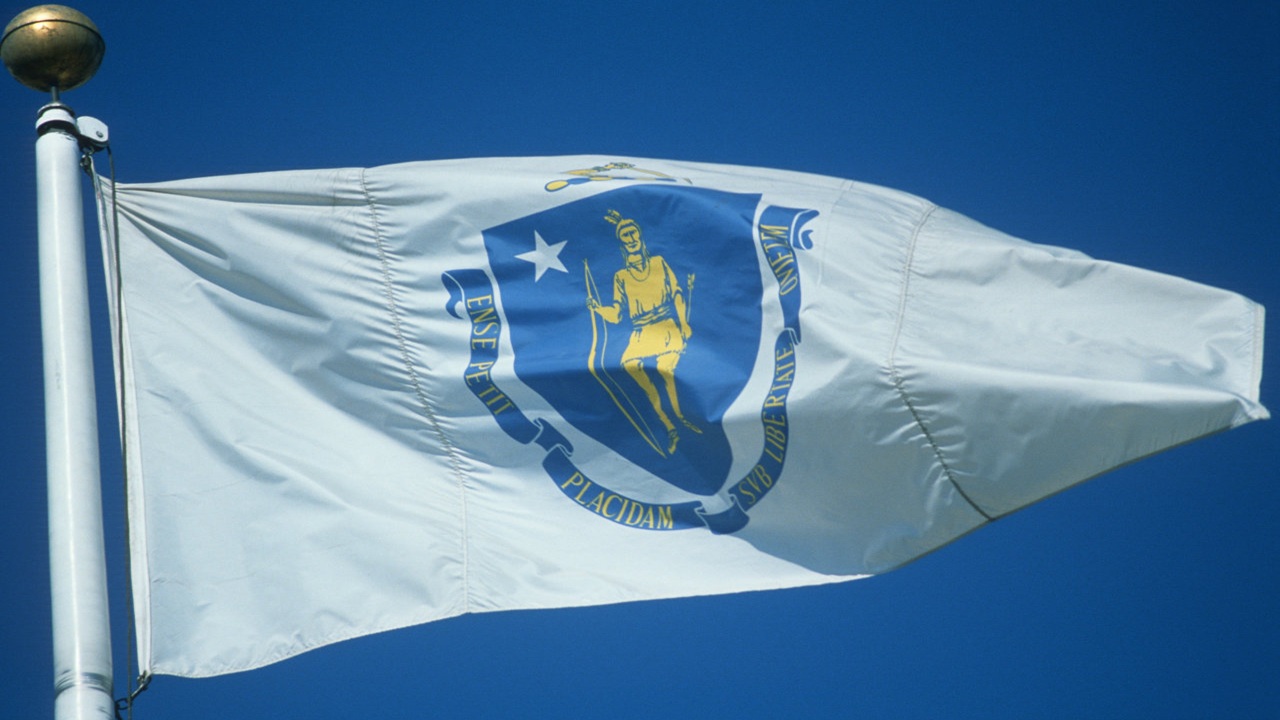
Massachusetts recorded fewer opioid addiction deaths in 2025 than at any point in more than a decade. This milestone offers genuine hope even as the crisis continues to claim hundreds of lives across the state and nation.
The Bay State has a proud history that extends beyond the founding of the country. Residents ban together for community support, either through Narcotics Anonymous meetings, primary care initiatives, or more formal inpatient care. Together, these integrated approaches drove the overdose fatalities downward.
State officials confirmed 978 opioid-related overdose deaths in 2025. It’s a nearly 27% decrease from the 1,336 deaths recorded in 2024, which itself had seen a significant drop. State officials say the trend mirrors what is happening nationally.
The Opioid Crisis in Massachusetts
The scale of this improvement only makes sense against the backdrop of how bad things got. Overdose deaths took 2,000+ lives each year in Massachusetts between 2016 and 2023, with a record high of 2,364 in 2022. The last time the state recorded fewer than 1,000 opioid overdose fatalities was 2013, when 992 people died.
That means for nearly a decade straight, Massachusetts families lost more than 1,000 people per year to opioid addiction and overdose. The 2025 figure represents a genuine turning point, though state officials carefully keep the context clear.
The 27% decrease “reflects the impact of sustained investments in prevention, harm reduction, treatment, and recovery support,” noted Deirdre Calvert, director of DPH’s Bureau of Substance Addiction Services. But “we must never lose sight of the fact that behind every data point is a person.”
Driving the Opioid Decline
State health officials have identified several overlapping factors. In its analysis of 2024 overdose data, DPH noted a potentially safer street drug supply, fewer people at risk of overdose, and expanded overdose prevention resources and services.
Harm reduction has grown. A 2024 Massachusetts law broadened access to naloxone, established liability protections for organizations offering drug checking services, and created licensure for recovery coaches. These measures put naloxone (brand name Narcan) in more hands and is the kind of community-level intervention that saves lives.
Fentanyl and Xylazine in the Drug Supply
The opioid epidemic in Massachusetts, like the rest of the country, has been shaped heavily by fentanyl. Overdose deaths rose before 2022 due to stronger fentanyl concentrations seeping into the drug supply. Fentanyl is a synthetic opioid deadlier than heroin and has largely displaced heroin in the illicit drug market, dramatically raising overdose risk.
A newer variable is xylazine, a veterinary sedative now frequently mixed into the street supply in Massachusetts. One thought is that xylazine actually reduces fatal overdose risk by extending the duration of sedation after use, which decreases total use events or prompts suppliers to reduce fentanyl content in their product. However, xylazine carries its own serious risks, including severe skin wounds, and it doesn’t respond to naloxone.
Opioid Addiction Treatment & Harm Reduction
For people currently living with opioid addiction or narcotic dependence, the data behind this decline points toward what works.
- Naloxone/Narcan access is foundational. This overdose-reversal medication can be administered by anyone and is now available at many pharmacies without a prescription in Massachusetts.
- Medication-assisted treatment (MAT) remains the evidence-based standard of care for opioid use disorder. MAT reduces cravings, prevents withdrawal, and significantly lowers overdose mortality.
- Peer recovery support is also gaining formal recognition. The 2024 law establishing licensure for recovery coaches reflects growing understanding that lived experience matters in opioid addiction recovery.
NA Meetings in Massachusetts and Finding Help
Narcotics Anonymous meetings offer free, peer-led recovery support for people with opioid addiction and other narcotic dependence. NA meetings are held throughout Massachusetts seven days a week.
But it’s not just in Massachusetts. Across the U.S., health officials emphasize that providing access to housing, harm reduction and supportive peer communities has proven to prevent overdose. NA meetings make up a core part of that peer support framework.
Don’t delay; start today. Check out our directory for NA meetings anywhere in the country or call 800-934-1582(Sponsored) to speak with an expert.
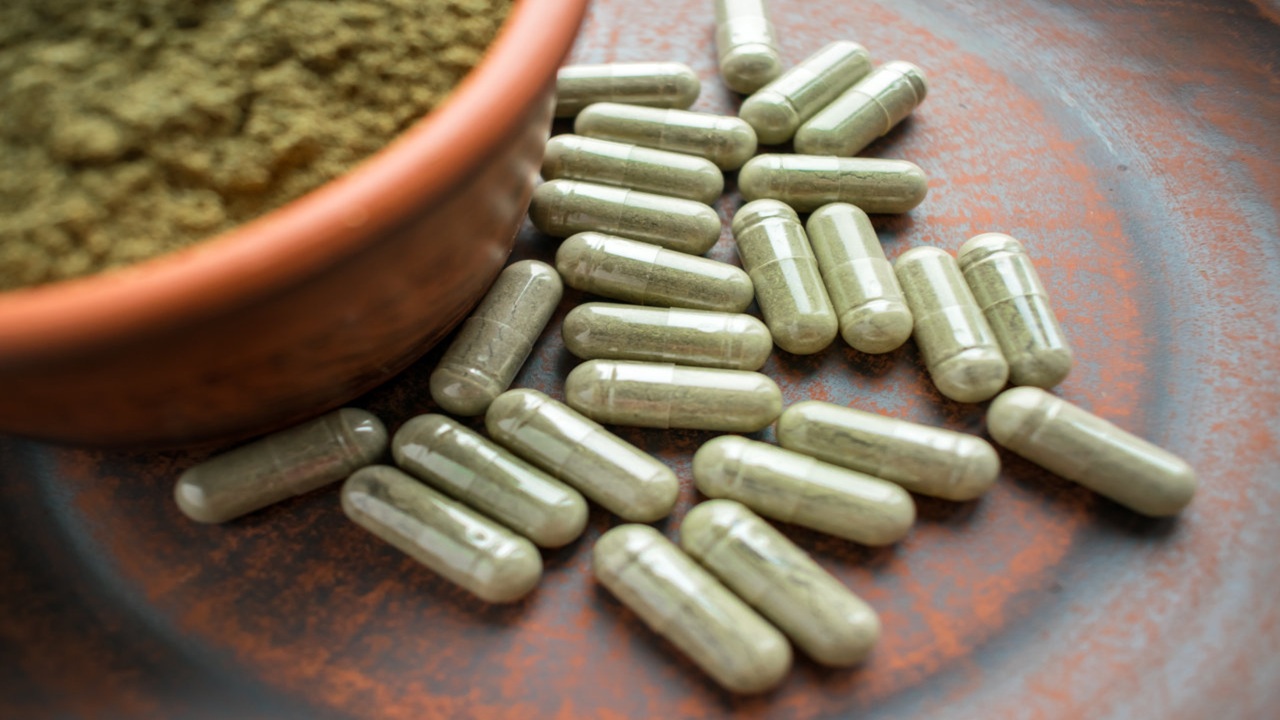
Federal health officials at the NIH have taken an unprecedented step in the fight against opioid addiction by approving the first human clinical trial of kratom as a potential treatment approach. The move has sparked both cautious optimism and pointed concern among addiction medicine specialists, harm reduction advocates and those in recovery.
The NIH Trial
The National Institutes of Health announced that its Investigational New Drug (IND) application for mitragynine, the primary compound found in kratom, has been approved by the U.S. Food and Drug Administration. The IND paves the way for a clinical trial to evaluate mitragynine as a potential approach for opioid use disorder.
Researchers at NIH and the University of Florida developed a purified formulation of mitragynine to be used in the trial. They plan to test a purified sample of mitragynine on 32 healthy volunteers with recent histories of opioid use.
Importantly, the trial’s main goal is to test the safety and tolerability of mitragynine, not to see if it’s a cure. This is an early-stage safety study, not a proven therapy. Anyone currently with a narcotic addiction should not attempt to self-medicate with kratom products based on this announcement and should know the risks of using kratom in the first place.
The Opioid Crisis Context
Dr. Nora Volkow, director of NIH’s National Institute on Drug Abuse, called the clinical trial a major milestone and “a major step toward expanding treatment options.”
The urgency for the IND is real. Fentanyl-driven overdose deaths continue to devastate communities across the country, and existing medication-assisted treatment options are effective, but remain inaccessible for millions. Researchers are actively searching for new tools to expand the treatment toolkit for opioid addiction.
While kratom also interacts with opioid receptors, its potential is driven by the body’s slow conversion of mitragynine. Preclinical studies demonstrated that mitragynine administration across several doses didn’t raise significant safety concerns in animal models, which leads researchers to human testing.
Kratom Advocates Weigh In
The American Kratom Association called the NIH decision a turning point. Many critics have long regarded the natural kratom leaves as public health threats, noted Mac Haddow, Senior Fellow on Public Policy for the American Kratom Association. But the NIH’s move showed that “federal scientists believe the available evidence justifies studying kratom’s potential role” to combat “one of the most devastating public health crises in America.”
Advocates point to centuries of traditional medicines used in Southeast Asia and argue that a natural plant compound with partial opioid receptor activity may carry a lower risk profile than full opioids currently driving the fentanyl crisis.
Concerns From Researchers and Clinicians
But some serious questions remain unanswered.
In 2022, the NIH warned that nearly a third of kratom users had “kratom use disorder,” such as increased use, tolerance, withdrawal symptoms and cravings. Nearly 10% had “psychosocial impairments” that caused them to miss social, work or recreational activities.
Some experts worry about kratom’s addictive potential because the main kratom compounds partially activate the same receptors in the brain that opioids do. However, researchers have observed that the way kratom compounds activate these receptors may reduce the potential for addiction relative to opioids.
Separately, research has flagged product safety concerns. The FDA and CDC have raised concerns regarding the contamination of some kratom products with toxic metals and microbes such as Salmonella. The NIH trial uses a specially purified laboratory version, not the commercially available kratom sold at gas stations and online retailers, which vary widely in alkaloid content and quality.
There’s also the regulatory gap to consider. Kratom still falls under the Controlled Substances Act. The FDA hasn’t approved kratom at all, and uses Import Alert 54-15 to seize shipments at the border. The DEA tried to schedule kratom as Schedule I in 2016 but withdrew the proposal after public backlash. It now lists kratom as a “drug of concern.”
Opioid Addiction Treatment Now
For people currently battling heroin addiction, fentanyl dependency or prescription opioid abuse, this trial doesn’t change what is available today. Proven, FDA-approved treatments for opioid use disorder include:
- Medication-Assisted Treatment (MAT): Buprenorphine (Suboxone), methadone, and naltrexone (Vivitrol) remain the gold standard for opioid addiction treatment and are available now through licensed providers.
- Naloxone (Narcan): Every person at risk for opioid overdose should have naloxone on hand. Folks can pick it up without prescriptions at most pharmacies.
- Harm Reduction Resources: Ask your local pharmacy for naloxone. Many health departments also distribute fentanyl test strips and naloxone at no cost.
- Narcotics Anonymous: NA meetings provide peer support, accountability, and community for people in recovery from narcotic addiction. Most meetings are free and open to all.
If you or someone you love has an opioid addiction or narcotic addiction, support is available right now. It’s as simple as dropping by a local NA meeting. Support groups demonstrate that you’re not alone, and that others have your back for whatever steps you take for a better health.
Dial 800-934-1582(Sponsored) or use our NA meeting locator to find Narcotics Anonymous meetings anywhere in the country.
Arizona is bucking a hopeful national trend, and the numbers demand attention from anyone touched by the opioid crisis in the Southwest. In part, The Grand Canyon State features a wide range of comprehensive treatment options, from residential care to local Narcotics Anonymous chapters. But even as naloxone use is saving more lives, overdose death rates continue to outpace recovery efforts.
While overdose deaths dropped roughly 15% nationally in 2025, Arizona’s opioid overdose deaths surged by more than 17%, according to the Centers for Disease Control and Prevention. For families, people in recovery, and harm reduction workers on the ground in Arizona, the statistics reflect a painful reality. Fentanyl and polysubstance drug use are overwhelming communities faster than progress can take hold.
The Opioid Crisis by the Numbers in Arizona
Arizona’s overdose reversals in which naloxone restores breathing after an opioid overdose nearly tripled in 2025. That rise in life-saving interventions signals both a worsening crisis and a growing harm reduction infrastructure fighting back against it.
Dr. Martín Celaya, chief of the Bureau of Assessment and Evaluation at the Arizona Department of Health Services, reported that 90% of overdose deaths in the state involve polysubstance use, meaning more than one kind of drug was involved.
The most common combination driving fatal opioid overdoses is methamphetamine and fentanyl, Celaya noted. Critically, many victims may not have known what they were consuming. Celaya explained that some individuals simply didn’t know their methamphetamine was laced with fentanyl, or vice versa.
Drivers of Opioid Overdose Deaths in Arizona
Law enforcement partners have told the Arizona Department of Health Services that Arizona functions as a distribution hub for illicit drugs, including deadly additives and new compounds that can make drugs significantly more potent.
The opioid overdose death rate in Arizona is also being fueled by illicitly manufactured fentanyl, the synthetic opioid that is now the leading driver of drug fatalities nationwide. Fentanyl is 50x more potent than heroin and can be lethal in quantities invisible to the naked eye. Accidental overdoses are a constant risk, even for experienced drug users.
Fentanyl is increasingly found not only in the opioid supply but mixed into stimulants like methamphetamine and counterfeit pills. This pattern is proving especially deadly in Arizona’s drug market.
Naloxone Saves Lives but Gaps Remain
Despite the grim overdose statistics, one number in Arizona offers genuine hope. Sonoran Prevention Works (SPW), the largest harm reduction organization in Arizona, saw overdose reversals climb from roughly 2,500 in 2024 to more than 4,000 in 2025. Including community partners resourced through SPW, that reversal number reached nearly 6,000.
SPW CEO Scott Greenwood described his organization as the single largest non-government distributor of naloxone in the country.
Most people know naloxone through Narcan, its over-the-counter nasal spray form. Narcan can be expensive, but Greenwood noted that SPW has found success using the injectable intramuscular form, which carries a significant cost advantage and allows the organization to distribute far more doses across the state.
Naloxone rapidly blocks opioid receptors and reversing the respiratory depression that causes overdose death. It’s safe, effective, and can be administered by anyone — no medical training required.
Fentanyl Test Strips & Medication-Assisted Treatment
Greenwood also advocated strongly for expanded access to fentanyl test strips, which allow people to check their drugs for dangerous additives before use.
SPW is also exploring a direct clinical program for medication-assisted treatment (MAT) — a significant expansion for an organization that has historically focused on harm reduction referrals rather than direct treatment provision.
MAT includes medications like buprenorphine (Suboxone) and methadone to combat withdrawals. Combined with counseling and peer support through programs like Narcotics Anonymous, MAT dramatically reduces overdose risk and supports long-term recovery.
Help for Opioid Addiction in Arizona
If you or someone you love has an opioid or narcotic addiction in Arizona or elsewhere in the nation, recovery resources are available now.
NA holds meetings across Arizona. NA meetings are free, peer-led, and open to anyone struggling with narcotic addiction or opioid abuse. You can call 800-934-1582(Sponsored) to speak with an expert or browse our directory for meetings anywhere in the country.
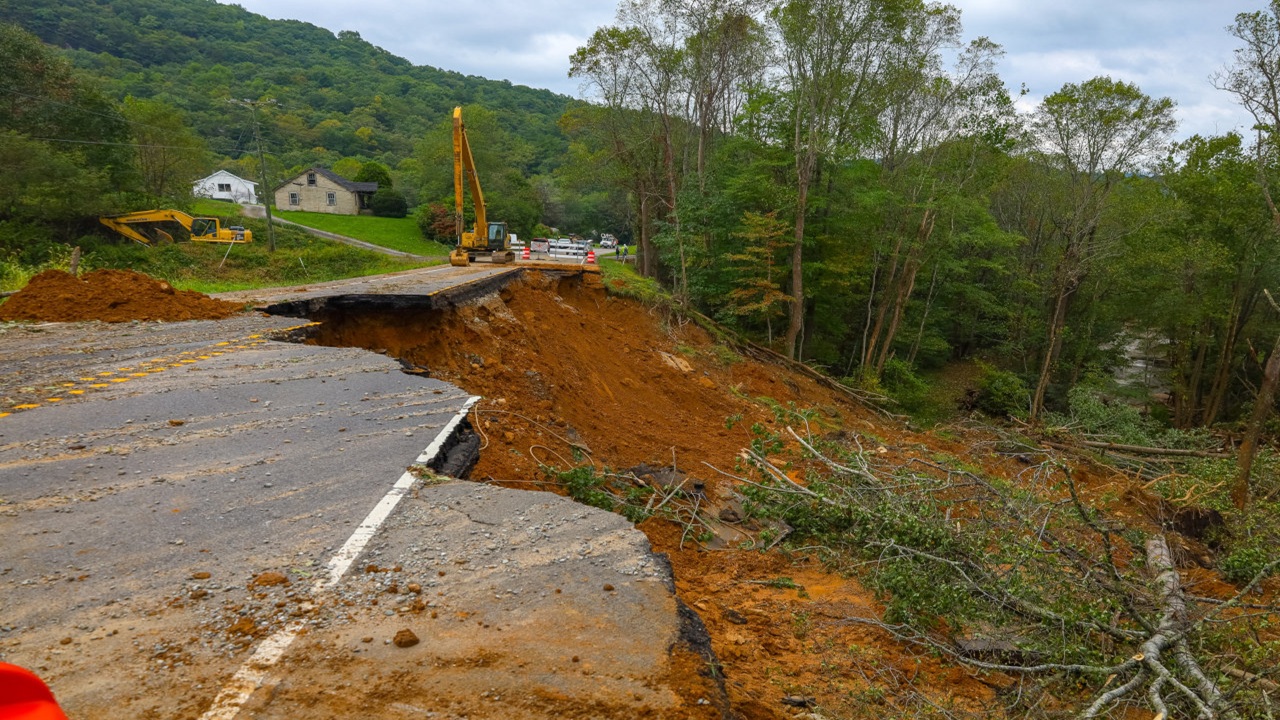
When Hurricane Helene ripped through the mountains of western North Carolina and the greater Appalachia region in September 2024, it dismantled the Narcotics Anonymous meetings, opioid treatment programs, and peer support networks that thousands of people in recovery depended on to stay alive.
North Carolinians are known for their resilience. The Tar Heel State features local NA chapters in virtually every neighborhood. Nevertheless, for communities already deep in the opioid crisis, losing those systems even temporarily meant a perilous climb back from the edge.
The Opioid Crisis by the Numbers
Appalachia was already fighting a losing battle against opioid addiction before the first floodwaters rose. Overdose mortality in Appalachian counties — spanning 13 states from New York to Mississippi — still exceeded the national average by 52% in 2023, driven by limited healthcare access, physically demanding work, and economic hardship. In six North Carolina counties alone, overdose deaths topped 36 per 100,000 residents in 2022.
Then Helene hit, and the numbers got worse in ways that won’t fully show up in data for years. Penn State sociologist Kristina Brant, who studies the long-term impacts of flooding, found an increase in overdose deaths that persists for a full decade after a major flood event. Grief and trauma, she notes, are significant triggers that can derail recovery. Indeed, hospitalizations for drug abuse jumped 30% after Hurricane Katrina and continued ascending for years, especially among the hardest-hit neighborhoods.
What’s Driving the Relapse Risk After Disasters
The backbone of opioid recovery isn’t just medication. Rather, it’s routine, community, and structure. Rural Appalachian communities lack the redundancies that make it easier to find another meeting, another clinic, or another therapist. Long travel distances are another hurdle, even during normal times.
When disasters like Helene hit and infrastructure is severely impacted, those existing barriers are “amplified a billion-fold,” according to Erin Major, a doctoral candidate in health services research at Boston University who studies substance misuse in Appalachia. These barriers make it genuinely impossible for many patients to access their care.
Devon, a 41-year-old Iraq war veteran in Asheville who asked to be identified only by his first name as required by 12-step program traditions, lived this firsthand. After returning from the Middle East with PTSD and a traumatic brain injury, he struggled with opioid addiction — beginning with prescription pills, then heroin — before finding stability through Narcotics Anonymous, medication-assisted treatment, and therapy.
Helene didn’t just damage his house. It fractured Devon’s marriage, upended his NA meeting schedule, halted therapy, buried him in financial strain, and eventually left him feeling suicidal.
“I was in a war situation,” he said of the night of the storm. What came after was its own kind of combat.
Fentanyl’s Role and the Danger of Post-Disaster Relapse
The opioid crisis has been reshaped by fentanyl, and that matters acutely when people in recovery relapse after disasters. After even a brief period of sobriety, opioid tolerance begins to drop — making the immediate days of relapse among the most dangerous due to a significantly elevated risk of overdose. Street supplies increasingly contaminated with fentanyl make that window of risk even more lethal.
John Kennedy, a musician and harm reduction advocate in Buncombe County, had spent years distributing naloxone — the opioid overdose reversal medication — to local music venues and nightclubs. After Helene, venue after venue closed permanently, leaving fewer spaces to put naloxone in the hands of folks who use drugs. Kennedy worries that more people are now using opioids alone, in which naloxone can’t save a life because no one else is there to administer it.
Narcotics Anonymous and Peer Recovery When the System Breaks Down
Despite everything, Devon didn’t relapse. He credits Narcotics Anonymous with making the difference.
“This is, like, why we do what we do — when shit hits the fan,” he noted.
Researchers have documented a “honeymoon phase” following disasters, a period of intense social cohesion as people united by loss rally around each other — but it’s during the months and years that follow, that the weight of compounding trauma and loss sets in and recovery is most at risk. NA’s ongoing structure — weekly meetings, sponsorship, service commitments — gives people a framework that persists beyond the initial crisis response. grist
In eastern Kentucky, where devastating floods in 2022 destroyed nearly 9,000 homes in a region already ravaged by opioid abuse, recovery participants described their peer support networks as the primary glue holding them together through months of displacement. “That’s a big thing in recovery,” relayed one Kentuckian in recovery from painkiller and methamphetamine addiction. “Asking for help.”
Narcotics Anonymous Meetings and Opioid Treatment
If you or someone you love has a narcotic addiction, the sooner support is in place, the better. Build your network before a crisis hits.
Search for Narcotics Anonymous meetings in any location in the country. Our directory has listings sorted by location or feel free to dial 800-934-1582(Sponsored) to speak with an expert.

A new study suggests that intermittent fasting could reduce the risk of opioid addiction, even when exposed to drugs. This potential breakthrough can affect millions of Americans caught in the grip of the opioid epidemic.
Specifically, researchers at the University of Arizona found that fasting appeared to block the euphoric brain response that drives opioid addiction. The discovery complements local recovery groups like Narcotics Anonymous by opening a low-cost, accessible new avenue for treatment.
The Opioid Crisis Continues
The opioid epidemic continues to devastate communities across the United States. Fentanyl remains the leading driver of overdose deaths and has made opioid addiction more dangerous and harder to escape than at any previous point in the crisis.
Against that backdrop, any research pointing toward new approaches to prevent or reduce opioid abuse carries significant weight.
That’s what makes this study noteworthy. It’s not a cure, but offers a potential complement to existing opioid treatment options.
What the Intermittent Fasting Study Found
Experts have long recognized that dietary changes are a key non-medication alternative to pain relief. Arizona, where the study originated, is also home to many holistic programs that take full advantage of the desert landscape.
Doctoral student David Duron followed that train of thought and wondered if intermittent fasting could affect opioid treatment and addiction. Duron’s research team used mice as subjects, uncertain at the outset what they would find.
Their findings suggest that intermittent fasting could have a significant effect on opioid treatment. Fasting improved therapeutic benefits and limited negative side effects, particularly addiction, among mice.
Mice were placed on a six-hour daily eating window while receiving opioid injections over one week. At the study’s conclusion, the fasting group showed significantly improved and longer-lasting pain relief, including in a post-surgical pain model.
Even better, side effects didn’t increase among the mice in the fasting group. Corresponding author Dr. John Streicher noted this could have important implications for addiction specifically.
Fasting May Block the Opioid Reward Response
The mechanism goes to the heart of what makes opioid addiction so difficult to treat.
Opioids activate the brain’s reward circuit no matter the age, which is the basis of addiction. In control mice that ate freely, they reacted to morphine as expected. But in the intermittent fasting group, there was no evidence of reward. The mice didn’t appear to experience the euphoric effect of the drug, or at least didn’t associate the drug with euphoria.
Fasting especially appeared to play a key role in drug tolerance. In the control group, opioid tolerance increased by as much as 100% over the study period. But the intermittent fasting group saw only a 40% increase in tolerance, meaning they required far smaller dose escalations.
Reduced tolerance escalation could translate to lower overdose risk in real-world opioid treatment settings.
Next Steps
The research team is now working to set up clinical trials based on these findings. The goal: testing intermittent fasting in patients undergoing opioid pain therapy. Dr. Streicher noted that unlike a new pharmaceutical, which can require a decade and millions of dollars to reach approval, a diet-based intervention can start almost immediately.
It is important to emphasize: this research is in early stages, conducted in mice, and should not be used as a substitute for evidence-based opioid addiction treatment. Narcotics Anonymous meetings, medication-assisted treatment (MAT) such as buprenorphine and methadone access remain proven interventions for those living with opioid addiction today.
Naloxone (brand name Narcan) is a life-saving medication that can reverse opioid overdoses and is available without a prescription in most states.
Opioid Addiction Treatment Now
If you or someone you love has an opioid addiction, evidence-based help is available right now. Narcotics Anonymous offers a strong first step with peer support and free and accessible community safe spaces. NA remains one of the most powerful elements of long-term recovery from narcotic addiction.
Dial 800-934-1582(Sponsored) to speak with an expert or browse our directory to find NA meetings anywhere in the country. Like recovery, fasting doesn’t take place in a vacuum, and having colleagues at your side strengthens fellowship for a brighter future.