 800-861-9372
Naloxone is a medication that’s used to reverse the effects of an overdose on narcotics. It has saved many lives, and continues to do so as access to the drug increases.
How Naloxone Helps Treat a Narcotics Overdose
Get Help Now 800-934-1582
 Sponsored
Sponsored
Narcotic opiate drugs rank number one as the most abused drugs in America. Narcotics carry an extremely high potential for abuse and addiction, with scores of people suffering narcotic overdose every year. Although the number of opioid related overdose deaths has decreased since 2023, according to provisional data for 2025, the Centers for Disease Control reported that roughly 73,000 individuals lost their lives due to opioid overdose
Naloxone offers a solution for the potentially fatal effects brought on by narcotic overdose. In response to the devastating effects of opioid use, Naloxone is now widely available, even for individuals outside of the medical profession. While naloxone is important in preventing narcotic overdose fatalities, additional treatment is warranted to prevent overdose from happening again in the future.
Narcotics Overdose Potential
The harmful effects of narcotics develop gradually as the drugs begin to change how the brain functions. Opioids attach to specific receptors in the brain, triggering the release of neurotransmitters like dopamine, which helps to regulate mood, pain and other central nervous system functions.
With repeated use, the brain adapts to these effects. One major change is tolerance, meaning you need more of the drug to feel the same relief or euphoria. This happens not because the opioids “replace” natural neurotransmitters, but because they overstimulate the brain’s reward and pain pathways, leading the brain to adjust its normal chemical balance.
Over time, the brain may start to rely on the presence of the drug to function normally. This is known as dependence. As this process continues, natural chemical signaling becomes less effective, and the brain’s ability to regulate mood, stress and pain without the drug is weakened.
These changes increase the risk of overdose, especially when higher doses are needed to achieve the same effect. In addition, opioids can slow or suppress breathing, a key reason overdoses can become life-threatening.
In effect, rising tolerance levels and impaired brain function become a vicious cycle that requires continual increases in drug dosage to experience the same desired drug effects. These interactions create ideal conditions for an overdose to occur.
Narcotics Overdose Effects
In general, narcotic drugs have a “slowing” effect on the brain and central nervous system. According to the U. S. National Library of Medicine, areas of the body most affected include –
- Cardiovascular system
- Respiratory system
- Digestive system
- Cognitive functions
- Body temperature
As the tolerance levels rise, someone who’s used narcotics for months or years can easily ingest a dose large enough to overpower the brain’s regulatory processes. When this happens, a person may experience symptoms of overdose, some of which include –
- Losing consciousness
- Comatose-like behavior
- Pale or ashen skin tone
- Breathing problems
- Hallucinating
- Feeling drowsy
Any one of the above symptoms can be life-threatening, though respiratory failure or breathing problems account for the majority of overdose incidents.
Naloxone’s Chemical Make-Up
Naloxone belongs to the class of drugs known as opioid antagonists. Instead of stimulating the release of neurotransmitter chemicals, antagonist drugs like naloxone block or deactivate the effects of opioids.
Other known antagonist-type agents include –
- Naltrexone
- Levallorphan
- Nalorphine
As a “deactivating” agent, naloxone is also used in opiate use disorder treatment for people who face a high risk of relapse. In this way, Naloxone blocks opioid receptors, preventing a person from getting high should relapse occur.
Naloxone Effects on Narcotics Overdose
Narcotic overdose develops in response to toxic levels of opiates in the body. When this happens, major bodily processes start to shut down from the overwhelming effects of the drug.
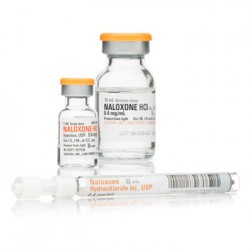
When injected, naloxone has near-immediate effects, expelling opiate materials from receptor sites and stopping the release of certain neurotransmitters. Once these receptor sites are clear of opiates, normal brain chemical functions can resume.
Respiratory depression is one of the most serious and potentially life-threatening symptoms of overdose. Because naloxone’s effects are almost immediate, it is a critical life-saving tool in opioid overdose.

5 Ways to Get Naloxone and Prevent an Opioid Overdose
If you think yourself or a loved one is at risk for an opioid overdose, learn the ways you can access naloxone.Narcan
Naloxone was patented in 1961 and FDA-approved as an injectable opioid overdose treatment in 1971 for use in clinical settings. Narcan, a user-friendly form of naloxone in nasal spray form, was developed in 2015 and became widely available over-the-counter without a prescription in March 2023.
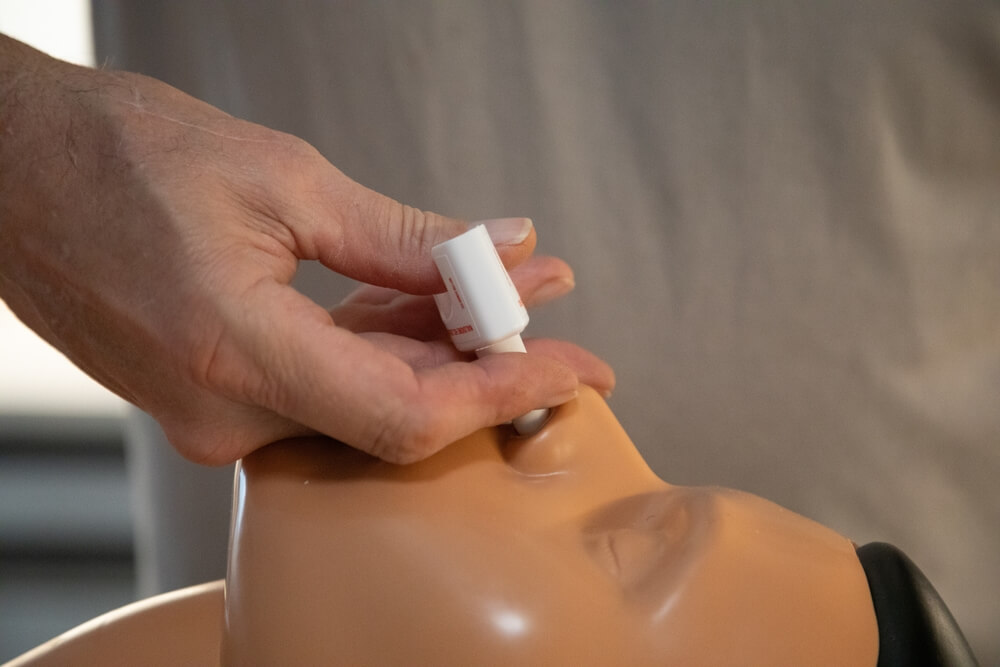
Narcan is easy to use. In a suspected opioid overdose, check for responsiveness. If there is no response, hold the nasal spray device with your thumb on the bottom of the plunger. Insert the nozzle into a nostril and press the plunger firmly to administer the dose. Call 911. If there is no response from the individual after two or three minutes, give another dose, if available. Always stay with the individual until the first responders arrive.
Treatment Considerations
When using naloxone to treat narcotics overdose, the drug’s effects will send the body into a state of withdrawal that can cause severe symptoms to develop. Symptoms may take the form of:
- Vomiting
- Seizures
- Aggitation or aggression
- Cardiac arrest
- Psychotic-like behavior
Since these withdrawal symptoms can be just as life-threatening as a narcotics overdose, immediate medical attention is critical.
Naloxone is a life-saving drug that individuals who abuse opioids should have on hand at all times. In many states, it is available OTC without a prescription, from harm-reduction organizations, health departments or other organizations that work to support the safety of people addicted to opioids.
To learn more about naloxone, or for help finding a narcotics addiction treatment program, call 800-934-1582(Sponsored) today!
the Take-Away