 800-861-9372

Opioid abuse tied to prescription drugs has dropped to historic lows, but the broader addiction crisis is far from over. In fact, fentanyl remains a daily threat to communities nationwide. A major new analysis from Millenium Health collected nearly 1.7 million urine samples from patients in substance use disorder treatment. The data reveal a dramatic …
Opioid Abuse From Prescription Drugs Hits All-Time Low in New Data
Get Help Now 800-934-1582
 Sponsored
Sponsored
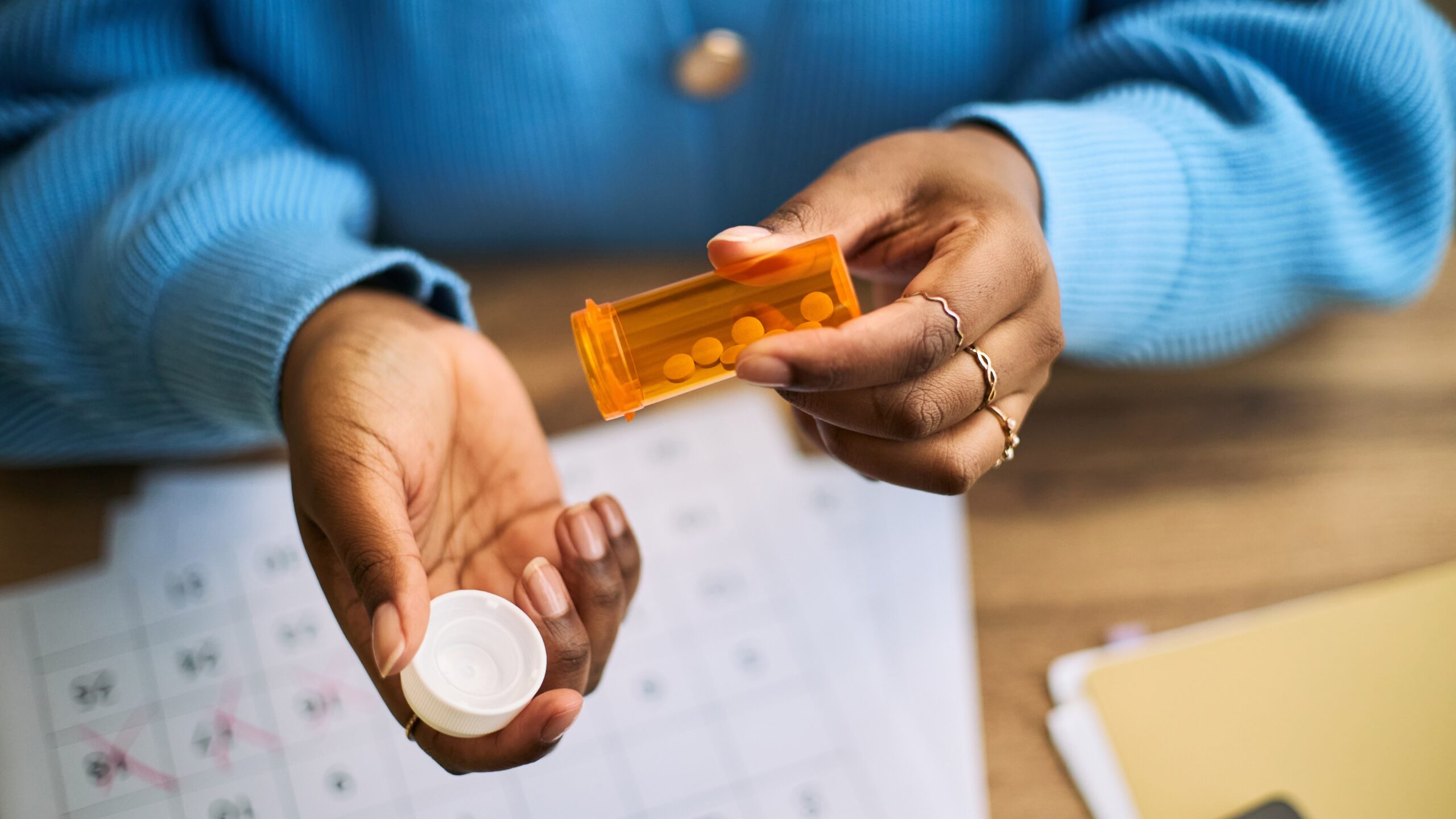
Opioid abuse tied to prescription drugs has dropped to historic lows, but the broader addiction crisis is far from over. In fact, fentanyl remains a daily threat to communities nationwide.
A major new analysis from Millenium Health collected nearly 1.7 million urine samples from patients in substance use disorder treatment. The data reveal a dramatic shift in how the opioid epidemic played out in 2025. The findings suggest that opioid pain medications now play just a small part in the U.S. drug crisis, but the use of stimulants is growing.
For families affected by narcotic addiction, the numbers offer cautious hope, but also a warning about where the crisis is heading next.
The Opioid Crisis by the Numbers
Millenium’s analysis showed that in 2016, up to 80% of patients who tested positive for fentanyl also took prescription opioids that weren’t prescribed to them. By 2025, that figure had fallen to just 4.9%. That’s a major reversal in just one decade.
Regional differences persist, however. Statistics indicate that around 9% of patients in the South tested positive for both fentanyl and prescription opioids, compared to only 4% among folks in the West.
Results indicate that fewer prescription opioids flowed into the black market. This makes sense since opioid prescribing has fallen sharply over the past decade and some medications are difficult to obtain, while others find alternates. The DEA indicated that diversion rates for hydrocodone and oxycodone are currently below one percent.
Opioid Abuse Declines
The drop in prescription opioid abuse is real, but it reflects a policy shift as much as a public health victory. Tighter prescribing rules, prescription drug monitoring programs and pill mill crackdowns have made it harder for diverted medications to reach the illicit market.
Dr. Eric Dawson is the Vice President of Clinical Affairs at Millennium Health and confirmed the trend. He noted that hydrocodone, hydromorphone, oxycodone, oxymorphone and tramadol are all at all-time lows in their database among the fentanyl-positive population.
For people with opioid addiction, this shift matters, but be aware that the danger isn’t gone. Heroin addiction has largely been displaced by illicit fentanyl, which is far more potent and unpredictable. A single counterfeit pill or a contaminated supply can be lethal.
Fentanyl’s Role in the Shifting Crisis
Fentanyl is a synthetic opioid roughly 50-100x more potent than morphine and remains the dominant driver of overdose deaths in the United States. The decline in prescription opioid abuse hasn’t reduced fentanyl’s grip on the illicit drug supply. If anything, fentanyl has become the floor of the crisis.
The Millennium data shows that while opioid abuse from prescription sources has declined sharply, fentanyl continues to appear in a large share of drug tests. Its presence in the supply chain means that anyone using illicit substances faces life-threatening overdose risk.
A New Threat Emerges: Stimulants and Kratom
In place of prescription opioids, people with substance use disorder have increasingly turned to stimulants such as methamphetamine and cocaine. Dawson described what he sees as a potential “stimulant era” emerging in addiction treatment data.
He noted that meth and cocaine are very plentiful in the streets and inexpensive compared to other drugs. Being cheap and abundant make them especially dangerous for populations already strained by substance use.
A secondary trend in the data is the rising detection of kratom, an herbal supplement derived from a Southeast Asian plant. Fewer than 1.5% of patients around the country tested positive for a kratom alkaloid in 2016. But by 2025, that figure had doubled, with even higher rates in the South. Kratom’s legal status, wide availability and use as a self-managed pain and withdrawal remedy have made it increasingly common among people navigating narcotic addiction and recovery.
Harm Reduction and Treatment for Opioid Addiction
The decline in prescription opioid abuse is encouraging, but millions of Americans need support. Effective, evidence-based options include the following:
- Medication-assisted treatment (MAT) — Buprenorphine (Suboxone), methadone, and naltrexone are FDA-approved medications that significantly reduce cravings, prevent withdrawal, and lower overdose risk.
- Narcotics Anonymous (NA) — NA meetings offer free, peer-led support for people recovering from narcotic addiction. Meetings are available in thousands of cities and towns, in-person and online. Finding NA meetings is one of the most accessible first steps toward recovery.
- Harm reduction services — Fentanyl test strips, naloxone distribution programs, and syringe service programs save lives by reducing the immediate dangers of active drug use without requiring abstinence as a condition of help.
If you or someone you love has an opioid abuse or narcotic addiction, help is available today. Call 800-934-1582(Sponsored) or take the first step to treatment by finding a peer support group in your area. Our directory lists free and accessible meetings across the nation and organized by location.
the Take-Away