 800-861-9372

Nearly $1 billion in funds is meant to fight opioid addiction in Oklahoma is flowing mostly to cities, and now state lawmakers and officials want to step in to make sure rural communities battling the overdose epidemic stop getting left behind. Oklahoma’s urban population has a wide selection of opioid treatment programs, ranging from inpatient …
Oklahoma Lawmakers Move to Get Opioid Funds to Rural Areas
Get Help Now 800-934-1582
 Sponsored
Sponsored
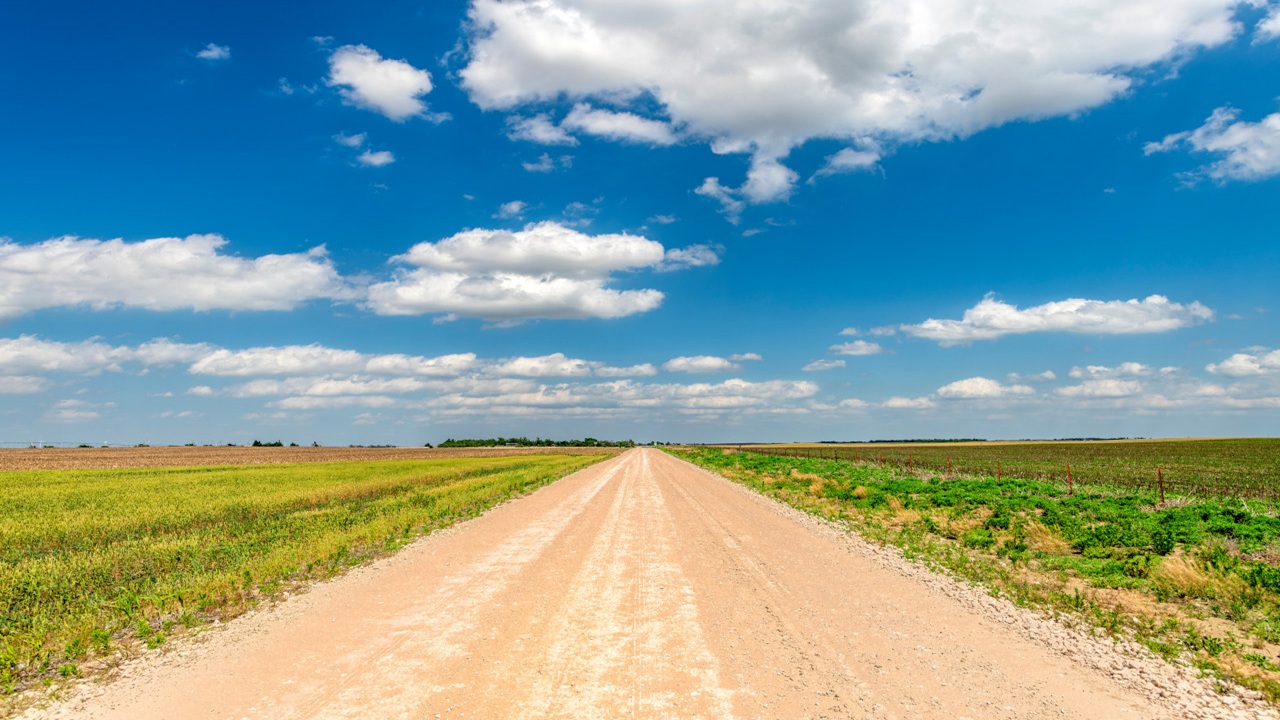
Nearly $1 billion in funds is meant to fight opioid addiction in Oklahoma is flowing mostly to cities, and now state lawmakers and officials want to step in to make sure rural communities battling the overdose epidemic stop getting left behind.
Oklahoma’s urban population has a wide selection of opioid treatment programs, ranging from inpatient care to walk-in clinics. Local Narcotics Anonymous chapters dot the landscape. Rural regions of the Sooner State also have access to programs, but some vulnerable residents face logistical barriers like transportation and access to specific programs.
The Opioid Crisis in OK
Legal settlements with opioid manufacturers and distributors have allocated $1 billion to Oklahoma. But two years into distributing those dollars, a troubling pattern has emerged. The money is concentrated in urban centers while rural areas where opioid addiction and overdose deaths are often most severe struggle to compete for grants.
Of the $30 million awarded so far, almost a third went to Tulsa and Oklahoma City metro areas. The figure increases to 38% when cities with more than 25,000 residents are included. A total of 129 grants ranging up to $1 million have been awarded.
Urban school districts account for almost 40% of grantees and have obtained 23% of the funds allocated by the statel. Schools tend to perform well in the grant process due to dedicated staff with experience navigating state and federal funding applications. It’s an advantage most rural counties simply don’t have.
Rural Oklahoma is Locked Out
The gap isn’t about need. It’s about capacity.
Rural areas are at a disadvantage because they often lack experienced grant writers capable of producing sophisticated proposals, the community partnerships that applications require, and even the local data to demonstrate how deep the opioid crisis runs in their area.
“We found, especially in our first round of funding, the reach was not as far as we had hoped that it could have been because of the lack of capacity and lack of resources,” noted Jill Nichols, opioid response and grants coordinator for Attorney General Gentner Drummond’s office.
This matters enormously for people with opioid addiction in small communities, where treatment options, naloxone access, and in-person NA meetings are already scarce compared to urban areas.
Fixing Opioid Funding Gaps
The state aims to level the playing field. Oklahoma contracted with grant writers to assist rural areas with this year’s application cycle, which closed April 1. The move resulted in roughly 10 new submissions from communities that may not have applied otherwise.
That’s just the beginning. Officials have started plans to place four grant support staff across the state. These staff members help rural communities write grants, identify local needs, coordinate task forces, connect with local support groups and manage program implementation and reporting.
Board member Terry Simonson relayed that top funding tiers are based on population rather than need. This structural flaw disadvantages the communities with the most severe opioid addiction crisis. “The need in a rural area may require more investment than the maximum allowed,” he observed.
Tulsa City Councilor Carol Bush sits on the Opioid Abatement Board and puts it plainly. “Let’s keep in mind that if you are a community of 900 and save two lives, that is a huge win.”
Naloxone and Treatment are Top Funding Priorities
The top-funded project categories under the state program include school-based prevention programs, harm reduction training, and supported housing for folks affected by opioid addiction.
Naloxone, most commonly known by the brand name Narcan, can quickly reverse opioid overdoses. Broader access to naloxone in rural areas could directly save lives while systemic gaps in opioid treatment remain.
Opioids and Why Fentanyl Make This Worse
Opioids comprise a class of drugs including prescription painkillers, heroin, and illicit fentanyl. They bind to receptors in the brain to reduce pain but carry a high risk of dependence and fatal overdose. Fentanyl now drives the majority of overdose deaths nationwide, and authorities have increasingly found it in rural drug supplies where communities lack recovery resources.
For someone coping with opioid addiction in a small Oklahoma town, the absence of local treatment options, naloxone distribution sites, and NA meetings doesn’t just make recovery inconvenient. Due to the lack of assistance, folks who need help most often meet fatal ends.
Finding Help for Opioid Addiction in Oklahoma
If you or someone you love has an opioid addiction, options exist right now. It doesn’t matter where you live.
Narcotics Anonymous holds meetings across Oklahoma, including rural areas. So do other states across the nation. Simply dial 800-934-1582(Sponsored) to speak to an expert no matter your location or browse our listings for chapters anywhere in the United States.
the Take-Away