 800-861-9372

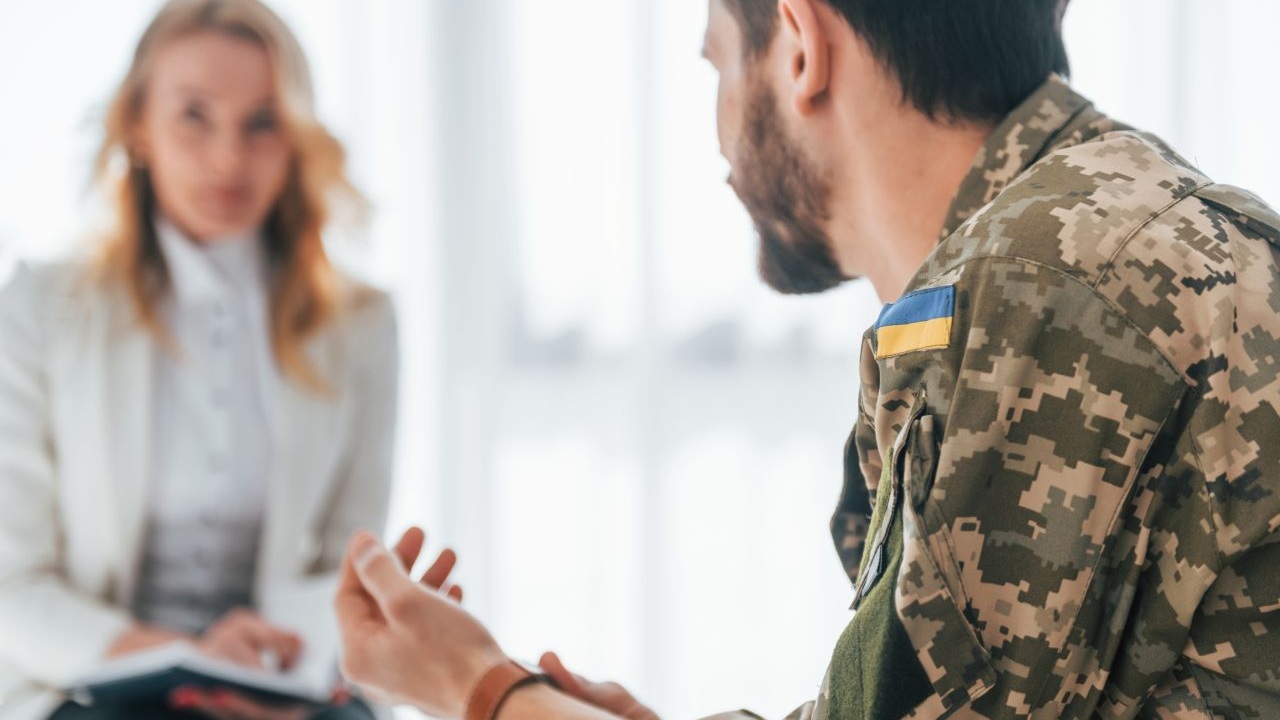
A substance sold legally in gas stations across much of the country is now explicitly prohibited for every soldier in the U.S. Army. The policy does something notable for anyone tracking opioid addiction in the military. The kratom ban now routes soldiers toward clinical evaluation rather than treating the matter as a disciplinary question alone.
Army Secretary Dan Driscoll issued a memo to prohibit soldiers from using, possessing or distributing kratom. The order also includes kratom’s main psychoactive components, mitragynine and 7-hydroxymitragynine. The action reinforces an existing Defense Department directive that applies across all branches.
The Army’s Policy
The prohibition covers the plant material and the isolated compounds alike. The enforcement mechanism sets this policy apart from a simple ban.
Soldiers identified as having used kratom must report to a substance use disorder evaluation. These soldiers also have to attend and complete the Army Substance Abuse Program, known as ASAP, alongside Alcohol and Drug Abuse Prevention Training. In practical terms, a positive identification triggers a clinical assessment and treatment, not just an administrative consequence.
That structure matters because kratom dependence is real, but easy to miss. Someone who uses concentrated kratom products daily for pain or fatigue may not describe themselves as having a problem with narcotics at all.
Kratom and Its Opioid-Like Effects
Kratom comes from an herbal extract taken from an evergreen tree native to Southeast Asia. It acts like a stimulant at low doses and like a sedative and pain reliever at higher ones, which is why people use it to self-treat a range of conditions.
The compounds that produce those effects, mitragynine and 7-hydroxymitragynine, act on the brain’s mu-opioid receptors. These are the same receptors targeted by morphine, heroin, and prescription opioids. That shared mechanism allows kratom to relieve pain and produce euphoria, but can also trigger physical dependence and withdrawal.
Products containing these compounds are commonly sold as teas, capsules, vapes and gummies, frequently marketed as natural remedies. The Food and Drug Administration hasn’t approved them as safe and effective for any medical use, and the number of kratom poisoning cases have skyrocketed in recent months across the nation.
The Pentagon’s Actions
The Defense Department declared kratom use a violation of the Uniform Code of Military Justice in a memorandum dated Sept. 15, effective Dec. 31.
The department noted the directive intended to protect the health, safety and readiness of service members. The Drug Enforcement Administration had considered mitragynine and 7-hydroxymitragynine as potential Schedule I substances because of their abuse potential and health risks. A Pentagon official reported that the substances mimic opioid effects and carry risks including impairment, overdose potential and long-term health consequences.
The Other Branches
The Army is the most recent service to act, not the first.
Navy Secretary John Phelan also prohibited all sailors and Marines from using kratom products in an All Navy message back in January. He noted that use means a violation of a lawful general order under the UCMJ and can result in administrative or disciplinary action.
The Air Force also agreed that kratom falls under its existing prohibition on naturally occurring intoxicating substances. The Air Force has thus banned kratom, even though it’s not named specifically in the service manual.
The Coast Guard banned it in May and in fact works in tandem to keep illegal shipments of kratom from seeping through the waterways.
The result is a military-wide prohibition by every service over roughly six months.
Harm Reduction & Treatment Options
Anyone who has developed dependence on kratom or another substance acting on opioid receptors should start looking into withdrawal and treatment.
Withdrawal is uncomfortable but manageable with medical support, and it typically involves muscle aches, sweating, nausea, anxiety, insomnia and strong cravings.
Medication for opioid use disorder, including buprenorphine, can treat dependence involving opioid receptor agonists and can make stopping considerably safer and more tolerable than going it alone.
Naloxone, popularly known as Narcan, reverses opioid overdose. Anyone can keep naloxone in their household. It’s available without a prescription at pharmacies and free through many local health departments and harm reduction programs.
Fentanyl test strips add another layer of protection for anyone using substances obtained outside a pharmacy, since the illicit supply is frequently contaminated.
Peer support fills a different gap. Narcotics Anonymous meetings are free, widely available, and open to people recovering from any substance, and many service members and veterans find that a room of people who understand the specific pressures of military life makes the difference in staying engaged.
NA Fights Opioid Addiction
The military has banned kratom, but many civilians can readily access it, buy it, and consume it. Should that happen, addiction can set in.
Be prepared. Feel free to dial 800-934-1582(Sponsored) to chat with an expert about confidentiality protections and self-referral options before a positive identification forces the issue.
You can also meet community members and form fellowship in NA chapters to get through rough patches. Chapters dot the entire country, including your neighborhood. Simply browse our directory to find one, including virtual options if an in-person meeting is not practical.
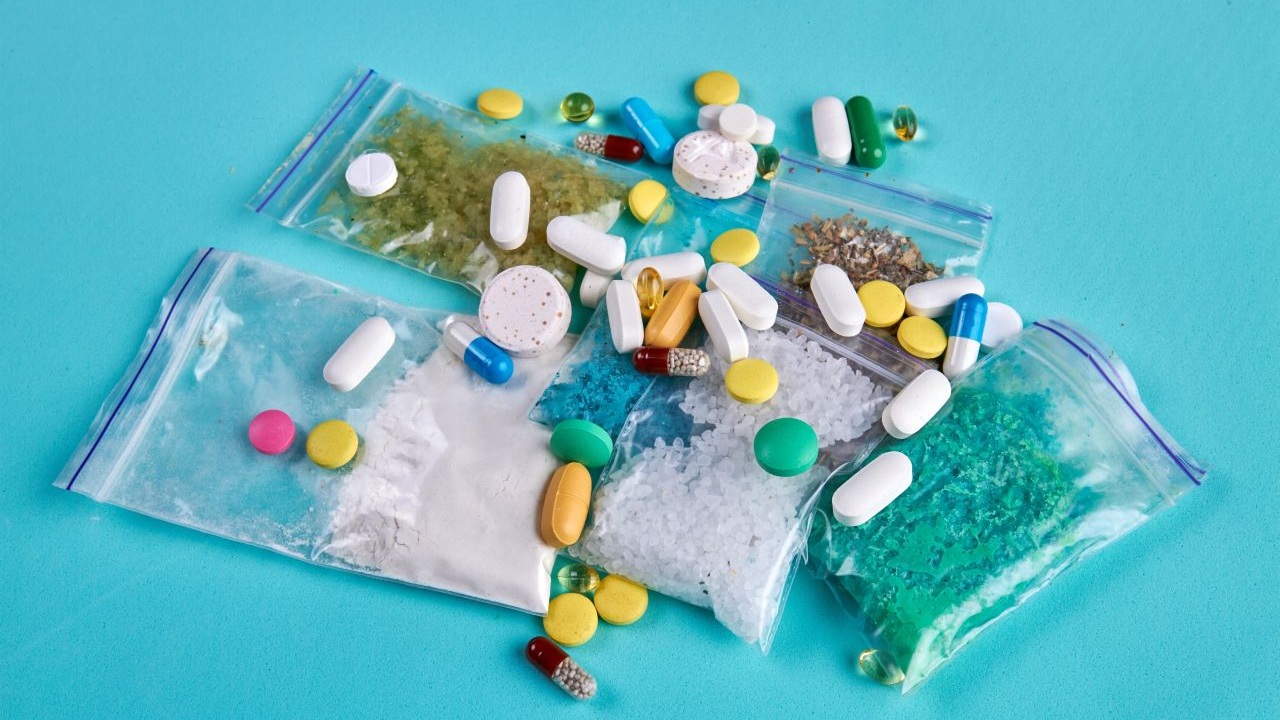
Utah has confirmed that medetomidine, a veterinary sedative, is present in its illicit drug supply. The state’s task forces for opioids and fentanyl zeroed in and identified the substance that can complicate treatment and recovery efforts via naloxone.
While this news is alarming, Utah residents do have options. The Beehive State offers a wide range of programs to combat substance misuse, starting with Narcotics Anonymous chapters at the community level on up to inpatient care. State officials also paired the announcement with an unusually specific set of instructions for what to do when someone overdoses.
The headline fact is that naloxone, sold as Narcan, doesn’t reverse medetomidine. The more useful fact, and the one state officials put front and center, is that naloxone still matters in every single overdose response. Medetomidine is usually mixed into fentanyl and other opioids, and naloxone reverses those.
Utah Officials’ Findings
Medetomidine is a sedative used in veterinary medicine and isn’t an opioid, which is why naloxone has no effect on it. Authorities first detected medetomidine in street drugs back in 2022 and linked it to a spike in overdose cases. State officials described it as more potent than xylazine, the veterinary sedative that has circulated in the fentanyl supply for several years.
The detection itself is the news for Utah residents. The Department of Public Safety framed it as information that lets overdose prevention, public health, and public safety partners issue timely guidance. Its underscores the need for continued surveillance, education, and access to overdose prevention tools.
“The illicit drug supply continues to evolve,” the two task forces noted in a joint statement, describing recognizing an overdose, responding quickly, calling 911, carrying naloxone, and educating folks as the actions that make the difference while help is on the way.
Naloxone Still Belongs in Your Pocket
This is the point where reporting on sedative adulterants often goes wrong. A person reading that naloxone cannot reverse medetomidine could reasonably conclude naloxone is no longer worth carrying. Utah officials stated the opposite.
Since medetomidine travels inside a fentanyl supply, the opioid part of an overdose is still responsible for someone not breathing, and naloxone reverses that. What changes is what recovery from the overdose looks like. Someone may remain unconscious after naloxone works, because the sedative is still active, even though their breathing has come back.
Respond to an Overdose
The Department of Public Safety published step-by-step guidance for anyone who encounters a suspected overdose:
- Call 911 immediately
- Administer naloxone. It won’t reverse medetomidine, but it reverses any present fentanyl, nitazenes, heroin, morphine and other opioids
- Focus on breathing rather than wakefulness. A victim might remain unconscious after naloxone while breathing normally again, which means it’s working
- Give rescue breaths if the person doesn’t breathe adequately
- Place them in the recovery position if they’re breathing on their own while waiting for EMS
- Keep monitoring and give more naloxone if breathing slows or stops again
Keep in mind that breathing remains critical. Judging naloxone by whether someone wakes up, rather than whether they start breathing, can lead a bystander to think it failed and stop responding.
Treating Medetomidine and Fentanyl
Fentanyl is a synthetic opioid potent enough that very small amounts can suppress breathing. Nitazenes are a separate class of synthetic opioids also appearing in the supply. Both respond to naloxone.
Medetomidine and xylazine belong to a different drug class entirely. They produce deep sedation, and they’re added to opioid supplies rather than sought out by the people using them. Nobody buying fentanyl in Utah chooses medetomidine.
For a person who uses drugs or spends time around someone who does, the practical response to this news bears repeating. Carry naloxone. Carry more than one dose. Don’t take drugs alone if at all possible. Call 911 even when naloxone appears to work.
For someone thinking about treatment, medication for opioid use disorder remains the evidence-based standard regardless of what is mixed into the supply. Methadone, buprenorphine, and naltrexone are all approved options, and the fact that adulterants get harder to predict is a reason to consider medication rather than a reason to wait.
Peer support is available alongside that. NA meetings run daily in most Utah cities, including in-person, virtual, and Spanish-language formats, and they do not cost anything or require a commitment to attend a first time.
Help for Opioid Addiction Begins with NA
Anyone in Utah or anywhere else in the country looking for a next step can search NA chapters by city to start. Dialing 800-934-1582(Sponsored) to speak with an expert is a free and confidential way to start recovery.
Our directory can also be handy. You can browse our national listings of NA meetings and can connect people with opioid treatment programs. Call to talk through options for yourself or someone you care about.
Delaware hospitals have adopted a new statewide framework for treating opioid use disorder in the emergency department. This shift can mean faster access to medication and follow-up care for people who arrive in crisis.
The direction reflects how many providers have increased attention toward substance misuse. While The First State offers many inpatient programs and local resources like Narcotics Anonymous chapters, many residents continue to succumb to the crisis. Accordingly, the state’s Department of Health and Social Services, through its Division of Substance Abuse and Mental Health, took proactive steps to coordinate with hospital leaders from across the state to reduce the human toll.
Upgrading Emergency Care
Delaware set up its Overdose System of Care in 2017 to better coordinate emergency medical services, hospitals and community organizations responding to the opioid epidemic. The new guidance builds on that work by standardizing what happens once a patient walks through the emergency department doors, from initial engagement and withdrawal management through medication initiation, discharge planning and warm transitions to inpatient providers.
As a result, the new guidance gives all emergency departments in the state a consistent framework for identifying, treating and connecting patients experiencing opioid withdrawal or overdose to ongoing care. Recommendations originated from the Delaware’s Overdose System of Care after a year of collaboration among emergency physicians, addiction specialists, behavioral health professionals and state officials.
“Every emergency department encounter represents an opportunity to save a life and begin the path to recovery,” noted Joanna Champney, director of Delaware’s Division of Substance Abuse and Mental Health.
Dr. Robert Rosenbaum is the state’s EMS and Preparedness Section Medical Director. He described the ER as “the single most important opportunity to intervene after an overdose or during opioid withdrawal.”
Medications for Opioid Use Disorder
A central goal of the guidance is supporting timely initiation of medications for opioid use disorder, often shortened to MOUD, which includes medications like buprenorphine and methadone. Accordingly, these meds reduce cravings and withdrawal symptoms and lead to lower rates of overdose death compared with no medication treatment.
Starting MOUD in the emergency department, rather than waiting for a separate appointment scheduled days or weeks later, closes a window where many people at high overdose risk currently fall out of care entirely.
The guide also emphasizes reducing stigma. They do this through using person-centered language to frame drug misuse as a chronic medical condition rather than a moral failing.
Beyond the hospital setting, Delaware residents have several standing resources for harm reduction and treatment. Patients can access the 24/7 Delaware Hope Line, Bridge Clinics for in-person assessment, the Delaware Treatment Referral Network, naloxone training and mail-order access, and the OpiRescueDE app for a suspected overdose.
NA Meetings Offer Peer Support
Medication and emergency care address the physical and immediate crisis side of opioid use disorder, but ongoing recovery often depends on peer support as well. Narcotics Anonymous meetings, along with other peer recovery groups, give folks a place to stay connected to others in recovery after leaving the emergency department or completing treatment.
Delaware’s guidance specifically references warm handoffs and peer recovery support as part of the discharge process. The procedure reflects a broader recognition that medical treatment and community support work best together rather than as separate tracks.
NA a Strong Starting Point
For anyone in Delaware, remember that Narcotics Anonymous offers free, confidential and local support from those in your neighborhood. NA often lasts a lifetime, long after any emergency room visit.
Many folks find the process easy to start. Dial 800-934-1582(Sponsored) to speak to an expert about resources close by. Or browse our directory of NA chapters anywhere in the country.
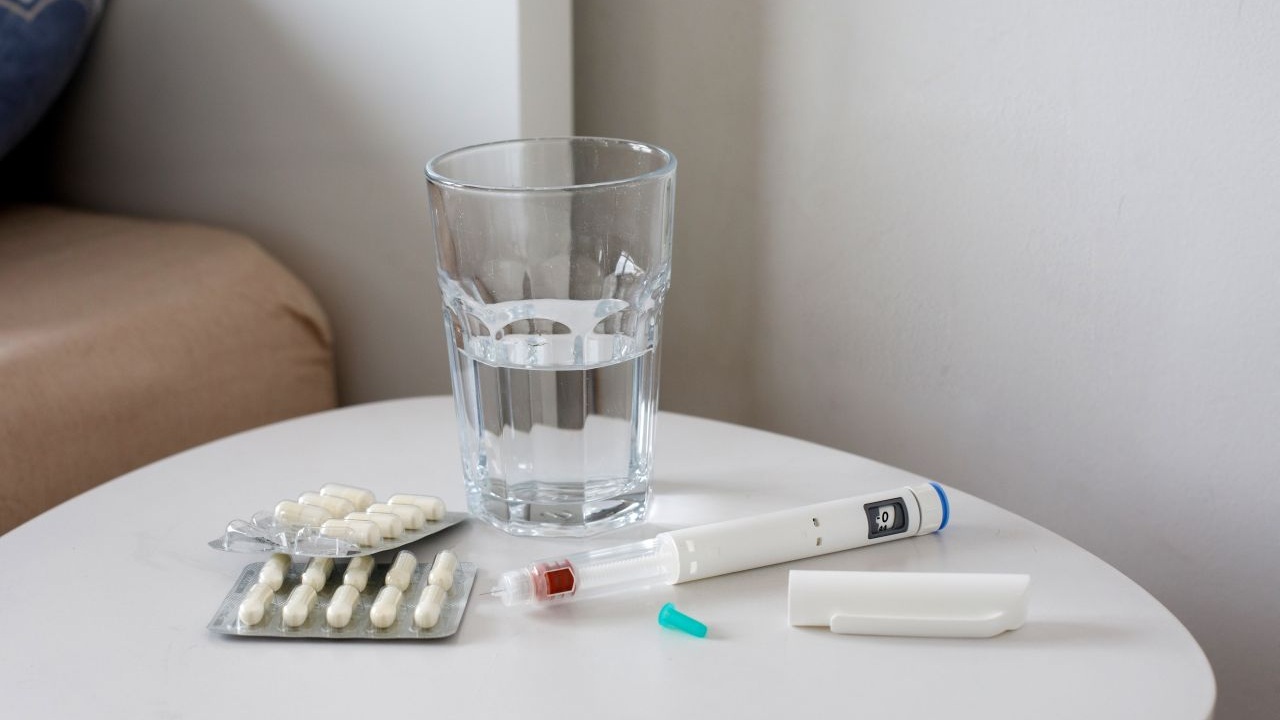
People who survive an opioid overdose face a steep risk of experiencing another one. A new large-scale study suggests a class of medications already familiar to many people for diabetes and weight loss, GLP-1 receptor agonists, may help change that and lower the risk of repeated overdoses.
Researchers studied 683,800 U.S. adults who had a documented overdose encounter in an emergency department or hospital between January 2017 and March 2026. The team drew on data from Cosmos, a research dataset covering more than 307 million patient records.
Patients who started a GLP-1 medication after their overdose had a 39% lower risk of a repeat overdose within three years compared to patients who never had prescriptions. Even patients who started a GLP-1 and later stopped retained a 20% lower risk than those who never used one.
The Numbers Behind the Finding
The protective association held up across different types of overdose. Patients whose first overdose involving liquor saw a 40% declining risk of a repeat overdose during active GLP-1 use. Those whose first overdose involved opioids or other drugs saw a 37% drop. When researchers excluded patients already taking medications for drugs and alcohol, the association grew stronger, with a 44% lower risk during active GLP-1 use.
Prior research found that survivors of an opioid overdose face a real chance of 15% or more of experiencing another overdose within a year. The highest risk concentrated in the weeks right after the first event. Existing medications for opioid use disorder reduce that risk substantially, but they reach only a small share of people who survive an overdose, and none have historically addressed the broader range of substances involved in overdose events the way that GLP-1s might.
Understanding Opioids and Overdose Risk
Opioids, including heroin, fentanyl and prescription painkillers, work by binding to receptors in the brain that control pain and reward. An opioid overdose occurs when these drugs suppress breathing to a dangerous or fatal degree.
That’s why naloxone and its brand name Narcan works by rapidly reversing that effect and restoring normal breathing.
GLP-1 medications, such as semaglutide and liraglutide, were originally developed for type 2 diabetes and later approved for weight management. Researchers believe they may reduce substance use by acting on brain regions involved in motivation and reward, the same circuitry implicated in addiction.
Earlier research in veterans with type 2 diabetes and a pre-existing drug misuse diagnosis found GLP-1 use associated with 40% lower overdose risk when compared to other diabetes medications. These signs suggest that this new study extends to a broader group of overdose survivors regardless of their reason for starting the medication.
Do note that people who start GLP-1s after an overdose may differ from those who don’t in ways the data doesn’t fully capture, such as having more consistent contact with healthcare providers. Some of the lower repeat-overdose risk could reflect those differences rather than just the medication by itself.
Harm Reduction and Treatment Still Come First
This research is promising, but it doesn’t replace proven interventions:
- Naloxone access remains the most immediate life-saving tool after an overdose.
- Medications for opioid use disorder, including methadone and buprenorphine, remain the frontline treatment with the strongest evidence base.
- Fentanyl test strips also help people identify contaminated supply before use, an important harm reduction step given how often fentanyl is now involved in overdose deaths.
For anyone recently discharged after an overdose, this is also a moment in which connecting with peer support can matter. Narcotics Anonymous offers a space to talk with others who understand active drug use and recovery without requiring folks to have already stopped using or committed to a specific treatment path.
NA a First Step for Opioid Treatment
If you or someone you love has survived an opioid overdose, talking to a doctor about GLP-1 medications alongside established treatment options is worth it, especially if diabetes or weight management is already part of the conversation. This isn’t a substitute for addiction treatment, but it may be a useful piece of a broader recovery plan for some patients.
That’s where we come in. Our searchable directory can help you find NA meetings anywhere in the country. You can also find local resources by calling 800-934-1582(Sponsored) and chatting with an expert about opioid addiction treatment options.
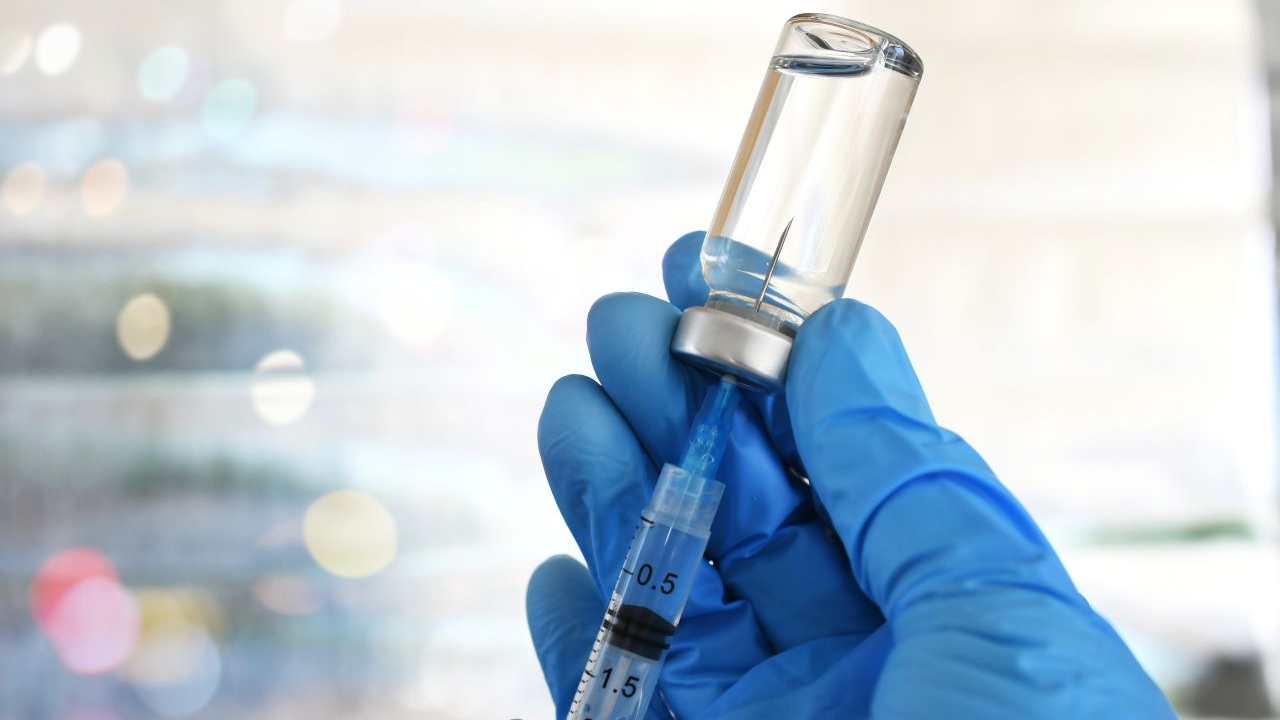
An experimental fentanyl vaccine has cleared its first human trial. Researchers say this development might eventually add a new prevention tool to the fight against opioid overdose.
The Opioid Crisis and a New Prevention Approach
Fentanyl now accounts for the majority of opioid overdose deaths in the United States, and its potency makes it far more dangerous than heroin or many prescription opioids. Drugmaker ARMR Sciences reported its early stage clinical trial showed the vaccine was safe and well tolerated. Participants developed immune responses that could, in theory, block fentanyl from reaching the brain and triggering an overdose.
The small Phase 1 trial enrolled around 40 healthy adults at the Centre for Human Drug Research in the Netherlands, a facility linked to Leiden University. It’s the first time a fentanyl vaccine was tested in people, and researchers now plan larger Phase 2 trials to see how well it actually prevents overdose in real world conditions.
The Fentanyl Vaccine in Action
The vaccine trains the immune system to produce antibodies that bind to fentanyl molecules in the bloodstream. Those antibody complexes are too large to cross the blood brain barrier, so the fentanyl attached to them can’t reach the brain to produce a high or trigger the respiratory depression that causes a fatal overdose.
This is a fundamentally different mechanism than existing tools. Naloxone, sold under brand names like Narcan, reverses an overdose after it has already started by displacing opioids from receptors in the brain. Medications like methadone and buprenorphine reduce cravings and manage withdrawal for folks in treatment.
In contrast to established methods, the vaccine works earlier in the sequence, before fentanyl ever reaches the brain. That’s why researchers describe it as a preventive approach rather than a treatment or a reversal agent.
In animal studies, protection lasted around six months, and researchers hope a course of shots might eventually protect a person for roughly a year. However, that timeline hasn’t yet been confirmed in humans.
The Vaccine’s Potential for the Overdose Epidemic
The vaccine is still years away from any public availability, if it proves safe and effective in larger trials. It’s not designed to replace medication assisted treatment, counseling or peer support, and researchers are clear that the vaccine is intended for folks who want an additional layer of protection, not a standalone cure.
For people with opioid use disorder today, and for anyone who uses drugs that might contain fentanyl without their knowledge, existing tools remain the most immediate line of defense against overdose.
Harm Reduction and Treatment Available Now
- Carry naloxone. It’s available at most pharmacies without a prescription and can reverse an opioid overdose in progress.
- Fentanyl test strips can help people who use drugs check for fentanyl contamination before use.
- Medication assisted treatment, including methadone, buprenorphine and naltrexone, remains the evidence based standard for opioid use disorder.
- Narcotics Anonymous meetings offer peer support for people in recovery from any drug addiction, not just opioids.
NA as the First Step to Fight Opioid Addiction
A future vaccine will not help anyone facing addiction today, but treatment and support are already available. Call 800-934-1582(Sponsored) to speak with a specialist about NA meetings for peer support and learn where to find harm reduction programs to prevent a fatal overdose when it matters most.
You can also browse our directory to locate NA meetings anywhere in the country. Narcotics Anonymous offers the first–and often the longest–lasting line of defense against drugs. Connect with your peers and recover together.
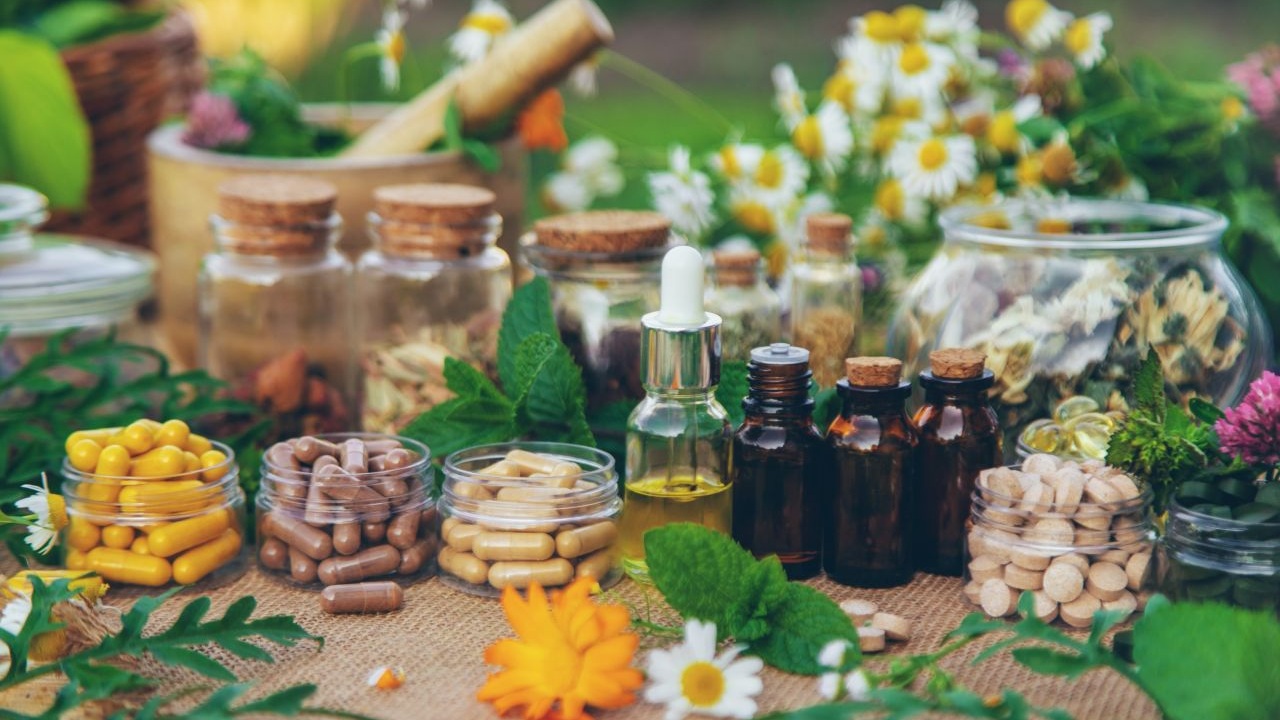
July is Herbal/Prescription Interaction Awareness Month, an annual observance that highlights how dietary and herbal supplements can interact dangerously with prescription medications. For people in opioid addiction treatment or recovery, the reminder carries extra weight. Common supplements often interact with many medications used to treat opioid use disorder (MAT). Mixing them without medical guidance is a risk worth taking seriously.
Herbs Matter for Opioid Addiction Treatment
People with opioid addiction are often prescribed medications like buprenorphine, methadone, or naltrexone as part of MAT. These prescriptions interact with the body’s systems in specific, carefully managed ways. Herbal supplements aren’t risk-free just because they’re sold over the counter. According to the awareness campaign, herbal and prescription drug interactions are more common than many folks realize, particularly for anyone taking multiple medications.
Clinicians already know that certain widely used herbs interact with prescription drugs in ways that matter for people managing opioid addictions. St. John’s Wort, commonly used for mood support, can impact antidepressants and other medications by affecting how the body processes them. Ginseng and garlic engage with blood thinners. Ginkgo biloba can affect anticoagulants.
The core lesson applies broadly. Any supplement has the potential to change how a prescription works in the body, whether that medication treats pain, mental health conditions, or opioid use disorder itself.
The Risk During Recovery
Someone in early recovery from opioid addiction may be coping with withdrawal symptoms, cravings, and co-occurring conditions like anxiety or insomnia all at once. That combination makes supplements marketed for sleep, mood, or energy feel appealing. In addition, media headlines often bandy about new supplements as effective or even as miracle cures.
But introducing an unreviewed supplement while on MAT medications or managing prescriptions for pain or mental health adds a variable that a care team has not accounted for.
Before Taking Any Supplement
Anyone undergoing treatment for opioid addictions should talk to their prescribing physician or care team before starting any herbal supplement, even one that seems harmless. This is especially important for patients on MAT, which interact with the liver’s drug-metabolizing enzymes in ways that a wide range of other substances can affect. A pharmacist can also quickly check for anyone unsure whether a supplement can safely mix with their current prescriptions.
Kratom deserves a specific mention in this context. It’s sometimes used informally by people trying to manage opioid withdrawal symptoms on their own, but it interacts directly with the brain’s opioid receptors and carries its own risk of dependence.
Anyone considering it during opioid addiction recovery should discuss it with a medical provider first, the same as any other supplement.
Harm Reduction and Treatment Resources
If you or someone you know is in opioid addiction recovery and taking multiple medications, a “brown bag” medication review, where you bring every medication and supplement you take to a single appointment, is a simple way to catch potential interactions early.
This same caution applies to naloxone and other harm reduction tools. Knowing what you’re taking and why keeps emergency responders and care teams able to help effectively if something goes wrong.
Starting Out with NA
Narcotics Anonymous meetings and peer support remain valuable alongside medical treatment for opioid use disorder. Meetings are free and confidential, not to mention based in your own neighborhood. The colleagues you meet form fellowships that last a lifetime.
That’s where we come in. Our directory can help you find an NA meeting near you tonight. Search our browsable directory for NA meetings anywhere in the country. You can also feel free to dial 800-934-1582(Sponsored) to speak with an expert about opioid addiction treatment options, including guidance on MAT and how to safely manage supplements alongside prescribed care.

A new mobile clinic named for late Alice in Chains singer Layne Staley brings opioid addiction treatment straight to tiny home villages in Seattle. While The Evergreen State of Washington already boasts many substance abuse programs including local Narcotic Anonymous chapters, the mobile clinic can meet residents where they live instead of asking them to travel across town for care.
Opioid Treatment Comes to Tiny Home Villages
The Layne Staley Mobile Medical Unit was developed by Therapeutic Health Services with partial funding from the Layne Staley Memorial Fund and began service in summer 2026 at tiny home villages operated by the Low Income Housing Institute, starting with Interbay Village. The unit visits at least three tiny home sites a day from Mondays through Saturdays and serves up to about 250 people daily.
They bring medication for opioid use disorder (MAT) and counseling directly to residents. The clinic supplements other harm reduction programs already in place throughout Washington State.
“Hope starts here. Hope is available,” Therapeutic Health Services CEO Patricia Edmond-Quinn noted as they rolled out the project. Layne Staley’s mother, Nancy McCallum, attended the unit’s ribbon-cutting alongside Seattle city officials.
Mobile Access Matters for Opioid Treatment
Methadone, one of the most effective MAT options, must be dispensed at a licensed opioid treatment program. Missing a dose can bring on withdrawal symptoms within hours. People living in tiny home villages often lack stable transportation, and reaching a fixed clinic every day for medication remains a serious barrier to consistent treatment.
The mobile unit is built to dispense methadone and other medications on site, along with counseling. Its developers say therapy should reduce missed doses and help connect residents to longer-term services.
King County health officials noted that after a dip in overdose deaths in 2024, numbers started ticking upwards again, mostly because of fentanyl. Many tiny home village residents, have recent histories of street-level drug use and continue to face heightened exposure to that risk. Even a brief gap in opioid maintenance treatment can reduce someone’s tolerance to a dangerous degree.
Understanding Opioid Use Disorder & Treatment Options
Therapeutic Health Services says they’re in the final stages of DEA and SAMHSA licensing for the mobile unit. They plan to publish its route and schedule as service expands to more tiny home villages across the Seattle area.
For residents and families navigating opioid addiction in the Seattle area. MAT has particularly enhanced recovery outcomes. In general, MAT works by easing withdrawal symptoms and cravings so people can stabilize and engage with counseling and other recovery support. Indeed, harm reduction tools like naloxone and fentanyl test strips remain widely available alongside treatment options.
However, it’s important to remember that no single medication or path works for everyone, and NA meetings and peer support can complement MAT rather than compete with it.
NA in Seattle & Beyond
Neighborhood NA chapters, along with opioid treatment programs and mobile med units like this one, offer multiple starting points. It all depends on what someone needs right now. Meetings remain free and nonjudgmental, not to mention confidential. The fellowship built in chapters often lasts a lifetime.
Call 800-934-1582(Sponsored) to chat with an expert about opioid addiction treatment options in any location. Or, browse our listings for verified NA meetings anywhere in the USA.
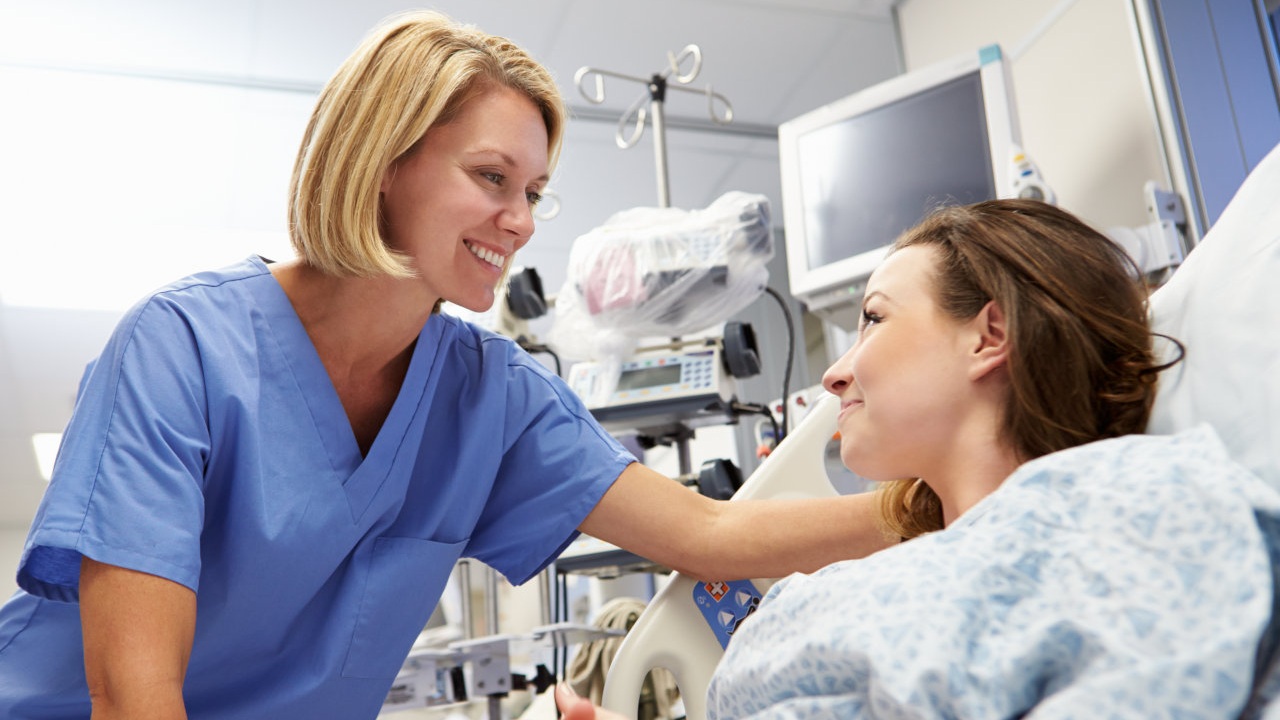
For someone leaving an emergency room in withdrawal, the days before their next opioid addiction treatment appointment are often the most dangerous. Now, a Missouri hospital system says closing that gap has nearly tripled patient engagement. The Show-Me State has long featured many programs for substance misuse, including local Narcotics Anonymous chapters, and these expanded programs show residents and loved ones that help is always standing by.
Mercy Hospital Lebanon, in rural Missouri, is piloting a program that pairs emergency department patients who have opioid use disorder with a three-day supply of medication and a guaranteed virtual addiction specialist appointment within 72 hours of discharge. The hospital partnered with the Virtual Substance Use Recovery Program to build the model after staff noticed patients leaving the ER with few local options.
Opioids in Missouri
According to the CDC, 217 people died each day from opioid overdoses in the United States in 2023, with death rates running higher in rural areas. Jen Speer, Executive Director of Operations for Mercy Hospital Lebanon and Rolla, observed that visible gap firsthand. When ER discharges patients after delivering care for an overdose, “there are not a lot of resources in our community,” Speer relayed. “There may be one or two, but these patients are coming in the middle of the night, and so we were looking at how to create something that can help fill the gaps.”
Hospital officials said the highest-risk window is the first 72 hours after discharge, when a patient may be in active withdrawal while waiting up to weeks for an appointment with a psychiatrist or addiction specialist. That delay raises the chances of relapse and a return trip to the emergency room. Funding cuts also worsen the situation by reducing public services, such as naloxone distribution.
The pilot addresses the gap directly. Patients leave with three days of medication to manage withdrawal, then connect with an addiction specialist by video within those 72 hours, rather than being handed a list of phone numbers to call on their own.
Opioids & Harm Reduction
The broader picture shows how greater engagement is needed. Opioid use disorder is a chronic condition in which a person continues using opioids despite harmful consequences. Withdrawal can begin within hours of a person’s last dose and includes symptoms such as nausea, muscle pain, anxiety, and intense cravings. That’s partly why the first days after leaving a hospital or detox program carry such high relapse risk.
In the six months since launch, Mercy reported a 32% conversion rate from ER discharge into ongoing addiction treatment, compared with an average of 10-15% typically seen for opioid use disorder engagement. Patients who connect with an addiction specialist through the program stay engaged for around 230 days. The program is now available beyond the original Lebanon site, with access through Mercy hospitals in Aurora, Cassville and Carthage.
Models like Mercy’s underscore a broader harm reduction principle. The period right after a hospital discharge or overdose reversal is a critical window for preventing another overdose. Here are two common options:
Medication-assisted buprenorphine and methadone can be started or continued through many primary care and addiction medicine providers regardless of whether a hospital has a formal bridge program in place.
Also known as Narcan, naloxone can reverse an opioid overdose in progress and is usually available without a prescription. Family members and friends of someone with opioid use disorder should keep naloxone on hand and know the signs of an overdose, including slowed or stopped breathing, blue-tinted lips, and unresponsiveness.
NA: The First Step
People in Missouri or elsewhere leaving a hospital or detox program in withdrawal don’t have to wait for a model like this to reach their area. NA meetings offer free peer support the same day, and the fellowship lasts a lifetime.
Call 800-934-1582(Sponsored) to chat with an expert for opioid addiction treatment options, or find an NA meeting anywhere in the country through our searchable directory.

Amid an opioid crisis that keeps claiming lives, the search for a non-opioid painkiller has taken scientists to an unlikely place: the venom of a sea snail. Researchers have highlighted how cone snail venom already produces one powerful pain medicine that carries no known risk of opioid addiction, and scientists believe it could lead to more.
From Deadly Venom to Pain Medicine
The clearest proof so far is a drug called ziconotide, derived from the venom of the magician cone snail, known scientifically as Conus magus. The FDA approved ziconotide back in 2004 for severe chronic pain for those folks who don’t respond to conventional treatment.
However, unlike regular painkillers, ziconotide doesn’t interact with opioid receptors in the brain, which means it isn’t associated with addiction. Instead, it blocks N-type calcium channels that carry pain throughout the nervous system.
There’s a practical catch. Because ziconotide can’t easily cross the blood-brain barrier, it has to be delivered directly into the cerebrospinal fluid through an implanted pump, which limits it to specific cases.
Snails Impact the Opioid Crisis
Opioids remain a mainstay for treating serious pain, but long-term opioid use carries real risks, including dependence and overdose. A medicine that relieves severe pain without touching the brain’s opioid system is exactly the kind of tool clinicians have wanted.
Indeed, ziconotide showed that venom molecules can be turned into effective, non-addictive therapies. That’s why researchers are still mining cone snail venom for new leads.
Scientists’ Next Steps
Researchers say they have barely scratched the surface. One potential area involves alpha-conotoxins. These are a group of venom peptides that can interact with immune cells linked to chronic nerve pain. Scientists are now investigating whether these non-opioid alternatives might one day help treat conditions such as chemotherapy-induced neuropathy and diabetic nerve damage.
It’s important to note that most of this work is still investigational, and these potential treatments are years away from any pharmacy shelf.
Understanding Opioids and Addiction Treatment
Let’s take a step back. Generally, opioids are a class of drugs that includes prescriptions for pain such as oxycodone and morphine, as well as illicit heroin and fentanyl. They relieve pain but can lead to dependence. In higher doses, opioids can result in overdose, such as slowing down the breathing to a fatal level. Non-opioid options matter because they can treat pain while sidestepping that risk.
While scientists work on the next generation of pain drugs, proven tools already save lives today. Take a look:
- Naloxone/Narcan can reverse an opioid overdose.
- Medications for opioid use disorders, including methadone, buprenorphine, and naltrexone, are evidence-based treatments.
- Peer support through Narcotics Anonymous meetings helps many people in recovery.
Begin NA Today
If you or someone you love is affected by opioid addiction, don’t wait for snail venom to hit the shelves. Search NA meetings in any location via our browsable directory. Free and confidential meetings remain a first and long-lasting step to recovery.
You can also dial 800-934-1582(Sponsored) to ask about opioid treatment programs with an expert, and look into harm reduction resources like naloxone and fentanyl test strips.
The opioid crisis continues to leave a long trail, and some of the people carrying its weight are grandparents. As opioid addiction has pulled parents out of children’s lives through death or active substance use, older relatives have stepped in to raise the next generation. Now a handful of states plan to use opioid settlement funds to aid them.
About 300,000 grandparents across the United States are raising their grandchildren, a role that saves the child welfare system an estimated $10.5 billion a year. from 2011 to 2021, an estimated 321,500 kids in the U.S. lost at least one parent to a drug overdose.
Overdose deaths remain widespread but the death toll has eased since 2023. Roughly 70,000 Americans died of drug overdoses in 2025, down 14% from the previous year. Nevertheless, behind each death is a victim and the family members left behind to fill a hole in their lives.
The Settlement Money
The money set aside to address opioid addiction comes from companies tied to the crisis. In 2022, the three largest pharmaceutical distributors, Cardinal, McKesson and AmerisourceBergen, along with manufacturer Johnson & Johnson, settled for $26 billion.
In May 2026, Purdue Pharma and its owners, the Sackler family, settled for an additional $7.4 billion. States like Iowa are now deciding how to spend their shares, often through advisory boards that fund prevention, treatment, recovery and harm reduction.
States’ Responses
Advocates say grandfamilies have largely been left out of those spending decisions, and a few states are starting to change that. Some cities have spearheaded the effort. In Boston, officials are distributing up to $5,000 to families that lost a relative to opioid overdose.
Other states have broader programs. In the south, Alabama launched a pilot offering one-time grants up to $2,000, or $500 per grandchild, across 15 counties. Georgia’s share is $636 million over 18 years, and Illinois expects $1.4 billion by 2038, though neither state has a formal process to direct money to grandfamilies.
New Mexico exempts grandparents with legal custody from some childcare work requirements. Pennsylvania lawmakers introduced a bill to create a Grand-family Assistance Program Fund.
Some programs are still in development. In Ohio, a coalition’s proposal to fund a family emergency fund was denied. However, advocates plan to press on to assist vulnerable community members and their families.
Opioids and Overcoming Overdose
Opioids include prescription painkillers and other narcotics, some of them illicitly manufactured. Fentanyl remains especially far more potent than other opioids, which is part of why overdoses can happen so fast.
Naloxone, the reversal medication known as Narcan, can restore breathing during an opioid overdose and has no effect on someone without opioids in their system. Recognizing an overdose and carrying naloxone are simple life-saving steps for any family touched by opioid addiction.
Recovery looks different for different people. Options include medications for opioid use disorder, counseling, peer support, and mutual-aid groups such as Narcotics Anonymous. These paths can work together.
For instance, family support also means caring for children who’ve lived through loss and instability. At times, loved ones need extra trauma-informed mental health care to cope with their losses.
Starting NA to Fight Opioid Addiction
If you or someone you love deals with opioid addiction, help is available.
One of the easiest steps is to sign up at your local Narcotics Anonymous chapter. These programs offer free and confidential fellowship, with specialized groups conducted online, in Spanish or other languages, or with those who share your background.
Getting started consists of simply dialing 800-934-1582(Sponsored) to speak with an expert. Or, browse our directory to find a meeting anywhere in the United States.