 800-861-9372

An overdose on narcotics is extremely dangerous, and it can be fatal. Knowing the signs of overdose is important, as immediate help is essential.
Are Narcotic Overdose Symptoms Deadly?
Get Help Now 800-934-1582
 Sponsored
Sponsored
Most narcotic drugs, whether prescribed by a doctor or bought on the streets, have the potential to be abused. Many narcotic-type drugs can become addictive, and individuals who misuse them risk health complications. Not only can taking too much of a drug lead to addiction or overdose, but narcotic overdoses can be fatal too.
According to the U.S. National Library of Medicine, a drug dose that is large enough to be toxic is called an overdose. This may happen suddenly, when a large amount of the drug is taken at one time, or when taken gradually over a longer time period. Prompt medical attention may save the life of someone who accidentally or deliberately takes an overdose.
What Makes Symptoms Potentially Fatal?
There are several reasons why a narcotic overdose can happen. It can be intentional or happen after taking large doses over time. Regardless of what causes an overdose, the effects can be dangerous and, in many instances, can prove to be fatal if not treated quickly. Some of the symptoms known to lead to death if medical attention is not applied promptly include:
Respiratory depression:
When a user experiences respiratory depression because of a narcotic overdose, they have difficulty breathing. Breathing becomes slow or shallow, leading to low oxygen levels in the brain. Other signs associated with respiratory depression may include:
- Excessive fatigue
- Anxiety and confusion
- Cyanosis –dark or purple skin
When breathing slows to the point that the brain does not receive enough oxygen, and causes respiratory arrest, it can lead to a loss of consciousness, coma or death.
Convulsions:
Convulsions (or seizures) from drug overdose can cause a person’s body to shake uncontrollably. Some of the symptoms of seizures that can develop may include:
- Loss of bowel or bladder control
- Teeth clenching
- Uncontrollable muscle spasms
- Drooling at the mouth
- Breathing problems
If the person loses consciousness and does not awake from a drug overdose seizure, it can also result in coma or death. Medical attention must be sought immediately when a person is having convulsions and has lost consciousness or is having difficulty breathing.
Heart rate:
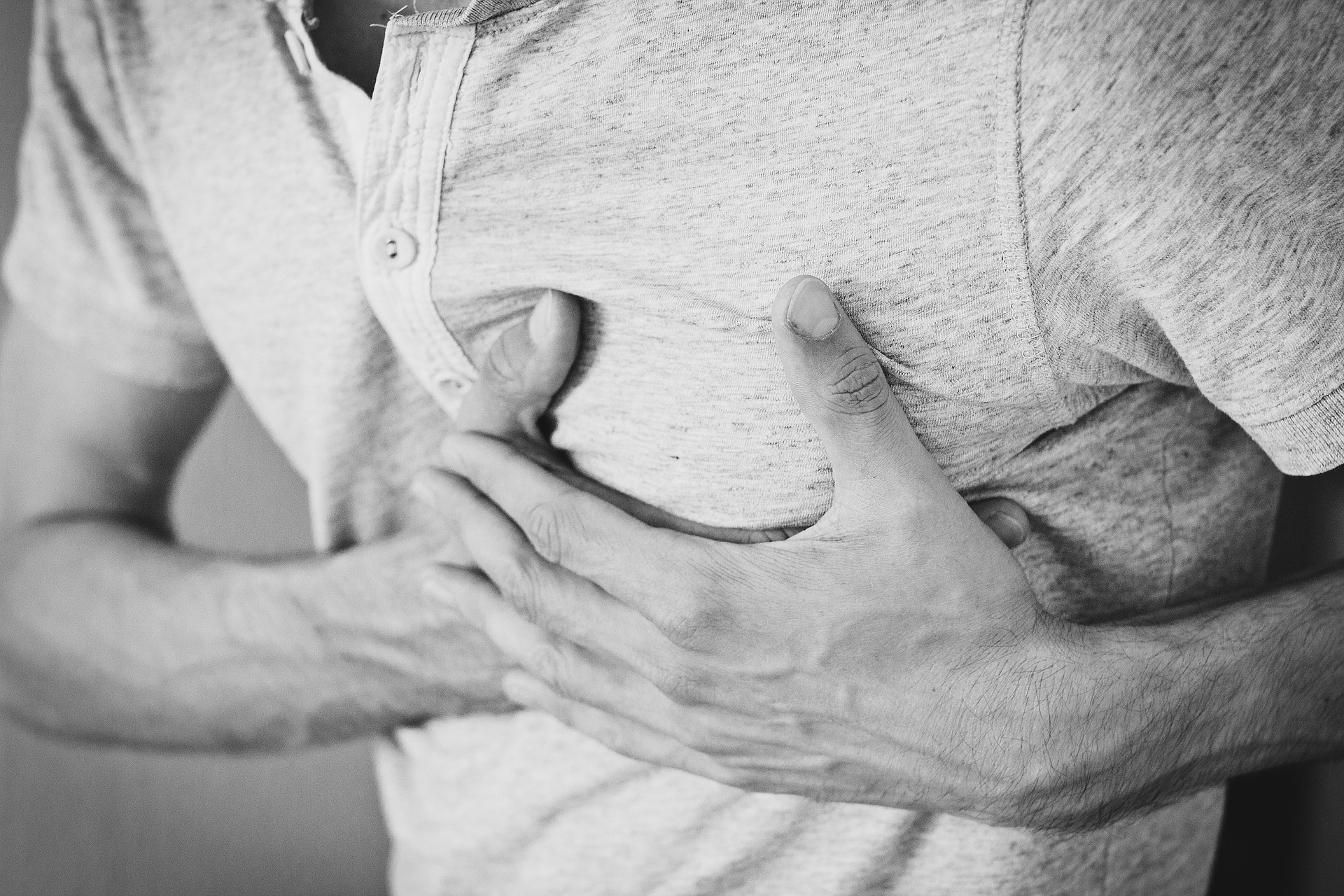
An overdose can cause cardiac problems such as chest pain or a heart attack.
Depending on the type of narcotic, an overdose can cause the individual to experience an increase or decrease in heart rate. Either of these complications, if left untreated, can lead to death. An increased heart rate can lead to:
- Stroke
- Heart attack
- Death
A decreased heart rate can lead to:
- Slow breathing
- Fainting
- Chest pain
- Cardiac arrest (the heart stops and can lead to death)
When an individual has taken an overdose, it is important to seek immediate medical attention. No one should try to awaken a person who has lost consciousness by placing them in a bathtub of water or slapping them. Neither strategy works, and both can cause permanent damage or death.

How Good Samaritan Laws Save Addicts from Overdose and Promote Treatment
Many witnesses of overdose don’t call 911 due to the fear of facing legal ramifications for their own drug use or possession.
Other Narcotic Overdose Symptoms that Can Be Deadly
Psychosis:
Certain narcotic drugs can induce psychosis if an overdose is taken. Symptoms of psychosis are similar to those of suffering from schizophrenia. A psychotic episode can be very dangerous and cause disturbing hallucinations. The individual can become extremely paranoid and not be able to tell what is real or not. This can lead them into dangerous situations, cause them to harm themselves or others, and even commit suicide.
Vomiting or Choking
Vomiting or choking during a narcotic overdose can quickly become life-threatening, particularly if the person is unconscious or unable to protect their airway. Opioids can slow breathing and reduce the gag reflex, increasing the risk that vomit may be inhaled into the lungs. This condition, called aspiration, can lead to suffocation, severe lung injury, or death if not treated immediately. Warning signs may include:
- Repeated vomiting or gagging
- Choking sounds or difficulty swallowing
- Gurgling or bubbling noises from the mouth or throat
- Vomit present in the mouth or airway
- Unconsciousness combined with vomiting
Very Low Blood Pressure
Very low blood pressure, also known as hypotension, can occur during a narcotic overdose when the body’s circulation slows, and vital organs do not receive enough oxygen. This can lead to shock, organ failure, or cardiac arrest if untreated. Low blood pressure is particularly dangerous when combined with respiratory depression or dehydration. Symptoms may include:
- Dizziness or lightheadedness
- Fainting or sudden collapse
- Weak or barely detectable pulse
- Cold, clammy, or pale skin
- Confusion or extreme fatigue
If you or someone you love is using high doses of a narcotic drug, it is important to understand the dangerous effects that an overdose can cause. An overdose can lead to death if medical attention is not received immediately. The best way to prevent an overdose is by seeking treatment for drug abuse and addiction. Call 800-934-1582(Sponsored) and talk to an addiction specialist about getting treatment, and learn to create and live a healthier lifestyle free of drugs.
the Take-Away