 800-861-9372

A Missouri state budget decision cuts the funding for naloxone, an opioid overdose reversal medication, by more than half. The decision sets off a heated debate between fiscal conservatives focused on long-term solvency and public health advocates who warn the reduced funds will cost lives. The outcome is still being negotiated in the state Senate …
Cuts to Naloxone Funding Spark Opioid Overdose Debate in Missouri
Get Help Now 800-934-1582
 Sponsored
Sponsored
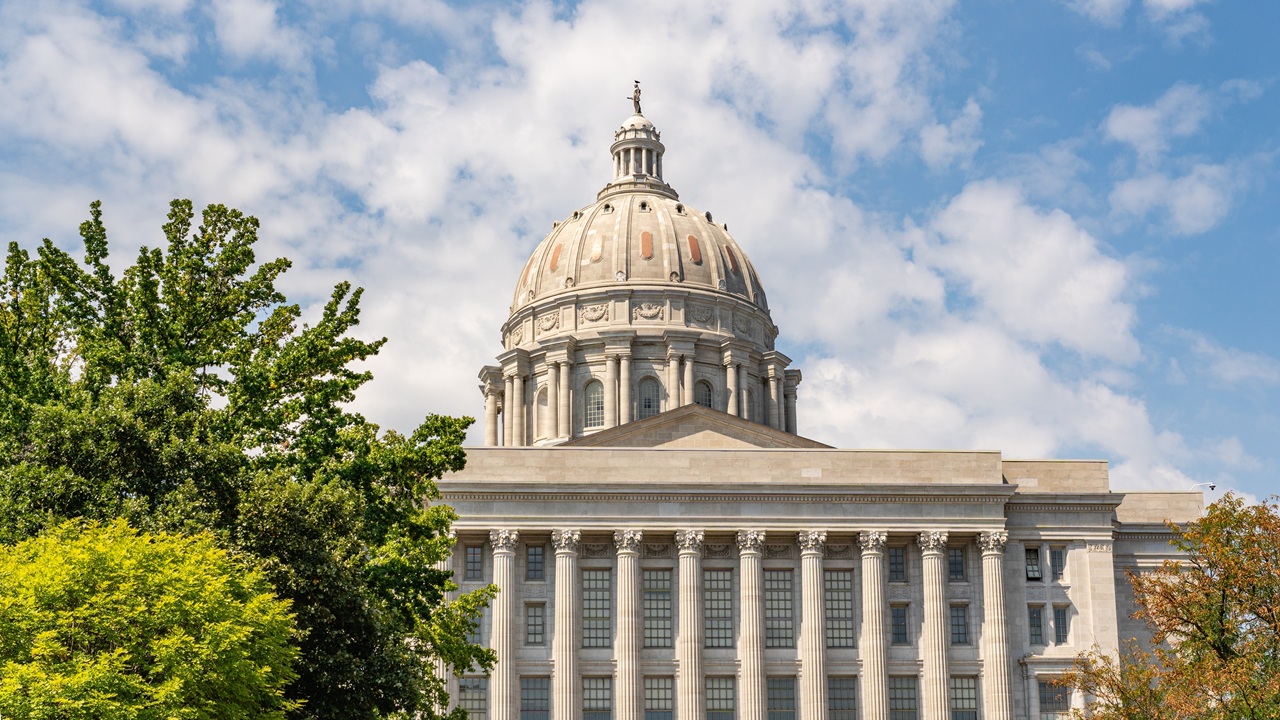
A Missouri state budget decision cuts the funding for naloxone, an opioid overdose reversal medication, by more than half. The decision sets off a heated debate between fiscal conservatives focused on long-term solvency and public health advocates who warn the reduced funds will cost lives. The outcome is still being negotiated in the state Senate and will have direct consequences for Missourians across the state with narcotic addiction.
Living up to the nickname of The Show-Me State, Missourians have enjoyed a wide range of treatment programs for those impacted by subsistence use disorder. Grassroots Narcotics Anonymous meetings and modern inpatient hospitals have benefitted thousands of residents across the state’s 114 counties.
But all of this may be jeopardy if funding dwindles at the top level. The House slashed nearly $8 million allocated for naloxone, which reverses opioid overdoses. The new budget eliminates more than 54% of Missouri’s naloxone funding for 2027.
Missouri’s Context
Missouri has made real progress against its opioid epidemic in recent years. Overdose deaths decreased from 2,180 in 2022 to less than 2000 a year later. State officials have credited the increased availability of treatment and recovery services for the decline.
Whether the state can sustain these gains without full naloxone investment sits at the heart of the current dispute. Fentanyl remains the dominant driver of opioid overdose deaths nationally, and harm reduction researchers argue that naloxone distribution is among the most evidence-backed tools available to prevent fatal overdoses.
The Case Against the Cuts
Public health advocates and addiction researchers argue that eliminating naloxone funding is shortsighted, regardless of broader budget pressures. They point to other states from Kentucky to Washington that have slashed lethal overdoses simply by investing in naloxone distribution.
Dr. Rachel Winograd of the University of Missouri-St. Louis warned that the consequences would be severe and direct: “We say we care about saving lives [and] this is a tangible, evidence-based way to do that.”
The funding provides free naloxone to police and fire departments and makes doses available through the addiction sciences program at the University of Missouri-St. Louis. Advocates note that naloxone is inexpensive per dose, non-addictive and distribution has no downside for communities. When taken, it either saves a life or does nothing.
Public health officials also point out that naloxone’s usefulness extends well beyond illicit drug users. Accidental scenarios like an elderly patient receiving too high a prescription painkiller dose, or a child accessing a medicine cabinet, happen more frequently than people realize Naloxone can save a life in those situations, too.
The Budget Decision
Supporters of the cuts frame them as a painful but necessary response to a genuine fiscal emergency, not an ideological choice.
Missouri Auditor Scott Fitzpatrick observed that lawmakers must cut $1.5 billion from the state’s $50 billion budget, or Missouri will run out of money by 2028. The reason? State spending has grown at twice the rate of the broader economy over the past five years.
House Budget Chairman Rep. Dirk Deaton acknowledged the hard choice before him: “There’s no easy decisions. All $50 billion of that is somebody’s most important priority.”
From a fiscal standpoint, proponents of tighter spending argue that the state can’t sustain every program indefinitely on a structural deficit. Prioritizing local services requires making cuts across the board, including in health programming.
They also point out that Missouri’s naloxone programs receive federal funding, which remains in place for now. Private insurance may also help ease potential costs for consumers should free naloxone dry up. But local officials acknowledge that they can’t depend on federal funding forever.
What Happens Next
The naloxone funding might still be restored. Lawmakers are currently marking up the budget and have until May 8 to send a final version to the governor. The outcome depends on how the Senate weighs fiscal constraints against public health priorities. Missouri isn’t alone in this; debates play out in statehouses across the country as federal opioid settlement funds and pandemic-era health spending wind down.
While naloxone plays a central role in saving lives on the Main Street level, those impacted by substance misuse can take active steps on their own. Reaching out to peer support programs like Narcotics Anonymous opens the door to local and state resources—even if it’s just a sympathetic shoulder to lean on.
Browse our directory of NA meetings in Missouri and across the country, or dial 800-934-1582(Sponsored) to speak to an expert today.
the Take-Away