 800-861-9372

A new class of diabetes and weight-loss drugs is drawing attention from researchers, and the early data on opioid addiction may be the most compelling signal yet. GLP-1 receptor agonists, the drug class that includes semaglutide (sold as Ozempic and Wegovy), appear to reduce cravings, lower overdose risk and decrease substance use disorder diagnoses in …
GLP-1 Drugs Show Promise for Pain Management and Opioid Addiction
Get Help Now 800-934-1582
 Sponsored
Sponsored
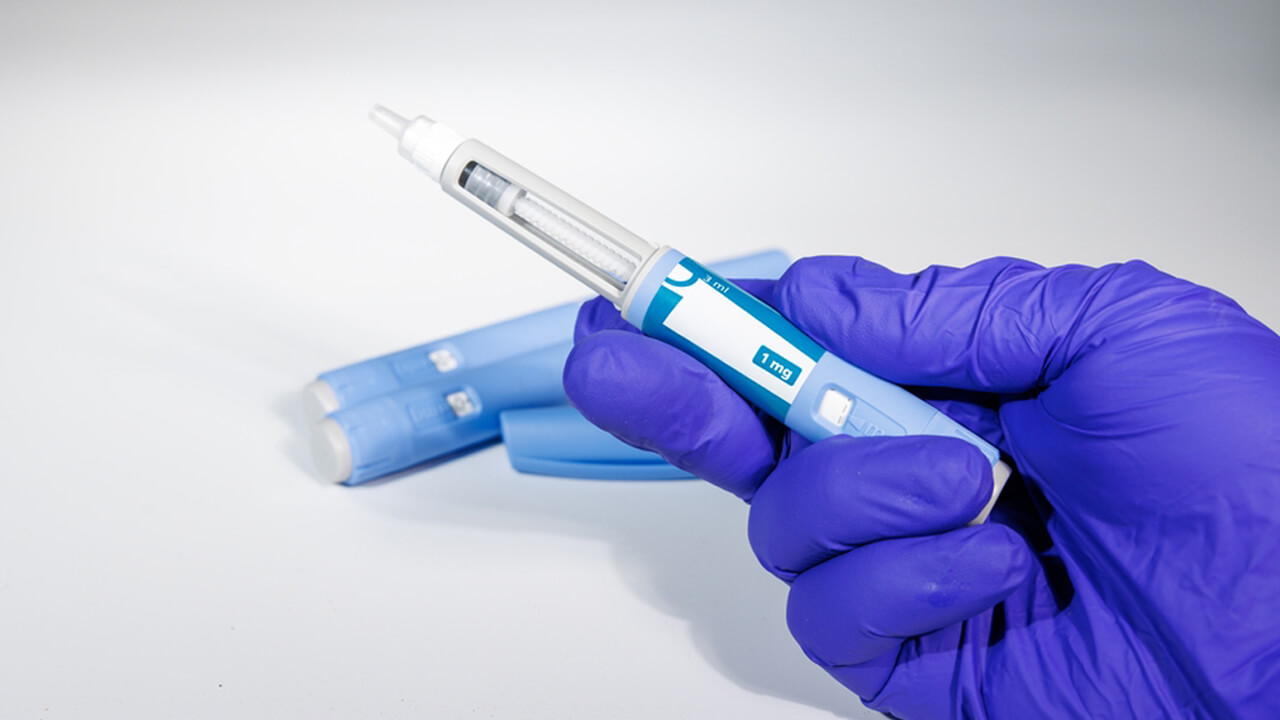
A new class of diabetes and weight-loss drugs is drawing attention from researchers, and the early data on opioid addiction may be the most compelling signal yet. GLP-1 receptor agonists, the drug class that includes semaglutide (sold as Ozempic and Wegovy), appear to reduce cravings, lower overdose risk and decrease substance use disorder diagnoses in real-world studies. But experts urge caution before the hype outpaces the evidence.
Introducing GLP-1 Drugs
GLP-1 receptor agonists were developed to treat type 2 diabetes and obesity by mimicking a hormone that regulates blood sugar and appetite. They’re typically administered once a week by injections. What researchers didn’t expect was that patients consistently reported reduced cravings—not just for food, but for alcohol, nicotine and opioids.
The leading theory is that GLP-1s modulate the brain’s reward pathways. These are the same neural circuits implicated in narcotic addictions. If confirmed, that mechanism would represent a genuinely novel approach to treating substance use disorders.
Opioid Addiction Data
The most striking evidence comes from a 2026 observational study of more than 600,000 U.S. veterans with type 2 diabetes. GLP-1 use correlated with lower risk of developing substance use disorders involving cannabis, cocaine and opioids. Among those with preexisting substance use disorders, GLP-1 takers had lower risks of hospitalization, overdose and suicidal ideation.
For those misusing opioids, the overdose finding is particularly significant. And the research is growing.
A separate randomized Phase 2 clinical trial focused on alcohol use disorder. It found that once-a-week semaglutide reduced drinking frequency and cravings over nine weeks compared to placebo. A recent systematic review also identified 33 registered clinical trials examining GLP-1s for substance use disorders, with growing interest in opioid and stimulant dependencies.
Fentanyl & the Stakes of New Treatment Options
The urgency behind this research is major. The opioid epidemic is now dominated by illicitly manufactured fentanyl and death tolls continue to mount. Fentanyl is 50x more potent than heroin, and accidental overdoses are common even among experienced drug users.
Current FDA-approved medications for opioid addiction are effective but fall victim to stigma, access barriers and treatment dropout. A non-opioid option like GLP-1 that reduces cravings can really expand the treatment toolkit, particularly for those who haven’t responded to existing therapies.
Some Gaps in the Science
Addiction specialist Dr. Lynn Webster is careful to distinguish between “promising” and “proven.” For instance, the large veteran study is observational and doesn’t establish that GLP-1s directly caused the reductions in opioid cravings. Patients prescribed GLP-1s may differ from those who aren’t in ways that affect the results.
Researchers note that the consistency of effects across multiple substances and outcomes provides a strong rationale for dedicated clinical trials. But those trials haven’t yet been completed for opioid use disorder specifically.
Safety considerations also matter for people in addiction recovery. Common side effects like nausea, vomiting, diarrhea and appetite suppression can persuade folks to stop therapy altogether, and many GLP-1 benefits fade when treatment stops.
In addiction care, insurance gaps and supply disruptions are common, which can lead participants to stop treatment if they can’t afford it. A 2026 analysis found that even brief interruptions in GLP-1 therapy were associated with elevated cardiovascular risk.
Seeking Help for Opioid Addiction Today
GLP-1 drugs aren’t yet an approved or available treatment for opioid addiction. They’re still classified as diabetes and weight-loss medications, so doctors don’t prescribe them off-label for substance use disorders. The clinical trials needed to establish safety and efficacy in this population are still underway.
That means the most effective and evidence-based options for opioid addiction today remain prescriptions like buprenorphine or methadone, combined with counseling and peer support through programs like Narcotics Anonymous.
NA meetings provide community, accountability, and lived experience that no drug can replicate. For many people in recovery from opioid addiction, the combination of medication, therapy, and peer support through NA meetings make lasting recovery possible.
While GLP-1 remains in the testing stage, attending NA meetings can be a head start toward recovery. Call 800-934-1582(Sponsored) to speak with an expert or browse our directory to find meetings organized by location across the country.
the Take-Away