 800-861-9372


Seven generic drug manufacturers will pay Maryland more than $13 million to help fund treatment and recovery services for opioid addiction. Attorney General Anthony Brown made the announcement as the opioid crisis continued to take its toll on Marylanders.
To be sure, The Chesapeake State offers an abundance of programs to fight substance misuse. Inpatient care assists with detox while local Narcotics Anonymous groups dot the landscape. The projected settlement funds will help by adding to a growing list of legal actions holding drug companies accountable for their role in the opioid crisis.
The Opioid Crisis in Maryland
According to the complaint, the seven companies manufactured and sold generic opioids, including oxycodone, hydrocodone, and fentanyl patches, throughout the country and in Maryland, with sales dating back as early as 2005. Each company has agreed to pay Maryland the following in opioid abatement funds:
- Mylan: $5,982,176 over 10 years
- Amneal: $2,450,965 over 10 years
- Hikma: $2,065,728 in one year
- Apotex: $1,370,968 in one year
- Sun: $667,204 in one year
- Alvogen: $402,150 in one year
- Zydus: $317,892 in one year
Brown argued that many Maryland communities need resources to overcome the crisis. “These settlements will fund treatment and recovery that helps Marylanders break the cycle of addiction.” He added that the state will “require safeguards that keep the drug companies responsible for the crisis from fueling another.”
Driving the Settlement
This agreement is part of a broader wave of state-level opioid litigation targeting manufacturers, distributors, and pharmacy chains for their role in flooding communities with prescription opioids over the past two decades.
States have already apportioned settlement funds toward opioid abatement. Programs include treatment and prevention efforts and recovery support rather than general state budgets.
Treating Opioids and Overdose Risk
Opioids are a class of drugs that includes prescription painkillers as well as illicit drugs like heroin. All opioids carry a risk of dependence and overdose because they suppress breathing.
Someone experiencing an opioid overdose may become unresponsive, have slow or stopped breathing, or have blue-tinged lips or fingernails. An opioid overdose requires immediate medical action.
Naloxone, often sold as Narcan, can reverse an opioid overdose within minutes and is available without a prescription in Maryland pharmacies. Fentanyl test strips can also help folks check drugs for fentanyl contamination.
For people with opioid use disorder, medication-assisted treatment using methadone, buprenorphine, or naltrexone remains the most evidence-based path to recovery. Customized plan providers often team meds up with counseling and peer support.
NA to Help Battle Opioid Addiction in Maryland
Narcotics Anonymous meetings offer another form of peer support for people in recovery from drug addiction. While not everyone in recovery works an NA program, medication-assisted treatment and 12-step support can work together rather than against each other.
If you or someone you love struggles with opioid use, regardless of the stage in recovery, reach out. Help is standing by.
Simply dial 800-934-1582(Sponsored) to speak to an expert about finding opioid addiction treatment resources. Our browsable directory also features NA chapters throughout the nation.
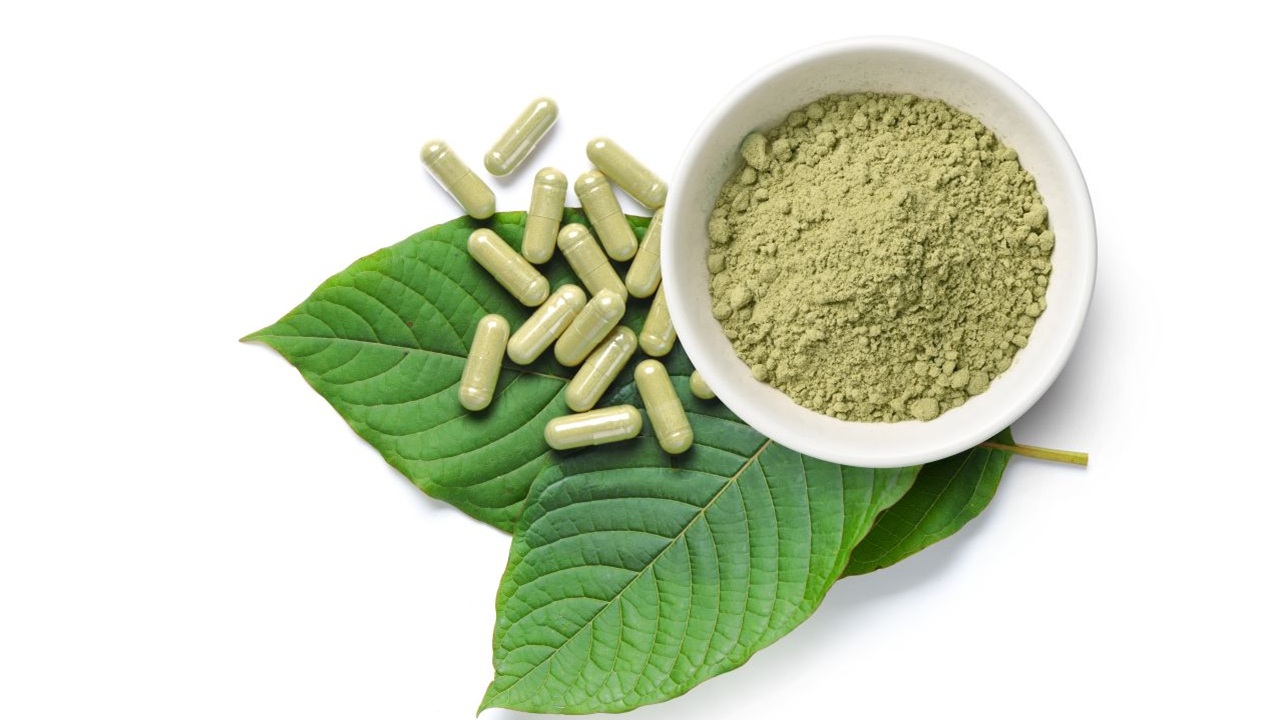
The Drug Enforcement Administration sent out a notice on July 1 to place 7-hydroxymitragynine, known as 7-OH, and three related substances into Schedule I of the Controlled Substances Act. Placing kratom into the strictest legal category effectively bans its manufacture, distribution, sale and possession.
But drug policy critics oppose the move. They argue that many people already use 7-OH and kratom products as a self-managed alternative to prescription and illicit opioids. Accordingly, a ban could push those users back toward more dangerous drugs instead of reducing harm.
The DEA’s Announcement
The DEA filed two Notices of Intent with the Federal Register on July 1. One addresses 7-OH above a specified threshold, and the other on mitragynine pseudoindoxyl, MGM-15 and MGM-16. The Department of Health and Human Services confirmed that synthetic 7-OH has no accepted medical use and a high potential for abuse and cited a jump in kratom poison cases.
DEA Administrator Terrance Cole noted the action targets highly concentrated synthetic 7-OH products that are an emerging threat to public safety. HHS Secretary Robert F. Kennedy, Jr., characterized them as dangerous fuelers of addiction.
The ban doesn’t apply to raw botanical kratom products that contain natural 7-OH below the threshold. It targets synthesized products and concentrated extracts sold online and in convenience stores and smoke shops as powders, tablets, gummies and dissolvable strips.
About 7-OH and Kratom
Kratom originates from leaves off the Mitragyna speciosa, a tree native to Southeast Asia. Its primary alkaloid, mitragynine, converts into 7-OH as the body metabolizes it. 7-OH can also be concentrated or synthesized directly in lab settings.
Kratom has opioid-like effects on pain and mood at higher doses. Some products marketed as kratom extracts contain much higher concentrations of 7-OH than what naturally occurs in the raw leaf.
Some Critics Oppose the Ban
Critics, including drug policy researchers at the Reason Foundation, argue the ban outpaces the available evidence and does more harm than good. Their case rests on a few specific points.
- They point to DEA’s own cited data, which documented 85 overdose cases and 55 deaths involving 7-OH since 2019, and note that most of those cases involved other substances such as fentanyl rather than 7-OH alone. This suggests the actual risk from 7-OH by itself is lower than the scheduling action implies.
- They cite National Institutes of Health-funded research studying kratom-derived compounds as a potential treatment for opioid use disorder, arguing that a Schedule I ban could complicate or halt that research.
- Critics argue that many people currently use 7-OH and kratom products to manage chronic pain or to reduce or stop opioid use on their own. Eliminating legal access could push them back toward illicit opioids that carry a much higher overdose risk.
Public health officials backing the DEA’s action see it differently. They argue that concentrated, synthetic 7-OH products carry real overdose and dependence risks of their own. These products are largely unregulated and inconsistently manufactured and emergency scheduling gives law enforcement and public health agencies tools to act quickly against a fast-growing and unsupervised market.
Both sides agree that mixing 7-OH or kratom with other depressants, including alcohol and certain medications, increases risk. They also acknowledge that manufacturing quality varies widely in an unregulated market.
Traditional Harm Reduction and Treatment Still Work
Whatever the outcome of the scheduling process, people using 7-OH or kratom products to manage pain, mood, or opioid withdrawal on their own should know that naloxone can reverse opioid-like respiratory effects, including those linked to 7-OH in early research.
Medication-assisted treatment with buprenorphine or methadone and combined with counseling remains the most established path for treating opioid misuse.
Anyone trying to stop opioid use from prescription painkillers, drugs or even kratom-derived products has safer options than going it alone.
NA Remains an Effective First Step
That’s where Narcotics Anonymous comes in. NA meetings also offer peer support for people working toward recovery from narcotics and opioid use, regardless of which substance brought them there.
Begin today by dialing 800-934-1582(Sponsored) to chat with a specialist and locate local resources. You can also browse our directory to find NA chapters located anywhere in the United States.

Delaware hospitals have adopted a new statewide framework for treating opioid use disorder in the emergency department. This shift can mean faster access to medication and follow-up care for people who arrive in crisis.
The direction reflects how many providers have increased attention toward substance misuse. While The First State offers many inpatient programs and local resources like Narcotics Anonymous chapters, many residents continue to succumb to the crisis. Accordingly, the state’s Department of Health and Social Services, through its Division of Substance Abuse and Mental Health, took proactive steps to coordinate with hospital leaders from across the state to reduce the human toll.
Upgrading Emergency Care
Delaware set up its Overdose System of Care in 2017 to better coordinate emergency medical services, hospitals and community organizations responding to the opioid epidemic. The new guidance builds on that work by standardizing what happens once a patient walks through the emergency department doors, from initial engagement and withdrawal management through medication initiation, discharge planning and warm transitions to inpatient providers.
As a result, the new guidance gives all emergency departments in the state a consistent framework for identifying, treating and connecting patients experiencing opioid withdrawal or overdose to ongoing care. Recommendations originated from the Delaware’s Overdose System of Care after a year of collaboration among emergency physicians, addiction specialists, behavioral health professionals and state officials.
“Every emergency department encounter represents an opportunity to save a life and begin the path to recovery,” noted Joanna Champney, director of Delaware’s Division of Substance Abuse and Mental Health.
Dr. Robert Rosenbaum is the state’s EMS and Preparedness Section Medical Director. He described the ER as “the single most important opportunity to intervene after an overdose or during opioid withdrawal.”
Medications for Opioid Use Disorder
A central goal of the guidance is supporting timely initiation of medications for opioid use disorder, often shortened to MOUD, which includes medications like buprenorphine and methadone. Accordingly, these meds reduce cravings and withdrawal symptoms and lead to lower rates of overdose death compared with no medication treatment.
Starting MOUD in the emergency department, rather than waiting for a separate appointment scheduled days or weeks later, closes a window where many people at high overdose risk currently fall out of care entirely.
The guide also emphasizes reducing stigma. They do this through using person-centered language to frame drug misuse as a chronic medical condition rather than a moral failing.
Beyond the hospital setting, Delaware residents have several standing resources for harm reduction and treatment. Patients can access the 24/7 Delaware Hope Line, Bridge Clinics for in-person assessment, the Delaware Treatment Referral Network, naloxone training and mail-order access, and the OpiRescueDE app for a suspected overdose.
NA Meetings Offer Peer Support
Medication and emergency care address the physical and immediate crisis side of opioid use disorder, but ongoing recovery often depends on peer support as well. Narcotics Anonymous meetings, along with other peer recovery groups, give folks a place to stay connected to others in recovery after leaving the emergency department or completing treatment.
Delaware’s guidance specifically references warm handoffs and peer recovery support as part of the discharge process. The procedure reflects a broader recognition that medical treatment and community support work best together rather than as separate tracks.
NA a Strong Starting Point
For anyone in Delaware, remember that Narcotics Anonymous offers free, confidential and local support from those in your neighborhood. NA often lasts a lifetime, long after any emergency room visit.
Many folks find the process easy to start. Dial 800-934-1582(Sponsored) to speak to an expert about resources close by. Or browse our directory of NA chapters anywhere in the country.

Federal officials in Chicago say a 60-day, 11-agency operation resulted in drug trafficking and other charges against 179 people, the arrest of 305 fugitives, and the recovery of 24 children who had been kidnapped or reported lost. Named Operation New Dawn, the effort is being cited by prosecutors as evidence of what coordinated enforcement can accomplish against narcotics trafficking and other violent crime in a single metro area.
The sting comes at a time when the number of opioid overdose deaths trend downward. Illinois has taken a lead in the crusade by offering an abundance of residential treatment programs and local Narcotics Anonymous chapters at the community level. Nevertheless, many officials continue to urge vigilance and caution as street drugs continue to take its toll.
The Opioid Crisis in the Windy City
U.S. Attorney Andrew Boutros said his office has increased narcotics prosecutions by 24% so far this year compared with 2024, alongside a 154% increase in firearm charges. The dozens of new cases filed during the operation ranged from murder and kidnapping to firearm and drug trafficking offenses, reflecting how closely narcotics distribution networks tend to overlap with other violent crimes.
The good news is that the number of opioid-related deaths in Illinois has declined alongside the national average. Officials credit harm reduction programs, including making naloxone available at libraries and other public venues. Each dose can save a life, but health officials warn that as new illegal drugs hit the street, the trend may reverse at any moment.
The Increase in Narcotics Cases
Boutros described the joint effort, which combined agencies including the DEA, ATF, FBI, U.S. Marshals Service, and ICE, as an experiment in coordinated enforcement that hadn’t previously been tried at this scale in Chicago. Officials displayed seized guns, drugs, and cash at a news conference. They framed the rise in narcotics prosecutions as a direct result of pooling resources across agencies rather than a single agency working alone.
Drug trafficking charges typically target the distribution side of the supply chain inside and outside the country. Programs target people moving or selling large quantities of narcotics, rather than individuals struggling with substance use themselves.
Enforcement operations like this one can disrupt supply in the short term, but public health researchers generally note that treatment access and harm reduction measures work alongside enforcement to reduce overdose deaths, rather than replacing the need for it.
Harm Reduction and Treatment Still Matter
For individuals and families affected by the drug trade in Chicago, whether as someone who uses drugs or as a loved one of someone who does, the sting may have saved the life of someone close. However, enforcement actions don’t address the underlying need for treatment.
Naloxone access, fentanyl test strips, and medication-assisted treatment remain available regardless of law enforcement activity in a given area. NA meetings continue to offer peer support to anyone ready to seek it.
NA Often the First Step
Many folks take Narcotics Anonymous as their first step to recovery. Meeting peers in local community spaces, confidential support, and free resources make NA an indispensable force for lifelong recovery.
Anyone affected by narcotics use anywhere in the country, whether directly or through a family member can find an NA chapter in their neighborhood. Simply browse our directory for chapters organized by location or call 800-934-1582(Sponsored) to speak to an expert for additional treatment options.

A Missouri state budget decision cuts the funding for naloxone, an opioid overdose reversal medication, by more than half. The decision sets off a heated debate between fiscal conservatives focused on long-term solvency and public health advocates who warn the reduced funds will cost lives. The outcome is still being negotiated in the state Senate and will have direct consequences for Missourians across the state with narcotic addiction.
Living up to the nickname of The Show-Me State, Missourians have enjoyed a wide range of treatment programs for those impacted by subsistence use disorder. Grassroots Narcotics Anonymous meetings and modern inpatient hospitals have benefitted thousands of residents across the state’s 114 counties.
But all of this may be jeopardy if funding dwindles at the top level. The House slashed nearly $8 million allocated for naloxone, which reverses opioid overdoses. The new budget eliminates more than 54% of Missouri’s naloxone funding for 2027.
Missouri’s Context
Missouri has made real progress against its opioid epidemic in recent years. Overdose deaths decreased from 2,180 in 2022 to less than 2000 a year later. State officials have credited the increased availability of treatment and recovery services for the decline.
Whether the state can sustain these gains without full naloxone investment sits at the heart of the current dispute. Fentanyl remains the dominant driver of opioid overdose deaths nationally, and harm reduction researchers argue that naloxone distribution is among the most evidence-backed tools available to prevent fatal overdoses.
The Case Against the Cuts
Public health advocates and addiction researchers argue that eliminating naloxone funding is shortsighted, regardless of broader budget pressures. They point to other states from Kentucky to Washington that have slashed lethal overdoses simply by investing in naloxone distribution.
Dr. Rachel Winograd of the University of Missouri-St. Louis warned that the consequences would be severe and direct: “We say we care about saving lives [and] this is a tangible, evidence-based way to do that.”
The funding provides free naloxone to police and fire departments and makes doses available through the addiction sciences program at the University of Missouri-St. Louis. Advocates note that naloxone is inexpensive per dose, non-addictive and distribution has no downside for communities. When taken, it either saves a life or does nothing.
Public health officials also point out that naloxone’s usefulness extends well beyond illicit drug users. Accidental scenarios like an elderly patient receiving too high a prescription painkiller dose, or a child accessing a medicine cabinet, happen more frequently than people realize Naloxone can save a life in those situations, too.
The Budget Decision
Supporters of the cuts frame them as a painful but necessary response to a genuine fiscal emergency, not an ideological choice.
Missouri Auditor Scott Fitzpatrick observed that lawmakers must cut $1.5 billion from the state’s $50 billion budget, or Missouri will run out of money by 2028. The reason? State spending has grown at twice the rate of the broader economy over the past five years.
House Budget Chairman Rep. Dirk Deaton acknowledged the hard choice before him: “There’s no easy decisions. All $50 billion of that is somebody’s most important priority.”
From a fiscal standpoint, proponents of tighter spending argue that the state can’t sustain every program indefinitely on a structural deficit. Prioritizing local services requires making cuts across the board, including in health programming.
They also point out that Missouri’s naloxone programs receive federal funding, which remains in place for now. Private insurance may also help ease potential costs for consumers should free naloxone dry up. But local officials acknowledge that they can’t depend on federal funding forever.
What Happens Next
The naloxone funding might still be restored. Lawmakers are currently marking up the budget and have until May 8 to send a final version to the governor. The outcome depends on how the Senate weighs fiscal constraints against public health priorities. Missouri isn’t alone in this; debates play out in statehouses across the country as federal opioid settlement funds and pandemic-era health spending wind down.
While naloxone plays a central role in saving lives on the Main Street level, those impacted by substance misuse can take active steps on their own. Reaching out to peer support programs like Narcotics Anonymous opens the door to local and state resources—even if it’s just a sympathetic shoulder to lean on.
Browse our directory of NA meetings in Missouri and across the country, or dial 800-934-1582(Sponsored) to speak to an expert today.

A grieving mother stood on the Oklahoma Senate floor holding a photo of her daughter and watched lawmakers give her daughter’s death a purpose.
The Oklahoma Senate unanimously passed House Bill 1484 on February 11, 2026, creating “Rain’s Law.” The legislation that will require annual, age-appropriate fentanyl awareness and overdose prevention education for students in grades 6 through 12.
The bill now heads to the governor’s desk, where it is expected to be signed into law. An emergency clause attached to the bill means it takes effect immediately upon signing, before the next school year begins.
The law is named for Rain Reece, a 19-year-old Cameron University student who died from a fentantl overdose in 2023 after taking what she believed was an anxiety medication.
The medical examiner’s report confirmed she had taken Xanax laced with fentanyl, a single pill containing two and a half times the minimum lethal dose of the drug.
She was found in her dorm room the next morning, her schoolwork still open on her computer, her dog beside her.
The Opioid Crisis by the Numbers
Fentanyl is not a drug of excess, it is a drug of miscalculation. Fentanyl, a synthetic opioid, is 50 times stronger than heroin and up to 100 times stronger than morphine.
Counterfeit pills, such as fake Xanax, fake Percocet and fake Adderall, are now among the leading delivery mechanisms for illicit fentanyl in the United States.
That makes the drug uniquely dangerous for people who believe they are taking something else entirely. Rep. Ronny Johns, the bill’s House author, revealed that eight of his former students had died from fentanyl-related incidents.
It’s statistic that underscores just how deeply this crisis has penetrated ordinary communities, schools and families across Oklahoma and the country.
What’s Driving the Change
Rain’s Law has been years in the making. The bill was first authored during the 2025–26 legislative session but never made it to the Senate floor. A year later, it passed without a single opposing vote.
The bill requires age-appropriate fentanyl abuse prevention and drug poisoning awareness instruction in Oklahoma schools.
It also directs the Oklahoma State Department of Education to adopt curriculum and standards and authorizes qualified organizations and individuals to provide that instruction.
Additionally, it includes a provision requiring the governor to designate a Fentanyl Poisoning Awareness Week, observed alongside National Red Ribbon Week.
Sen. Darrell Weaver, a former director of the Oklahoma Bureau of Narcotics who sponsored the bill in the Senate, addressed colleagues directly: “We have a fentanyl crisis in the state of Oklahoma; we have it actually in our nation. Probably nothing has damaged our society faster than this.”
For Rain’s mother, Karla Carlock, the unanimous vote was both painful and redemptive. “When this passed, I felt like she was still going to be teaching, just in a different way,” she said.
Carlock has also taken her advocacy to Washington, D.C., and was present when President Trump signed bipartisan legislation strengthening federal fentanyl-related laws.
Fentanyl’s Role
Fentanyl now drives the majority of overdose deaths in the United States, and its infiltration of the counterfeit pill market has made it catastrophically difficult to avoid, even for people who are not seeking opioids.
Rain Reece never knew she was taking fentanyl. She called her mother the night before she died, saying she was struggling and wanted to get back into counseling. She took what she thought was a prescription anxiety drug. One pill was all it took.
This is the defining feature of the modern fentanyl crisis. The people dying are not always people with opioid use disorder.
They are teenagers under stress, young adults experimenting once, people seeking relief from anxiety or pain. Frank, evidence-based, age-appropriate education is one of the few interventions that can reach people before a first and fatal exposure.
Understanding Narcotics and Opioids
Fentanyl is a synthetic opioid, a class of drugs that includes prescription medications like oxycodone and hydrocodone, as well as illicit substances like heroin.
Opioids bind to receptors in the brain and body, slowing respiration; in overdose, they cause breathing to stop entirely.
Naloxone (brand name Narcan) is a medication that rapidly reverses an opioid overdose and is available without a prescription in all 50 states. Because fentanyl is so potent, multiple doses of naloxone may be required to reverse an overdose.
Harm Reduction and Treatment
Education alone cannot end the fentanyl crisis. For families currently navigating opioid addiction, whether their own or a loved one’s, a range of life-saving tools and support systems exist right now.
Naloxone/Narcan is available over the counter at most major pharmacies. Carrying it is one of the most important steps any family member, friend, or bystander can take.
Fentanyl test strips, which can detect fentanyl in substances before use, are now legal in Oklahoma and widely available through harm reduction organizations.
Medication-assisted treatment (MAT), including buprenorphine (Suboxone) and methadone, remains the gold-standard treatment for opioid use disorder, significantly reducing overdose risk and supporting long-term recovery.
Narcotics Anonymous (NA) offers free, peer-led recovery meetings for people struggling with opioid and other narcotic addictions. NA meetings are available throughout Oklahoma, including in Oklahoma City, Tulsa, Lawton, and communities statewide.
Finding Help for Opioid Addiction
If you loved or one is struggling with opioid addiction, you can get the support you need today. Search through Narcotics.com’s list of Narcotics Anonymous meetings to find a meeting location in your area. Call 800-934-1582(Sponsored) for immediate support.
If someone is unresponsive and an opioid overdose is suspected, call 911 immediately and administer naloxone if available. Do not leave the person alone. Oklahoma’s 911 Medical Amnesty Law provides limited legal protection for people who call for help during an overdose emergency.
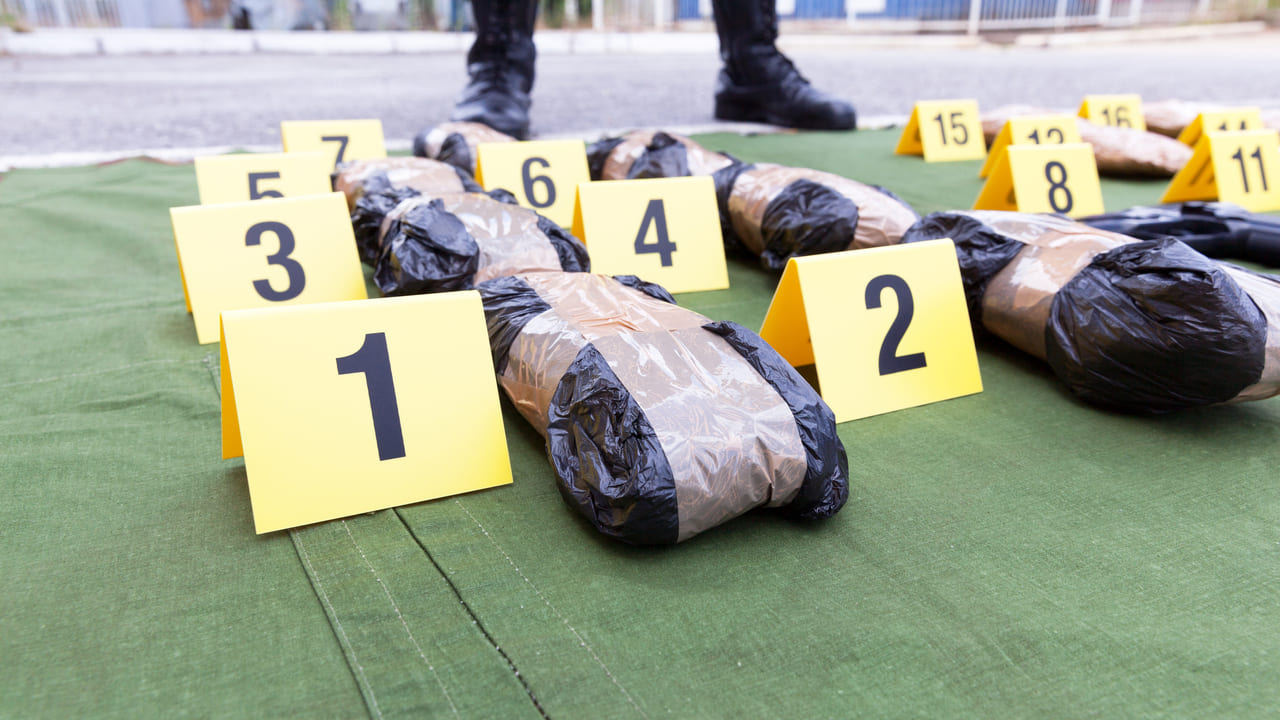
The nationwide battle with cocaine addiction has taken a turn with Venezuelan president Nicolas Maduro facing an indictment from the U.S. government.
According to the Centers for Disease Control (CDC), at least 130,000 Americans experienced fatal overdoses involving cocaine between 2020 and 2024. Since overdose deaths involving narcotics are often underreported, this number is likely much higher.
Expanding into Venezuela
The Department of Justice (DOJ) has ramped up its war on the drug and opioid supply chain. These efforts include disrupting cocaine trafficking networks supplying the U.S. The indictment of Venezuelan President Maduro marks the U.S. government’s latest efforts. Maduro is accused of assisting in trafficking “thousands of tons” of cocaine into the U.S. for over 25 years.
While Maduro pleaded “not guilty” to all charges, the DOJ believes he and his co-defendants benefited financially from the cocaine trade. Venezuela sits in a prime geographic location for drug traffickers. The drug trade has northern access to the Caribbean Sea and Colombia’s mountainous region in the west, where suppliers often produce cocaine.
The DOJ alleges that Maduro connected with Colombian cocaine manufacturers and Mexican drug cartels to profit from drug smuggling into the U.S. Officials claim that Maduro and his associates made millions by providing a sanctuary in Venezuela for manufacturers and drug cartels.
These allegations aren’t anything new for Maduro. In 2020, the Trump Administration charged him and 14 other Venezuelan officials with knowingly facilitating the yearly trafficking of 200-250 metric tons of cocaine to the U.S.
If accurate, these quantities make up the majority of cocaine smuggled into the nation annually, which has contributed to increased reliance on grassroots recovery efforts such as Narcotics Anonymous (NA) meetings to help combat narcotics addiction.
The Ongoing Battle
Despite almost four decades of public policy efforts, cocaine use continues to take the lives of tens of thousands of Americans monthly. According to the Drug Enforcement Administration’s (DEA) 2024 cocaine report, law enforcement seizes an average of 230 tons of cocaine each year from 2020 to 2024.
Still, the battle continues, with increased emphasis on reducing access to cocaine among minors and young adults and encouraging individuals to seek treatment.
Get Support Today
If you or a loved one need support as you undergo treatment, help is available. Explore Narcotics Anonymous meetings near you or call 800-934-1582(Sponsored) to receive immediate guidance.
A lot has changed when it comes to prescription opioids and how they’re prescribed.
It’s been six years. Six years since the CDC released its Guideline for Prescribing Opioids for Chronic Pain. So, why did the CDC decide to propose an update this year? What compelled the organization to take action now?
Let’s take a trip back to 2016 to find out.
Headed Toward Disaster
 Over the course of two decades, use of prescription opioids in the U.S. drastically increased. The result? A full-blown opioid epidemic.
Thousands of people became addicted to painkillers. And when they grew desperate to feed their addiction, many of them progressed from prescription painkillers to illicit drugs like heroin.
Realizing the dangers, healthcare providers began to cut back on opioid prescriptions by 2012. But the damage was already done.
Opioid addiction and opioid overdose numbers skyrocketed. And what’s worse, the numbers kept climbing.
In 2016, the officials finally decided something had to change. The CDC stepped in with official prescribing guidelines, which later became known as the 2016 CDC Guideline for Prescribing Opioids for Chronic Pain. These guidelines were designed to reduce dependence on opioids and lower the risk of overdose.
After releasing the CDC guidelines, opioid laws began to change. Many states limited opioid prescriptions for acute pain to no more than seven days. Some states also limited prescriptions for Medicaid patients.
Insurance companies and pharmacies also set their own limits. Doctors began to taper long-term patients off opioids. Medical boards sanctioned doctors who didn’t adhere to the guidelines. Opioid prescriptions decreased.
Were all these actions helpful? That depends on who you ask.
Prescription Opioids: Too Strict or Too Misunderstood?
Some doctors, patients, and drug manufacturers were upset by the guidelines. They said chronic pain patients were being denied relief.
They were also concerned that doctors might be cutting patients off opioid pain relievers too quickly or failing to give prescription opioids to patients who could benefit from them.
Dr. Bobby Makkumala, head and neck surgeon in Michigan, said the guidelines
“…have been a barrier to patient care, with some pharmacists pointing to the CDC’s suggested limits and refusing to fill prescriptions as doctors wrote them.”
Keith Humphreys, Stanford University psychiatry and behavioral sciences professor, noted:
“It’s important to tailor policies to a patient’s individual circumstances rather than adopt a blanket approach for all.”
One survey found that 84 percent of patients reported having more pain and poorer quality of life after the opioid prescribing guidelines were released.
But others didn’t see a problem with the overall guidelines – just with how they were interpreted.
The CDC published a paper in 2019 stating that many physicians “were guilty of a misapplication of the 2016 guideline that clamped down on the use of opioids.”
Christopher Jones, acting director of the CDC’s National Center for Injury Prevention and Control noted that the 2016 guidelines “were essentially taken out of context beyond (their) intent and applied as rigid laws, regulations and policies.”
The guidelines were voluntary. They offered suggestions to help curb the opioid epidemic. They encouraged doctors to try other medications or nondrug options to treat pain rather than turning to opioids as the first treatment option.
Doctors were also urged to limit prescription opioids to three days when treating acute pain. And to prescribe the lowest dose possible.
But in many cases, these suggestions quickly became strict regulations. And the CDC felt the backlash. Many experts say the guidelines are too strict, and they’ve been calling for change ever since.
That change is happening now.
Threading the Needle
The CDC released an update and expansion of the 2016 guidelines. The 229-page document is open for public comment through April 11, 2022.
The update does not include “hard thresholds” from the previous version. Jones noted, “We’ve built in flexibility so that there’s not a one-size-fits-all approach.”
Dr. Joshua Sharfstein is the vice dean for public health practice and community engagement at Johns Hopkins Bloomberg School of Public Health. He explained:
“They are trying to thread the needle here. They’re trying to balance, on the one hand, the importance of clear guidance to clinicians, and on the other, the danger it could turn into a rigid policy that undermines patient care. The general intent is to foster individualized patient care.”
The new recommendations are still voluntary. The document clarifies that these are not prescriptive standards. And that healthcare providers should consider unique circumstances and needs of each patient when prescribing treatments.
The update also avoids language that puts precise limits on dosages and lengths of prescriptions.
So, what do the new guidelines recommend?
New Guidelines for Prescription Opioids: Changes in Store
The updated guidelines provide recommendations for primary care physicians, outpatient clinicians, and other specialty clinicians who are treating three categories of patients:
- Adults with acute pain (lasting less than one month)
- Adults with subacute pain (lasting one to three months)
- Adults with chronic pain (lasting three months or longer)
The guidelines do not apply to patients being treated for cancer or sickle cell disease or receiving palliative or end-of-life care.
The main issues addressed in the guidelines are:
- When to initiate or continue opioids for pain treatment
- Opioid selection, dosage, duration, follow-up, and discontinuation
- Risk assessment/addressing harms of opioid use
Changes made to the previous guidelines include:
- Removal of the suggestion to limit opioid treatment for acute pain to three days.
- Removal of the recommendation that doctors avoid increasing dosage to the equivalent of 90 milligrams of morphine per day.
- Removal of the suggestion to have patients undergo urine testing annually. (But the guidelines still say doctors should consider having patients get tested to see if they are using other drugs.)
- The CDC urges doctors to avoid abruptly halting treatment unless the situation appears life threatening. The agency offers suggestions for tapering patients off the drugs instead.
The main prescribing guideline change is the removal of specific limits on treatment with opioid painkillers. The CDC hopes to avoid any misinterpretation that could prevent patients from receiving needed care.
The new guidelines still emphasize that opioids should not be the first-line option to treat chronic pain. And they advise physicians to start with a low dose of immediate-release pills.
Millions of Lives on the Line
 Between spring 2020 and spring 2021, the U.S. saw an astounding 100,306 drug overdose deaths.
An additional study published in February 2020 projected “1.2 million people will die from overdose deaths in the U.S. and Canada through 2029 unless leaders enact evidence-based public health policies.”
Will the changes to the CDC opioid prescribing guidelines improve or worsen these numbers? Are we headed for better pain treatment or an increase in prescriptions that lead to addiction?
Time will tell.
For information about treatment options for you or a loved one, call 800-934-1582(Sponsored) today.

– DEA Administrator Anne Milgram
The chemicals come from China to Mexico. The cartels in Mexico run drug production facilities. They sell deadly, unregulated substances, like fentanyl, on social media in the United States. Thousands of Americans die of drug overdose.
The Emerging Risk of Fentanyl on Social Media
 Between April of 2020 and April of 2021, 100,000 Americans died from drug overdose. Around 75,000 of those deaths were due to opioids, mostly fentanyl.
According to data from Families Against Fentanyl, “the number of deaths from fentanyl between 2020 and 2021 surpassed the number of deaths from suicide, COVID-19, and car accidents.”
Fentanyl is a synthetic opioid originally developed to treat severe pain, specifically breakthrough pain in cancer patients. It is 50 -100 times more powerful than morphine.
Like other opioids, fentanyl overdose causes breathing to stop, which can lead to a coma, brain damage, and death.
The U.S. Drug Enforcement Agency (DEA) has confiscated so many pills containing deadly amounts fentanyl that they’ve issued a public safety alert. The pills are made to look like common drugs such as OxyContin, Xanax, and Adderall.
At least 76 recent fentanyl cases involved the use of social media to traffic the drugs. Dealers use Facebook, TikTok, Snapchat, Instagram, and YouTube to reach customers.
DEA Administrator Anne Milgram says:
Why Fentanyl on Social Media is Overtaking the Market
Fake prescription pills laced with fentanyl look nearly identical to legitimate pills. They closely resemble medications like Vicodin, Xanax, and Percocet.
The DEA reports that people use social media to purchase pills that they think are legit, but the pills can turn out to be deadly. Rather than the medication they were expecting, social media buyers receive fakes containing lethal amounts of fentanyl.
And it’s not just teens, either.
Milgram notes that the drug dealers’ social media strategy is “reaching all age groups—a curious teenager ordering a pill online, a college student trying a pill from a friend, an elderly neighbor searching online for a painkiller.”
She says, “They are using these platforms to flood our country with fentanyl. The ease with which drug dealers can operate on social media and other popular smartphone apps is fueling our nation’s unprecedented overdose epidemic.”
What Can Be Done About Fentanyl on Social Media
 The DEA reports that dealers are use emojis as codes to advertise substances like fentanyl on social media. And Milgram says “social media companies are not doing nearly enough to block the ads for fake pills.”
Social Media Moderation
Social media companies claim they have tried. They say they have altered algorithms and hired more moderators to look for illegal items for sale.
But law enforcement and families of overdose victims say it’s inadequate. They suggest more parental controls and data-sharing to catch dealers who sell drugs like fentanyl on multiple social media platforms. In many cases, the dealer connects with a buyer on one site but goes to another to complete the deal, and then moves to a third to receive payment.
Decreased Social Media Use
Some suggest a radical idea: Don’t use social media. Block it on kids’ phones. Take their devices away. Many generations have survived without social media. Maybe a step back is what it will take to ensure the next one survives, too.
Safe Prescription Use
Meanwhile, the DEA and other law enforcement officials continue their efforts to get fentanyl off the streets and off social media. The DEA offers the following reminder:
“The only safe prescription medications are prescribed by trusted medical professionals, given by a licensed pharmacist. ‘Prescription drugs’ acquired from other sources should be assumed unsafe.”
If you or a loved one misuses prescription drugs, receiving treatment can be crucial. Many people begin using legitimate pills, but develop a high tolerance that requires more pills than are in their prescription to achieve the same effects. This progression can lead into the purchase of potentially dangerous counterfeit prescription pills online, such as fentanyl on social media.
Call 800-934-1582(Sponsored) to learn more about opioids misuse and addiction treatment.

“We, the jury, find the defendants…guilty.”
In the first trial of its kind, a jury has found three major pharmacies guilty for their roles in fueling the opioid epidemic.
Pharmacies Take Their Chances With a Jury
The case is just one among more than 3,000 opioid lawsuits that have been filed across the country against various pharmacies, distributors, and manufacturers.
 In many cases, the defendants have chosen to settle outside of court, paying significant settlements to counties and states.
But in this case, CVS, Walmart, and Walgreen’s pharmacies decided to take their chances with a jury. They took the case to trial, despite the fact they were urged by the judge to settle.
And they lost.
The amount all three pharmacies must pay has not yet been determined. U.S. District Judge Dan Polster will get to decide what the companies owe for posing a “public nuisance” in Ohio’s Trumbull and Lake counties.
Meanwhile, the case’s outcome may provide leverage for other local and state governments who filed cases against pharmacies or plan to file in the future.
What Crimes Did The Pharmacies Commit?
Between 2012 and 2016, around 80 million prescription painkillers were dispensed in Trumbull county. Another 61 million were distributed in Lake County during that same time. That’s enough to give each resident 400 pills.
Trumbull and Lake county attorneys claimed the three pharmacies should have done more to stop this flood of pills, which led to hundreds of overdose deaths and cost each county around $1 billion.
The attorneys pointed out that the companies should have hired more pharmacists and technicians or provided better training. They said the pharmacies failed “to implement systems that could flag suspicious orders.”
As a result, the attorneys argued, the pharmacies failed to confirm that each prescription was valid – which allowed an abundance of addictive drugs to flood their counties.
The jury sided with these arguments. After six days of deliberations, they returned with a guilty verdict, determining that the pharmacy chains did indeed create a public nuisance, and their actions resulted in “an oversupply of addictive pain pills and the diversion of those opioids to the black market.”
Pharmacies Claim “Not Guilty”
On the other side of the courtroom, attorneys for the pharmacies denied these allegations.
 Pharmacy operators claimed they did take steps to prevent the diversion of pills. They pointed to policies designed to stop pill disbursement when a pharmacist has a concern.
Pharmacists are to notify the authorities when they receive suspicious orders from doctors.
The pharmacies pointed fingers at doctors, drug traffickers, and regulators. They pointed out that it was doctors who controlled the number of pills that were prescribed and whether they were prescribed for legitimate reasons.
Walgreens spokesperson Fraser Engerman noted:
“As we have said throughout this process, we never manufactured or marketed opioids nor did we distribute them to the ‘pill mills’ and internet pharmacies that fueled this crisis. The plaintiffs’ attempt to resolve the opioid crisis with an unprecedented expansion of public nuisance law is misguided and unsustainable.”
Will the Guilty Verdict Stick?
The jury sided with the Ohio counties, but it remains to be seen if the verdict will stick. The three pharmacies said they plan to appeal the verdict. They argue that it’s a misapplication of the “public nuisance” law and doesn’t fit the facts.
California and Oklahoma recently decided in favor of pharmaceutical companies involved in similar cases. And, in November, Oklahoma overturned a $465 million judgment against Johnson & Johnson.
So it’s possible that CVS, Walgreens, and Walmart may succeed in appealing this ruling.
And Still the Opioid Epidemic Rages On
Meanwhile, the verdict doesn’t seem to be affecting business at the three pharmacies. Their stock prices fell briefly, but rebounded quickly after the jury’s decision.
CVS and Walgreens remain the top two pharmacies in the U.S. based on the number of stores (nearly 10,000 for CVS and nearly 9,000 for Walgreens).
And Walmart has the #1 slot on the list of top 100 retailers 2021 based on sales, which totaled over $543 billion in 2020.
If you or someone you love is experiencing a substance use disorder, help is available. Call 800-934-1582(Sponsored) today.