 800-861-9372

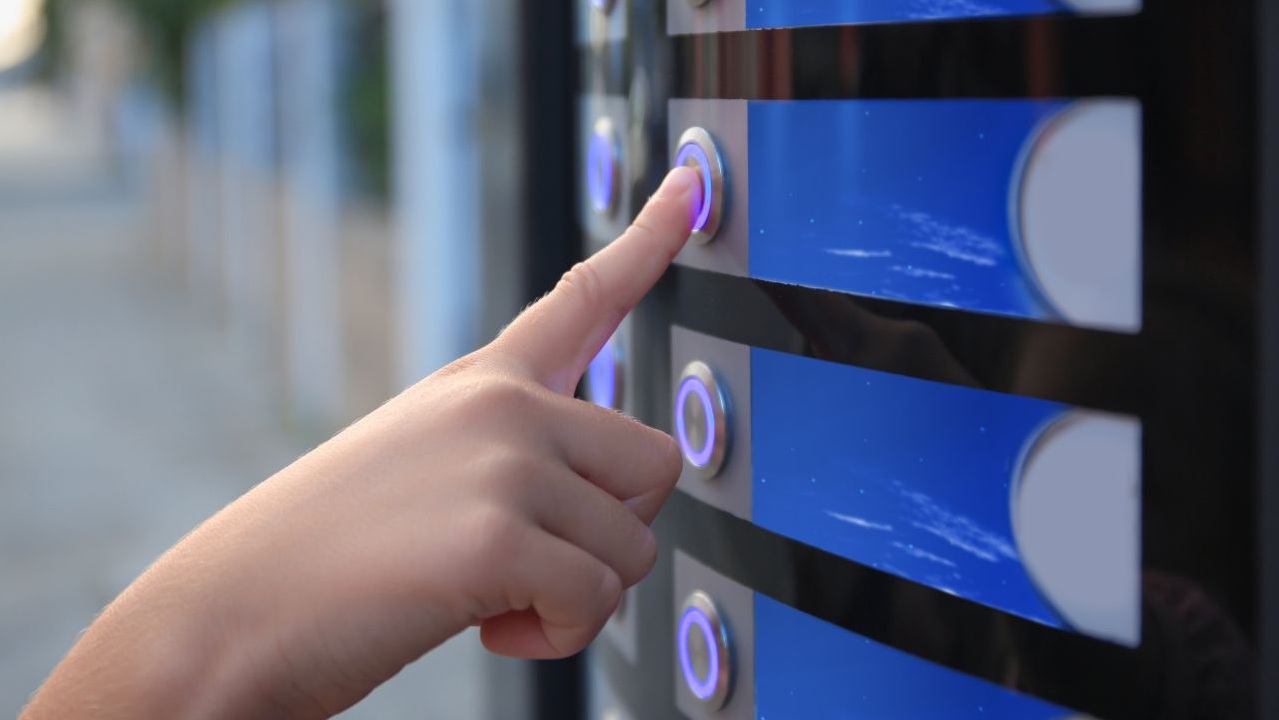
You know the saying “Location, location.” That goes for harm reduction as well. Jackson County Public Health in Missouri put its second free naloxone vending machine in Raytown specifically because it’s a hotspot for fatal overdoses. The move shows how the Show-Me State’s responds to the opioid crisis alongside Narcotics Anonymous chapters and clinical care.
This Bluebox sits outside a Synergy One Lending office in the Kansas City suburb. It offers free naloxone 24/7.
The Opioid Crisis Hits Missouri
Opioids include prescription meds and synthetics like fentanyl. Fentanyl is far deadlier than heroin. Since it’s often mixed into other drugs, folks frequently don’t know they’ve taken it.
The county’s first Bluebox opened in April near its Lee’s Summit HQ. It’s been used more than 3,000 times since.
That figure makes the case for the second machine. Staff plan to restock the unit several times a week. The health department fully funds the program.
Inside the Bluebox
The Bluebox carries more than naloxone. It also dispenses fentanyl test strips and harm reduction supplies alongside COVID-19 tests.
That reflects how harm reduction works. Someone who comes for wound care supplies may leave with naloxone as well.
The touchscreen asks users for their ZIP code. It doesn’t collect names or other sensitive personal information. Folks who’ve learned to expect judgment or paperwork might appreciate that.
24-Hour Access Changes the Math
The Raytown location makes care more accessible. Synergy One Lending had been distributing the same supplies inside its office during business hours.
But opioid overdoses don’t keep business hours and Jackson County Public Health plans to place more Blueboxes in other local cities. Officials also hope the Raytown installation encourages other businesses to host machines.
Harm Reduction and Treatment Together
Harm reduction and treatment aren’t competing approaches. Naloxone reverses an opioid overdose by restoring breathing. It works within minutes and does nothing if opioids aren’t involved.
Test strips check for substances before using it. Both options keep people alive long enough to have the option of treatment.
Meds for opioid use disorders remain a core standard for opioid addiction and substantially reduces overdose death risk.
Peer groups underscore all options. Narcotics Anonymous fellowship meetings take place nationwide, including online options.
NA Complements Harm Reduction
Our browsable directory lists opioid treatment programs and NA meeting information by location.
Feel free to also dial our free, confidential helpline at 800-934-1582(Sponsored) to identify opioid treatment providers and harm reduction resources across the USA.

Cravings during and after rehab triggered by a familiar place, person or object are one of the hardest parts of early recovery from opioid addiction. A recent trial shows that low electric stimulation measurably changed how the brain responded to those cues. But it didn’t change what participants felt.
The study tested theta-frequency transcranial alternating current stimulation, or tACS, in 60 men with opioid use disorder who received care at a residential treatment center. Their average age was in the mid-30s. The work was led by Hamed Ekhtiari of the University of Texas Southwestern Medical Center with Martin P. Paulus of the Laureate Institute for Brain Research.
Trial Results
Thirty participants received a single session that lasted 20 minutes. The other folks received placebos. Those who undertook the scan had an fMRI scan eight minutes before and eight minutes after, followed by a screen-based task presenting drug cues and measuring reactivity to them.
Active stimulation reduced drug cue-induced reactivity in the striatum. This is a subcortical region involved in reward processing and heavily implicated in addiction.
Self-reported craving is where the result stops short. Across both groups, craving scores dropped after the session. The difference between the active and placebo groups wasn’t statistically significant.
The Technique in Action
In tACS, a weak oscillating current of 2 milliamps passes through electrodes on the scalp. The researchers tuned the current to a specific brain wave frequency. This trial targeted the theta band, meaning slow oscillations between 4-8 hertz.
The team used a high-definition electrode setup. Two pairs focus stimulation on the right frontoparietal network more precisely than conventional electrical stimulation or transcranial magnetic stimulation allows.
The reasoning rests on earlier imaging work. Drug cues activate circuits overlapping with reward and emotion processing, including the striatum and amygdala. The brain’s executive control network regulates those deeper structures. Synchronizing activity in the frontoparietal network should strengthen that regulation.
Supplementing Existing Treatments
Transcranial magnetic stimulation is already a mainstream depression treatment and has FDA clearance for smoking cessation. Results for other addictions, including for opioids, have been mixed. The researchers approached tACS partly because it costs less and greater accessibility. The FDA approved the first at-home transcranial electrical stimulation device for depression in December 2025.
None of this is available as an opioid addiction treatment today. The team has built an optimized version of the protocol it hopes to test in a treatment setting. A single session in 60 men is a starting point, not a result that changes clinical practice.
Opioids and Overdose Risk
Let’s take a step back and look at the bigger picture. Opioids include prescription medications such as oxycodone, hydrocodone and morphine along with heroin and synthetic opioids like fentanyl. They slow breathing, which makes overdose lethal.
Overdose risk climbs sharply after any break in use, including after detox, hospitalization or release from jail. That’s because tolerance falls faster than most people expect.
Harm Reduction and Treatment Exist Now
While research on brain stimulation continues, the interventions with the strongest evidence for opioid use disorder are already available. Methadone, buprenorphine, and naltrexone all have substantial evidence behind them and can be combined with counseling and peer support.
- Carry naloxone. It’s available without a prescription at pharmacies in every state, and many health departments distribute it free. Naloxone reverses an overdose by displacing opioids from receptors within minutes. Call 911 even after giving it because naloxone wears off before the opioid does.
- Use fentanyl test strips if you or anyone uses drugs. Many harm reduction programs provide them for free.
- Don’t use drugs alone. If you must, call a never-use-alone hotline.
Begin Opioid Addiction Care Today
Peer support works alongside medication rather than against it. Narcotics Anonymous meetings are free and available online as well as in person.
Browse our directory filtered by state and city to find meetings by day, format and type.
You can also feel free to call 800-934-1582(Sponsored) for free and confidential information, 24 hours a day.
The medication that treats opioid addiction works. Most people who need it never get near it. CA Bridge, the program behind California’s free statewide treatment service, reports that roughly 90 percent of people living with opioid use disorder lack access to medication for addiction treatment.
That number is the story. Buprenorphine and methadone have decades of evidence behind them, and the barrier is rarely the science. It is finding a prescriber on a day when someone is willing to start.
What Happens When You Call
California’s service works by phone or text message. On the other end is trained staff, formally called behavioral health navigators, whose job is to sort out what a person needs and then act on it the same day.
They can assess your situation, connect you directly to clinics, emergency departments, community providers or telehealth providers, and when it fits, arrange a prescription for medication that treats opioid addiction.
That last part is what separates this from a referral list. A directory tells you where to go. Staff who can arrange medication remove a step at the exact point most attempts fall apart.
The service is confidential and open to people regardless of insurance. Family members, caregivers and clinicians can use it too, which matters when the person who needs care is not the one able to pick up the phone.
Why the Window Is So Narrow
Willingness to start treatment is not a steady state. It arrives, and it can close inside a day. That is the practical case for same-day access.
A waitlist is not a delay in care so much as the end of the attempt. Someone told to call back in three weeks is being asked to hold a decision open longer than the decision usually lasts.
CA Bridge built its track record on this inside hospitals, expanding medication access across more than 280 California emergency departments. The phone and text service extends the same approach to people who never come through an emergency room, and it takes referrals passed along from 988 and county access lines.
Understanding Medication for Opioid Addiction
Medication for addiction treatment, shortened to MAT, pairs an FDA-approved medication with counseling and support. For opioid use disorder the medications are buprenorphine, methadone and naltrexone.
Buprenorphine and methadone act on the same receptors an opioid would, without the same intensity, which reduces cravings and withdrawal. Naltrexone blocks opioid effects instead.
These are treatments, not one drug swapped for another. That framing has kept people out of care for years and the evidence does not support it.
The Opioid Crisis by the Numbers
The Centers for Disease Control and Prevention counted roughly 38,000 opioid-related deaths nationally in 2025. In California, more than 7,500 people died of an opioid-related overdose in 2023, according to CA Bridge.
Set those against the access figure and the shape of the problem is clear. This is not mainly a crisis of unknown treatments. It is a crisis of getting known treatments to people.
Harm Reduction and Overdose Prevention
Reaching treatment is one track. Staying alive long enough to reach it is the other. Naloxone, sold under brand names including Narcan, reverses an opioid overdose within minutes and is available over the counter without a prescription.
California distributes it free through the state Naloxone Distribution Project. Fentanyl test strips let a person check a supply first, which matters in a drug supply where illicitly manufactured fentanyl drives most overdose deaths.
Carrying naloxone is not an endorsement of drug use. It is the difference between an overdose and a death, including for people in recovery, whose tolerance drops and whose overdose risk rises if they return to use.
Finding Help for Opioid Addiction in California
The state service is the fastest route to a same-day referral and a possible prescription in California. Its focus is medication access rather than long-term peer support.
Three questions can get you an answer fast from any program:
Peer support is the complementary piece. Narcotics Anonymous meetings run throughout California, in person and online, and cost nothing to attend. Narcotics.com maintains meeting listings by state and city. Call 800-934-1582(Sponsored) to speak with a treatment specialist today.
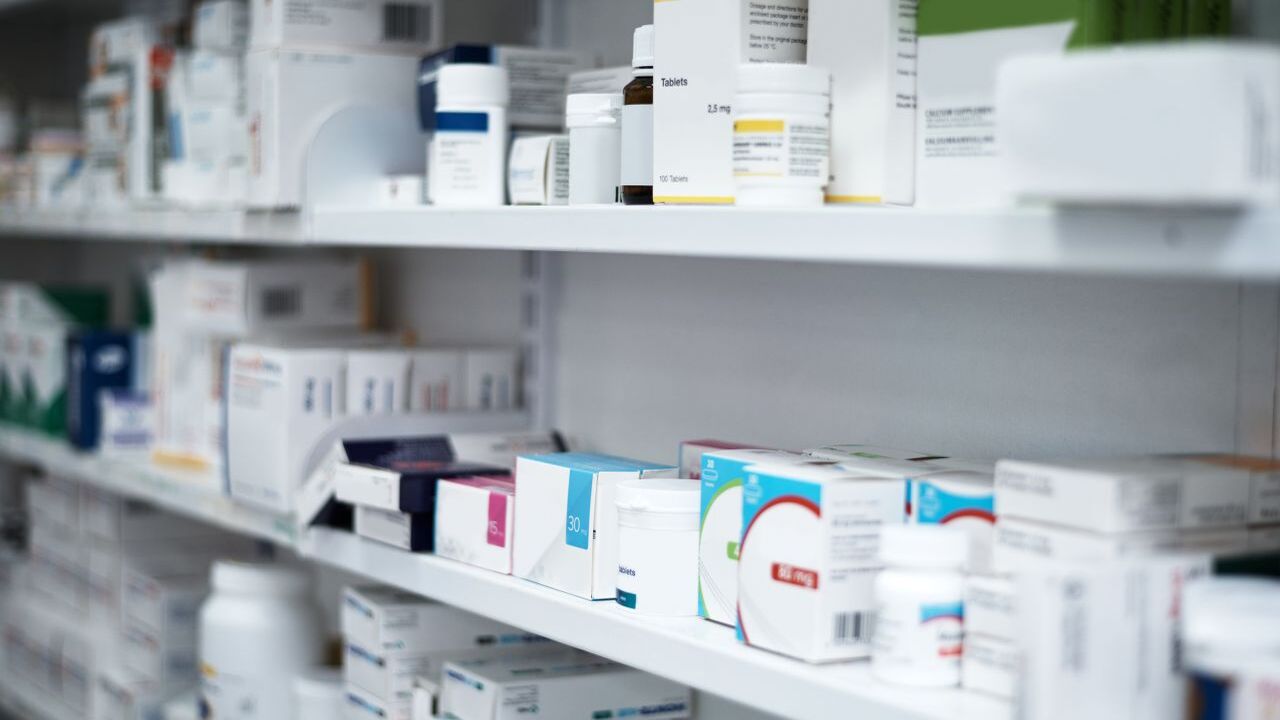
Anyone who keeps over the counter naloxone in a bag, a glovebox, or a kitchen drawer has a third option as of this summer. The Food and Drug Administration has approved Rextovy, a 4 milligram naloxone hydrochloride nasal spray, for nonprescription sale.
It is approved for the emergency treatment of known or suspected opioid overdose in adults and children, and it can be bought in pharmacies, convenience stores, and online.
What Over the Counter Naloxone Access Actually Changes
Rextovy comes from Amphastar Pharmaceuticals and is supplied in a carton holding two intranasal devices, each delivering a single 4 mg spray. If there is no response after two minutes, a second dose can be given in the other nostril.
It is the third nonprescription intranasal naloxone product to reach the market. Narcan, made by Emergent BioSolutions, was the first to receive over the counter status in 2023. RiVive, a 3 mg spray from the nonprofit Harm Reduction Therapeutics, followed.
All three contain the same active ingredient and are approved for use by bystanders with no medical training. Mike Davis, acting director of the FDA’s Center for Drug Evaluation and Research, said the approval broadens access and gives consumers another option.
The agency noted that having multiple approved formulations expands market availability, encourages competition that may reduce cost, and creates alternative sourcing options. Cost has been a real barrier. The prescription version has sold in the range of $44 to $60 per box.
The Opioid Crisis by the Numbers
The FDA framed the approval against a backdrop of falling but still severe overdose mortality. Overdose deaths have declined substantially since the first over the counter naloxone approval in 2023, though drug overdose remains a major public health problem in the United States, driven primarily by synthetic opioids like illicit fentanyl.
The approval is aligned with the federal Great American Recovery Initiative, a coordinated federal effort covering prevention, addiction treatment, and long-term recovery.
Understanding Naloxone and Opioid Overdose
Naloxone is an opioid antagonist. It binds to the same receptors that opioids act on and displaces them, which restores normal breathing in someone whose respiration has slowed or stopped from an opioid overdose. It works on fentanyl, heroin, oxycodone, hydrocodone, morphine, and methadone.
Signs of an opioid overdose include very slow or stopped breathing, blue or gray lips and fingertips, pinpoint pupils, limpness, and unresponsiveness to shouting or a sternal rub.
Two limits are worth knowing. High-potency fentanyl may require more than one dose. And naloxone does not reverse the veterinary sedatives such as xylazine and medetomidine that are increasingly mixed into the illicit supply.
Someone may start breathing after naloxone and stay heavily sedated. Emergency medical services should be called immediately after the first dose in every case.
People regaining consciousness after an overdose reversal may experience shaking, sweating, nausea, or anger. That reaction is expected. Naloxone is still considered safe to give when it is unclear whether opioids are involved.
Harm Reduction and Treatment for Opioid Addiction
Naloxone keeps someone alive long enough to have options. It is not treatment for opioid addiction, and the two work best together.
Medication for opioid use disorder, including methadone, buprenorphine, and naltrexone, has the strongest evidence base for treating opioid addiction and is available through opioid treatment programs and many outpatient providers.
Fentanyl test strips, safer use supplies, and syringe services programs reduce risk for people who are still using.
Peer support fills a different role. Narcotics Anonymous meetings are free, run by people in recovery, and available in person and online across the country, with formats that include open and closed meetings, beginner meetings, Spanish-language meetings, and virtual options.
Some people use NA alone, some use medication alone, and many use both. Narcotics.com is not affiliated with Narcotics Anonymous World Services, Inc.
Finding Help for Opioid Addiction
If you are looking for a starting point, a few specific steps help:
Pick up naloxone. With three approved products on the market, over the counter naloxone is available without a prescription at pharmacies and many convenience stores, and free through many local harm reduction programs and health departments.
Search NA meetings in your city or state to find a meeting this week, including virtual options if getting there is difficult. Ask any opioid treatment program whether it can start medication at the first visit rather than after a waiting period. Call 800-934-1582(Sponsored) to find out more about treatment options in your area.

Colorado told its county jails four years ago to provide medications for opioid use disorder and to publish their policies for doing it. A review of all 46 county jails in the state found that nearly 40 percent still have no publicly available policy explaining how they deliver opioid addiction treatment.
The study, from researchers at the University of Colorado Anschutz Medical Campus, was published in the journal Health and Justice. It matters because the days after release from jail carry one of the highest overdose risks in the opioid crisis.
What the Researchers Found
The team reviewed opioid treatment policies from every county jail in Colorado, collecting publicly available documents and information provided directly by jails between June and October 2024.
Among the 28 jails that provided policy information:
- 71 percent described screening individuals for substance use disorder
- 67 percent outlined policies for providing medications for opioid use disorder
- 63 percent described connecting people with treatment after release
- 46 percent indicated they offered all three FDA-approved medications for opioid use disorder
- 26 percent included peer recovery support services
- 22 percent described harm reduction services such as providing naloxone upon release
Fewer than half of the jails with policies indicated they offered all three approved medications, so access can depend on which medication a person was stabilized on before arrest.
The researchers were explicit about a limitation, and it should not be skipped. The study evaluated written policies, not actual clinical practice. Some jails may provide services that their public documents do not reflect. What the study measures is transparency, and the researchers argue transparency is itself necessary for continuity of care.
State Law Behind the Mandate
Colorado’s Fentanyl Accountability and Prevention Act, passed in 2022, requires county jails to develop and publish opioid treatment policies, to offer medications for opioid use disorder to eligible individuals, and to help connect people with treatment after release.
Katherine LeMasters, PhD, MPH, senior author of the study and assistant professor of medicine at CU Anschutz and the Colorado School of Public Health, said legislation is an important first step but that policies also need to be transparent, comprehensive, and consistently implemented.
Publicly available policies, she noted, help clinicians, families, and community organizations support people during incarceration and after release.
Why Rural Counties Lag
The study found urban jails were generally more likely than rural jails to have comprehensive policies for screening, addiction treatment, and post-release care. Rural jails often faced limited access to opioid treatment programs and other community resources.
There is a structural reason. Methadone must be dispensed through federally regulated and state-licensed opioid treatment programs, which makes access difficult where no such program exists nearby.
LeMasters pointed to sustainable funding, technical assistance, and partnerships with community providers as what would be needed to implement the law fully.
Understanding the Medications
Three medications are approved in the US for opioid use disorder. Methadone and buprenorphine are opioid agonists that occupy opioid receptors, which relieves withdrawal and cravings without producing the effects sought in misuse.
Extended-release naltrexone is an opioid antagonist that blocks those receptors and is started after withdrawal is complete. Research has shown these medications reduce overdose deaths, improve recovery, and lower the likelihood of returning to jail.
Naloxone is different. It is not a treatment but an emergency medication that reverses an opioid overdose in progress, and it is the reason the 22 percent figure above carries weight.
What Happens Without Medication
Without medication, people going through opioid withdrawal in custody can experience severe physical symptoms and intense cravings, which raises the risk of returning to opioid use after release. As LeMasters put it, people may go through painful withdrawal in custody, and after release that can increase the risk of returning to use, overdose, and death.
The mechanism is tolerance. Weeks without opioids lower it sharply, so a previously manageable dose can be fatal, and with fentanyl dominating the illicit supply the margin is smaller still.
Harm Reduction and Treatment After Release
For anyone leaving jail, or supporting someone who is, the first days matter most:
- Get naloxone before release if the facility provides it, or immediately after from a pharmacy or a community harm reduction program. Colorado pharmacies can dispense it under a standing order.
- Ask the facility to arrange a medication appointment before the release date, not after. Gaps are where overdoses happen.
- If someone was on methadone or buprenorphine before incarceration, ask specifically whether the jail will continue it and whether the previous clinic can resume treatment on release.
- Fentanyl test strips are legal in Colorado and available through harm reduction organizations.
Finding Help for Opioid Addiction
Peer support fills the gap that clinical appointments cannot. Narcotics Anonymous meetings run throughout Colorado, in Denver, Colorado Springs, Aurora, Pueblo, Fort Collins, and smaller communities, including virtual meetings for people without transportation. NA is one path among several, and it works alongside medication rather than instead of it.
Narcotics.com maintains a nationwide NA meeting directory searchable by state and city, with filters for meeting type, language, and format. For opioid treatment programs and referrals, call 800-934-1582(Sponsored) to receive help identifying options near you.

A hospital stay may be one of the most underused openings in opioid addiction care. A panel of 42 clinicians has now reached consensus that hospitals should begin medications for opioid use disorder while a patient is still admitted rather than waiting until discharge.
The consensus was published in JAMA Network Open and reported by the University of Florida College of Public Health and Health Professions. The work was driven by a straightforward observation about the drug supply. The opioid crisis has changed, and the guidance built for an earlier phase of it has not kept up.
What Changed in the Drug Supply
Jamie Pomeranz, PhD, a clinical professor of occupational therapy at the University of Florida and a co-author of the study, described the shift plainly. New high-potency synthetic opioids are inexpensive to produce, and even trace amounts are dangerous.
In this phase of the crisis, Pomeranz said, manufacturers are producing more of these drugs, people are taking higher doses, and other substances are being laced with fentanyl and other opioids. The result is a significantly higher risk of overdose.
Lead author Shawn Cohen, MD, an addiction medicine specialist and assistant professor of medicine at Yale University, pointed to newer adulterants entering the supply, including medetomidine, and said people who use drugs are feeling the brunt of the impact.
How the Panel Reached Agreement
The authors used a Delphi method to build consensus among 42 clinicians, many of them board certified in addiction medicine, addiction psychiatry, or both. Pomeranz served as the study’s Delphi consultant, and colleagues at Yale University, Harvard University, and the University of Pittsburgh took part.
The process ran as a multi-round survey. Participants answered questions about addiction treatment practices based on hypothetical patient scenarios. Everyone’s anonymous responses were then shared with the full group, and participants evaluated all responses as the group moved toward agreement.
Pomeranz said the approach avoids a known weakness of focus groups, where participants can be swayed by others in the room. It also makes participation practical for clinicians who are difficult to schedule.
What the Panel Agreed On
The central agreement was on timing. Participating experts concluded it is important to start medications for opioid use disorder among hospitalized patients rather than waiting until they are discharged.
The group also arrived at best practices for several treatment protocols involving methadone and buprenorphine, the two medications most commonly prescribed for opioid use disorder. Research compiled by the National Academies has shown these medications reduce the risk of overdose and death by 50%.
Cohen said the hope is that consensus-backed guidance improves how medications for opioid use disorder are started in hospitals, and that it highlights where more research is needed to clarify the benefits of certain adaptive practices.
Understanding the Medications
Methadone and buprenorphine are both approved by the FDA to treat opioid use disorder. They reduce cravings and blunt withdrawal, which allows someone to stabilize rather than cycling between intoxication and withdrawal.
Naloxone, sold as Narcan, is different. It is an overdose reversal medication, not a treatment. It restores breathing during an opioid overdose and is available without a prescription in every state. Anyone who uses opioids, and anyone close to someone who does, has reason to carry it. Fentanyl test strips can also identify fentanyl in other substances before use.
Why Hospital Timing Matters
A person admitted for an infection, an injury, or an overdose is already in a medical setting with clinicians present. Starting medication during that window means someone leaves the hospital already on treatment rather than leaving with a referral and a gap.
The study authors noted the findings can also serve as a reference for family members or case managers advocating on behalf of a patient with opioid use disorder.
That is a practical point for anyone supporting a loved one. If someone you care about is hospitalized, it is reasonable to ask whether medication for opioid use disorder has been offered before discharge.
The researchers were candid that more robust research is needed to evaluate the effectiveness of different medication initiation strategies. What the study demonstrates is the value of bringing experts together to identify emerging best practices while the drug supply keeps shifting.
Pomeranz also pushed back on a persistent misconception. There is an idea that opioid use disorders affect only certain demographic groups, he said, but the problem has become far more widespread.
Finding Help for Opioid Addiction
If you are leaving a hospital or starting treatment, medication is one part of recovery and peer support is another. Narcotics Anonymous meetings are free, run by people in recovery, and available in person and online across the country.
Many people combine NA meetings with methadone or buprenorphine treatment, and current evidence supports medication for opioid use disorder as effective care. Call 800-934-1582(Sponsored) to speak with a treatment advisor and learn more about your options.

A behavioral therapy for opioid misuse and chronic pain returns about $12 in economic benefit for every dollar spent on it, according to an economic evaluation. The University of Utah announced the findings on August 7.
The therapy is Mindfulness-Oriented Recovery Enhancement, abbreviated MORE. The analysis was conducted by Fernando Wilson, an economics professor with a joint appointment in the Department of Population Health Science at the University of Utah School of Medicine.
The Numbers And Cents
The evaluation reported a benefit-to-cost ratio of 12 to 1. Over one patient’s lifetime, the analysis calculated each patient’s savings at $324,489.
Wilson’s team compared that against published estimates for other addiction treatment approaches. Comprehensive case management came in at 1.8 to 1. Residential treatment ranged between 2 to 1 and 4.8 to 1. Intensive outpatient treatment reached 5.1 to 1. That places MORE between two and six times more cost-effective than the comparators.
Researchers attribute the savings to harm reductions associated with opioid use disorder due to health care use, criminal justice involvement, lost productivity and overdose mortality.
The analysis estimates that opioid addiction costs the United States as much as $4 trillion a year in health care, criminal justice and lost productivity.
MORE Therapy
MORE was developed by Wilson’s co-author Eric Garland. Garland was a distinguished professor and associate dean at the University of Utah’s College of Social Work.
MORE combines three components aimed at addiction, emotional distress and chronic pain at the same time. Patients learn mindfulness to control craving and pain, handle stress and negative emotions and reconnect with ordinary experiences. The approach restores the brain’s capacity to experience healthy pleasure, which in turn reduces cravings.
The Clinical Evidence
The cost analysis rests on prior effectiveness research. A trial of 250 adults with chronic pain who misused prescribed opioids found the therapy reduced misuse by 45%, and improved pain symptoms. Related work reported strengthened brain responses to positive experiences, which the researchers link to reduced craving.
The team has since tested the therapy in 16 other trials that involved 2,500+ participants.
An important distinction for readers. This body of research centers on folks with chronic pain who misuse prescribed opioids, not those with established opioid use disorder or candidates for medication treatment. It’s a prevention and early-intervention finding rather than a replacement for medications for opioid use disorder.
Garland hopes that MORE becomes a central part of the standard of care in addiction treatment settings and in primary care. He wants patients to have opportunities for interventions before opioid misuse progresses to more severe addiction.
Harm Reduction and Treatment Together
Behavioral therapy and medication are not competing options. Methadone, buprenorphine, and naltrexone remain the evidence-based medications for opioid use disorder, and therapy to reduce misuse of prescribed opioids sits alongside them rather than in place of them. For many people, a combo of medication, therapy, and peer support is what holds.
Naloxone, the opioid overdose reversal medication sold as Narcan, is available without a prescription in every state. Fentanyl test strips let a person check a supply before using it. Neither reduces the case for treatment; both keep people alive long enough to reach it.
NA Meetings and Peer Support
Peer support works in ways that clinical care doesn’t. Narcotics Anonymous meetings are free, require no insurance or referral, and run daily, including online and Spanish-language formats. Some people attend NA alongside medication treatment, some alongside therapy like MORE, and some on its own. NA’s own literature doesn’t require you to choose.
Search NA meetings via our browsable directory by state and city to find a meeting near you, filterable by format and meeting type.
For help finding opioid treatment programs or a prescriber, our specialists are available at 800-934-1582(Sponsored) .

Naloxone reverses opioid overdose. It works in minutes, requires no medical training, and costs a fraction of an ambulance ride. Yet in a new analysis of more than 3,000 people in rural areas affected by opioid addiction, only 36% had it.
Dr. P. Quincy Moore headed a team based at the Permanente Medical Group in Oakland, California. While The Golden State has a wide range of inpatient programs, naloxone distribution sites, and local organizations like Narcotics Anonymous, the report’s findings concerning the limited access to naloxone in rural areas reminds us that gaps exist in addiction treatment programs, even in the same state.
The Opioid Crisis in Rural Areas
Researchers analyzed cross-sectional data from the Rural Opioid Initiative. This multisite consortium spans eight study sites in rural counties across 10 states. Over 3,000 participants aged 15 and older took part, with a mean age of 36.1 years, and 57% were men. All self-reported any opioid use to get high or drug injections in the past 30 days. Recruitment ran from January 2018 to March 2020.
Participants also filled out surveys covering drug use behaviors, access to injection equipment and health care, safer injection practices and awareness of harm reduction services.
Just over one in three had naloxone.
Naloxone Possession
Three factors stood out as associated with higher naloxone possession. Injection drug use was one. A history of overdose was another. The third was receiving syringes from harm reduction programs or from treatment.
The direction of that last finding is worth sitting with. People who had contact with a harm reduction or treatment program had a greater chance of carrying the paraphernalia that keeps them alive. Distribution infrastructure and Good Samaritan Laws are working as intended, and the shortfall concerns reach rather than in willingness.
Since this is cross-sectional data, the analysis identifies associations rather than causes. A prior overdose was linked to naloxone possession, but the study design can’t establish that the overdose itself prompted someone to obtain it.
“This disparity in naloxone possession by high-risk, rural people who use drugs highlights the need for improved infrastructure for naloxone distribution in rural areas,” the authors wrote.
Study Limitations
Some differences arose in how participants enrolled across the study sites. In addition, the researchers didn’t measure how frequently respondents who reported having naloxone actually carried it with them. In some cases, folks kept naloxone at home rather than having it during drug use, which means real-world protection may be lower than the 36% figure suggests.
Funding for the data collection came from the National Institute on Drug Abuse, the Appalachian Regional Commission in Appalachia, the CDC and SAMHSA.
Opioids and Naloxone
Opioids include prescription medications along with heroin and fentanyl. They slow breathing, which makes overdose fatal. Fentanyl is far more potent than heroin and dominates the illicit drug supply, including in counterfeit pills and in stimulants, so people who don’t intend to use opioids at all often encounter them.
Naloxone, sold as Narcan and in generic nasal spray form, temporarily reverses that respiratory depression. It has no effect on someone who hasn’t taken opioids, can’t be misused, and can be given by a bystander. Due to fentanyl’s potency and long active life within the body relative to a single naloxone dose, those administering naloxone sometimes need to give more than one dose. Always call emergency services.
Naloxone is one piece of a larger set of options. Medication for opioid use disorder, including buprenorphine, methadone and naltrexone, is the most strongly evidence-supported treatment for opioid addiction and substantially lowers overdose risk.
Fentanyl test strips let people check a supply before use.
Syringe services programs reduce transmission of HIV and hepatitis C. As this study reflects, syringe swap sites function as a distribution point for naloxone.
Peer support has its own role. Narcotics Anonymous meetings give people in recovery from drug addiction a free, widely available place to connect with others working through the same thing. NA and medication treatment are not competing choices, and many people use both.
NA a Starting Point to Fight Opioid Addiction
If you or someone close to you uses opioids, get naloxone before you need it. Most states allow pharmacy purchase without a prescription, and many health departments, syringe services programs and community organizations distribute it free.
To find fellowship, even if just a shoulder to lean on during hard times, NA remains a strong choice. Search our online directory for meetings in your state and city, including virtual and Zoom meetings, which matter in rural areas where the nearest in-person meeting may be an hour away.
To find opioid treatment programs and medication providers near you, or to talk through options confidentially at any hour, call 800-934-1582(Sponsored) to speak with an expert. For a mental health or overdose-related crisis, call 988.

San Francisco overdose deaths fell 27% in the first half of 2026 compared with the same period last year, the city’s Department of Public Health announced at a press conference in mid-July. The city recorded 262 overdose deaths from January through June.
For people who use drugs in San Francisco and for the families around them, the number behind that percentage is the important part. Indeed, while The Golden State offers a wide range of inpatient programs and grassroots organizations like Narcotics Anonymous to battle substance misuse, far too many still fall through the cracks. Indeed, even though the decline is real, 262 people still died in six months, which leaves many more grieving.
Dr. Naveena Bobba of the Department of Public Health presented the figures alongside Dr. Jeffrey Hom. She framed the trend as encouraging, despite the ongoing death toll remaining unacceptable. She added that preventing deaths is not the whole goal, saying the city wants people to “flourish.”
The Numbers Behind San Francisco’s Decline
The 262 deaths cover January through June 2026. The 27% figure compares that six-month period against January through June 2025. City officials noted that San Francisco is tracking with national data, which has also pointed toward an overall decline in accidental overdose deaths.
The city attributes the decline partly to increased treatment capacity rather than to any single intervention.
Changes in Treatment Access
San Francisco has expanded treatment on demand along with other supports, an approach built around removing the wait between the moment a person asks for help and the moment care is available. Bobba pointed out the city has worked to increase treatment capacity and to make sure people can reach the type of treatment that fits them.
Funding came in part from Proposition 1, the statewide behavioral health measure California voters approved in 2024, which sent $100 million to San Francisco. That money went toward additional beds at UCSF Health Hyde Hospital and the Treasure Island Behavioral Health Center.
The city also opened a 24-hour stabilization center in 2025, staffed by doctors, nurses, and behavioral health specialists. Here, folks experiencing a crisis from substance use or a drug reaction can be treated.
Opioids and Overdose Risk
Opioids are a class of drugs that includes heroin, prescription medications such as oxycodone and morphine, and synthetic opioids such as fentanyl. They slow breathing, which makes an overdose fatal.
Fentanyl remains the central factor in the current overdose crisis because it’s far more potent by weight than heroin and is frequently present in counterfeit pills and in supplies sold as other drugs, often without the buyer knowing. That’s why a dose that seemed survivable before can be fatal now.
Harm Reduction and Treatment Options
Expanding treatment capacity and expanding harm reduction are complementary, not competing. A person has to survive to enter treatment.
Naloxone, sold under as Narcan, reverses an opioid overdose by displacing opioids from receptors in the brain. It works within minutes, has no effect on someone who hasn’t taken opioids, and is available over the counter. Naloxone is readily available from distribution sites, including kiosks in BART stations.
Medication for opioid use disorder is the treatment with the strongest evidence base for opioid addiction. Buprenorphine and methadone reduce cravings and withdrawal symptoms and substantially lower overdose death risk. Naltrexone is one option after withdrawal is complete. These medications work in tandem with counseling, peer support, or both. Staying on them long term results in better outcomes than tapering off quickly.
Peer support is the other half for many people. Narcotics Anonymous meetings are free, run in most cities daily, and require nothing but a desire to stop using. Some people use NA alongside medication, some use one or the other, and both paths work well.
Help for Opioid Addiction in San Francisco
If you or someone you know uses opioids, carry naloxone and make sure the people around you know where it is and how to use it. Test strips can identify fentanyl in a supply, though they can’t measure how much is present. Never use drugs alone, and if you do, call a virtual spotting line.
For treatment, San Francisco’s treatment on demand programs place people quickly rather than putting them on a waitlist. You can also call 800-934-1582(Sponsored) for free, confidential referrals to opioid treatment programs and other care 24 hours a day.
Our browsable directory lists NA meetings across California and the rest of the USA. You can filter meetings by type, day, and format, along with information on opioid treatment programs.

Opioid settlement dollars have now reached schools and classrooms in northwest Alabama. Florence’s city council voted unanimously to approve Mayor Ron Tyler’s resolution directing a portion of the city’s opioid settlement funds toward a school-based prevention program. The vote gives Florence City Schools $300,000 over three years to address opioid addiction before students encounter it.
For many Alabamans, the funding arrives at a timely moment. The Yellowhammer State features a wide range of inpatient programs, data systems, and grassroots community organizations like Narcotics Anonymous to help anyone at any level of care. But many people still fall through the cracks. Vulnerable young people now have a fighting chance to strengthen their resilience against drugs.
Officials dubbed the program Falcons Against Opioids, named after the district mascot. It launches with the 2027 school year and features four pillars: enhanced curricula, school platforms and activities to spread awareness, staff training and community outreach.
The Money’s Origin
Opioid settlement funds consist of payments from litigation against pharmaceutical manufacturers, distributors, and pharmacies. Cities, counties, and states receive allocations and decide locally how to spend them within the terms of their settlements. Florence routed part of its share of the funds directly to the school district, which received the grant from the city rather than from the state.
Deputy Superintendent Dr. Roderick Sheppard described the award as a chance for the district to get ahead of a national problem and “a great opportunity for Florence city schools to be proactive” to the nationwide crisis.
Entering the First Year
Year one revolves around visibility. Like other drug education programs in California and Arkansas, Sheppard described future assembly programs featuring speakers to talk to students about opioid risks, plus a 5K, t-shirts, wristbands, and a social media campaign. District leaders plan to expand the program in year two.
The athletics department spearheads the initiative. Athletics directors Myra Miles and Tim Bowens took the lead to prepare events tied to the program for the coming school year.
Sheppard framed the goal as reaching students before decisions get made. “There are things that students sometimes do to try to get along,” he noted, but those actions can “be detrimental to their life.” Educating them on the front end about the dangers of opioids might one day save their life or someone they know.
Contamination is the Message
Sheppard pointed to a specific risk that reshapes prevention messaging. “Drugs today have lots of synthetics and things,” he observed. “So somebody could be thinking they’re just experimenting with marijuana and be able to get something that will take them out of here.”
That concern reflects what has changed in the illicit drug supply. Other school districts specially warn students about illicitly manufactured fentanyl, a synthetic opioid, now turns up in counterfeit pills and in powders sold as other substances. A person can be exposed to a dangerous opioid without intending to use one and without any tolerance to it. Prevention messaging built only around avoiding opioids misses that pathway entirely.
Understanding Opioids and Overdose
Opioids include prescription medications such as oxycodone, hydrocodone and morphine, along with heroin and fentanyl. They act on receptors in the brain and brainstem that regulate pain and ultimately breathing. At higher doses, opioid overdose slows or stops breathing, which makes it fatal.
Signs of an opioid overdose include unresponsiveness, very slow or stopped breathing, blue or gray lips and fingertips, and pinpoint pupils.
Naloxone, sold under brand names like Narcan, reverses an opioid overdose by displacing opioids from those receptors. Accordingly, folks can buy naloxone over the counter in the United States, and it works whether or not the person intended to take an opioid.
Harm Reduction Alongside Prevention
Prevention education and harm reduction address different moments. For instance, prevention aims to keep exposure from happening. Harm reduction aims to keep someone alive when it does.
Both matter in a school community. Naloxone in school buildings, education programs for staff and coaches to recognize an overdose, and fentanyl test strips for older students and families are all measures districts have adopted alongside education programs.
Florence’s four pillars include staff training, which boosts their emergency response capability should an overdose happen on or off campus.
NA in Alabama & Beyond
For a person with opioid use disorder, or a family member looking for options, several paths exist and they are not mutually exclusive. Medications for opioid use disorder, including buprenorphine, methadone, and naltrexone, are available through licensed providers and opioid treatment programs.
In addition, peer support through Narcotics Anonymous is free and available across Alabama and the rest of the county. That’s where we come in. Browse our directory to find NA meetings by city with day, time, and format details.
Feel free to also dial 800-934-1582(Sponsored) to chat with an expert about local treatment options.