 800-861-9372
Most fatal drug overdoses in Clark County, Nevada, happen behind closed doors, not on the street, according to new data from the Southern Nevada Health District. Even though Nevada features a wide range of inpatient care centers and local Narcotics Anonymous chapters for community members, the data shows that people still fall through the cracks. …
Most Fatal Overdoses in Nevada’s Clark County Happen at Home
Get Help Now 800-934-1582
 Sponsored
Sponsored
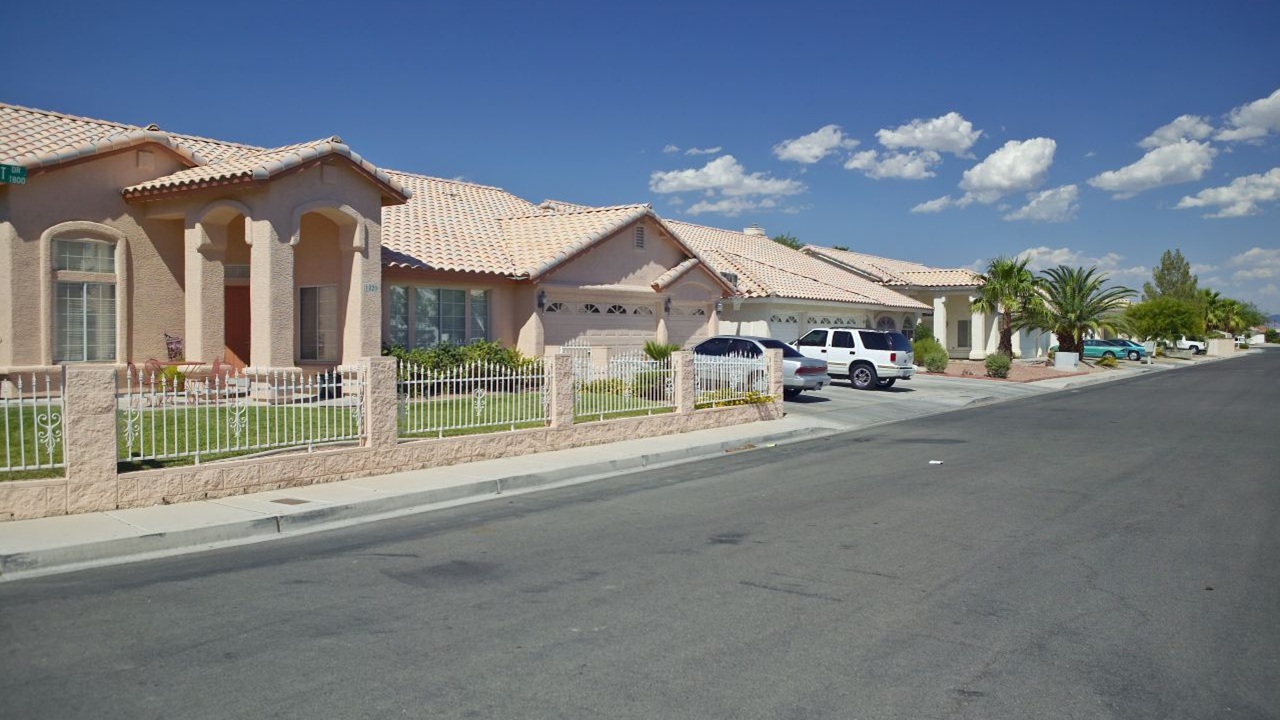
Most fatal drug overdoses in Clark County, Nevada, happen behind closed doors, not on the street, according to new data from the Southern Nevada Health District. Even though Nevada features a wide range of inpatient care centers and local Narcotics Anonymous chapters for community members, the data shows that people still fall through the cracks. Now, the finding can reshape how public health officials think about opioid addiction and overdose prevention in the Las Vegas area.
The Opioid Crisis Around Las Vegas
“Inside residences, by far, that’s where most of the drug overdoses occur,” Brandon Delise, a senior epidemiologist with the Southern Nevada Health District, relayed. Delise observed a common misconception that most overdoses happen outdoors or in public spaces, but the data points the other way.
The findings come from a project the health district launched to understand why The Silver State has been slower than the rest of the country to bring down fatal overdoses. According to the health district’s advisory board, the United States has seen a 15.9% reduction in fatal drug overdoses, compared to just a 2.2% reduction in Nevada over the same period.
Clark County overdose deaths climbed sharply after 2020, when the county recorded 560 deaths. That number rose to 802 in 2024 before falling to 714 in 2025, the first decline in the current data. Delise reported some progress, but fatalities remain well above 2020 levels.
Driving the Trend
Delise identified fentanyl and methamphetamine as the two substances most responsible for Clark County’s overdose deaths. Deaths involving illicit fentanyl and other synthetic opioids rose from 193 in 2020 to 454 in 2024, before dropping to 421 in 2025. Methamphetamine-related deaths followed a similar arc, climbing from 250 in 2020 to 455 in 2024 and fell to 381 in 2025.
To understand these patterns better, the health district deployed a team in May 2026 to interview people at risk of overdosing and service providers directly. They wanted to understand drug use patterns, demographics and whether folks at risk knew about or had access to harm reduction supplies.
Delise also pointed to a lag effect that may help explain why Nevada trails the national trend. Shifts in the opioid supply that show up nationally often don’t reach Nevada until years later. The health district has observed this pattern repeatedly as new synthetic narcotics appear and the drug supply changes over time.
Harm Reduction & Treatment Options
The health district has leaned heavily on naloxone distribution as part of its response. Delise pointed out that Southern Nevada distributed more than 200,000 free doses of naloxone in 2025 alone. He credited the scale-up for bringing down the area’s overdose death rate.
Naloxone reverses the effects of an opioid overdose within minutes, but doesn’t treat the underlying opioid addiction that leads to repeated overdose risk.
Medication-assisted treatment (MAT) options remain the most evidence-based approach for people with opioid use disorder. Clinicians often pair MAT with counseling and peer support such as NA meetings.
Because most fatal overdoses in Clark County happen inside homes, the health district’s data suggests that having naloxone on hand at home, and making sure family members or roommates know how to use it, may matter as much as public-facing distribution programs.
NA for Opioid Addictions in Las Vegas & Beyond
Despite federal funding cuts affecting other jurisdictions, the Southern Nevada Health District’s funding for overdose prevention has remained intact. This means cost shouldn’t be a barrier for Clark County residents seeking naloxone or information about treatment.
Anyone in Clark County concerned about their own opioid addiction or a loved one’s fentanyl use can attend their first NA meeting in Las Vegas and the surrounding area, as well as opioid treatment programs that offer MAT and free harm reduction supplies.
No matter where you’re located, these options exist. Get started by calling 800-934-1582(Sponsored) for opioid addiction treatment options if you or someone you know needs help. Our browsable directory also features NA groups all across the United States, searchable by location.
the Take-Away