 800-861-9372
The leader of an international drug trafficking organization operating through Southern California was sentenced on July 9 to 240 months, or 20 years, in federal prison. For people living with narcotic addiction and the families around them, it’s a reason to celebrate. To be sure, The Golden State offers a wide breadth of programs ranging …
Drug Trafficking Kingpin Sentenced to 20 Years in Federal Prison
Get Help Now 800-934-1582
 Sponsored
Sponsored
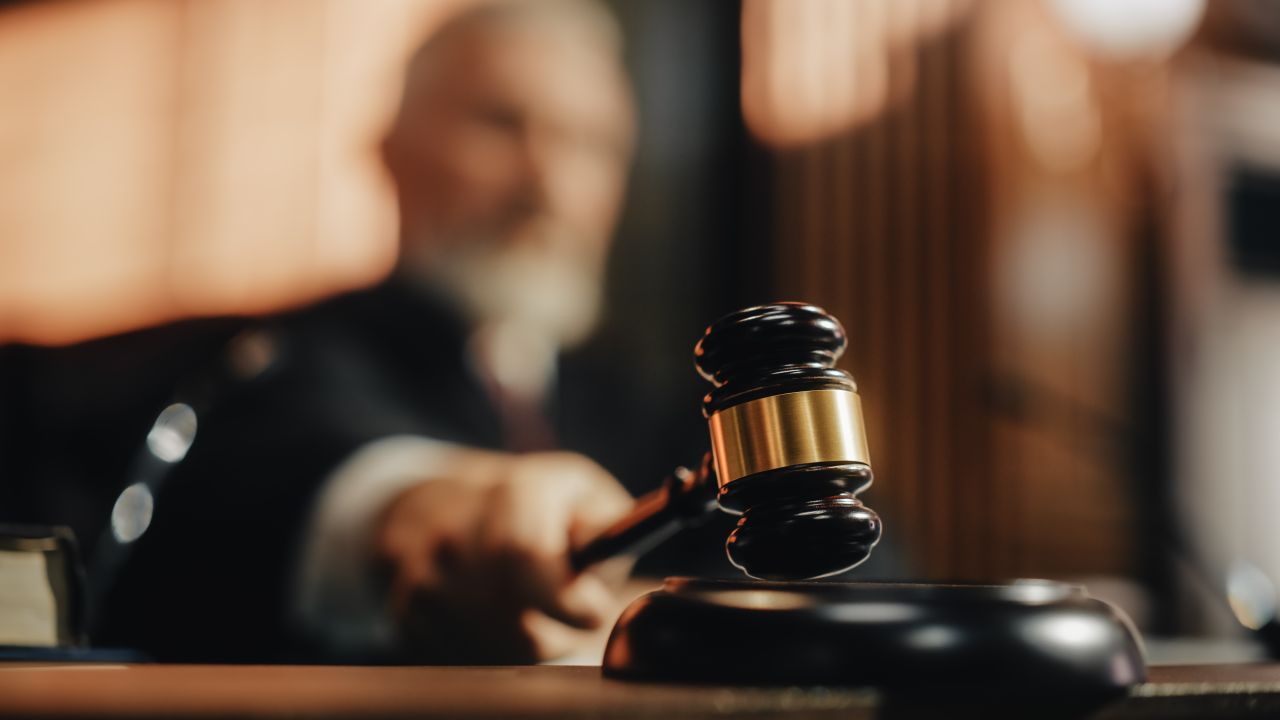
The leader of an international drug trafficking organization operating through Southern California was sentenced on July 9 to 240 months, or 20 years, in federal prison.
For people living with narcotic addiction and the families around them, it’s a reason to celebrate. To be sure, The Golden State offers a wide breadth of programs ranging from inpatient care to grassroots Narcotics Anonymous programs to combat substance misuse. However, cases like this one shape the illicit supply without changing the day-to-day work of finding treatment and staying safe.
The Court’s Findings
United States District Judge John A. Kronstadt sentenced Guramrit Sidhu in the Central District of California. Sidhu pled guilty on March 26 to one count of engaging in a continuing criminal enterprise. That charge, brought under the federal statute known as the kingpin statute, applies to those who organize or supervise a large-scale drug operation rather than simply participate in one.
Under his plea agreement, Sidhu led an organization that trafficked drugs out of the United States between September 2020 and February 2023. Over six weeks from mid-September to October 2022, he orchestrated eight separate drug loads totaling approximately 1,150 pounds of methamphetamine and 765 pounds of cocaine. Law enforcement seized all of it. Prosecutors estimated the wholesale value at roughly $15 million to $17 million.
After purchasing bulk quantities in the United States, Sidhu arranged transport by long-haul semi-truck across interstate highways. Couriers used phone numbers and currency serial numbers as identifying tokens during handoffs.
Sidhu came into federal custody in October 2024 after the Justice Department’s Office of International Affairs secured his extradition. He’s the eighth defendant in this case to plead guilty thus far. Others received federal prison terms ranging from 27-108 months.
The investigation involved the FBI, the Los Angeles Police Department, the Los Angeles Interagency Metropolitan Police Apprehension Crime Task Force, federal authorities, and international law enforcement partners.
Stimulants in the Current Supply
Methamphetamine and cocaine are stimulants. They increase alertness, heart rate, and blood pressure, and they carry their own overdose risk, which can present as chest pain, agitation, seizures, hyperthermia, or stroke rather than the slowed breathing seen with opioids.
Stimulant use disorder doesn’t currently have an FDA-approved medication comparable to methadone or buprenorphine for opioid use disorder. Treatment relies on behavioral approaches, contingency management and peer support. That’s one reason support groups matter so much for people recovering from stimulant use.
A separate and important point: the loads described in this case were methamphetamine and cocaine. Court documents don’t describe fentanyl in these seizures, and nothing here should be read as saying otherwise. Nationally, however, fentanyl contamination of the stimulant supply remains a documented risk, which is why the harm reduction guidance below applies to stimulants and not just opioids.
Enforcement in Action
Large seizures remove products from the market and can disrupt distribution networks. But they don’t reduce the number of people who wake up tomorrow with cravings, withdrawal, or a use disorder they want help with. Supply disruption can also push the illicit market toward substitutes of unknown or mixed composition.
Even though the number of fentanyl cases in LA County has declined in recent years, residents need to stay vigilant lest an addiction or overdose strike. If you or someone you care about is using stimulants or opioids, the next step is the same today as it was last week.
NA Fights Narcotic Addiction
Recovery paths vary and none of them require choosing just one. Options include:
- Medically supervised detox and inpatient or outpatient treatment
- Medication for opioid use disorder, including methadone, buprenorphine, and naltrexone, where clinically appropriate
- NA meetings, including open, closed, virtual and Spanish-language formats
- 988 Suicide and Crisis Lifeline for anyone in crisis
NA remains a free, confidential and easy-to-join way to fight addiction. Local chapters dot the landscape nationwide. To find one, simply browse our directory or call 800-934-1582(Sponsored) to speak with an expert about treatment options for narcotic addiction.
the Take-Away