 800-861-9372

An experimental fentanyl vaccine has cleared its first human trial. Researchers say this development might eventually add a new prevention tool to the fight against opioid overdose. The Opioid Crisis and a New Prevention Approach Fentanyl now accounts for the majority of opioid overdose deaths in the United States, and its potency makes it far …
Fentanyl Vaccine Shows Promise in First Human Trial
Get Help Now 800-934-1582
 Sponsored
Sponsored
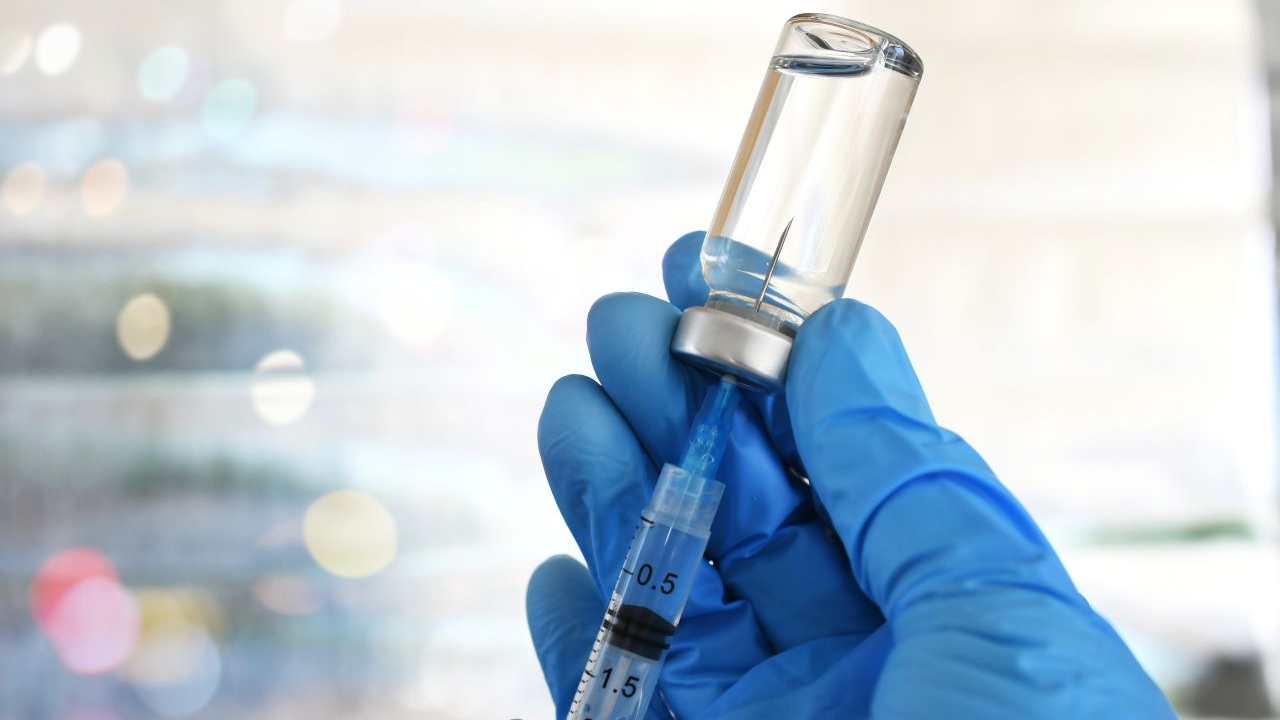
An experimental fentanyl vaccine has cleared its first human trial. Researchers say this development might eventually add a new prevention tool to the fight against opioid overdose.
The Opioid Crisis and a New Prevention Approach
Fentanyl now accounts for the majority of opioid overdose deaths in the United States, and its potency makes it far more dangerous than heroin or many prescription opioids. Drugmaker ARMR Sciences reported its early stage clinical trial showed the vaccine was safe and well tolerated. Participants developed immune responses that could, in theory, block fentanyl from reaching the brain and triggering an overdose.
The small Phase 1 trial enrolled around 40 healthy adults at the Centre for Human Drug Research in the Netherlands, a facility linked to Leiden University. It’s the first time a fentanyl vaccine was tested in people, and researchers now plan larger Phase 2 trials to see how well it actually prevents overdose in real world conditions.
The Fentanyl Vaccine in Action
The vaccine trains the immune system to produce antibodies that bind to fentanyl molecules in the bloodstream. Those antibody complexes are too large to cross the blood brain barrier, so the fentanyl attached to them can’t reach the brain to produce a high or trigger the respiratory depression that causes a fatal overdose.
This is a fundamentally different mechanism than existing tools. Naloxone, sold under brand names like Narcan, reverses an overdose after it has already started by displacing opioids from receptors in the brain. Medications like methadone and buprenorphine reduce cravings and manage withdrawal for folks in treatment.
In contrast to established methods, the vaccine works earlier in the sequence, before fentanyl ever reaches the brain. That’s why researchers describe it as a preventive approach rather than a treatment or a reversal agent.
In animal studies, protection lasted around six months, and researchers hope a course of shots might eventually protect a person for roughly a year. However, that timeline hasn’t yet been confirmed in humans.
The Vaccine’s Potential for the Overdose Epidemic
The vaccine is still years away from any public availability, if it proves safe and effective in larger trials. It’s not designed to replace medication assisted treatment, counseling or peer support, and researchers are clear that the vaccine is intended for folks who want an additional layer of protection, not a standalone cure.
For people with opioid use disorder today, and for anyone who uses drugs that might contain fentanyl without their knowledge, existing tools remain the most immediate line of defense against overdose.
Harm Reduction and Treatment Available Now
- Carry naloxone. It’s available at most pharmacies without a prescription and can reverse an opioid overdose in progress.
- Fentanyl test strips can help people who use drugs check for fentanyl contamination before use.
- Medication assisted treatment, including methadone, buprenorphine and naltrexone, remains the evidence based standard for opioid use disorder.
- Narcotics Anonymous meetings offer peer support for people in recovery from any drug addiction, not just opioids.
NA as the First Step to Fight Opioid Addiction
A future vaccine will not help anyone facing addiction today, but treatment and support are already available. Call 800-934-1582(Sponsored) to speak with a specialist about NA meetings for peer support and learn where to find harm reduction programs to prevent a fatal overdose when it matters most.
You can also browse our directory to locate NA meetings anywhere in the country. Narcotics Anonymous offers the first–and often the longest–lasting line of defense against drugs. Connect with your peers and recover together.
the Take-Away