 800-861-9372

San Francisco community leaders and recovery advocates gathered in the South of Market neighborhood this week to mark a turning point in the city’s opioid addiction crisis, pointing to fewer visible signs of public drug use after a year-long push to shift away from tolerance and toward treatment and accountability. The Golden State of California …
San Francisco Shows Progress Fighting Opioid Addiction
Get Help Now 800-934-1582
 Sponsored
Sponsored
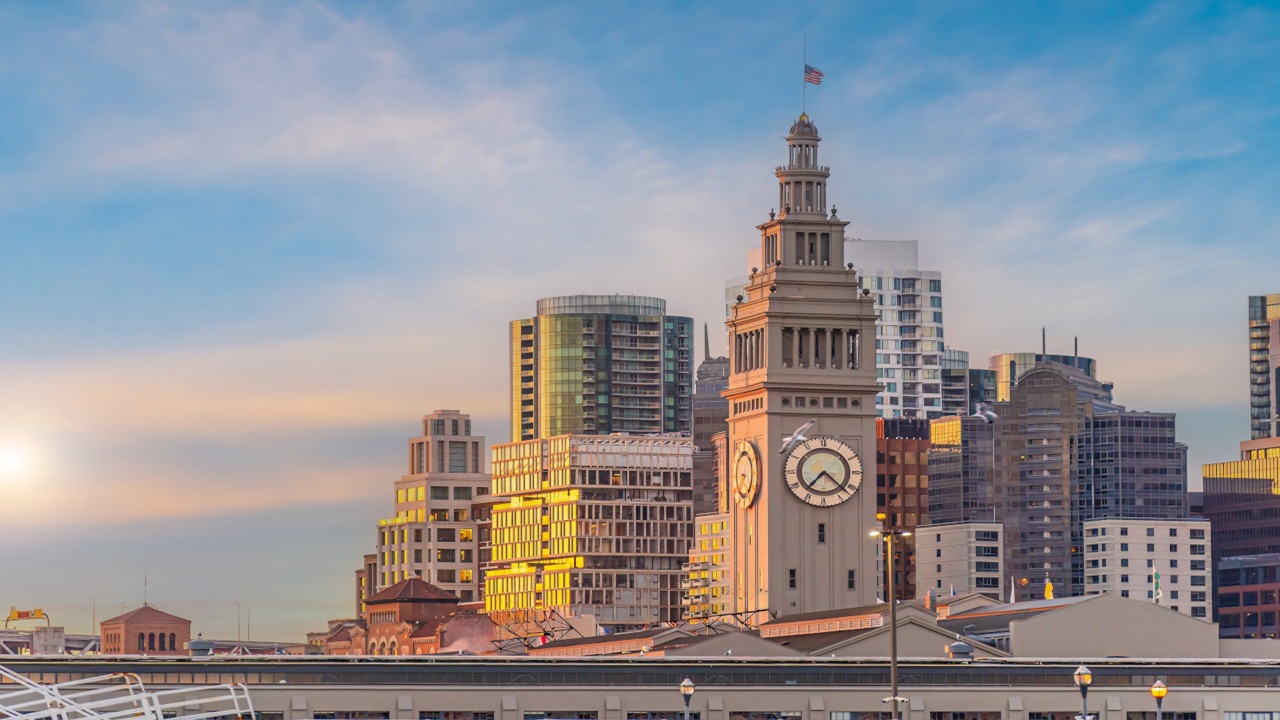
San Francisco community leaders and recovery advocates gathered in the South of Market neighborhood this week to mark a turning point in the city’s opioid addiction crisis, pointing to fewer visible signs of public drug use after a year-long push to shift away from tolerance and toward treatment and accountability.
The Golden State of California is the country’s most populous state. Residents can find a wide range of programs from modern inpatient care to local Narcotics Anonymous chapters in most neighborhoods. Out in San Francisco, locals had long tolerated substance misuse and instead actively push for greater measures to save lives.
San Francisco’s Shift on Public Drug Use
The advocacy group Drug Free Sidewalks marked its first anniversary with a gathering at Montesacro, an Italian restaurant on Stevenson Street that has weathered 11 years in the SOMA neighborhood.
Owner Gianluca Legrottaglie said the spread of dangerous synthetic drugs like fentanyl reshaped the block, driving out neighboring businesses as public drug use became more visible over the years. He relayed how he’s noticed real change over the past year, especially in the alleys near 6th and Jessie streets.
Fentanyl’s Toll on the Tenderloin and Beyond
Opioids include many narcotics that relieve pain and produce euphoria by acting on receptors in the brain, but carry a high risk of dependence even with legitimate medical use
Fentanyl has been central to the opioid crisis driving these policy shifts nationwide, and San Francisco felt the impact. Mayor Daniel Lurie said a recent ride-along with police through Mission and 16th, 6th Street, and the Tenderloin reinforced how much work remains, even with the visible progress. He noted that many people are still openly using and still suffering.
State Assemblymember Matt Haney, who lives in the Tenderloin, said he’s seen markedly fewer people using or selling drugs openly, and fewer discarded needles on the sidewalk. He described the city moving away from a strategy centered on safer-use tools alone and toward one that more actively leads people into recovery. Haney is again pursuing legislation to free up state funding for drug-free housing.
At the city level, Supervisor Matt Dorsey, who is open about his own recovery, wants to advance legislation to prioritize city funding for permanent supportive housing that prohibits onsite drug use.
The Limits of Housing Alone
Amber Richmond spent years using drugs openly on San Francisco’s streets. She now works helping others navigate the same housing system she once relied on. Raymond said real gaps remain for people trying to direct their own recovery and rebuild stability beyond day-to-day survival.
Richmond had sober living housing for six years before she began actively working on her own recovery. She stressed that housing, treatment, and peer support all matter — none of them substitutes for the others.
Harm Reduction and Treatment for Opioid Addiction
San Francisco’s policy debate reflects a tension playing out in many cities. Some officials emphasize recovery-focused and enforcement-oriented approaches over harm reduction tools. Other folks with lived experience, like Richmond, argue that compassion, housing, treatment and recovery support all need to work together.
Naloxone, often known by the brand name Narcan, can reverse an opioid overdose in minutes when given in time. That makes naloxone one of the most important tools in preventing overdose deaths. BART and other public venues offer free naloxone to the public.
Public health researchers broadly agree that naloxone access and medication-assisted treatment can reduce overdose deaths and support long-term recovery from opioid abuse.
Narcotics Anonymous meetings and other peer-support programs offer a complementary, no-cost path, providing community and accountability for people at any stage of recovery from narcotic addiction.
NA Meetings in the Bay Area and Beyond
Narcotics Anonymous meetings are held throughout the Bay Area and San Francisco. Visit our directory or contact us by dialing 800-934-1582(Sponsored) to find an in-person or virtual meeting anywhere in the country.
the Take-Away