 800-861-9372


New technology like artificial intelligence is giving public health officials a head start in fighting opioid addiction. This time, the response may come before an overdose ever happens.
For more than a decade, the standard playbook against the opioid epidemic has been largely reactive: distribute naloxone, respond to overdoses and treat survivors. Those efforts have saved countless lives.
But a wave of artificial intelligence tools being deployed in California and across the country is shifting the paradigm toward prediction by identifying who’s at risk before they ever reach a crisis point. The Golden State boasts a wealth of resources from local Narcotics Anonymous meetings to pioneering artificial intelligence in the Silicon Valley. With AI spreading into every facet of daily life, those with substance use disorders can now enlist these digital tools to improve their health.
AI Predicts Opioid Relapse Before It Happens
One promising development involves wearable technology and smartphones. Researchers backed by the National Institutes of Health analyzed data including mood, sleep, and stress logs to identify behavioral patterns that can lead to a return of drug use. They found that deep learning models could forecast high-risk relapse states with significant accuracy.
The science is in biology. When someone with opioid addiction enters a craving state, their heart rate variability and other biological signals lose their normal healthy complexity. AI can detect this drop in “physiological entropy” several days in advance. This allows time for a digital intervention like a supportive text or a call from a counselor before those at risk ever reach for a pill.
For people in recovery, that kind of early warning system represents a meaningful lifeline.
Fentanyl Detection Gets a New Weapon
The fentanyl crisis has always operated on a grim treadmill. Clandestine labs alter chemical structures of illicit fentanyl just enough to stay ahead of law enforcement and existing drug databases. Identifying a brand-new synthetic opioid has historically required matching it to a known sample. When no match exists, no one knows what they’re dealing with until people start dying.
Researchers at Lawrence Livermore National Laboratory tackled this problem by developing a “random forest” machine learning model that classifies chemicals based on their underlying molecular properties rather than their names. When a law enforcement officer or lab technician encounters a never-before-seen compound, they no longer have to wait for a database update to identify a lethal opioid.
In a fentanyl landscape where new analogues appear constantly, that capability could prevent mass overdose events before they unfold.
Wastewater Data Maps Opioid Abuse Hotspots in Real Time
Perhaps the most unexpected front in this fight runs beneath city streets. Through the CDC’s National Wastewater Surveillance System and California’s Cal-SuWers program, public health officials use wastewater-based epidemiology to track opioids at the community level.
When a person consumes fentanyl, their body metabolizes it into a compound called norfentanyl. Labs using liquid chromatography–mass spectrometry can detect these metabolic signatures in concentrations as small as parts per trillion. Machine learning algorithms then distinguish between drugs that were flushed versus drugs that were actually consumed.
When this “digital sewage” data identifies a hotspot in a specific ZIP code, public health teams can deploy naloxone distribution, fentanyl test strips, and outreach workers directly to that community. They can meet folks where they are rather than waiting for emergency calls.
California Law Now Governs AI in Opioid Treatment
As these tools become embedded in clinical care, California is moving to regulate them. California Assembly Bill 489 prohibits AI systems from impersonating a medical professional or implying licensure where none exists. The law reinforces that no algorithm can serve as the sole decision-maker in a patient’s care so a human clinician must always remain in the loop.
The concern is real. Platforms like NarxCare already assign patients a risk score from 000 to 999 based on prescription history, pharmacy overlaps and doctor visits. But critics have raised “black box” concerns that a patient with a complex but legitimate pain history could be locked out of treatment by a rigid algorithm.
For people seeking opioid treatment or managing chronic pain, these protections matter.
Opioid Addiction Recovery Right Now
Technology can identify patterns and predict risk, but it doesn’t replace human connection in recovery. For people navigating narcotic addiction today, the most proven pathways to long-term recovery still involve hands-on community effort, not just code.
- Medication-assisted treatment (MAT) remains the top treatment approach for opioid use disorders. MAT via buprenorphine and methadone is now more accessible than ever under California’s AB 1037 Substance Use Disorder Care Modernization Act, which removed abstinence-only barriers to care.
- Narcotics Anonymous (NA) continues to be a cornerstone of peer recovery for people with opioid addiction. NA meetings provide what no algorithm can: lived experience, accountability, and community. Meetings are available in nearly every city and county across the country, in person and online.
- Naloxone (Narcan) remains the single most important harm reduction tool available. It reverses opioid overdose within minutes and is available without a prescription at most pharmacies in California and across the United States.
If you or someone close has an opioid addiction, don’t delay. NA meetings go on all the time and across the country. Browse our directory or dial 800-934-1582(Sponsored) to speak with an expert today.
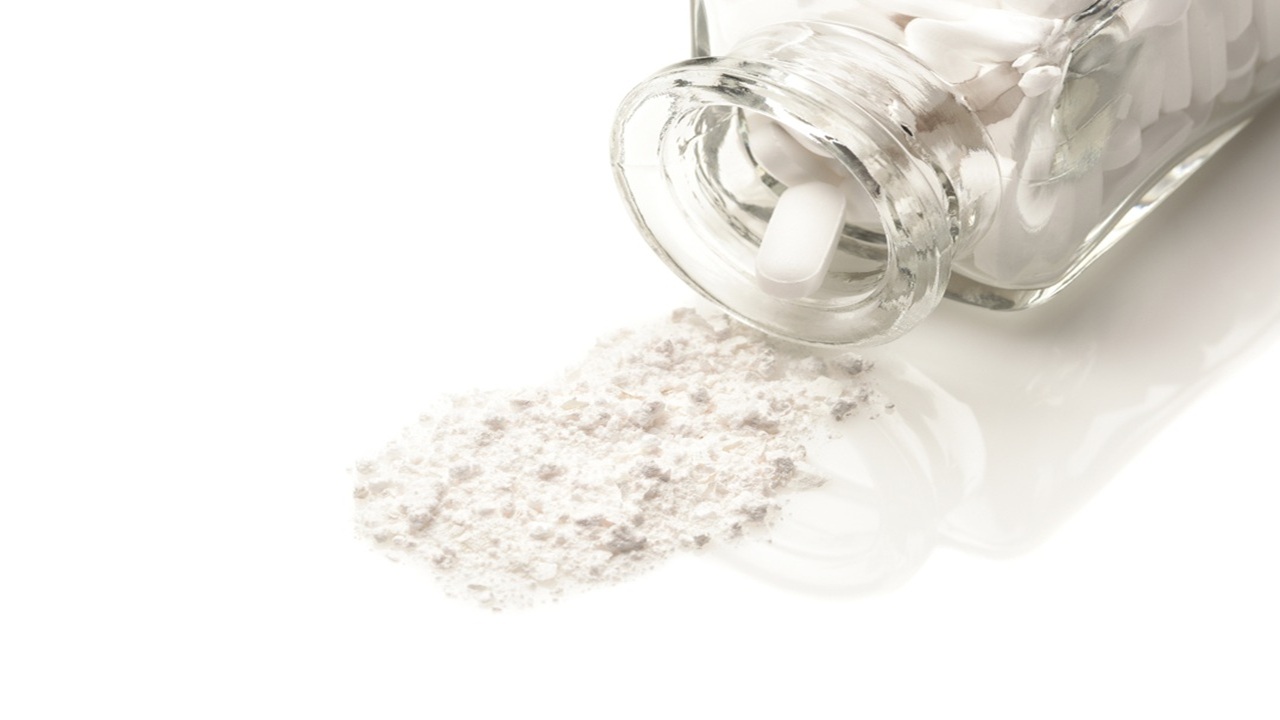
A peer-reviewed study is sending a critical warning through the opioid crisis community that the standard dose of naloxone (Narcan) may not be enough to reverse an overdose from newer synthetic opioids. For the millions of Americans affected by opioid addiction, not to mention the bystanders, families, and first responders trying to save lives, this research has life-or-death implications.
The Opioid Crisis Continues
The scale of the opioid epidemic in the United States remains staggering. Fentanyl and fentanyl-like drugs account for up to 79% of all opioid fatalities in the U.S. These aren’t abstract statistics. Behind each stat is a parent, child, or friend lost to a crisis driven largely by opioids.
Against this backdrop, naloxone has long been the front-line tool for reversing opioid overdoses. It’s distributed through harm reduction programs, pharmacies, and first responder kits nationwide. The new study, however, raises serious doubts about whether current naloxone protocols can adequately respond to the drugs now killing people.
What the New Research Found
The study found that a single dose of naloxone may not always reverse the respiratory depression caused by powerful synthetic opioids. Researchers tested naloxone in 30 folks, divided between those who had never used opioids and those who used them daily.
The findings go further than just dose adequacy. Researchers noted that when someone receives naloxone, they may appear awake and alert before their breathing has actually returned to safe levels. In short, looking “awake” doesn’t mean they’re fully recovered.
This distinction has immediate implications for patient safety and dosing strategies and helps explain why re-sedation and delayed respiratory instability can still happen even after timely naloxone administration.
In other words: a person in the middle of a fentanyl overdose may seem to be responding to Narcan, but still stop breathing.
Fentanyl’s Role in Making Overdoses Harder to Reverse
Understanding why fentanyl overdoses are so hard to reverse requires understanding what fentanyl does in the body. Fentanyl can be up to 100 times stronger than morphine. It binds tightly to opioid receptors in the brain and central nervous system, suppressing the drive to breathe.
Because fentanyl binds tightly to opioid receptors, they’re often harder to reverse with just one dose of naloxone, especially for victims exposed to high levels or more potent drugs. Newer synthetic opioids like orphines are increasingly detected in the illicit drug supply and are even more potent than fentanyl.
Overdose Response Right Now
The study’s lead author, Dr. Maarten A. van Lemmen of Leiden University Medical Center, stated that the current doses of naloxone might not be enough to reverse overdoses caused by newer synthetic opioids. The researchers urge institutions to update overdose response guidelines accordingly.
To be clear: the study authors are not saying naloxone doesn’t work. Rather, they note that overdose victims often need more than one dose. They recommend the following:
- Call 911 immediately when an overdose is suspected, even if naloxone is administered. Naloxone can wear off, and additional doses are crucial to keep the person safe until responders arrive.
- Current overdose response guidelines were developed for older and weaker opioids. These guidelines have to be updated as opioids continue to become increasingly stronger.
- For anyone carrying naloxone, the practical guidance is: use multiple doses, don’t leave the person alone and always call 911.
Finding Help for Opioid Addiction
This research underscores that naloxone is a bridge, not a destination. Surviving an overdose is the first step, but long-term recovery from narcotic addiction requires ongoing treatment and support.
If you or someone you love is impacted by opioid addictions, help is always available right now.
For those just starting out or even rehab graduates who need reinforcement, Narcotics Anonymous holds free, peer-led meetings in thousands of communities across the country.
NA is accessible, available and welcoming to all. Dial
800-934-1582(Sponsored)
or browse our directory to find NA meetings in any location.
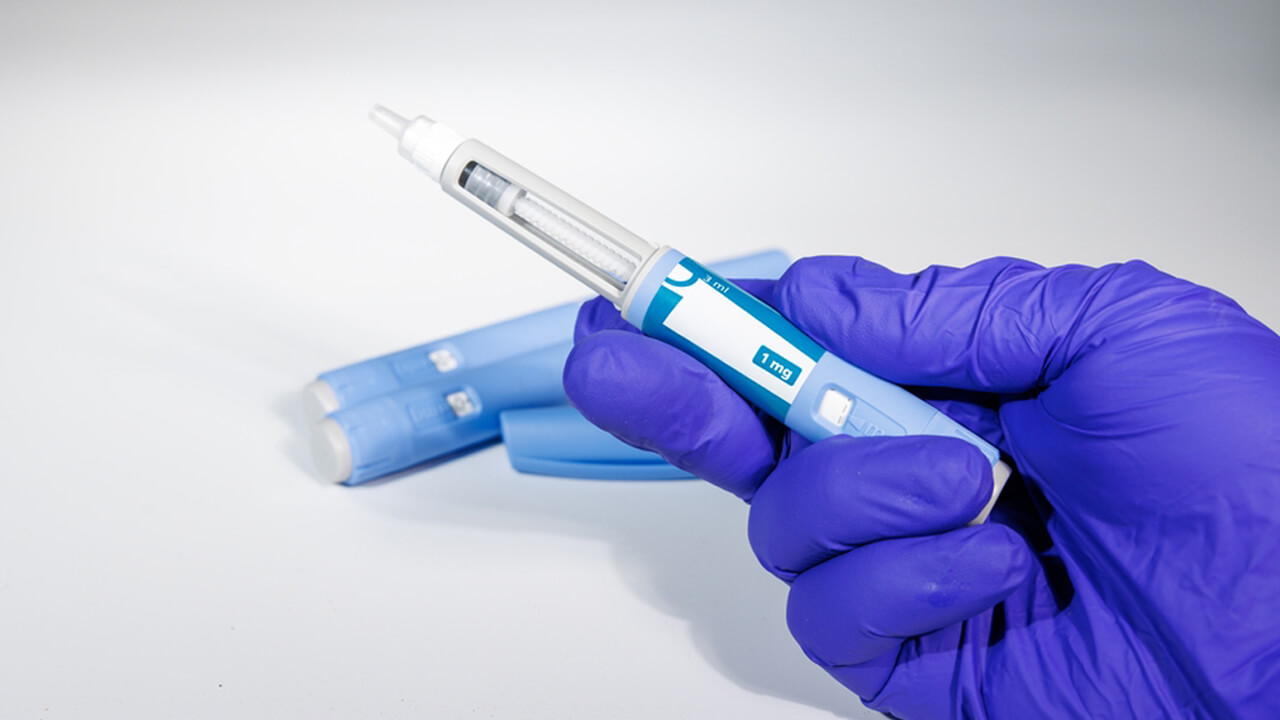
A new class of diabetes and weight-loss drugs is drawing attention from researchers, and the early data on opioid addiction may be the most compelling signal yet. GLP-1 receptor agonists, the drug class that includes semaglutide (sold as Ozempic and Wegovy), appear to reduce cravings, lower overdose risk and decrease substance use disorder diagnoses in real-world studies. But experts urge caution before the hype outpaces the evidence.
Introducing GLP-1 Drugs
GLP-1 receptor agonists were developed to treat type 2 diabetes and obesity by mimicking a hormone that regulates blood sugar and appetite. They’re typically administered once a week by injections. What researchers didn’t expect was that patients consistently reported reduced cravings—not just for food, but for alcohol, nicotine and opioids.
The leading theory is that GLP-1s modulate the brain’s reward pathways. These are the same neural circuits implicated in narcotic addictions. If confirmed, that mechanism would represent a genuinely novel approach to treating substance use disorders.
Opioid Addiction Data
The most striking evidence comes from a 2026 observational study of more than 600,000 U.S. veterans with type 2 diabetes. GLP-1 use correlated with lower risk of developing substance use disorders involving cannabis, cocaine and opioids. Among those with preexisting substance use disorders, GLP-1 takers had lower risks of hospitalization, overdose and suicidal ideation.
For those misusing opioids, the overdose finding is particularly significant. And the research is growing.
A separate randomized Phase 2 clinical trial focused on alcohol use disorder. It found that once-a-week semaglutide reduced drinking frequency and cravings over nine weeks compared to placebo. A recent systematic review also identified 33 registered clinical trials examining GLP-1s for substance use disorders, with growing interest in opioid and stimulant dependencies.
Fentanyl & the Stakes of New Treatment Options
The urgency behind this research is major. The opioid epidemic is now dominated by illicitly manufactured fentanyl and death tolls continue to mount. Fentanyl is 50x more potent than heroin, and accidental overdoses are common even among experienced drug users.
Current FDA-approved medications for opioid addiction are effective but fall victim to stigma, access barriers and treatment dropout. A non-opioid option like GLP-1 that reduces cravings can really expand the treatment toolkit, particularly for those who haven’t responded to existing therapies.
Some Gaps in the Science
Addiction specialist Dr. Lynn Webster is careful to distinguish between “promising” and “proven.” For instance, the large veteran study is observational and doesn’t establish that GLP-1s directly caused the reductions in opioid cravings. Patients prescribed GLP-1s may differ from those who aren’t in ways that affect the results.
Researchers note that the consistency of effects across multiple substances and outcomes provides a strong rationale for dedicated clinical trials. But those trials haven’t yet been completed for opioid use disorder specifically.
Safety considerations also matter for people in addiction recovery. Common side effects like nausea, vomiting, diarrhea and appetite suppression can persuade folks to stop therapy altogether, and many GLP-1 benefits fade when treatment stops.
In addiction care, insurance gaps and supply disruptions are common, which can lead participants to stop treatment if they can’t afford it. A 2026 analysis found that even brief interruptions in GLP-1 therapy were associated with elevated cardiovascular risk.
Seeking Help for Opioid Addiction Today
GLP-1 drugs aren’t yet an approved or available treatment for opioid addiction. They’re still classified as diabetes and weight-loss medications, so doctors don’t prescribe them off-label for substance use disorders. The clinical trials needed to establish safety and efficacy in this population are still underway.
That means the most effective and evidence-based options for opioid addiction today remain prescriptions like buprenorphine or methadone, combined with counseling and peer support through programs like Narcotics Anonymous.
NA meetings provide community, accountability, and lived experience that no drug can replicate. For many people in recovery from opioid addiction, the combination of medication, therapy, and peer support through NA meetings make lasting recovery possible.
While GLP-1 remains in the testing stage, attending NA meetings can be a head start toward recovery. Call 800-934-1582(Sponsored) to speak with an expert or browse our directory to find meetings organized by location across the country.
For millions of Americans managing chronic pain, the choice has long felt impossible: live with debilitating pain or risk opioid addiction. A new compound identified by researchers offers a potential third option: DFNZ. But the road from the lab to the medicine cabinet is long, and people are suffering now.
The Impossible Choice for Chronic Pain Patients
The opioid crisis didn’t start in darkened back alleys. It began in doctor’s offices, where patients with legitimate, life-altering pain were prescribed medications that worked, so much so that they didn’t let go.
Let’s be clear. Most people don’t start out wanting to get addicted. Rather, those with chronic pain often can’t get out of bed, go to work, or parent their children. Doctors handed them prescriptions that offered relief and dependence in the same bottle.
Up to 12% of patients who’ve used opioids for chronic pain develop addictions. This statistic sounds manageable until you apply it to tens of millions of prescriptions. A large fraction of patients currently suffering from opioid use disorder and dying from opioid overdoses had their first exposure as pain patients.
This tragedy lies at the center of the opioid epidemic that DFNZ researchers are trying to solve.
About DFNZ and Opioid Addiction
Researchers at the National Institute on Drug Abuse (NIDA), led by Dr. Michael Michaelides, have identified a novel synthetic compound called N-desethyl-fluornitrazene—DFNZ for short—that relieved pain in rodents without causing tolerance or other indicators of potential addiction.
In animal studies, DFNZ produced robust relief for acute and inflammatory pain. The novel drug didn’t cause significant respiratory depression or meaningful withdrawal effects with repeated dosing.
NIDA Director Dr. Nora D. Volkow reported that “developing a highly effective pain medication without these drawbacks would have enormous public health benefits.”
For chronic pain patients who have watched their prescription opioid dose climb over time, with tolerance building and withdrawal lurking, that statement carries enormous weight.
Chronic Pain Becomes Opioid Addiction
Chronic pain patients become so vulnerable to narcotic addiction because opioids interact with the brain over time. Research shows that opioid addiction primarily results from damage to the amygdala, leading to irregular reward-stress functions and heightened negative emotions during withdrawal that perpetuates the addiction cycle.
The cycle is cruel. Pain demands relief, opioids provide it, tolerance develops, higher doses are needed, and withdrawal becomes added suffering layered on top of the original pain. Many chronic pain patients describe not knowing where their pain ends and their opioid dependence begins.
Although alternatives to opioids exist to manage chronic pain, many people still fall back on prescriptions. Here’s where DFNZ, if it delivers on its early promise, can break this cycle at the molecular level.
DFNZ Differs From Fentanyl and Other Opioids
DFNZ activates the μ-opioid receptor, which is the same one targeted by morphine and fentanyl. The difference is that DFNZ doesn’t trigger the dopamine-driven reinforcement that leads to opioid addiction. This challenges the long-held assumption that strong μ-opioid activation inevitably causes dependence.
DFNZ belongs to a class of compounds roughly 1,000 times more potent than morphine, yet showing remarkably few adverse effects in preclinical models. For chronic pain sufferers who’ve built tolerance to regular opioids and require stronger doses for the same relief, the implications are significant.
Experts Urge Caution
History demands measured optimism. Oxycodone was once hailed as a safer, less addictive opioid. That promise contributed to the worst drug epidemic in American history.
Neuroscientists acknowledged DFNZ as a “promising approach,” but noted important limitations to address to avoid repeating the mistakes that led to the opioid crisis.
Significant additional research and regulatory scrutiny are required before any compound like DFNZ could reach the market. Human trials, FDA review, and years of post-market surveillance lie between today’s rodent data and a prescription pad.
But for chronic pain patients with opioid addiction today, that timeline means more time managing the pain and the drugs that have impacted their lives and those of loved ones.
Finding Help for Opioid Addiction While Managing Chronic Pain
Here’s where you can take steps today, rather than wait. If you’re living with chronic pain and opioid addiction, you’re not alone and you’re not to blame.
The first step often includes reaching out to your community for help and guidance. Going to grassroots, local groups for peer support works. Narcotics Anonymous offers anonymous, no-cost resources, sympathetic ears and shoulders, and assurance that you have help every step of the way.
Getting started now is easier than it might seem. Call 800-934-1582(Sponsored) or browse our directory for comprehensive listings for group listings across the country.
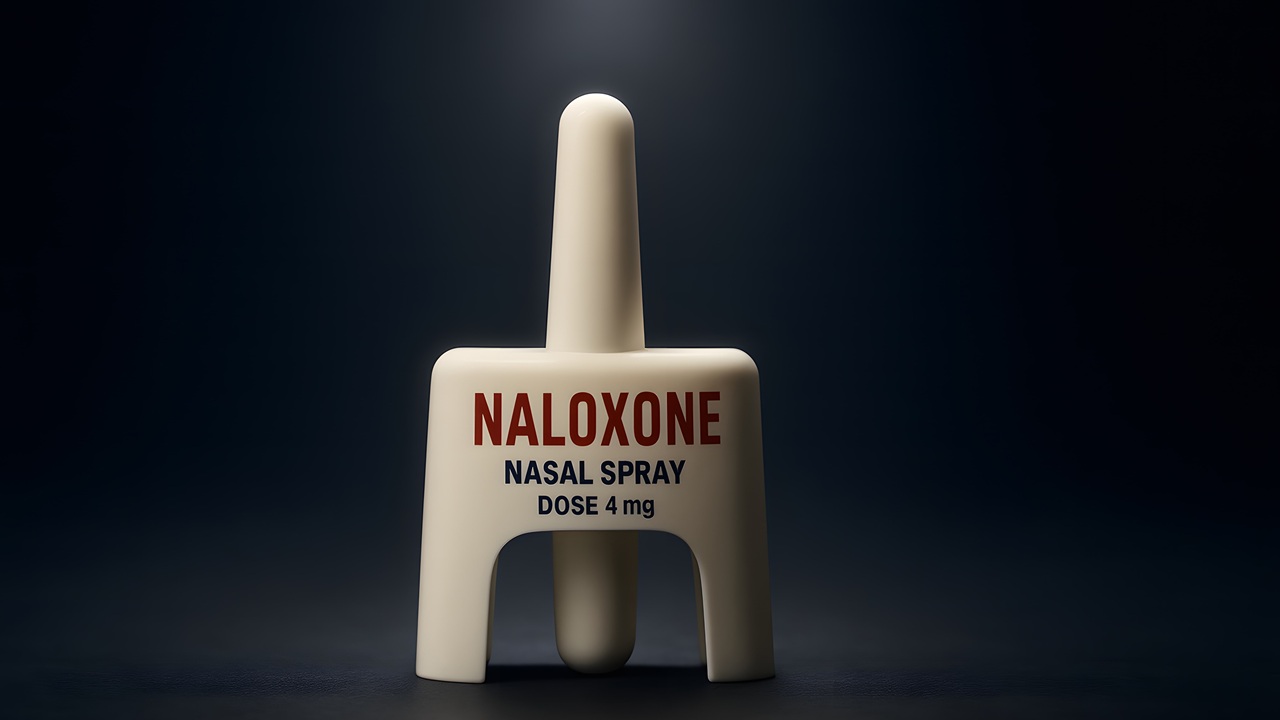
For the first time in nearly a decade, opioid deaths are falling in Travis County, and public health officials say expanded access to naloxone (Narcan) is the primary reason. Drug-related deaths in the county dropped 22% from 2023 to 2024, and fatalities involving fentanyl fell by 36%.
Travis County is home to a wide range of rehab services for drug addictions, from Narcotics Anonymous community meetings to modern inpatient hospitals. As with many counties in Texas, local and state officials have collaborated tirelessly to drive the death rate down, and these numbers show it.
But advocates warn the progress is fragile, with federal funding cuts threatening to undo what took years to build.
The Opioid Crisis Hits Travis County
Travis County’s opioid crisis has been among the worst in the Lone Star State for years. The county’s seat and state capital, Austin, saw its peak of overdoses in mid-2023. And make no mistake, overdose deaths have remained the leading cause of accidental death in Travis County, ahead of both falls and motor vehicle accidents.
In January 2024, Austin-Travis County EMS averaged just over 100 opioid calls per month. By the next year, that number had dropped to about 50. A 50% drop occurred inside a single year.
Since 2022, Travis County has spent nearly $5 million on tackling the opioid overdose crisis and distributed more than 36,000 doses of Narcan to the community.
Driving the Decline in Opioid Deaths
Officials state clearly that opioid abuse hasn’t disappeared, but more people survive overdoses because the tools to reverse them are now within reach.
Officials noted this doesn’t necessarily mean fewer drugs are on the streets or that drug use itself is declining. Rather, mitigation methods reach more people.
EMS Division Chief Angela Carr said the availability of naloxone has been crucial, noting an increase of people administering Narcan prior to EMS arrival, which she called “instrumental” in affecting the death rate.
Central Health, a nonprofit working with Travis County, is now expanding its fleet of naloxone distribution units, including to college campuses. The organization announced it will add 13 more Narcan distribution units to its existing 32, with all new sites ready by September. Officials plan to place four new units inside the Travis County Jail.
Fentanyl’s Role in the Austin Opioid Epidemic
Fentanyl has been the dominant driver of opioid deaths in Travis County throughout the crisis. The 2024 medical examiner’s report was a stark contrast to the prior year’s findings, which revealed the highest rate of accidental overdoses ever recorded in Travis County.
Fentanyl is a synthetic opioid 50-100x more potent than morphine. It contaminates the illicit drug supply broadly, including pills, heroin, and even stimulants like cocaine. This means people with any substance use disorder face fentanyl exposure risk. Naloxone (Narcan) is a medication approved by the FDA that rapidly reverses opioid overdoses and is available without a prescription in most states, including Texas.
Experts recommend that everyone learn to recognize overdose signs, such as small pupils, decreased responsiveness, and slow or absent breathing. Anyone who finds someone showing those signs should use naloxone immediately and call 911, since fatal opioids typically last longer than a single dose of intranasal naloxone.
Opioid Settlement Funding & the Federal Threat
Much of the progress in Travis County is financed by legal settlements with opioid manufacturers. Settlements from lawsuits against pharmaceutical companies have brought hundreds of thousands of dollars each year to fund Narcan doses and install the distribution units.
But that funding stream faces serious risk. Many nonprofits rely on COVID-19 era federal grants that might disappear after the Trump administration announced plans to cut $11.4 billion in addiction and mental health services. Texas Harm Reduction Alliance Executive Director Maggie Luna warned that without sustained investment, the progress made in lowering fatal drug overdoses could be at risk.
Treatment Options and NA Meetings in Austin
Recovery from opioid addiction requires more than surviving an overdose. Travis County has invested in a range of treatment pathways alongside its harm reduction work. The county has launched public education campaigns and trained 1,000+ community members to recognize and respond to overdoses.
Austin-Travis County EMS has also emphasized a buprenorphine bridge program as a way of helping people by connecting those who survive an overdose with medication-assisted treatment before they leave EMS care.
For those seeking peer support, Narcotics Anonymous (NA) meetings remain a cornerstone of long-term recovery from opioid and narcotic addiction. NA meetings in the Austin and Travis County area are available daily, in-person and online, for anyone ready to take the next step.
Perhaps best of all, NA meetings are peer-led. You meet with others in your community who have the same experiences and backgrounds, and camaraderie forms for life-long support and fellowship. Our directory has a comprehensive list of NA meetings across the county, or feel free to call 800-934-1582(Sponsored) to speak to an expert.

The University of Idaho is working to close a critical gap in opioid addiction care that has already cost hundreds of lives in the state. A program is training Idaho clinicians on treating opioid use disorder. The goal is to equip frontline providers with the updated knowledge as fentanyl, xylazine, and other substances continue to reshape the opioid crisis across the state.
Idaho already has an impressive range of programs available to combat substance misuse. In the Gem State, local communities have banded together to start grassroots chapters of Narcotics Anonymous to offer peer support for those impacted by drug use.
Yet a significant share of people never receive proven treatment and a lack of trained providers is a major reason why. The need persists, with 264 Idahoans dying from opioid-related drug overdoses in 2023.
The Opioid Crisis
The treatment gap is especially pronounced in rural states like Idaho, where access to opioid treatment programs (OTP) is limited by geography. While 20% with opioid use disorder achieve two years of abstinence without meds, those who relapse face a high risk of death. This makes medication-assisted treatment (MAT) a life-or-death issue for thousands of patients.
After someone has overdosed once, the chance of dying within the next year is one in ten.
The Opioid Care Gap in Idaho
According to Dr. Jacob Harris, an addiction medicine specialist at the VA Medical Center in Boise, one reason so few people receive medication is that Idaho’s health care community isn’t sufficiently trained to confidently treat the condition. Reticence is driven by lack of training, not knowing where to start and fear of doing it incorrectly.
Under the University of Idaho’s School of Health and Medical Professions, Project ECHO Idaho operates the Opioids, Pain and Substance Use Disorders (OPSUD) series. Physicians, nurse practitioners and other primary care clinicians learn about the latest theories and practices for treating substance use disorders and pain.
The online series equips Idaho health care workers to prescribe meds and treat patients as laws, addiction trends and treatment recommendations change.
Fentanyl’s Role & the Shifting Drug Landscape
The opioid crisis hasn’t stood still. The opioid landscape has evolved over the past several years as people move from prescription opioids to street oxycodone, then heroin and now fentanyl. Illegal dealers often lace these opioids with other substances to intensify their effects.
Today, new drugs have emerged. Xylazine is a non-opioid veterinary tranquilizer that slows the heart rate and produces long-lasting euphoria and emerged in U.S. drug supplies in the early 2000s. Kratom is a non-federally regulated drug that mimics opioid-like sedative and euphoric effects and has impacted Idaho for more than a decade.
The 2025 OPSUD series consisted of learning how to ID, test and treat addiction or overdoses involving these substances.
One session highlighted a lesser-known fentanyl overdose symptom called “wooden chest syndrome,” in which rigid chest muscles make breathing extremely difficult. It’s a sobering reminder that even experienced clinicians have more to learn.
Medications and Expanding Access
The two primary medications for opioid use disorder are methadone, usually dispensed through opioid treatment programs, and buprenorphine, which patients can take at home. Since methadone is only available through OTP facilities typically located in larger cities, buprenorphine has expanded access to life-saving treatment in rural areas.
In addition, naloxone (brand name Narcan) is an emergency medication that can reverse an opioid overdose within minutes.
Prior to 2023, prescribers had to complete special DEA X-waiver training to prescribe medications for opioid use disorder. That requirement was removed. Now, with eight hours of continuing education per year, prescribers are licensed to provide controlled medications. The OPSUD series meets these requirements.
Harm Reduction & NA
Medication and clinical care comprise only part of the solution. Peer support and community-based recovery play a vital role in long-term opioid addiction recovery.
For many Idahoans, Narcotics Anonymous (NA) meetings provide free, peer-led support for people struggling with narcotic addiction at every stage of recovery. NA meetings are available in communities across Idaho in-person and online.

A landmark loan repayment initiative in Michigan is putting real money behind the push to close a devastating gap in opioid addiction treatment, and it could mean more help is finally coming to communities hardest hit by the opioid crisis.
Michigan’s Department of Health and Human Services (MDHHS) is offering student loan repayment to providers who begin or expand opioid addiction treatment programs, with awards ranging from $15,000 to $30,000.
The Opioid Crisis by the Numbers
The need driving this program is staggering. An estimated 1.3 million Michigan residents need treatment for substance use disorder but are not currently receiving it, according to the National Survey on Drug Use and Health. Workforce shortages are a central reason why.
Michigan currently ranks 40th in the nation in the number of substance use disorder counselors per adult with a disorder, a gap that leaves people with opioid addiction waiting for care that often never arrives. For many, that wait ends in overdose.
What Is Driving the Treatment Gap
The barriers keeping providers out of this field are well documented. High educational debt and the cost of addiction medicine certification deter many qualified clinicians from entering opioid treatment, particularly in rural and underserved areas.
Michigan’s loan repayment initiative is supported by the Michigan Opioid Healing and Recovery Fund, created using settlement funds from the nation’s three largest pharmaceutical distributors and opioid manufacturer Johnson and Johnson.
To date, the program has provided $3.7 million in loan repayment assistance to 202 providers and helped treat an additional 8,000 opioid use disorder clients.
Those are 8,000 people who got access to opioid addiction treatment they might not otherwise have received.
Who Is Eligible and How to Apply
Medical and osteopathic doctors, psychiatrists, nurse practitioners, physician assistants, case managers and substance use disorder counselors are eligible to apply if they are offering or expanding opioid treatment services.
Providers must serve at least two to three years at an approved substance use disorder treatment facility. For the current cycle, applications are being accepted through the MIOTA program portal at Michigan.gov/miota.
Fentanyl and the Ongoing Overdose Emergency
Programs like this exist because the opioid epidemic has not slowed. Fentanyl, a synthetic opioid up to 100 times more potent than morphine, now drives the overwhelming majority of overdose deaths in the United States.
It has infiltrated the street supply of heroin and counterfeit pills, making every use potentially fatal.
Expanding access to opioid addiction treatment, including medication-assisted treatment (MAT) with buprenorphine or methadone, is one of the most effective tools public health officials have to reduce overdose deaths.
Understanding Opioid Addiction and Treatment Options
Opioid addiction, also called opioid use disorder (OUD), is a chronic medical condition driven by changes in brain chemistry caused by repeated opioid exposure, whether from prescription painkillers, heroin or illicit fentanyl.
Effective opioid addiction treatment typically combines FDA-approved medications with behavioral health counseling.
Naloxone (Narcan) remains a critical life-saving intervention that can reverse an opioid overdose in minutes and is available without a prescription in most states.
Harm Reduction and Peer Recovery Through Narcotics Anonymous
Expanding the provider workforce addresses one side of the treatment gap. Peer recovery is the other. Narcotics Anonymous (NA) meetings offer free, community-based support for anyone struggling with narcotic addiction or opioid abuse, no referral or insurance required.
NA meetings operate on lived experience: people who have been through opioid addiction supporting others who are still fighting it.
For people not yet ready for formal treatment, or as a complement to medication-assisted therapy, NA meetings are a critical first step toward recovery.
Finding Help for Opioid Addiction
You can find Narcotics Anonymous meetings nationwide by searching Narcotics.com’s directory of NA meetings. Meetings are available in person and online, seven days a week. Call 800-934-1582(Sponsored) to speak with a treatment advisor today.

Opioid overdose deaths in Oregon dropped for the second consecutive year, offering a fragile but meaningful sign of progress in one of the hardest-hit states of the fentanyl crisis. However, health experts warn the epidemic is far from over.
Oregon enjoys a wide variety of grassroots programs and support groups like Narcotics Anonymous that have helped drive those numbers down. The Beaver State also features many inpatient and outpatient services. The results show: the state reported 1,015 confirmed or suspected opioid overdose deaths in the 12 months prior to August 2025, down from 1,272 deaths the previous year and a decline of nearly 20%.
Opioid Overdose Numbers in Oregon
The drop marks more than 30% below Oregon’s peak recorded in May 2024. But context is critical: Oregon’s opioid death rate remains almost 3x that of May 2020, when 351 people died from overdoses.
Dr. Todd Korthuis heads the department of addiction medicine at Oregon Health & Science University. He urged continued vigilance as people are still dying at higher rates than a decade ago. “This is progress,” Korthuis noted, “but we’re not out of the woods.”
Fatal overdoses account for only a fraction of the numbers. Oregon had close to 4,200 inpatient hospitalizations associated with drug overdose and 10,300+ overdose-related emergency department visits in 2024 alone. These figures are actually much higher because they exclude overdoses that were reversed with naloxone.
Driving the Decline in Opioid Deaths
Health experts point to several overlapping factors behind the downward trend.
- Supply disruption: The most significant contributor is disruption in the illicit fentanyl supply chain, beginning with a crackdown on manufacturers in China. Researchers link this disruption to weaker fentanyl potencies reaching the market, resulting in fewer overdoses.
- Expanded treatment access: Korthuis credited wider availability of medication-assisted treatments, including buprenorphine and methadone. Methadone has become a popular option for people seeking relief from fentanyl withdrawal.
- Naloxone distribution: Oregon’s Save Lives Oregon program, run by the Oregon Health Authority, now distributes naloxone to 380+ organizations statewide for emergency departments, health care settings and school-based clinics.
Fentanyl Remains the Dominant Threat
Most Oregon deaths involved fentanyl, often in combination with methamphetamine. For anyone with an opioid addiction or watching a loved one fight it, the numbers represent both hard-won progress and the ongoing weight of this crisis.
Because of fentanyl’s extreme potency and low production cost, it is frequently mixed into counterfeit pills or combined with heroin, methamphetamine, and cocaine in unknown amounts. These combos dramatically increase overdose risk for users.
Korthuis emphasized the fragility of current gains: “It could turn on a dime, and those same factors that seem to be contributing to declines in overdoses could reverse.” He called for sustained support for naloxone distribution and evidence-based prevention targeting young people before exposure to opioids occurs.
As Korthuis explained, progress has been uneven among certain groups. Communities of color that have disproportionately faced systemic racism and socioeconomic inequity continue to experience the highest rates of both fatal and nonfatal opioid overdoses in Oregon. Any sustainable response to the opioid crisis must address these underlying disparities.
Harm Reduction and Treatment Options in Oregon
Oregon’s declining overdose numbers reflect coordinated harm reduction and treatment efforts that often start at the ground up. Peer support and NA meetings provide free, community-based peer recovery support for people dealing with narcotic addiction. They occur daily and in cities big and small.
To get started, feel free to call
800-934-1582(Sponsored)
or glance through our comprehensive directory of NA groups today.

A recent clinical trial has produced the strongest evidence yet that a common generic antidepressant can help reduce methamphetamine use. This is a significant development in narcotic addiction treatment as no FDA-approved medication currently exists for the disorder.
An impressive array of programs and services already addresses many facets of addiction, from grassroots Narcotics Anonymous peer support groups to inpatient care. However, these new findings offer a potential foothold in treating stimulant use disorder without a single approved pharmacological option.
The Opioid Crisis & the Broader Narcotics Epidemic
While fentanyl and opioid addiction have dominated public health headlines for over a decade, methamphetamine use has surged in parallel. Indeed, the two even overlap as illicit drug markets regularly involve polysubstance use. Deaths involving both methamphetamine and synthetic opioids like fentanyl have become alarmingly common in overdose data.
Yet unlike available medication assisted treatment for opioid addictions, methamphetamine use disorder has had no equivalent. Instead, providers have opted for psychosocial counseling, behavioral therapy and peer support. These approaches are effective, but limited.
The Mirtazapine Trial’s Findings
That’s where this new study comes in. From November 2022 to May 2025, six outpatient alcohol and drug clinics in Australia enrolled 339 adults with moderate to severe methamphetamine use disorder. These participants had used methamphetamine for around 24 days out of a month.
Led by Dr. Rebecca McKetin of the National Drug and Alcohol Research Centre at the University of New South Wales Sydney, the team learned that those who took mirtazapine stayed off meth for around 7 days, two days longer when compared to those who took the placebo.
“The exciting thing about our finding is that we’re able to confirm that mirtazapine, this generic antidepressant that’s widely available and quite cheap, can actually help people to reduce their methamphetamine use,” McKetin noted, adding that the drug has a “well-established safety profile.”
Narcotic Addiction Treatment & the FDA Approval Gap
Mirtazapine is already approved as an antidepressant and widely available as a low-cost generic. The medication addresses a key driver of relapse. Patients who attempt to quit methamphetamine often face severe mood swings, depression, and insomnia that push them back toward use and discourage them from trying to quit again. Mirtazapine’s sedating and mood-stabilizing properties may blunt those withdrawal symptoms enough to interrupt the cycle.
“At the moment, all of the treatment options we’ve got are psychosocial, and can be difficult to access,” McKetin noted. For general practitioners, she said, they can use mirtazapine “to help people who want to reduce their methamphetamine use, in addition to using it for depression, and they can do that fairly safely.”
Important Limitations
The trial’s authors were candid about the modest scope of the effect. McKetin acknowledged it showed “quite a small effect” on methamphetamine use, and noted that secondary depression, insomnia, HIV risk behavior, and quality of life showed no significant improvement.
Treatment effects were also impacted by side effects. Almost 25% of the mirtazapine participants stopped taking the drug due to side effects, compared to 15% on placebo. The most common adverse effects were drowsiness and weight gain.
“As researchers, we need to come up with something that has a stronger impact and a larger treatment effect,” McKetin observed.
What This Means for People in Recovery
For individuals navigating narcotic addiction, this research underscores how recovery is a medical process, not a moral failure, and the science of treating it continues to evolve. The most durable recoveries typically combine pharmacological support with peer connection, behavioral therapy, and community.
Narcotics Anonymous meetings offer exactly that kind of sustained peer support. Meetings are free, accessible, and available every day. For anyone with methamphetamine or opioid addiction, NA meetings provide a space to build the human connections that make long-term recovery possible.
To find an NA meeting near your location, take a look through our directory or call 800-934-1582(Sponsored) to get started and to explore options for recovery.

Milwaukee County recorded 383 opioid overdose deaths in 2025, the lowest annual total in a decade. It’s a rare and hard-won sign of progress in a city that lost nearly 5,000 people to the overdose epidemic between 2017 and 2025. What changed isn’t a mystery: a small team of firefighters, peer support specialists, and community partners decided to do things differently.
America’s Dairyland features a wide range of programs to battle opioid overdose, and for many residents in Milwaukee, hope often starts with community members and families. And that’s where change started from the ground up.
Milwaukee’s Opioid Crisis by the Numbers
The 383 fatal overdoses in 2025 represent Milwaukee County’s lowest number since 2016. That figure marks a dramatic reversal from the epidemic’s peak. From 2017 to 2025, nearly 4,600 people died due to drug overdoses across Milwaukee County. In 2022 alone, the county witnessed 674 fatal overdose deaths, fueled by widespread opioids, heroin, and other substances with fentanyl.
But then the numbers took an abrupt course. Fatality rates fell 30% in 2024, followed by a sharp drop in 2025, about a 50% decline over three years. Milwaukee’s decrease mirrors a nationwide trend tied to expanded treatment access, increased harm reduction efforts, and a shrinking fentanyl supply chain.
What’s Driving the Change in Opioid Addiction Deaths
The centerpiece of Milwaukee’s turnaround is the Milwaukee Overdose Response Initiative (MORI), a program built from scratch inside the city’s fire department. The team began by using the fire department’s access to 911 call data to identify people who survived an overdose within the last 24 to 48 hours, then went out to find those people and offer whatever help they needed.
That help was deliberately broad. “Help” didn’t necessarily mean pressuring someone into rehab, although the team connected people with treatment programs. It could mean getting someone clothes, food, naloxone and other harm reduction supplies, along with compassionate and nonjudgmental support.
The model was intentionally personal. Team members sat down for conversations, not interrogations. They dropped off birthday cupcakes at homeless encampments, gave people rides to psychiatric appointments, and helped families process the loss of loved ones.
Peer support specialist Amy Molinski, who joined the team through a medication-assisted treatment clinic, brought her own recovery experience to the work. Her presence helped overdose survivors feel met with dignity rather than shame. “When overdose survivors get greeted by someone in a uniform that doesn’t judge them, tries to take the shame out of what they’re doing and say ‘your life is worth saving’ — that means a lot,” Molinski noted.
Battling Fentanyl
Fentanyl, the synthetic opioid now found contaminating virtually every street drug supply, drove the surge that killed hundreds of Milwaukeeans annually at the height of the crisis. Its extreme potency—roughly 50-100x stronger than morphine—means that even a small, invisible quantity mixed into other drugs can cause a fatal overdose in seconds. Fentanyl is the leading driver of opioid overdose deaths nationally and locally.
Wisconsin legalized fentanyl and xylazine test strips, allowing people to check drugs for dangerous substances before use. This harm reduction measure is credited as a meaningful intervention. Knowing what’s in a substance doesn’t eliminate risk, but it can save a life.
Also on the front lines against opioids is Narcan, the nasal spray medication used to reverse an opioid overdose. It’s now found in Milwaukee bars, stores, and other public spaces, usually through free vending machines. Fire Lt. Jonathan Belott, MORI’s project manager, put it plainly: “Keep that Narcan flowing out there.”
The Milwaukee Overdose Response Initiative distributes “Hope Kits”—small pouches stocked with Narcan, fentanyl and xylazine test strips, and contact information for treatment centers, therapy, and groups like Narcotics Anonymous and Alcoholics Anonymous. Every single frontline firefighter is equipped with Hope Kits.
Peer Recovery and Finding Help for Opioid Addiction
Milwaukee’s model worked in part because it paired clinical resources with lived experience. Molinski, who battled her own heroin addiction before entering the peer support field, described how disconnection led her in; connection and hope brought her out. “My life was worth saving,” she recalled.
That message is exactly what Narcotics Anonymous meeting communities offer: spaces where people who have experienced narcotic addiction firsthand can share recovery with those still in its grip. NA meetings across Wisconsin are free, open to all, and require no commitment beyond showing up.
Narcotics Anonymous holds meetings throughout the Milwaukee metro area and throughout the entire state. To find a meeting near you, browse our comprehensive directory or call
800-934-1582(Sponsored)
today.