 800-861-9372

The national overdose picture continues to improve, and the newest federal numbers put a figure on it. Despite the constant threat of new illicit drugs in the market, CDC provisional data predicts 68,641 drug overdose deaths in the United States for the 12 months ending February 2026, a 12.1% decline from 2025. For anyone living with …
Overdose Deaths Fell 12.1% in Latest CDC Provisional Data
Get Help Now 800-934-1582
 Sponsored
Sponsored
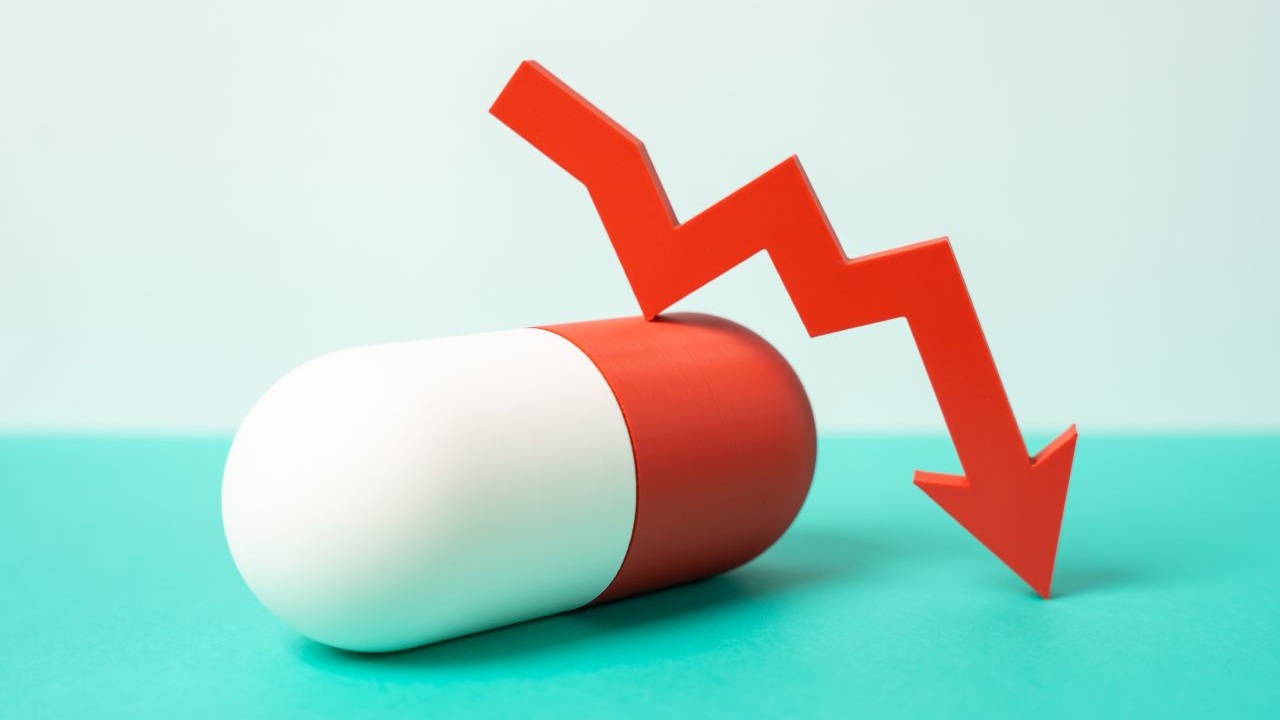
The national overdose picture continues to improve, and the newest federal numbers put a figure on it. Despite the constant threat of new illicit drugs in the market, CDC provisional data predicts 68,641 drug overdose deaths in the United States for the 12 months ending February 2026, a 12.1% decline from 2025.
For anyone living with opioid addiction or supporting a loved one in recovery, the trend line is real, alongside the number underneath it.
The Opioid Crisis on Retreat?
The estimate comes from the National Vital Statistics System back in July 2026 and based on data available for analysis on July 5. It covers March 2025 through February 2026 and compares numbers against March 2024 through February 2025.
A predicted 68,641 deaths over 12 months works out to roughly 188 a day. Advocates, including grassroots organizations like Narcotics Anonymous, can take heart that the numbers align with a steady drop in overdose deaths nationwide since 2023.
Two caveats matter for reading this correctly. CDC recommends the predicted provisional counts because they’re adjusted for incomplete reporting. The agency also notes those counts are most likely underestimated, typically rising over the first several months after they are posted. Each monthly release also updates all prior estimates, so figures shift between releases.
The Data Doesn’t Show the Whole Picture
The provisional release reports how many people died and over what period. But it doesn’t explain why the number is falling.
CDC maintains separate resources that fill in parts of that picture, including the SUDORS dashboard for fatal overdose detail, the DOSE dashboards for nonfatal overdoses seen in emergency departments and inpatient settings, a clinical drug test dashboard tracking fentanyl, heroin, cocaine, and methamphetamine, dispensing rate maps for opioids, and the Fentalog study, which tests toxicology samples from suspected opioid-involved overdoses.
Anyone reading a single headline percentage should treat it as one measure among several rather than a verdict on the epidemic.
Opioids and Overdose Risk
Opioids include prescription medications such as oxycodone, hydrocodone, and morphine, along with illegal street drugs. Fentanyl is a synthetic opioid substantially deadlier than morphine and now appears throughout much of the illicit supply, often blended in substances a person didn’t intend to buy.
An opioid overdose slows and can stop breathing. Signs include unresponsiveness, slow or stopped breathing, gurgling or choking sounds, and blue or gray lips, fingertips, or skin. It is a medical emergency. Call 911.
Harm Reduction & Treatment
A falling national number doesn’t lower individual risk, and the tools that reduce that risk are the same ones as last year.
Naloxone can reverse opioid overdoses quickly and is safe to give if you are unsure whether opioids are involved. It also doesn’t harm someone who hasn’t taken opioids. It doesn’t reverse non-opioid sedatives such as xylazine, so give it and call 911 regardless.
Naloxone should be on hand for anyone who uses opioids and for the people around them. Health departments, harm reduction organizations, and many pharmacies distribute it free or at low cost, usually without a prescription.
Fentanyl test strips let a person check a substance before use. They’re not a guarantee of safety, but they provide information that was not previously available.
Medication for opioid use disorder, including methadone, buprenorphine, and naltrexone, has the strongest evidence base for reducing overdose death. It’s treatment, not a lesser substitute for abstinence, and folks often match it with peer support.
NA Helped the Decline
Speaking of peer support, reach out to those who understand your background if you’re not sure where to start, or if you just need a shoulder to lean on for a rough spell.
NA meetings are free to attend and require nothing more than showing up. Our online directory covers meetings nationwide with filters for open and closed meetings, virtual and in-person format, language, and meeting type.
You can also call 800-934-1582(Sponsored) to speak to an expert about opioid treatment programs and connect with office-based providers to start medication for opioid use disorders. Some do so on a first visit.
the Take-Away