 800-861-9372



The leader of an international drug trafficking organization operating through Southern California was sentenced on July 9 to 240 months, or 20 years, in federal prison.
For people living with narcotic addiction and the families around them, it’s a reason to celebrate. To be sure, The Golden State offers a wide breadth of programs ranging from inpatient care to grassroots Narcotics Anonymous programs to combat substance misuse. However, cases like this one shape the illicit supply without changing the day-to-day work of finding treatment and staying safe.
The Court’s Findings
United States District Judge John A. Kronstadt sentenced Guramrit Sidhu in the Central District of California. Sidhu pled guilty on March 26 to one count of engaging in a continuing criminal enterprise. That charge, brought under the federal statute known as the kingpin statute, applies to those who organize or supervise a large-scale drug operation rather than simply participate in one.
Under his plea agreement, Sidhu led an organization that trafficked drugs out of the United States between September 2020 and February 2023. Over six weeks from mid-September to October 2022, he orchestrated eight separate drug loads totaling approximately 1,150 pounds of methamphetamine and 765 pounds of cocaine. Law enforcement seized all of it. Prosecutors estimated the wholesale value at roughly $15 million to $17 million.
After purchasing bulk quantities in the United States, Sidhu arranged transport by long-haul semi-truck across interstate highways. Couriers used phone numbers and currency serial numbers as identifying tokens during handoffs.
Sidhu came into federal custody in October 2024 after the Justice Department’s Office of International Affairs secured his extradition. He’s the eighth defendant in this case to plead guilty thus far. Others received federal prison terms ranging from 27-108 months.
The investigation involved the FBI, the Los Angeles Police Department, the Los Angeles Interagency Metropolitan Police Apprehension Crime Task Force, federal authorities, and international law enforcement partners.
Stimulants in the Current Supply
Methamphetamine and cocaine are stimulants. They increase alertness, heart rate, and blood pressure, and they carry their own overdose risk, which can present as chest pain, agitation, seizures, hyperthermia, or stroke rather than the slowed breathing seen with opioids.
Stimulant use disorder doesn’t currently have an FDA-approved medication comparable to methadone or buprenorphine for opioid use disorder. Treatment relies on behavioral approaches, contingency management and peer support. That’s one reason support groups matter so much for people recovering from stimulant use.
A separate and important point: the loads described in this case were methamphetamine and cocaine. Court documents don’t describe fentanyl in these seizures, and nothing here should be read as saying otherwise. Nationally, however, fentanyl contamination of the stimulant supply remains a documented risk, which is why the harm reduction guidance below applies to stimulants and not just opioids.
Enforcement in Action
Large seizures remove products from the market and can disrupt distribution networks. But they don’t reduce the number of people who wake up tomorrow with cravings, withdrawal, or a use disorder they want help with. Supply disruption can also push the illicit market toward substitutes of unknown or mixed composition.
Even though the number of fentanyl cases in LA County has declined in recent years, residents need to stay vigilant lest an addiction or overdose strike. If you or someone you care about is using stimulants or opioids, the next step is the same today as it was last week.
NA Fights Narcotic Addiction
Recovery paths vary and none of them require choosing just one. Options include:
- Medically supervised detox and inpatient or outpatient treatment
- Medication for opioid use disorder, including methadone, buprenorphine, and naltrexone, where clinically appropriate
- NA meetings, including open, closed, virtual and Spanish-language formats
- 988 Suicide and Crisis Lifeline for anyone in crisis
NA remains a free, confidential and easy-to-join way to fight addiction. Local chapters dot the landscape nationwide. To find one, simply browse our directory or call 800-934-1582(Sponsored) to speak with an expert about treatment options for narcotic addiction.
Nearly 17% of people testing positive for fentanyl also test positive for xylazine, a veterinary sedative with no approved use in humans, according to a national study of urine drug tests. The number is climbing, especially in parts of the country where xylazine barely showed up just two years ago.
The Opioid Crisis in Wastewater
Researchers analyzed 42,307 urine drug tests collected from patients in primary care, behavioral health, and substance use treatment settings between March 2023 and September 2025. All tested positive for fentanyl. Of those, 7,156 samples, or 16.91%, also tested positive for xylazine.
The trend lines tell the real story. In the Eastern United States, where xylazine has circulated for years, positivity climbed from 11.11% to 19.63% over the study period. The numbers peaked at 42.31% of samples in a single month.
In the West, where xylazine essentially had no presence at the start of the study, positivity rose from 0% to 13.46%. It’s a sign that the drug has actively spread into markets that hadn’t seen it before.
Testing also found that people whose samples tested positive for heroin were more than twice as likely to also test positive for xylazine. Higher fentanyl concentrations also strongly linked to higher odds of xylazine detection. In other words, xylazine doesn’t show up at random. It travels with the heaviest exposure to other substances.
Driving the Trend
Interestingly, while more people test positive for xylazine, the actual concentration found in positive samples has dropped. In eastern states like New York, median xylazine levels fell sharply after an early 2023 peak. Researchers think manufacturers and distributors may be adjusting how much xylazine they mix into fentanyl, whether in response to reports of severe skin wounds and prolonged sedation, or because new state laws and restrictions on veterinary xylazine supplies make it harder to source in bulk.
That’s a mixed signal for people who use drugs. More positive tests means more people are being exposed to xylazine somewhere in their supply, even if any individual dose tends to be smaller than it once was.
Fentanyl’s Role
Fentanyl remains the driver of the opioid crisis, and this study only counted samples where fentanyl was already present. Now, xylazine rides along inside a fentanyl supply that’s already dangerous. Since xylazine isn’t an opioid, naloxone doesn’t reverse its sedative effects, so more people testing positive for both drugs together matters for how overdoses get treated on the ground.
Researchers also flagged medetomidine, a chemically similar veterinary sedative. Medtomidine is starting to show up as a possible replacement for xylazine in some markets, but wasn’t part of this study’s testing panel. That means the true scope of veterinary sedatives mixed into the fentanyl supply right now may be larger than these numbers capture.
Harm Reduction and Treatment Works
People who use drugs have a practical takeaway. A fentanyl test strip might confirm fentanyl but says nothing about what else it contains. Xylazine-specific test strips exist and are increasingly available through harm reduction programs, though access still varies by state and city.
Naloxone remains essential and should be carried by anyone using opioids or spending time with someone who does. Since xylazine keeps a person sedated even after naloxone reverses the opioid component of an overdose, calling emergency services after administering naloxone matters more than ever when xylazine exposure is a possibility.
Medication for opioid use disorder (MOUD), including methadone and buprenorphine, remains a first-line treatment option regardless of what adulterants are present in someone’s supply.
Narcotics Anonymous meetings also offer ongoing peer support for people building a recovery plan around opioid use, whether or not they are using MOUD alongside it.
NA Still a Top Option
NA meetings remain a critical first step to recovery, from either fentanyl or any other substance. Meetings are free, confidential, and build fellowship that lasts a lifetime, through the good times and bad.
Getting started is easy. Just dial 800-934-1582(Sponsored) to speak with an expert about local opioid addiction treatment options. Or browse our directory to find chapters anywhere across the United States.
AI software designed to catch drug theft in hospitals failed to flag months of fentanyl diversion by a nurse anesthetist at a Tennessee hospital, according to a state disciplinary order. The hospital joins the ranks of other organizations, alongside inpatient service centers and community Narcotics Anonymous chapters, in The Volunteer State that assist with narcotics dependencies.
The case raises questions about how much hospitals should rely on automated systems to catch fentanyl and other narcotic theft before someone gets hurt. AI has revolutionized treatment for opioid use disorders. But issues like this one raises questions about the efficacy of relying on technology to watch over potentially lethal medications.
The Incident at the Tennessee Hospital
At Erlanger Baroness, the largest hospital in Chattanooga, anesthesia staff noticed a nurse anesthetist slurring words and falling asleep while on duty in the surgery center in mid-2025, according to the Tennessee Board of Nursing. That nurse, identified as John Stevenson, soon failed a drug test and was fired. He later told investigators he had diverted fentanyl left over after surgical procedures since March 2025, using it once or twice a week at first before increasing to daily use by June.
The hospital uses Sentri7, medication monitoring software powered by AI to detect suspicious patterns in how clinicians dispense and discard controlled substances. When Erlanger audited Stevenson’s dispensing records over the four months, it found five instances where Sentri7 didn’t flag missing drugs, along with other inconsistencies between what medications that staffers dispensed and documented as wasted. All these should have been caught by the automated system.
Fentanyl and Drug Diversion
Fentanyl is a synthetic opioid roughly 50x stronger than heroin. Even small amounts diverted from a hospital setting creates a serious overdose risk. In Tennessee, street level fentanyl causes thousands of overdose cases per year, especially among children and other vulnerable populations.
Drug diversion, the unlawful taking of controlled substances from a healthcare facility, occurs at nearly every hospital in the country in some form. It usually involves leftover medication supposedly destroyed after a procedure, the same way that someone might take unused opioid prescriptions from a medicine cabinet. That pattern, sometimes called waste diversion, is easily detectable, which explains why the Erlanger case has drawn scrutiny.
The Tennessee Board of Nursing’s order offered a possible explanation. They stated that Sentri7 was in its “initial learning phase” at Erlanger, though the board didn’t provide further detail. A source familiar with the software’s design pushed back on that framing in an interview. They noted that these systems typically require 9-12 months of training on historical data before use at a new hospital and lack separate learning phases after that.
Terri Vidals, founder of Rxpert Solutions, questioned whether the failure reflected a problem with how the hospital staff configured the software rather than a flaw in the tool itself. Vidals called missed waste diversion “the most basics of basics” for this kind of software to catch.
Harm Reduction & Treatment
Cases like this are a reminder that opioid use disorder can develop in anyone with regular access to opioids, including healthcare workers, and that catching it early matters. In addition, while AI tools have helped clinicians, the technology still has a long way to go as a partner for clinical or administrative care.
Naloxone rapidly reverses an opioid overdose and remains a critical safety net regardless of how someone started using opioids. Distribution sites remain available throughout the state, including one in Chattanooga’s Miller Park. Fentanyl test strips also help identify the drug in doses.
Medication assisted treatment, including buprenorphine and methadone, greatly enhances recovery from cravings and withdrawal symptoms. Clinicians often pair medications with counseling and peer support such as Narcotics Anonymous meetings.
Help for Opioid Addiction Begins with NA
Whether an opioid use disorder started with a prescription or something else entirely, the path forward usually starts with an honest conversation with a medical provider about treatment options.
That’s where NA comes in. Groups offer free peer support for folks working through narcotics and opioid addiction. Our browsable directory can help you find NA meetings anywhere in the country, and dialing 800-934-1582(Sponsored) to speak with an expert can also guide you to local treatment programs.

Seven deaths in Cook County, Illinois, have now been linked to cychlorphine, a synthetic opioid federal officials describe as up to 10x stronger than fentanyl. Even though The Land of Lincoln features a wide range of addiction treatment options, including Narcotics Anonymous chapters dotting the landscape, new synthetic drugs have taken officials and health providers by surprise, as overdose fatalities begin to mount.
The Opioid Crisis Grips Illinois
The Cook County Medical Examiner’s Office has confirmed seven cychlorphine-linked deaths so far this year, compared with one death attributed to the drug in the county last year. The Drug Enforcement Administration noted the youngest victim was 16 years old. Nationally, researcher Alex Krotulski has tracked 140 deaths linked to cychlorphine across 20 states and Canada, with Illinois accounting for 15 of those deaths, the third-highest total of any state.
Cychlorphine first registered with the DEA in 2024 and first appeared in a Cook County toxicology report last year, according to DEA public information officer Luis Agostini. “We are still analyzing its strength and its power, but we are seeing it more often in our fentanyl seizures and in drug overdose deaths,” Agostini relayed.
Understanding Narcotics and Opioids
More broadly, opioids are a class of drugs that includes prescription pain medications and now newer synthetic compounds like cychlorphine. All of them work by binding to opioid receptors in the brain. However, higher-potency compounds can suppress breathing to the point of overdose death even at very small doses.
Even though opioid death figures have declined in Illinois, cychlorphine’s potency makes it so dangerous even in small quantities that a person using drugs may not be able to detect or dose safely. Folks might unknowingly take a far more potent opioid than expected, which sharply raises overdose risk.
The Trend and Underlying Fentanyl
Experts say drug dealers often use cychlorphine as a cutting agent, mixed into other illicit drugs without the buyer’s knowledge. Krotulski pointed out that many newer synthetic opioids originate in labs overseas, including in China, then shipped into the United States. This trafficking makes it difficult for public health officials to predict when and where a new compound will surface until drug testing catches up.
Cychlorphine currently isn’t a scheduled substance, despite the elevated alarm, including a notice from the White House. This means no one can be prosecuted specifically for deaths tied to it under current law.
Harm Reduction and Treatment
Since standard fentanyl test strips don’t reliably detect cychlorphine, harm reduction workers say people who use drugs in the Chicago area should treat any unregulated supply as unpredictable right now.
Naloxone, popularly called Narcan, can reverse an opioid overdose by blocking those receptors, though highly potent synthetic opioids sometimes require more than one dose to be effective.
Carrying naloxone and never using drugs alone remain two of the most effective ways to reduce the risk of a fatal overdose while testing capacity catches up with the drug’s spread.
For people with an opioid use disorder involving cychlorphine or any other opioid, medication-assisted treatment options can reduce overall cravings and withdrawal symptoms.
NA meetings also offer peer support for anyone working toward recovery, regardless of any other treatment options.
Help for Opioid Addiction Can Start with NA
No matter your location, NA meetings and peer support are available today. Getting started is easy. Simply call 800-934-1582(Sponsored) for opioid addiction treatment options and NA meeting information anywhere in the U.S., including online options. You can also browse our directory, which has NA chapters organized by location.

Animal rescuers working in Los Angeles‘ Skid Row have spotted a disturbing pattern take hold in one of the country’s largest homeless encampments. There, they see dogs exposed to narcotics, including fentanyl, in an apparent effort to check whether a drug supply is safe before a person uses it.
California offers an abundance of programs to help folks impacted by substance misuse, ranging from inpatient care to local Narcotics Anonymous chapters. Nevertheless, many people continue to slip through the cracks, especially the unhoused.
Volunteers with the nonprofit Starts With One Today have worked with dogs in the area for years. They note the practice reflects part of a much larger crisis of animal neglect playing out in the same blocks where the opioid crisis and chronic homelessness intersect.
Rescuers Report
Victoriah Parker, co-founder of Starts With One Today, relayed how she and other volunteers have repeatedly seen dogs used this way. “What they also use their dogs for is to test their drugs to make sure there is not fentanyl, they are not laced. So we have had several dogs overdose on fentanyl down here,” Parker observed.
Let’s use caution about how this gets framed. The people involved are, in almost every case, themselves living with substance use disorder and chronic homelessnes. These conditions come with their own unhealthy behavioral behaoviors, mental trauma, and lack of access to care.
Co-founder Jennifer Sims pushed back on framing this as simply a conflict between homeless people and their pets. “There are drug users and mentally ill people who are using animals for their gain,” she pointed out. Sims distinguished the broader population of people who use drugs from those specifically exploiting animals.
Rescuers describe a range of additional hardships facing dogs on Skid Row. Abuse includes pit bulls confined in wire crates through extreme heat, animals bred repeatedly and exchanged for opioids or small amounts of cash and limited veterinary care.
Still, pets often form a central part of recovery. A 2024 RAND survey of unsheltered people in three LA neighborhoods, including Skid Row, found that 40% listed having a pet as a top housing-related need. The findings underscore how animals play a central role in their owners’ sense of stability even amid extreme hardship.
A Response Advocates Say Has Fallen Short
Los Angeles County District Attorney Nathan Hochman announced in May 2025 that his office had filed 25 animal cruelty cases, including 18 felonies, over six weeks. In November 2025, Mayor Karen Bass announced a pilot program pairing LAPD officers with an embedded Animal Services employee. Advocates say the officers rescued dozens of dogs before losing momentum.
Indeed, in a February 2026 letter to Governor Gavin Newsom, the advocacy group PETA reported the task force might have been quietly disbanded after only a handful of training sessions. At the same time, inpatient and outpatient care options remain limited.
Fentanyl Exposure and Keeping People Safe
Testing an unknown supply on a dog isn’t a reliable way to detect fentanyl, and it puts an animal at direct risk of overdose. You can obtain fentanyl test strips through many harm reduction services, and public health programs offer a far safer way for a person to check a substance before use.
Another option is Naloxone, which reverses an opioid overdose in progress. Naloxone remains one of the most effective tools available to prevent a fatal outcome for both the person who used the substance and anyone nearby.
Addressing what’s happening on Skid Row likely requires progress on more than one front at once. No problem exists in isolation from the others. This means expanded harm reduction resources, consistent enforcement against animal cruelty, and continued access to treatment and stable housing for the people living there.
Help for Opioid Addiction Begins with NA
Anyone concerned about their own drug use, or a loved one’s, doesn’t need to wait for a crisis to reach out. Narcotics Anonymous meetings remains among the most effective ways to get someone started on recovery. Meetings remain free, confidential, and based right in participants’ home communities.
To begin NA, simply dial 800-934-1582(Sponsored) and speak with an expert to browse our directory for chapters listed across the nation.

Authorities out in New Mexico weigh whether to pursue civil damages against the federal government because of a decision from the DEA to let known fentanyl shipments enter the state between 2023 and 2025.
The number of opioid-related deaths has fallen nationwide, but each death takes a toll. The Land of Enchantment offers programs like inpatient care and community Narcotics Anonymous chapters. But these services run the risk of becoming overwhelmed as more narcotics pour into the city streets.
The Controversy Over Fentanyl
DEA agents monitored but didn’t intercept fentanyl so that they could build up cases against trafficking networks. A DEA whistleblower relayed that this strategy risked public safety due to fentanyl’s dangerous effects and countered Justice Department rules meant to protect communities. The inaction coincides with Justice Department guidance revisions in 2024 to give agents discretion over when to seize fentanyl. This move contradicts earlier orders to seize shipments whenever “practicable.”
The DEA has since asked the Justice Department’s independent inspector general to investigate the allegations. New Mexico’s attorney general separately opened a state criminal investigation into whether federal officials may have broken state law by knowingly allowing fentanyl to reach New Mexico communities.
New Mexico’s Response
Governor Michelle Lujan Grisham relayed that the state could seek billions of dollars in civil damages over the DEA’s handling of the fentanyl shipments. She called the situation “a stunning failure by the federal government.” Grisham pointed to New Mexico’s 21% increase in overdose deaths even as overdose deaths fell nationally by 14% over the same period. The governor also cited the death of a 15-month-old child who reportedly ingested a parent’s drugs in Española.
Albuquerque Mayor Tim Keller also weighed in. He called fentanyl the city’s “No. 1 challenge” and described its effect on crime, homelessness and strain on local health care resources.
The Federal Response
A White House spokesperson asserted that President Trump has classified fentanyl a “weapon of mass destruction” and signed legislation targeting synthetic opioid trafficking while attributing ongoing fentanyl harms in part to previous administrations. The Justice Department offered a similar statement. The DEA hasn’t issued a detailed public response beyond calling for the inspector general’s review.
It remains unclear whether any specific overdose deaths in New Mexico are directly linked to the unseized shipments described in the reporting. Both sides continue to dispute how much responsibility rests with which administration or agency.
An Overview of Fentanyl and Harm Reduction
The controversy reflects the deadly nature of the opioid crisis. Fentanyl is a synthetic opioid much more powerful than most street drugs. Even small amounts can be fatal especially when mixed into other drugs without a person’s knowledge.
Naloxone, sold under brand names including Narcan, can reverse an opioid overdose if administered quickly and is available without a prescription in most states. Fentanyl test strips can also help people identify fentanyl in a substance before use.
Medication-assisted treatment with buprenorphine or methadone and inpatient or outpatient rehab programs are all part of the response available to people affected by opioid addiction in New Mexico and nationally.
No method fully substitutes for calling emergency services during a suspected overdose.
NA Can Help Those Impacted
Regardless of how the investigation unfolds, public health officials on both sides of the debate agree that expanding access to treatment remains critical.
Those who aren’t sure how to take the first step towards recovery can take heart. Narcotics Anonymous offers a free and friendly way to build a network of fellowship. Meet your peers in a local setting, share stories and resources and even offer a shoulder to cry on—or do just that.
NA chapters exist all across the country. Simply browse our directory to find one in any location. Or call 800-934-1582(Sponsored) for confidential guidance on treatment options.
New research helps explain two things people in recovery from opioid use disorder have reported for years. Quitting fentanyl feels different, and relapse and overdose risk after time away from the drug is far more dangerous than people expect.
A UCLA-led study finds that people who use illicit fentanyl daily in Los Angeles can build a tolerance to amounts that’s lethal for someone without that tolerance. That tolerance isn’t permanent, but explains why relapse after a period of abstinence is so often fatal. It also shows why folks who use fentanyl daily often have trouble starting medication for opioid use disorders, or MAT.
The Research Findings
The study was led by Drug Checking Los Angeles, a community-based public health program. It’s one of many centers out in The Golden State, which offers an impressive range of programs from inpatient care to local Narcotics Anonymous chapters.
Researchers analyzed the purity of more than 500 fentanyl samples tested between September 2023 and January 2026, then surveyed 47 people who reported using fentanyl daily or near-daily about their consumption patterns. The findings describe this specific group of frequent users, not fentanyl users as a whole.
Using morphine milligram equivalents (MME), a standard unit that lets researchers compare opioids of different strengths, the team calculated that this group of daily users consumed an average of about 8,887 MME per day. For context, the CDC considers 2 milligrams of fentanyl potentially lethal for someone with no opioid tolerance. Daily users in the study consumed roughly 60x that amount each day. Due to the tolerance built up through sustained daily use, they didn’t overdose at that level. That tolerance, built gradually, is the entire reason they could survive doses that would kill someone without it.
Raising Overdose Risk After Relapse
This is the main point for anyone in or near recovery: tolerance built through daily fentanyl use isn’t lethal for the person who built it, but it’s also not permanent. Tolerance begins dropping within days of stopping, whether that break comes from detox, incarceration, hospitalization, or completing a treatment program. If someone relapses and returns to the amount they used before stopping, that same amount can now be fatal because their body lost the tolerance that once made it survivable.
This is one of the best-documented and most dangerous patterns in opioid overdose deaths. The study’s data on just how extreme fentanyl tolerance can become shows why the drop after even a short break risks your life.
Complicating Treatment
The same tolerance pattern has direct implications for anyone trying to start MAT. Buprenorphine is an effective medications for treating opioid addiction but can trigger precipitated withdrawal, a sudden and severe withdrawal reaction, if it’s started too early or at too low a dose for someone with this level of built-up tolerance. Clinicians have increasingly moved toward faster, higher-dose buprenorphine induction protocols specifically because standard low-dose approaches didn’t account for tolerance levels like the ones documented in daily users in this study.
Chelsea Shover, the study’s senior author and an associate professor at UCLA, relayed even a less pure fentanyl supply in other regions would still produce dramatic tolerance levels among daily users. “It’s no longer ‘how do we treat someone who smokes a gram of fentanyl per day,’ it’s ‘how do we treat someone using thousands of MMEs of oral morphine in fentanyl per day,'” Shover noted.
Harm Reduction After Any Break From Use
Anyone who has stopped using fentanyl, for any reason and for any length of time, faces heightened overdose risk if they return to it. Naloxone can save a life by displacing opioids from receptors in the brain. But for someone whose tolerance has dropped, even a single dose is no longer strong enough. Using a smaller amount of drugs than before, avoiding using alone, and having naloxone on hand are basic protections during this specific window of risk.
Methadone remains available as an alternative for people who need a different approach than buprenorphine, particularly those for whom induction has been difficult. Both medications work, and neither is a lesser path than the other.
NA Meetings & Peer Support During Recovery
Starting treatment after daily fentanyl use and staying in recovery afterward is rarely accomplished alone. NA meetings can provide steady peer support both during a demanding induction period and in the vulnerable weeks after any break from use, when relapse overdose risk is highest. Meeting with others who understand this specific risk can make the difference between a slip and a fatal overdose.
If you or someone you love uses fentanyl daily, or is returning to use after any period of abstinence, seek out others who understand what you’re going through before the problem escalates. Remember that NA meetings are free and confidential, and the fellowship there offers peer support during withdrawal, induction, and the early weeks after any break from use.
Simply call 800-934-1582(Sponsored) to get started or browse our directory for chapters located anywhere in the USA.
Calls to US poison centers involving kratom rose 1,200% between 2015 and 2025, according to the CDC. In Maine, physicians are now seeing more emergency visits tied to the unregulated, opioid-like substance. Even though The Pine Tree State features an abundance of inpatient programs and local Narcotics Anonymous chapters for residents, the kratom trend sits squarely inside the country’s wider struggle with opioid addiction.
The Numbers Behind Kratom
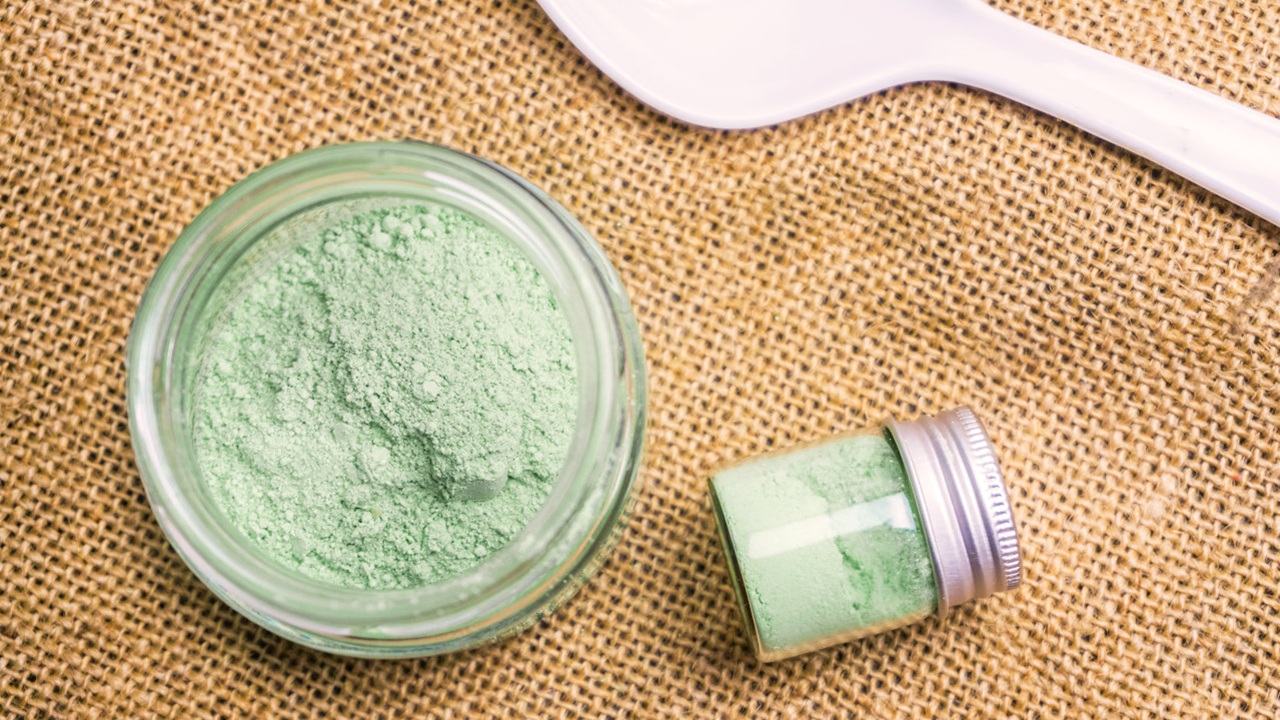
Kratom comes from a tree native to Southeast Asia and is sold as a powder, pill, or liquid, often at gas stations and convenience stores. Dr. Carin King Malley, an emergency physician at Maine Medical Center and a medical toxicologist with the Northern New England Poison Center, relayed that kratom-related calls and emergency room visits in the state have climbed over 50% in recent years, matched by more potent kratom variants.
The number meshes with other reports nationwide. Nationally, the CDC reported the 1,200% jump in poison-center calls over the past decade. Overdose deaths involving kratom are showing up across the country. In Florida, roughly 580 people died of kratom-related overdoses over 10 years. Many deaths also involved other drugs, including opioids, but in dozens of cases kratom was the only substance detected.
An Unregulated Supply Problem
Kratom isn’t regulated by the US Food and Drug Administration and is sold under many brand names. That includes products marketed as containing synthetically derived 7-OH, a far more powerful form akin to opioids. Malley reported that officials find it nearly impossible to know how concentrated any given product is because labeling requirements are minimal and what is on the package may not match what is inside.
Enforcement has struggled to keep pace. Malley noted that when some states have tried to ban one form of kratom, manufacturers simply change the formula and put the product back on shelves. For now, she observed, the best protection people have is accurate information about what they’re buying and knowing the signs of addiction.
Kratom and Its Opioid-Like Risks
Kratom is often marketed as an energy booster, mood lifter, pain reliever, and remedy for opioid withdrawal, though the Mayo Clinic calls it unsafe and ineffective. At higher doses its active compounds act on opioid receptors, which is part of why it can ease withdrawal for some people despite its opioid-like dangers. Malley warned that kratom can cause dependence, acute toxicity in large amounts, and withdrawal of its own. Purchasing it without a prescription doesn’t make it safe.
Harm Reduction & Treatment
Anyone using kratom or opioids can lower their risk by not using alone and by keeping naloxone on hand. Naloxone, sold as Narcan, can reverse an opioid overdose and is readily available without a prescription at most pharmacies. Because kratom-related overdoses often involve opioids, these steps apply here as well.
For people ready to stop, evidence-based treatment for opioid use disorder includes medication such as buprenorphine or methadone, combined with counseling.
Peer support can help as well. NA meetings offer free and confidential fellowship in online and in-person formats. Attending your first NA meeting can open a door to lifelong healing and even friendships with colleagues who don’t judge.
Starting Out with NA
The Kratom crisis may be new, but NA has long stood ready to combat any form of narcotics dependency. If you live with opioid addiction or worry about kratom use, help is available and NA doesn’t require commitment to any single program.
Our browsable directory can help you find NA meetings and opioid treatment options near you. For free and confidential referrals any time, dial 800-934-1582(Sponsored) and chat with a specialist.

A routine probation check in Southern California has again shown how counterfeit pills and fentanyl move through the illicit drug supply. Investigators in Ventura County uncovered about a pound of fentanyl and 85,000 counterfeit Adderall pills as part of a seizure officials valued at roughly $2.1 million.
The news has caught many residents by surprise. Simi Valley enjoys a reputation for its safe suburbs. The Golden State offers many programs to help those impacted by substance misuse, including local Narcotics Anonymous chapters at the community level. But for families already affected by the opioid crisis, the case somberly reminds us that pills bought outside a pharmacy often aren’t what they look like.
The Seizure in SoCal
According to the Simi Valley Police Department, officers contacted two people during a probation check. When they arrived, the officers found roughly two kilograms of ketamine and about $8,000 in cash in a vehicle.
Search warrants for a San Clemente home and several storage units followed. Investigators reported seizing 85,000 counterfeit Adderall pills, 25,000 ecstasy pills, about 30 pounds of ketamine, one pound of fentanyl, seven pounds of cocaine and 10 pounds of psilocybin and other hallucinogens.
Authorities arrested two people. The investigation, now spanning three counties, remains active.
Counterfeit Pills are Dangerous
Fentanyl is a synthetic opioid, in which a very small amount is fatal. The counterfeit pills seized here matter because fake prescription tablets, sold as Adderall, oxycodone, or Xanax, are frequently pressed with fentanyl. A person may believe they’re taking a familiar prescription drug and have no way to know a pill contains a lethal dose. This is a central driver of overdose deaths across the country.
Harm Reduction & Treatment
Two tools save lives here. Naloxone, also sold as Narcan, can reverse an opioid overdose within minutes and is available without a prescription in most states. Fentanyl test strips let people check whether a substance contains fentanyl. Neither replaces treatment, but both keep people alive long enough to seek it.
For opioid use disorder, medication-assisted treatment with buprenorphine or methadone is the standard of care and can be paired with counseling and peer support.
Finding a First Step to Defeat Opioid Addiction
Support is available whether someone wants treatment, peer community, or both. Narcotics Anonymous meetings offer free, judgment-free peer support and are held in person and online nationwide.
Getting started with NA is easy. Simply browse our directory, organized by state and city. You can also dial 800-934-1582(Sponsored) to speak with an expert and connect with opioid treatment options. If an overdose is happening, call 911 immediately.
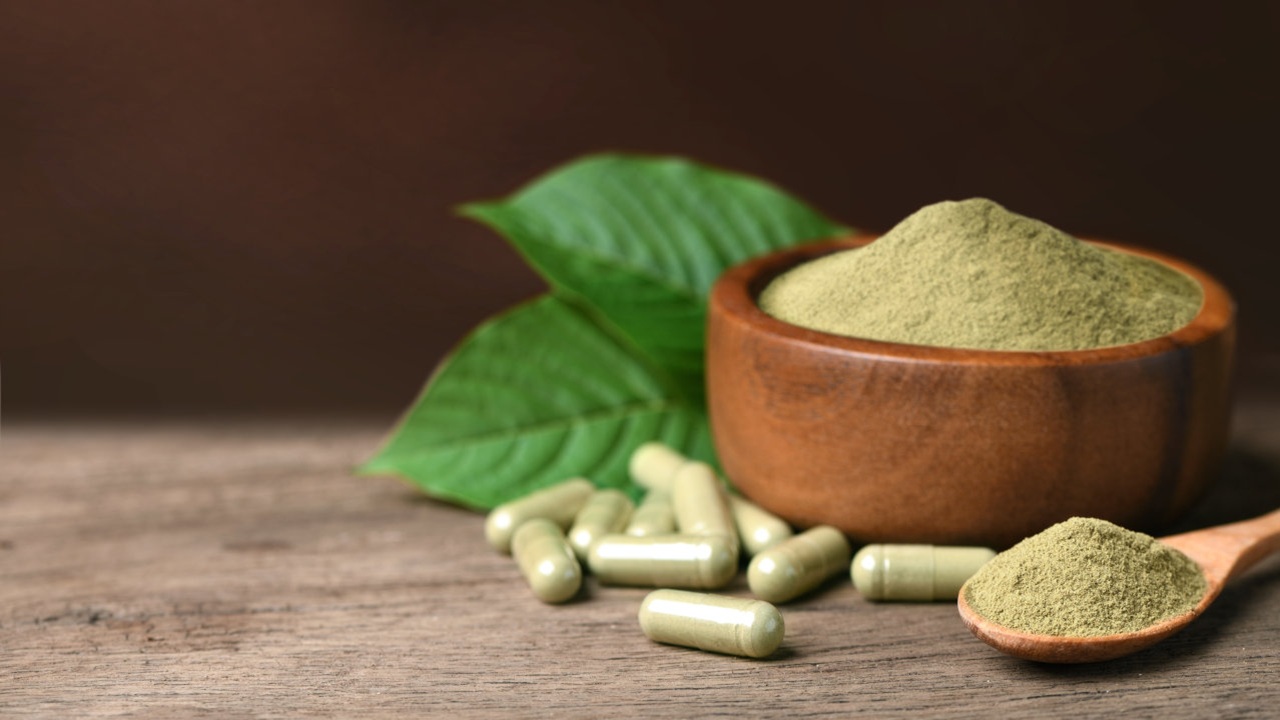
A substance once marketed as a natural remedy is drawing federal action and personal warnings from the people who used it. Current and former users described kratom and its derivatives, especially its concentrated compound 7-hydroxymitragynine, or 7-OH, as an addictive substance like opioids that upended their lives.
Their accounts line up with what regulators and researchers now document about opioid addiction risk. Side effects range from dizziness to comas tied to these products.
## Understanding Kratom & 7-OH
Kratom comes from the leaves of Mitragyna speciosa, a tree native to Southeast Asia, and has traditionally been used as a tea or chewed leaf. Its main active compounds, mitragynine and 7-OH, act as partial agonists at the brain’s mu-opioid receptors, the same receptors targeted by opioids like morphine and heroin. That’s why kratom produces pain relief and a sense of euphoria and often leads to dependence.
The bigger concern for 7-OH relates to the substance’s concentrated or semisynthetic form. According to the FDA, 7-OH binds opioid receptors and carries real potential for abuse. Preclinical data cited by federal regulators put its abuse potential in the range of Schedule I and II opioids such as fentanyl.
The CDC reported that kratom-related exposures at US poison centers rose roughly 1,200% from 2015 to record levels in 2025. That spike lines up with the arrival of high-potency, semisynthetic 7-OH products. National data show lifetime kratom use grew from about 4 million to 5 million people, meaning more people try it.
Regulators and Harm Reduction
In late 2025, the FDA warned that kratom can’t be legally sold in the United States as a drug, food additive or dietary supplement. In July 2026, the Drug Enforcement Administration issued notices of intent to temporarily place 7-OH and three related synthetic compounds into Schedule I of the Controlled Substances Act. It’s the same category as heroin.
The FDA emphasized that its action targets concentrated 7-OH products, not the traditional kratom leaf. These products are widely sold in gas stations, smoke shops, and convenience stores. At times, consumers buy kratom in candy-like formats that raise added concern for young people.
Since 7-OH acts on opioid receptors, the same overdose precautions that apply to opioids apply here. Naloxone, the overdose-reversal medication, can counter opioid effects. Authorities recommend keeping naloxone on hand for anyone at risk. Signs of opioid overdose include slowed or stopped breathing, unresponsiveness and blue-tinged lips or fingertips; call 911 immediately.
For people who develop kratom or opioid dependence, treatment works. Medication for opioid use disorder, including buprenorphine, has successfully managed kratom use disorder and ease withdrawal. Furthermore, counseling, medical support and peer recovery groups all have a place in recovery.
Narcotics Anonymous meetings offer free peer support for people addressing drug use of any kind, and they can complement medical treatment rather than compete with it.
NA Fights Opioid Addiction
If kratom or another opioid has become hard to control, take the next steps. The easiest and simplest—and free—is to find a local NA chapter. In addition, participants find that all meetings confidential, and online options exist if transportation is an obstacle.
To get started, simply call 800-934-1582(Sponsored) or browse our directory for chapters across the country.