 800-861-9372


The warnings about drugs reaching increasingly younger kids hit parents the hard way in Ventura County. The Ventura County Sheriff’s Office arrested an 18-year-old Oxnard man for an alleged narcotics operation that investigators say targeted students at local middle and high schools. He used colorful packaging and cartoon images to appeal to children.
Even though California has a strong program to assist those impacted by drugs ranging from inpatient care to local Narcotics Anonymous Chapters, the case shows that dangers exist in any community.
The Operation
According to the Sheriff’s Office, the investigation began when a concerned parent reported that their child was exposed to narcotics and showed significant behavioral changes and a noticeable decline in academic performance. Detectives traced the source and caught 18-year-old Dylan Ruiz of Oxnard as the suspected supplier of illegal narcotics, marijuana products and nicotine to students across the region.
On September 10, detectives arrested Ruiz after finding a loaded firearm in his car. A subsequent search of his home in the 500 block of North Garfield Avenue in Oxnard turned up what investigators called an abundance of narcotics and related evidence.
Thereafter, Ruiz was booked into Ventura County Jail. The charges are possession of a controlled substance for sale, possession of marijuana for sale and furnishing it to a minor and multiple firearm offenses. He has a $50,000 bail.
Battling the Opioid Crisis in Ventura
This wasn’t the first time that Ventura County officials conducted a drug bust. The recent trend confirms how street drugs marketed to minors carry the same risks as everything else in the current supply. This includes contamination with fentanyl, which drives the overwhelming majority of US overdose deaths. Packaging aimed at kids makes it likelier a child will take it without understanding what it is.
Parents should watch and know the signs. Treat sudden behavior changes, falling grades, new social circles and unexplained money or items as prompts for a calm conversation with their kids.
Anyone who suspects a young person is using drugs, consider an early conversation. It beats an angry confrontation.
- Naloxone is available without a prescription in California and belongs in every household where opioids might be present.
- Fentanyl test strips can detect contamination.
And in fact, treatment works. Teens respond well to early intervention. In addition, families have options from outpatient counseling to structured programs.
NA for Young People
That’s where Narcotics Anonymous meetings come in. They’re free, confidential and allow teens to interact with peers and share experiences.
Finding an NA group is simple. Use our browsable directory to locate groups anywhere in the USA, filtered by location. You can also dial 800-934-1582(Sponsored) to chat with an expert and look at opioid addiction treatment options.

Arizona voters will decide in November whether state law should call a drug cartel an organization that conducts terrorism. Even though The Grand Canyon State features a wide range of programs to assist locals, ranging from inpatient care to local Narcotics Anonymous chapters, the risk of opioid addiction remains great.
However, the law in question, Proposition 317, has drawn support and opposition on grounds well beyond addiction policy.
Proposition 317
The measure would declare drug cartels along the southern border as equivalent to terrorist organizations under Arizona law. It would direct the Arizona Department of Homeland Security to do everything within its authority to address the threat posed by drug cartels.
It defines a drug cartel as an “ongoing formal or informal association of persons” whose members take part in human smuggling, drug trafficking for profit or terrorism.
Arizona House Speaker Steve Montenegro has pursued the policy across several legislative sessions. Governor Katie Hobbs vetoed an earlier version in 2023. The Republican-controlled legislature voted to refer the question to voters in 2025 after the federal government designated certain cartels as terrorist organizations at the national level.
Montenegro has described the measure as a tool for law enforcement and a response to trafficking at the Arizona and Mexico border. At a House Judiciary Committee hearing, he argued the proposal underscores the urgency for the state Department of Homeland Security to use its authority against traffickers at the southern border.
Asked at that hearing whether people forced to carry drugs across the border could be labeled terrorists, Montenegro relayed the Department of Homeland Security has established processes and definitions for identifying terrorist organizations and activity rather than on an individual carrying a backpack.
Critics’ Stance
Activists in Progress Arizona characterized the measure as largely symbolic. They argued the language could later be used to justify deploying Arizona National Guard forces to the border.
A spokesman for the American Civil Liberties Union of Arizona raised a similar concern about resources at the border. The more immediate issue is the breadth of the definition. The measure’s language could reach people who aren’t running trafficking organizations, including low-level offenders, people with substance use problems and migrants traveling with paid guides. Hill argued that Arizona residents buying or selling small amounts of drugs could end up designated as terrorists because of a substance use disorder or a minor role in the drug economy.
Rep. Lupe Contreras pressed the same question at the committee hearing about people coerced into carrying drugs across the border.
Definitions Matter for Opioid Addiction
Neither side disputes that the measure is aimed at cartels and to fight drug overdoses, but whether the drafting achieves that. Arizona voters have supported border-related ballot measures before. Proposition 314 created a state crime for crossing the southern border outside an official port of entry and passed with 61% of the vote two years ago.
How the measure would be enforced, if approved, would depend on agency and on how courts read the definition.
Narcotics and Treating Them
Opioids include prescription medications along with illegal fentanyl. Fentanyl remains a major concern considering that overdose rates have risen in Arizona in recent months.
Opioid overdoses slow and stop breathing. Signs include unresponsiveness, very small pupils, slow or absent breathing and blue or gray lips and fingertips.
Naloxone reverses an opioid overdose. Consumers can buy it without a prescription in Arizona.
Whatever happens at the ballot box, the tools for treating opioid use disorder are unchanged. Medications for opioid use disorder are the most supported approach and are offered through opioid treatment programs.
Peer support also plays a part. Narcotics Anonymous meetings take place throughout Arizona, in person and online and cost nothing to attend. Some people use NA, others use meds by themselves and many use both. Naloxone and fentanyl test strips are available through Arizona harm reduction programs and many county health departments.
NA Offers Strong Support
Speaking of peer support, our searchable directory features NA meetings nationwide and the listings are filterab by state, city, meeting type and language. Start recovery with folks in your community and create strong life-long bonds.
You can also dial 800-934-1582(Sponsored) for free and confidential guidance 24 hours a day.

Another chapter of opioid litigation closed on August 28. But for folks living with opioid addiction the practical question concerns potential changes at the pharmacy counter.
The Justice Department and the Drug Enforcement Administration announced a $50 million settlement with Walmart to resolve allegations that its pharmacies violated the Controlled Substances Act by illegally filling thousands of prescriptions for controlled drugs.
Walmart didn’t admit liability. The claims resolved by the settlement are allegations only with no determination of liability.
The Government Steps In
The government’s complaint was filed in December 2020 in the U.S. District Court for the District of Delaware and amended in 2022. It alleged that starting in June 2013, Walmart knowingly filled invalid prescriptions.
Furthermore, members of Walmart’s compliance team supposedly knew certain prescribers operated as pill mills because Walmart’s own pharmacists had reported that conduct through thousands of refusal-to-fill forms. But the team filled prescriptions anyway. The release quotes an internal email in which a compliance director described driving sales and patient awareness as a better use of managers’ time than analyzing those reports.
Pharmacists also allegedly filled prescriptions carrying obvious warning signs, including dangerous opioid combinations, repeated high-dose fills and repeated early-refill requests. Indeed, in some states, many overdose deaths are connected to recent prescriptions for controlled substances.
The Compliance Terms Attached to the Deal
Walmart also agreed to future terms. They have to create a new hotline for employees and patients to report suspected illegal dispensing. Compliance teams must proactively monitor pharmacies’ dispensing patterns to ID potential illegal dispensing.
They also have to evaluate prescribers who are suspected of illegal prescribing.
DEA Assistant Administrator Cheri Oz announced that the settlement addresses past conduct while establishing compliance obligations designed to strengthen safeguards. Associate Attorney General Stanley Woodward observed the department will continue enforcing pharmacies’ obligations under the law.
Walmart reported it was pleased to resolve the matter and would continue supporting the work its pharmacists do to provide patient care. They also filed a joint stipulation to dismiss the case out in Wilmington in Delaware.
The Opioid Crisis in Context
The figure is modest against Walmart’s earlier opioid exposure. In 2022 the company agreed to pay $3.1 billion over its pharmacies’ role in the opioid crisis. CVS and Walgreens reached similar and larger settlements. Walmart described the new amount as immaterial in a regulatory filing.
Settlement dollars from cases like these fund treatment, naloxone distribution, and prevention in many states, though allocation decisions are made locally and vary widely.
Opioids include prescription medications and illegal stuff like fentanyl. They slow breathing, and overdose deaths occur when breathing stops. Illicit fentanyl is far deadlier than heroin by weight and is now commonly present in counterfeit pills sold as prescription medication.
Harm Reduction Tactics
Enforcement actions do not treat anyone. If you or someone close to you is using opioids, the interventions that reduce death are practical ones.
- Naloxone, sold as Narcan, reverses an opioid overdose by displacing opioids from receptors in the brain. It works within minutes and carries no potential for misuse. You can buy it over the counter in the United States.
- Carry naloxone and make sure those around you know where it is and how to use it. Use fentanyl test strips where they are legally available.
- Avoid using drugs by yourself. If that’s not possible, use a phone-based overdose response line.
- Medication for opioid use disorder remains the most strongly evidence-supported treatment. Each one works differently and choosing among them is a clinical decision made with a prescriber.
- Peer support complements medication rather than competing with it.
NA Still a Major Step Forward
Speaking of peer support, Narcotics Anonymous meetings are free to attend and run in most cities, including open, closed, and virtual formats. Our browsable directory features nationwide NA meetings searchable by state and city so you can find NA meetings near you tonight.
You can also contact us at 800-934-1582(Sponsored) to speak with an expert about local options.
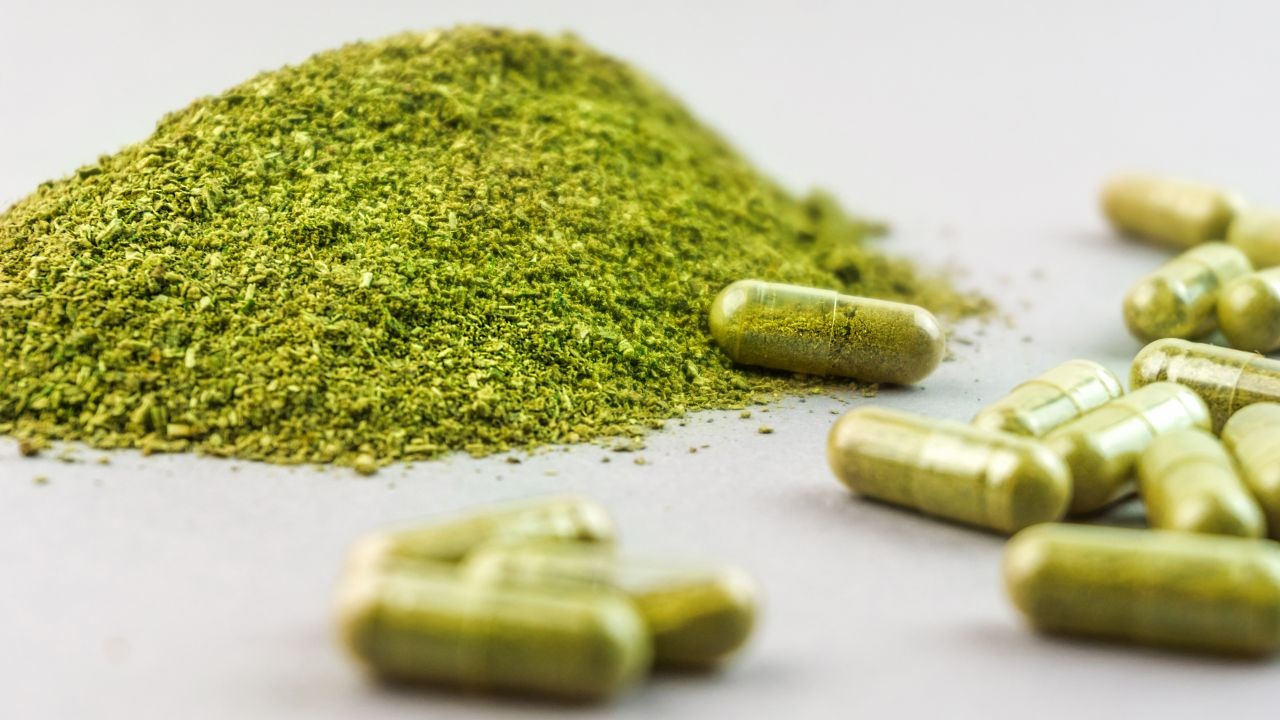
Families across Minnesota’s Iron Range are confronting a substance that sits in plain sight on gas station counters. However, it’s not regulated like an opioid in The North Star State, even though doctors say it acts like one.
Parker Martindale, a teenage boy from Cloquet, died from what his family says was a lethal amount of synthetic kratom he believed was an ordinary energy supplement. Communities across the Iron Range are organizing in his memory, and local advocates have launched a campaign warning families about the risks to young people.
Kratom and 7-OH
Kratom is an herbal substance derived from the leaves of the Mitragyna speciosa tree, native to Southeast Asia. It’s sold as capsules, powders, teas and liquid extracts. Kratom is also used to relieve chronic pain because of its opioid-like properties, leading to a high jump in numbers among folks who take it.
Its main active compounds are mitragynine and 7-hydroxymitragynine, commonly called 7-OH. Both interact with opioid receptors in the brain, Effects vary by dose and by how the product is consumed.
Synthetic 7-OH is sold as drinks, shots, powders, tablets, capsules and gummies, according to the Minnesota Department of Health. Many people can buy it in smoke shops and gas stations. In small amounts, kratom acts as a stimulant and is marketed as an energy booster or a way to manage anxiety. But in higher doses, it has severe effects and can kill.
Doctors on the Iron Range
Dr. Robert Pueringer is a medical toxicologist and addiction specialist at Essentia. He placed concentrated kratom in the same class of medications as fentanyl.
Without FDA regulation, there’s no oversight preventing other harmful substances from being mixed in. Accordingly, doctors told the station that the lack of control has contributed to a fivefold increase in local kratom overdoses.
Minnesota Law
Kratom isn’t federally regulated and not fully regulated at the state level either. A new Minnesota law that took effect in August raised the legal purchase age from 18 to 21.
Parker’s family has started a petition to ban kratom sales locally. However, some doctors described the regulatory question as a double-edged sword.
Stephinie Mckenzie has been organizing memorial events and questioned what happens after a legal purchase enters a household. “But what really happens after a 21-year-old purchases it and brings it home, especially when it’s marketed, like a five-hour energy drink?” she asked.
Harm Reduction and Treatment for Opioid Addiction
Because 7-OH acts on opioid receptors, the treatment tools for opioid addiction apply here.
- Naloxone aka Narcan can reverse an opioid overdose and is available without a prescription in Minnesota pharmacies. Signs of an opioid overdose include slowed or stopped breathing, blue or gray lips and fingertips and unresponsiveness. Call 911 immediately and stay with the person.
- Fentanyl test strips can identify fentanyl in a substance, though they don’t detect 7-OH or measure potency.
- For people who’ve developed dependence on concentrated kratom, stopping abruptly produces a significant withdrawal syndrome. Medically supervised withdrawal management is the safer route, and medications used for opioid use disorder are sometimes used to manage it. That decision belongs with a clinician.
Mckenzie also pointed to a gap that people in recovery on the Iron Range know well. “Not having accessible places where you can go get help, find resources, go to meetings, that adds to that number,” she noted.
Parker’s memorial event is scheduled for September 12 and will include food trucks, prizes, keynote speakers and free Narcan education. It closes with a memorial drive to dedicate a skate park bench in his honor.
NA Meetings and Treatment in Minnesota & Beyond
Peer support nevertheless remains one part of a recovery plan, alongside medical care. Accordingly, Narcotics Anonymous meetings are held across Minnesota. Many groups also meet online.
Our browsable meeting directory lets you search NA meetings by city, day, format, and meeting type. We index meetings and explain NA concepts for a general audience. You can also dial 800-934-1582(Sponsored) to speak with an expert.
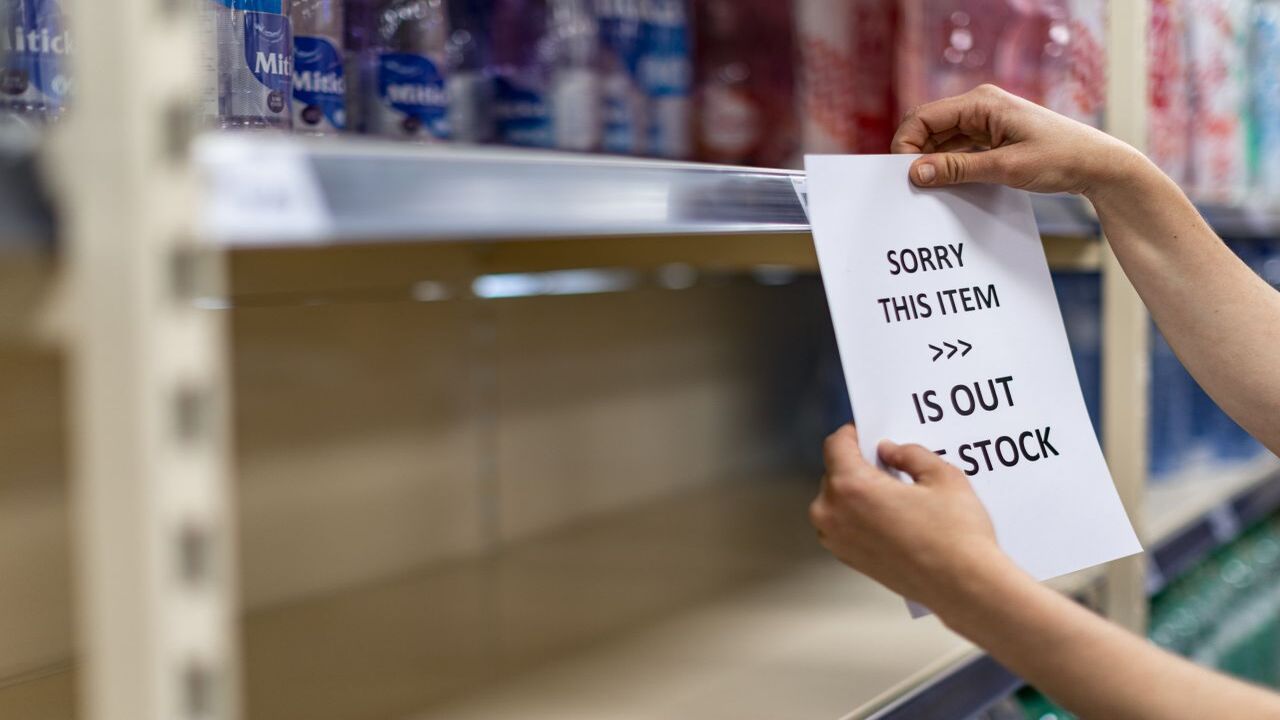
People who have been using concentrated kratom extracts to manage pain, withdrawal, or opioid addiction are finding the shelves empty in Casper, Wyoming.
Vape stores and other outlets have mostly sold off products containing over-threshold amounts of 7-hydroxymitragynine, known as 7-OH, after a new state law took effect and a temporary federal scheduling order approached. For anyone who has been taking these products daily, that is a practical problem worth planning for now rather than later.
What the New Rules Do
Wyoming’s law does not criminalize possession. It bars retailers from selling any kratom product to people under 21, bans the sale of products adulterated with any synthesized or semi-synthesized alkaloid, and bans products with a 7-OH composition over 2%.
A violation is a misdemeanor punishable by up to one year in jail, a $1,000 fine, or both. Enforcement falls to law enforcement and the state department of health.
The bill directs $115,000 from opioid settlement funds to the department of health and creates a full-time position in the department of agriculture to develop testing methods.
On July 1, 2026, the DEA issued a notice of intent to temporarily control 7-OH and the related compounds mitragynine pseudoindoxyl, MGM-15, and MGM-16 on Schedule I of the Controlled Substances Act, which would make producing, dispensing, and possessing them a federal crime.
The notice said the temporary order would publish and take effect in the Federal Register on or after August 5, 2026, and would remain in effect for two years. The federal order does not cover raw leaf kratom.
Wyoming’s Controlled Substances Schedule automatically reflects the federal schedule unless the state attorney general objects within 30 days of the federal classification taking effect.
Understanding 7-OH and Opioid Addiction Risk
Kratom is a tree native to Southeast Asia. 7-OH is one of its alkaloids, and it acts at the mu opioid receptor, which is why it produces opioid-like effects and can produce withdrawal symptoms when someone stops.
The dispute is about concentration. Kratom industry advocates say trace amounts of 7-OH are produced when the natural leaf is metabolized, and that this is different from a synthesized product.
They note the FDA said in 2025, when it recommended scheduling, that the action was not focused on natural kratom leaf products. Industry figures cited in coverage of the Wyoming rollout say synthesized products can contain up to 500% more 7-OH than raw kratom.
Public health officials in the region take a harder line on the concentrated products. Hailey Bloom, community prevention program manager of the Casper-Natrona County Health Department, said that from working with behavioral health institutions she understood the substance to be highly addictive, and that many of these products, like others in the unregulated supplement industry, can contain unknown additives.
Nine states have banned kratom outright. Approaches differ widely across the country, and reasonable people disagree about whether regulation or prohibition is the better tool.
If You Have Been Using These Products Daily
Physical dependence on a mu receptor agonist does not care whether the product came from a vape shop or a pharmacy. Stopping abruptly after regular high-dose use can produce a withdrawal syndrome that resembles opioid withdrawal, and losing your supply because a store stopped stocking it is not the same as a planned taper.
Talk to a clinician before you run out. Opioid withdrawal is rarely life threatening on its own, but it is miserable enough to drive people back to use, and reduced tolerance after any period without the substance sharply raises overdose risk if someone returns, especially given how much of the illicit supply now contains fentanyl.
Medication for opioid use disorder, including buprenorphine and methadone, is an option worth asking about. Do not attempt to manage withdrawal alone on the assumption that a supplement product is somehow different.
Harm Reduction and Peer Support
Naloxone reverses opioid overdose and is available without a prescription at pharmacies nationwide. Carry it if you or someone close to you uses opioids. Fentanyl test strips can detect fentanyl in a substance, though they cannot measure how much.
Never use alone. If you do, arrange for someone to check on you. Tolerance drops fast after any break. A dose that was routine before is not safe after.
Peer support is free and does not require insurance or a referral. Narcotics Anonymous meetings are held across Wyoming, in person and online, with formats including open and closed meetings, discussion meetings, and beginners meetings. NA is one path among several, and it works alongside medication for opioid use disorder rather than in place of it.
Finding Help for Opioid Addiction
Search NA meetings in Casper, Cheyenne, and other Wyoming cities by day, format, and meeting type. If you want treatment rather than or in addition to peer support, ask providers whether they offer medication for opioid use disorder on site. Call 800-934-1582(Sponsored) for opioid addiction treatment options.

A Texas pill mill issued prescriptions for more than 3 million opioid pills over three years, and its sole prescriber has now been sentenced to 12.5 years in prison.
Enforcement cases like this one change the supply rather than the demand, which is exactly why they matter to anyone living with opioid addiction right now.
Maryam Qayum, 68, of Montgomery County, Texas, owned and operated Recare Health Clinic in Kingwood and was its only prescriber. She pleaded guilty in March 2026 to conspiracy to unlawfully distribute controlled substances.
What the Court Documents Describe
According to court documents, Recare ran on cash and sold controlled substance prescriptions to street-level dealers, who were referred to inside the clinic as “providers.” Those buyers obtained prescriptions for oxycodone and hydrocodone, two high-potency opioids.
Qayum issued the prescriptions without a legitimate medical purpose and often without ever interacting with the patient whose name was on them. Between 2022 and 2025, when law enforcement shut the clinic down, she wrote prescriptions for more than 3 million opioid pills.
The pricing followed street value rather than medical need. A prescription for 30mg oxycodone cost as much as $500, while hydrocodone prescriptions typically ran $300, and clinic staff took extra payments to move certain patients and prescriptions to the front of the line.
Four other people have been sentenced in the case. Melvin Sampson, 56, of Houston, received 210 months for bringing patients to the clinic, filling the prescriptions, and reselling the drugs.
Tomi-Ko Bowers, 71, a nurse practitioner at Recare from Cleveland, Texas, received 96 months. Lester Stokes, 38, of Houston, the clinic’s security guard, received 63 months.
Jared Williams, 49, of Pearland, Texas, the pharmacist in charge and owner of Surge Rx, the pharmacy that filled the illegitimate prescriptions, received 42 months.
The DEA and the Conroe Police Department investigated. The case was prosecuted by the Justice Department’s Criminal Division Fraud Section and the U.S. Attorney’s Office for the Southern District of Texas.
Understanding Prescription Opioids and Overdose Risk
Oxycodone and hydrocodone are prescription opioids. Taken as directed for legitimate pain, they carry real risk of physical dependence. Taken at the doses that move through a diversion scheme, that risk rises sharply.
Physical dependence is not a moral failure or a character question. It is the body adapting to a substance, and it develops on its own timeline regardless of how the pills were obtained. Opioid use disorder is the clinical condition that can follow, and it is treatable.
The danger in the current drug supply is what happens after a prescription source ends. Illicitly manufactured fentanyl is now common in counterfeit pills pressed to look like oxycodone or hydrocodone.
A person who has taken diverted pharmaceutical pills for years may have no way of knowing that what they buy next is a different drug entirely, at a dose that can stop breathing.
What Happens After a Pill Mill Closes
An enforcement action removes a source. It does not remove dependence, and it does not schedule anyone an appointment. People who were getting opioids through a clinic like Recare are left with three realistic paths.
They can go into withdrawal without support, which is where most people relapse. They can move to the illicit market, which is where fentanyl exposure and overdose risk climb. Or they can get into treatment.
The third path has the strongest evidence behind it. Buprenorphine and methadone are FDA-approved medications for opioid use disorder that reduce withdrawal symptoms and cravings and substantially lower the risk of fatal overdose. Naltrexone is an option after a person is no longer physically dependent. Federal rules have loosened over recent years to make buprenorphine easier to start, including through telehealth in many cases.
Peer Support for Opioid Addiction
Medication addresses the physiology. It does not address the part of recovery that happens between appointments, which is where peer support does its work.
Narcotics Anonymous is a peer-led fellowship for people recovering from drug addiction, built around a 12-step program and regular meetings. Meetings are free, and formats vary widely, including open meetings anyone can attend, closed meetings for people who identify as members, Spanish-language meetings, and virtual options.
Some members attend NA alongside medication treatment, and modern evidence supports medication for opioid use disorder, so the two are best understood as complementary rather than as competing choices. NA is one route among several, alongside SMART Recovery, individual therapy, and outpatient or residential treatment programs.
Finding Help for Opioid Addiction
If a prescribing source has ended or you are worried about your own use, treatment is available without a referral and without waiting for a crisis.
Search NA meetings by state and city to find something near you, including virtual meetings you can join tonight, and look up opioid treatment programs in your area that prescribe buprenorphine or methadone. You can call 800-934-1582(Sponsored) to learn more about your treatment options.
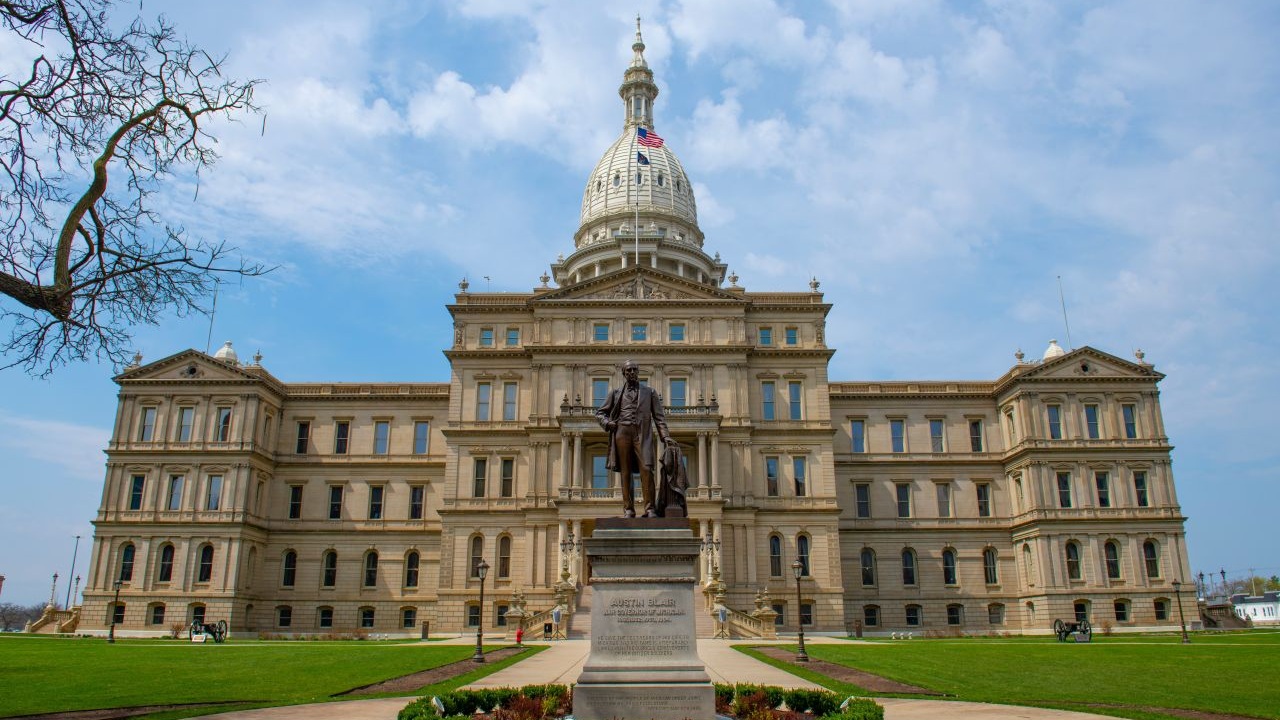
The Michigan opioid crisis has eased based on the state’s own numbers due to relief programs. Now, two new laws keep the money and the regulatory machinery behind that trend moving. Gov. Gretchen Whitmer signed a package of bipartisan health bills on July 23 as the state reports overdose deaths have fallen 47% since 2021.
For anyone living with opioid addiction in Michigan, the news confirms The Wolverine State’s commitment to combatting substance abuse. Many services already exist, from inpatient care to local Narcotics Anonymous chapters. Neither bill creates a new treatment program, but both streamline funding and regulating care.
The Numbers Fall in Michigan
The state says opioid deaths have dropped for four consecutive years since 2021. Michigan Attorney General Dana Nessel’s office reports the state has secured nearly $2 billion through opioid litigation and settlements with pharmaceutical companies and distributors.
Dr. Natasha Bagdasarian, Michigan’s chief medical executive, tied the decline to how that money has been spent. She credits the decline in overdose deaths since 2021 to state investments in evidence-based public health. Settlement funds have expanded access to naloxone, treatment, recovery services and harm reduction across the state, and that more work remains.
The Two Opioid Bills
Senate Bill 616, under state Sen. Sylvia Santana of Detroit, amends Michigan’s Opioid Liability Litigation Act. Cities, counties and local governments can’t sue pharmaceutical corporations over opioid-related claims already resolved through settlements. Nessel’s office describes the change as ensuring communities receive every dollar owed under existing settlements.
Senate Bill 716, sponsored by state Sen. Paul Wojno of Warren, amends the Public Health Code to shorten the time for the Michigan Board of Pharmacy to review federal changes involving controlled substances, such as kratom. The deadline moves from 91 days to 60 days. That matters because when a substance is newly scheduled at the federal level, the lag before state law catches up leaves a gap between enforcement and prescribing rules.
House Bill 5249, sponsored by state Rep. Dave Prestin, creates a new care license for select local ambulance services. These ambulances can provide a higher level of emergency care on 911 calls without needing to qualify as fully licensed advanced life support providers. The law targets rural volunteer EMS agencies. In counties where the nearest advanced unit is a long drive away and harm reduction resources remain scarce, that has direct bearing on overdose response times.
Both opioid bills passed with bipartisan support and the governor signed them alongside unrelated health measures. They cover surgical smoke evacuation, organ and tissue donation information and insurance definitions.
Opioids & Treating Them
Opioids include prescription medications such as oxycodone, hydrocodone and morphine, alongside street drugs like heroin. They relieve pain and slow breathing, which causes fatal overdoses. Fentanyl is now widely mixed into counterfeit pills and powders, so people frequently don’t know what they have taken.
Naloxone reverses an opioid overdose within minutes to restore breathing. It’s available as a nasal spray, carries no risk to someone who hasn’t taken opioids and can be bought over the counter. A second dose is often needed. Always call 911 because naloxone can wear off before the opioids clear.
The state’s own framing credits naloxone distribution and local harm reduction events and programs alongside treatment for the decline in deaths. Naloxone keeps people alive; medication for opioid use disorder is what changes the trajectory.
Medication for opioid use disorder means buprenorphine, methadone or naltrexone, generally paired with counseling. Buprenorphine and methadone come from treatment providers. Naltrexone is started after withdrawal.
Peer support runs alongside clinical care rather than replacing it. Narcotics Anonymous meetings are free, widely available across Michigan in person and online, and require no insurance, referral or waiting list.
Starting with NA
Our website maintains a fully searchable directory of NA meetings across the entire country with filters for meeting type, format and language, so readers can find a meeting tonight in large or small communities. The site also covers opioid treatment options and what to expect from detox and inpatient care.
We also have a helpline at 800-934-1582(Sponsored) for free, confidential guidance. It’s staffed 24 hours a day.
The federal government and the states no longer regulate the same product. For anyone managing narcotic addiction with kratom, or trying to stop using it, that gap now determines what’s legal to buy depending on which side of a state line you stand on.
The Drug Enforcement Administration filed notice on July 1, 2026 to temporarily place concentrated and synthetic 7-hydroxymitragynine, known as 7-OH, into Schedule I. That action narrowly targets concentrated extracts and lab-synthesized compounds above a specified threshold. It doesn’t cover botanical kratom leaf products that fall below it.
Which means the leaf itself is still a state question. Delaware is currently answering it two ways at once.
Two Bills Pulling in Opposite Directions
To be sure, The First State maintains many inpatient programs to combat substance addictions. Local Narcotics Anonymous chapters dot neighborhoods statewide to provide community resources for residents.
However, new drugs like kratom continue to take their toll. Policymakers remain hard pressed to stay atop of the crisis.
Rep. Melanie Ross Levin sponsors a regulatory bill. Anyone preparing, marketing, distributing, or promoting kratom products must follow a set of rules including banning products mixed with a dangerous substance other than kratom, those containing certain plant compounds, and those failing to disclose on the label. Vendors can’t sell to anyone under 21 and can’t feature superheroes, celebrities, cartoons, or similar imagery appealing to minors. Violations would be a class B misdemeanor.
“This bill is really a commonsense bill that creates basic safety rules, clear labeling and youth protection, while still allowing adults to access this product,” Ross Levin told reporters. She acknowledges that many adults in the state use kratom supplements for pain or other health problems.
Sen. Kyra Hoffner sponsors the opposite approach. Her bill would make manufacturing, marketing, distributing, and selling kratom products illegal statewide, covering natural and synthetic forms alike. It originally treated violations as a Class C felony and was substituted in April to strike charges for simple possession.
“It’s not marketed as a dietary supplement or food additive,” Hoffner argued. “So really, you’re risking your life taking it.”
Ross Levin’s bill cleared the Delaware House with a large majority on June 16 and moved to the Senate Health and Social Services Committee. Hoffner’s substituted bill hadn’t yet been heard by that committee.
The Federal Floor Doesn’t Settle the Issue
The DEA action addresses kratom products most associated with acute harm, the concentrated tablets, gummies, and shots sold in gas stations and smoke shops. It leaves the plant material alone.
States have filled that space unevenly. Delaware is one of roughly 15 states where kratom remains legal. As the number of kratom poisonings rise nationwide, at least half of U.S. states have some regulatory measure in place. At least six states plus the District of Columbia and even the military have banned it outright.
So a person using kratom leaf daily is subject to a legal regime that changes at the state border and may change again depending on how a legislature votes. That’s a difficult environment in which to manage a dependence.
A Ban for People Using Kratom
Some people use kratom to manage pain. Others use it specifically to hold off opioid withdrawal, often because treatment was inaccessible or unaffordable. Kratom’s active compounds act on opioid receptors, which is why it can suppress withdrawal and why stopping after regular use can produce withdrawal of its own.
A prohibition removes the current approach without supplying a replacement. If Hoffner’s bill were to pass, people in that situation would need somewhere to go, and the evidence-based options are prescribed rather than purchased over a counter.
Buprenorphine and methadone reduce withdrawal symptoms and cravings and lower overdose risk. Naltrexone becomes an option once withdrawal is complete. Medications are managed by a prescriber who can adjust dosing, which isn’t true of an unregulated product with inconsistent labeling.
Narcotics Anonymous meetings run alongside medical treatment rather than in competition with it, and attending does not require having already stopped.
Peer Support for Narcotic Addiction
Our searchable directory indexes NA meetings across Delaware and nationwide by city with filters for open, closed, virtual, and Spanish-language meetings.
You can also call 800-934-1582(Sponsored) to speak with an expert. You can explore free, confidential referrals with our team 24 hours a day.
The leader of an international drug trafficking organization operating through Southern California was sentenced on July 9 to 240 months, or 20 years, in federal prison.
For people living with narcotic addiction and the families around them, it’s a reason to celebrate. To be sure, The Golden State offers a wide breadth of programs ranging from inpatient care to grassroots Narcotics Anonymous programs to combat substance misuse. However, cases like this one shape the illicit supply without changing the day-to-day work of finding treatment and staying safe.
The Court’s Findings
United States District Judge John A. Kronstadt sentenced Guramrit Sidhu in the Central District of California. Sidhu pled guilty on March 26 to one count of engaging in a continuing criminal enterprise. That charge, brought under the federal statute known as the kingpin statute, applies to those who organize or supervise a large-scale drug operation rather than simply participate in one.
Under his plea agreement, Sidhu led an organization that trafficked drugs out of the United States between September 2020 and February 2023. Over six weeks from mid-September to October 2022, he orchestrated eight separate drug loads totaling approximately 1,150 pounds of methamphetamine and 765 pounds of cocaine. Law enforcement seized all of it. Prosecutors estimated the wholesale value at roughly $15 million to $17 million.
After purchasing bulk quantities in the United States, Sidhu arranged transport by long-haul semi-truck across interstate highways. Couriers used phone numbers and currency serial numbers as identifying tokens during handoffs.
Sidhu came into federal custody in October 2024 after the Justice Department’s Office of International Affairs secured his extradition. He’s the eighth defendant in this case to plead guilty thus far. Others received federal prison terms ranging from 27-108 months.
The investigation involved the FBI, the Los Angeles Police Department, the Los Angeles Interagency Metropolitan Police Apprehension Crime Task Force, federal authorities, and international law enforcement partners.
Stimulants in the Current Supply
Methamphetamine and cocaine are stimulants. They increase alertness, heart rate, and blood pressure, and they carry their own overdose risk, which can present as chest pain, agitation, seizures, hyperthermia, or stroke rather than the slowed breathing seen with opioids.
Stimulant use disorder doesn’t currently have an FDA-approved medication comparable to methadone or buprenorphine for opioid use disorder. Treatment relies on behavioral approaches, contingency management and peer support. That’s one reason support groups matter so much for people recovering from stimulant use.
A separate and important point: the loads described in this case were methamphetamine and cocaine. Court documents don’t describe fentanyl in these seizures, and nothing here should be read as saying otherwise. Nationally, however, fentanyl contamination of the stimulant supply remains a documented risk, which is why the harm reduction guidance below applies to stimulants and not just opioids.
Enforcement in Action
Large seizures remove products from the market and can disrupt distribution networks. But they don’t reduce the number of people who wake up tomorrow with cravings, withdrawal, or a use disorder they want help with. Supply disruption can also push the illicit market toward substitutes of unknown or mixed composition.
Even though the number of fentanyl cases in LA County has declined in recent years, residents need to stay vigilant lest an addiction or overdose strike. If you or someone you care about is using stimulants or opioids, the next step is the same today as it was last week.
NA Fights Narcotic Addiction
Recovery paths vary and none of them require choosing just one. Options include:
- Medically supervised detox and inpatient or outpatient treatment
- Medication for opioid use disorder, including methadone, buprenorphine, and naltrexone, where clinically appropriate
- NA meetings, including open, closed, virtual and Spanish-language formats
- 988 Suicide and Crisis Lifeline for anyone in crisis
NA remains a free, confidential and easy-to-join way to fight addiction. Local chapters dot the landscape nationwide. To find one, simply browse our directory or call 800-934-1582(Sponsored) to speak with an expert about treatment options for narcotic addiction.

A substance sold legally in gas stations across much of the country is now explicitly prohibited for every soldier in the U.S. Army. The policy does something notable for anyone tracking opioid addiction in the military. The kratom ban now routes soldiers toward clinical evaluation rather than treating the matter as a disciplinary question alone.
Army Secretary Dan Driscoll issued a memo to prohibit soldiers from using, possessing or distributing kratom. The order also includes kratom’s main psychoactive components, mitragynine and 7-hydroxymitragynine. The action reinforces an existing Defense Department directive that applies across all branches.
The Army’s Policy
The prohibition covers the plant material and the isolated compounds alike. The enforcement mechanism sets this policy apart from a simple ban.
Soldiers identified as having used kratom must report to a substance use disorder evaluation. These soldiers also have to attend and complete the Army Substance Abuse Program, known as ASAP, alongside Alcohol and Drug Abuse Prevention Training. In practical terms, a positive identification triggers a clinical assessment and treatment, not just an administrative consequence.
That structure matters because kratom dependence is real, but easy to miss. Someone who uses concentrated kratom products daily for pain or fatigue may not describe themselves as having a problem with narcotics at all.
Kratom and Its Opioid-Like Effects
Kratom comes from an herbal extract taken from an evergreen tree native to Southeast Asia. It acts like a stimulant at low doses and like a sedative and pain reliever at higher ones, which is why people use it to self-treat a range of conditions.
The compounds that produce those effects, mitragynine and 7-hydroxymitragynine, act on the brain’s mu-opioid receptors. These are the same receptors targeted by morphine, heroin, and prescription opioids. That shared mechanism allows kratom to relieve pain and produce euphoria, but can also trigger physical dependence and withdrawal.
Products containing these compounds are commonly sold as teas, capsules, vapes and gummies, frequently marketed as natural remedies. The Food and Drug Administration hasn’t approved them as safe and effective for any medical use, and the number of kratom poisoning cases have skyrocketed in recent months across the nation.
The Pentagon’s Actions
The Defense Department declared kratom use a violation of the Uniform Code of Military Justice in a memorandum dated Sept. 15, effective Dec. 31.
The department noted the directive intended to protect the health, safety and readiness of service members. The Drug Enforcement Administration had considered mitragynine and 7-hydroxymitragynine as potential Schedule I substances because of their abuse potential and health risks. A Pentagon official reported that the substances mimic opioid effects and carry risks including impairment, overdose potential and long-term health consequences.
The Other Branches
The Army is the most recent service to act, not the first.
Navy Secretary John Phelan also prohibited all sailors and Marines from using kratom products in an All Navy message back in January. He noted that use means a violation of a lawful general order under the UCMJ and can result in administrative or disciplinary action.
The Air Force also agreed that kratom falls under its existing prohibition on naturally occurring intoxicating substances. The Air Force has thus banned kratom, even though it’s not named specifically in the service manual.
The Coast Guard banned it in May and in fact works in tandem to keep illegal shipments of kratom from seeping through the waterways.
The result is a military-wide prohibition by every service over roughly six months.
Harm Reduction & Treatment Options
Anyone who has developed dependence on kratom or another substance acting on opioid receptors should start looking into withdrawal and treatment.
Withdrawal is uncomfortable but manageable with medical support, and it typically involves muscle aches, sweating, nausea, anxiety, insomnia and strong cravings.
Medication for opioid use disorder, including buprenorphine, can treat dependence involving opioid receptor agonists and can make stopping considerably safer and more tolerable than going it alone.
Naloxone, popularly known as Narcan, reverses opioid overdose. Anyone can keep naloxone in their household. It’s available without a prescription at pharmacies and free through many local health departments and harm reduction programs.
Fentanyl test strips add another layer of protection for anyone using substances obtained outside a pharmacy, since the illicit supply is frequently contaminated.
Peer support fills a different gap. Narcotics Anonymous meetings are free, widely available, and open to people recovering from any substance, and many service members and veterans find that a room of people who understand the specific pressures of military life makes the difference in staying engaged.
NA Fights Opioid Addiction
The military has banned kratom, but many civilians can readily access it, buy it, and consume it. Should that happen, addiction can set in.
Be prepared. Feel free to dial 800-934-1582(Sponsored) to chat with an expert about confidentiality protections and self-referral options before a positive identification forces the issue.
You can also meet community members and form fellowship in NA chapters to get through rough patches. Chapters dot the entire country, including your neighborhood. Simply browse our directory to find one, including virtual options if an in-person meeting is not practical.