 800-861-9372

Kratom use among American teenagers rose by roughly half in a single year, according to federal survey data, and the increase is sharpening a policy fight over whether the leaf itself drives opioid addiction. The Food and Drug Administration has concluded the plant contains opioid compounds and warns Americans against using it. Regulators have nonetheless …
Teen Kratom Use Rose 51% as FDA Warns the Leaf Is an Opioid
Get Help Now 800-934-1582
 Sponsored
Sponsored
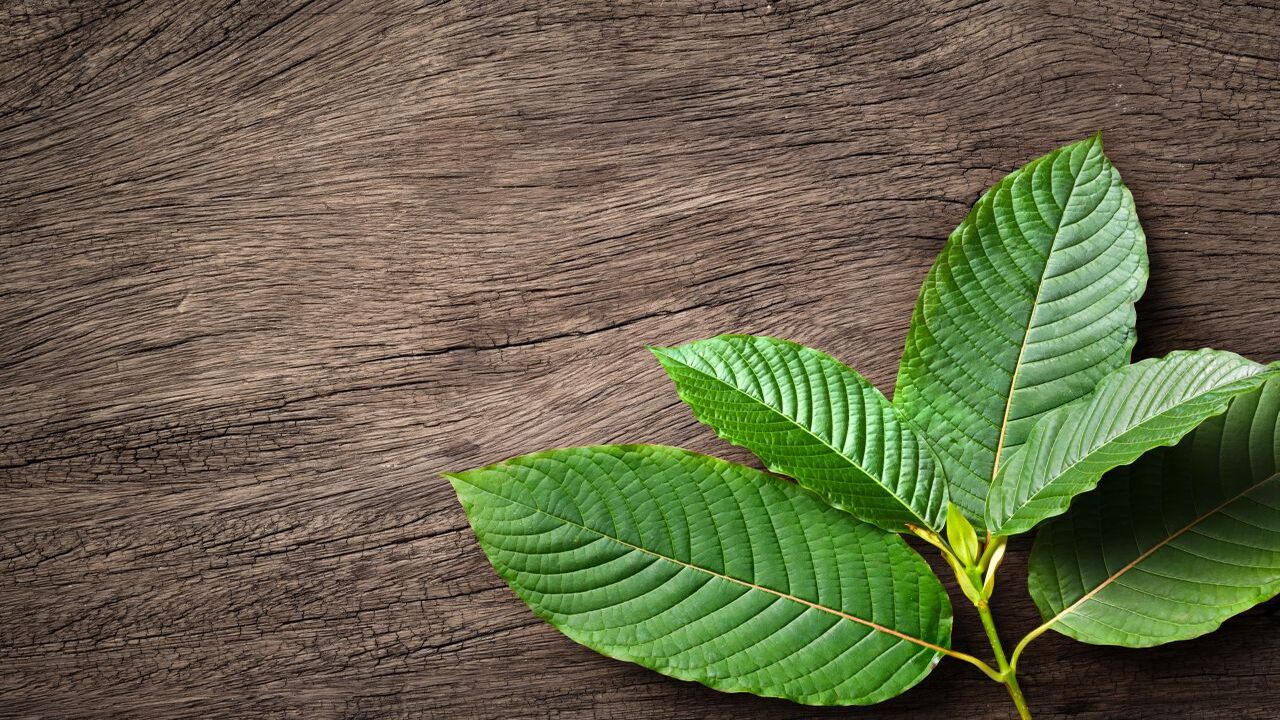
Kratom use among American teenagers rose by roughly half in a single year, according to federal survey data, and the increase is sharpening a policy fight over whether the leaf itself drives opioid addiction.
The Food and Drug Administration has concluded the plant contains opioid compounds and warns Americans against using it. Regulators have nonetheless acted against only one concentrated kratom product, leaving the leaf unscheduled, and clinicians disagree about whether that line is drawn in the right place.
Kratom Use by the Numbers
1.85 million Americans aged 12 and older used kratom in 2024, up from 1.63 million in 2023.
51 percent increase in past-year use among adolescents aged 12 to 17.
1,200 percent rise in kratom-related poisonings and hospitalizations over the past decade.
The Substance Abuse and Mental Health Services Administration’s National Survey on Drug Use and Health estimated that 1.85 million Americans aged 12 and older used kratom in 2024, up from 1.63 million in 2023.
Among adolescents aged 12 to 17, past-year use climbed 51 percent over the same period, from about 43,000 to 65,000. Poison center data points the same direction.
A 2026 report in the Centers for Disease Control and Prevention’s Morbidity and Mortality Weekly Report found kratom-related poisonings and hospitalizations rose 1,200 percent over the past decade, an increase that largely predates the arrival of concentrated products two years ago.
Research from the University of Michigan and Texas State University in the Journal of Addiction Medicine reports the highest use at ages 21 to 34, and found kratom use was associated with cannabis use, preexisting substance use disorders, and serious psychological distress. Those are associations, not proof of cause.
Why Kratom Is Classed as an Opioid
The pharmacology is the starting point. Kratom’s principal active compound acts on the same brain receptors as heroin and prescription painkillers. In 2018 the FDA sought to place kratom in Schedule I after concluding the leaf contains opioid compounds.
Industry lobbying helped stop that effort. The agency’s website still advises Americans against using kratom, citing risks including liver toxicity, seizures, and substance use disorder. The FDA commissioner at the time said kratom “isn’t just a plant, it’s an opioid.”
Writing in Psychology Today in July, Dan Mager, a licensed clinical social worker, argued that the pattern around kratom echoes the early years of the prescription opioid epidemic, when warning signs were minimized.
In his view the receptor activity settles the question, and kratom is an opioid regardless of how it is marketed. That is a clinician’s argument rather than a regulatory finding, but it aligns with the FDA’s own stated conclusion about the leaf.
Kratom’s main active compound acts on the same brain receptors as heroin and prescription painkillers.
Where Regulators Have Drawn the Line
In July 2026 the Drug Enforcement Administration announced its intent to temporarily place 7-hydroxymitragynine, known as 7-OH, above a specified concentration into Schedule I, along with three synthetic derivatives. 7-OH is made by chemically treating kratom leaf to raise its opioid potency.
The Department of Health and Human Services and the FDA commended that action and stated plainly that it is not intended to regulate natural leaf kratom without enhanced 7-OH levels.
Kratom itself remains off the federal schedule, though the DEA lists it as a drug of concern. State law is a separate and increasingly uneven track. Tennessee’s full ban took effect July 1, 2026, while other states restrict concentrates only.
Where Advocates and Critics Disagree
The American Kratom Association, a consumer advocacy group, supported the DEA’s move on 7-OH. Mac Haddow, the group’s senior fellow on public policy, has argued that chemically manipulated 7-OH products are high-potency opioid products falsely marketed as kratom, and that natural leaf carries a different risk profile. The group opposes restrictions on the leaf and is urging states to preserve access to it while banning concentrates.
Mager reads the same regulatory decision differently, describing the narrower action as an acceptance of an industry framing that treats ordinary kratom as a benign wellness product.
Some federal lawmakers have pushed further than the DEA. In a March 2026 letter to the FDA commissioner, senators wrote that scheduling 7-OH was an important first step but urged the agency to consider scheduling whole kratom leaf as well, citing products marketed in forms that appeal to young people.
Advocates on the other side counter that full bans push people toward unregulated online and out-of-state sellers, raising the odds of adulterated products.
Understanding Kratom and Overdose Risk
Kratom refers to the dried leaves of the Mitragyna speciosa tree and the products made from them, sold as capsules, powders, teas, and liquid shots at gas stations, convenience stores, and online. Lower doses produce stimulant-like effects; higher doses produce opioid-like effects.
People report using kratom for pain, for emotional distress, and to manage opioid cravings or withdrawal. Kratom products have not been shown to be safe or effective for any medical condition.
Because the active compound is an opioid, repeated use can lead to cravings, tolerance, dependence, and withdrawal, and overdose risk rises when kratom is combined with other sedating substances.
Harm Reduction and Treatment
People who use kratom or concentrated 7-OH products are exposed to opioid risk whether or not the products are scheduled, and a few practical steps reduce that exposure.

Keep naloxone on hand and make sure someone nearby knows where it is. It reverses opioid overdose and is available without a prescription in every state.
Avoid using alone, and avoid combining kratom with alcohol, benzodiazepines, or other opioids.
Fentanyl test strips can flag contamination in unregulated products, though they do not measure potency.
If you have developed dependence, do not stop abruptly without guidance. Buprenorphine and other approved medications act on the same receptors and can prevent withdrawal under medical supervision.
Finding Help for Opioid Addiction
Peer recovery groups give people a place to talk with others who have been through opioid dependence, and NA meetings run in person and online nationwide. Narcotics.com is not affiliated with Narcotics Anonymous or NA World Services.
You can use the Narcotics.com directory to find NA meetings near you and to compare opioid treatment programs by location and level of care. Call 800-934-1582(Sponsored) to find a treatment option near you.
the Take-Away