 800-861-9372

The Drug Enforcement Administration sent out a notice on July 1 to place 7-hydroxymitragynine, known as 7-OH, and three related substances into Schedule I of the Controlled Substances Act. Placing kratom into the strictest legal category effectively bans its manufacture, distribution, sale and possession. But drug policy critics oppose the move. They argue that many …
DEA Kratom Ban Sparks Pushback Over Opioid Alternative
Get Help Now 800-934-1582
 Sponsored
Sponsored
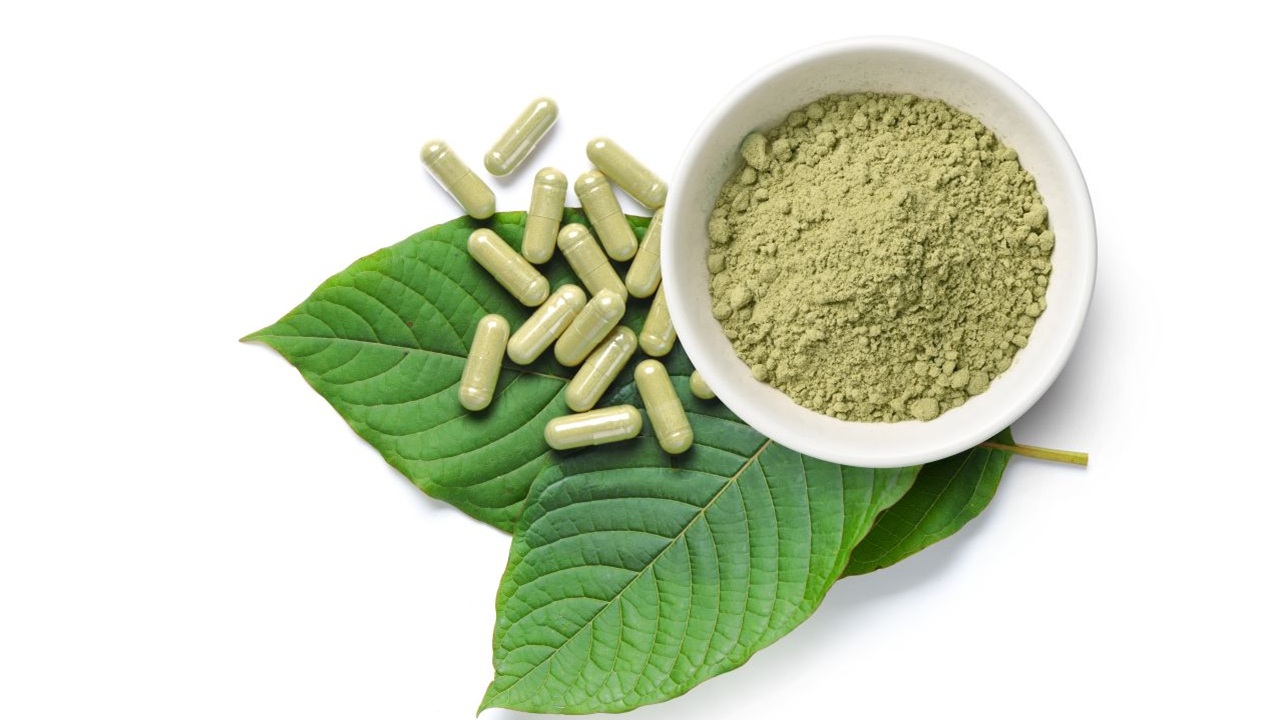
The Drug Enforcement Administration sent out a notice on July 1 to place 7-hydroxymitragynine, known as 7-OH, and three related substances into Schedule I of the Controlled Substances Act. Placing kratom into the strictest legal category effectively bans its manufacture, distribution, sale and possession.
But drug policy critics oppose the move. They argue that many people already use 7-OH and kratom products as a self-managed alternative to prescription and illicit opioids. Accordingly, a ban could push those users back toward more dangerous drugs instead of reducing harm.
The DEA’s Announcement
The DEA filed two Notices of Intent with the Federal Register on July 1. One addresses 7-OH above a specified threshold, and the other on mitragynine pseudoindoxyl, MGM-15 and MGM-16. The Department of Health and Human Services confirmed that synthetic 7-OH has no accepted medical use and a high potential for abuse and cited a jump in kratom poison cases.
DEA Administrator Terrance Cole noted the action targets highly concentrated synthetic 7-OH products that are an emerging threat to public safety. HHS Secretary Robert F. Kennedy, Jr., characterized them as dangerous fuelers of addiction.
The ban doesn’t apply to raw botanical kratom products that contain natural 7-OH below the threshold. It targets synthesized products and concentrated extracts sold online and in convenience stores and smoke shops as powders, tablets, gummies and dissolvable strips.
About 7-OH and Kratom
Kratom originates from leaves off the Mitragyna speciosa, a tree native to Southeast Asia. Its primary alkaloid, mitragynine, converts into 7-OH as the body metabolizes it. 7-OH can also be concentrated or synthesized directly in lab settings.
Kratom has opioid-like effects on pain and mood at higher doses. Some products marketed as kratom extracts contain much higher concentrations of 7-OH than what naturally occurs in the raw leaf.
Some Critics Oppose the Ban
Critics, including drug policy researchers at the Reason Foundation, argue the ban outpaces the available evidence and does more harm than good. Their case rests on a few specific points.
- They point to DEA’s own cited data, which documented 85 overdose cases and 55 deaths involving 7-OH since 2019, and note that most of those cases involved other substances such as fentanyl rather than 7-OH alone. This suggests the actual risk from 7-OH by itself is lower than the scheduling action implies.
- They cite National Institutes of Health-funded research studying kratom-derived compounds as a potential treatment for opioid use disorder, arguing that a Schedule I ban could complicate or halt that research.
- Critics argue that many people currently use 7-OH and kratom products to manage chronic pain or to reduce or stop opioid use on their own. Eliminating legal access could push them back toward illicit opioids that carry a much higher overdose risk.
Public health officials backing the DEA’s action see it differently. They argue that concentrated, synthetic 7-OH products carry real overdose and dependence risks of their own. These products are largely unregulated and inconsistently manufactured and emergency scheduling gives law enforcement and public health agencies tools to act quickly against a fast-growing and unsupervised market.
Both sides agree that mixing 7-OH or kratom with other depressants, including alcohol and certain medications, increases risk. They also acknowledge that manufacturing quality varies widely in an unregulated market.
Traditional Harm Reduction and Treatment Still Work
Whatever the outcome of the scheduling process, people using 7-OH or kratom products to manage pain, mood, or opioid withdrawal on their own should know that naloxone can reverse opioid-like respiratory effects, including those linked to 7-OH in early research.
Medication-assisted treatment with buprenorphine or methadone and combined with counseling remains the most established path for treating opioid misuse.
Anyone trying to stop opioid use from prescription painkillers, drugs or even kratom-derived products has safer options than going it alone.
NA Remains an Effective First Step
That’s where Narcotics Anonymous comes in. NA meetings also offer peer support for people working toward recovery from narcotics and opioid use, regardless of which substance brought them there.
Begin today by dialing 800-934-1582(Sponsored) to chat with a specialist and locate local resources. You can also browse our directory to find NA chapters located anywhere in the United States.
the Take-Away