 800-861-9372

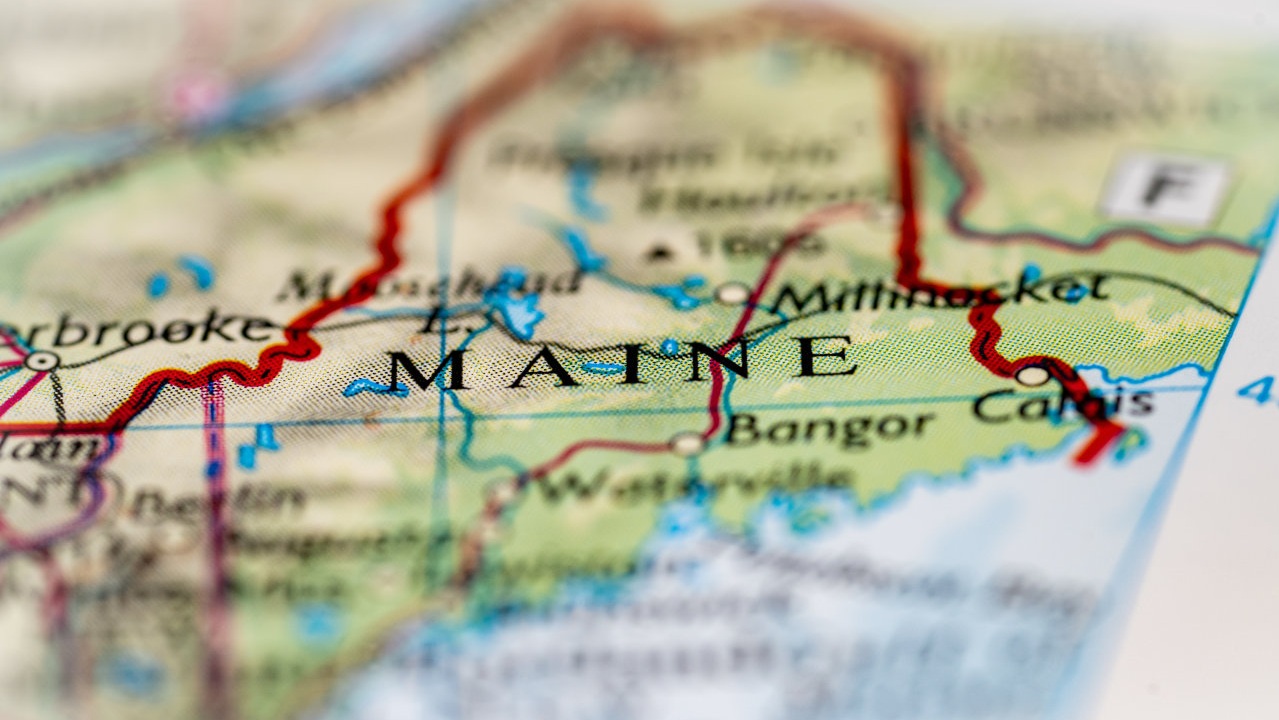
Maine’s drug overdose deaths continue to decline as 2026 progresses. The drop shows that wider access to naloxone and treatment in The Pine Tree State has kept more people alive. Local Narcotics Anonymous chapters and other grassroots efforts have also played roles in keeping the numbers down.
The Opioid Crisis in Maine
Opioids such as prescription drugs like oxycodone slow breathing. An opioid overdose can stop you from breathing entirely.
The good news is that from January through April 2026, Maine recorded 109 overdose deaths, down from 132 over the same period in 2025. Deaths peaked in the state in 2022 at 723 and have declined every year since and fell to 390 in 2025.
Overdose deaths nationwide dropped 13.2% in 2025. One director of opioid response reported that Maine is getting better at keeping people alive but that the long-term focus needs to be prevention.
Driving the Change in Maine
One factor may be the shrinking role of fentanyl. The powerful synthetic opioid was present in 78% of Maine overdose deaths in 2023 and 72% in 2024 before dropping to the 50% percentile in 2026. At the same time, cocaine appeared in a larger share of deaths from 37% in 2023 to 45% in 2025. Maine is seeing less fentanyl, and that while cocaine is lethal, it doesn’t kill as readily.
Dr. Noah Nesin, a Bangor-area physician and opioid expert, cautioned that it’s hard to know why deaths are down since use doesn’t appear to have dropped.
However, nonfatal overdoses have moved in the other direction. They rose from 8,045 in 2024 to 9,072 in 2025 and climbed another 3.6% through the first four months of 2026.
Understanding Naloxone
Still, experts caution against drawing conclusions from that trend. Courtney Gary-Allen of the Maine Recovery Access Project observed that harm reduction works. She noted that clean syringes and naloxone keep people alive until they can get help. Maine’s 2022 Good Samaritan law has also made people less afraid to call 911.
Gary-Allen and other officials have credited naloxone, which is known by the brand name Narcan. Naloxone rapidly reverses an opioid overdose and has no effect on someone without opioids in their system.
Others enroll in medication-assisted treatment (MAT) for their opioid use disorders. MAT has proven to mitigate withdrawal symptoms and improve counseling retention.
Find Help with NA
People facing opioid addiction have several options that can work together. Peer support through Narcotics Anonymous is a popular first step and many folks combine NA with MAT and therapy.
You can search for NA meetings in Maine or anywhere else in the country by calling 800-934-1582(Sponsored) for opioid addiction treatment options. Or simply browse our directory for verified listings filtered by location.

Louisiana’s opioid crisis is increasingly a maternal health crisis, and a statewide summit is putting that connection front and center. The Northeast Delta Human Services Authority (NEDHSA) hosted its 10th Annual Opioid Summit focused on opioid addiction among mothers, infants, and families.
Louisiana features many inpatient facilities that can assist pregnant women, and local grassroots community centers and Narcotics Anonymous chapters exist in almost every neighborhood. But the concern that many residents have remains urgent, as infants have a high risk of being born with substance use disorders if their mothers take drugs. That’s where NEDHSA came in.
A Decade of Confronting Opioid Addiction
NEDHSA serves twelve parishes across Northeast Louisiana and marked a decade of convening the event.
The summit took place June 25, 2026, at the Bayou Pointe Event Center on the University of Louisiana Monroe campus. The theme featured “Addiction and Maternal Health: Opioid Use in Vulnerable Populations.” Over 200 healthcare leaders, behavioral health experts and professionals, local and state policymakers, and community advocates attended.
Maternal Opioid Use is in the Spotlight
NEDHSA noted that since 2018, accidental opioid overdose through fentanyl and other drugs has remained the leading cause of pregnancy-associated deaths in Louisiana. Behind those numbers are mothers and infants whose outcomes can change with early intervention and coordinated care.
“For far too long, addiction has eroded the health, stability, and promise of our communities,” noted Dr. Monteic A. Sizer, NEDHSA’s executive director. Sizer framed the summit as a push for solutions grounded in science and compassion. Presentations covered emerging trends in addiction treatment, stigma reduction, and recovery support.
New Treatment for Mothers & Families
NEDHSA recently expanded its care through the R.I.S.E. Treatment Center. The acronym stands for Reaching Independence through Support and Education and specializes in assisting pregnant women and mothers with substance miseuse. The program blends an interdisciplinary mix of behavioral counseling, primary care for moms and their kids, peer support and wraparound services. R.I.S.E. can help women recover while keeping families together.
Beyond clinical care, peer support is a backbone of long-term opioid recovery. Narcotics Anonymous offers free, community-based meetings where people recovering from narcotic addiction find accountability and support from others who understand.
For families touched by the opioid crisis, pairing treatment and peer recovery with access to naloxone, the overdose-reversal medication, gives communities more ways to keep people alive while they pursue recovery.
Find Opioid Treatment and NA Meetings
If you or someone you love faces an opioid addiction, help is within reach. Search for NA meetings and connect with local opioid treatment programs right in your community.
Don’t wait. Call 800-934-1582(Sponsored) for opioid addiction treatment and recovery resources, and our searchable directory lists NA chapters all across the nation.
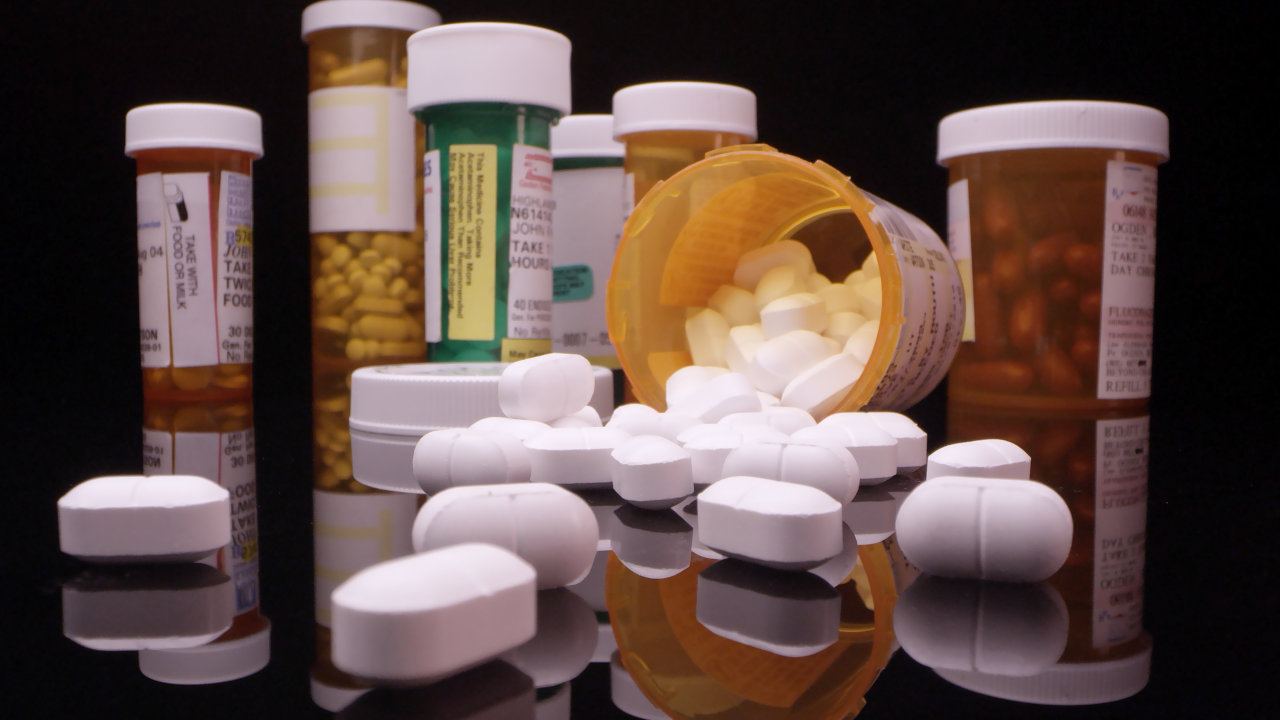
Florida is among the states putting the most opioid settlement money to work against opioid addiction. The Sunshine State already features a wide range of care, from treatment and recovery programs to local grassroots Narcotics Anonymous chapters for community members. The incoming $3 billion, dispersed over the coming years, will greatly build up these services.
One community turning those dollars into services is Pasco County, where a local task force in New Port Richey says it is making measurable progress.
Florida’s Opioid Crisis
Residents in Pasco County experienced 2,500+ overdoses in 2024. Unfortunately, more than 200 of those overdoses were fatal; clinicians and first responders administered naloxone, the opioid-overdose reversal medication, more than 1,200 times. “We were actually one of the counties that were really hit hard,” recalled Missy Coyle, a nurse affiliated with the Alliance for Healthy Communities.
The Settlement Money
Five years after it was created, the Pasco County Opioid Task Force now channels settlement dollars into prevention, treatment and recovery. Coyle stocks a self-serve Narcan vending machine and connects folks to mental health services, recovery housing, and basic needs like clothing.
The All Ways Center in New Port Richey brings interventions and recovery under one roof through a partnership between the Alliance for Healthy Communities and The Hope Shot, supported by a federal grant.
Paula Baracaldo chairs the task force and noted the goal is an effective use of funds and to improve the county’s overall system of care. The task force recently partnered with the University of South Florida on a gap analysis and identified the high cost of services and unequal access across the county as key challenges.
Understanding Opioids & Naloxone
Opioid drugs include heroin and prescription pain medications. Fentanyl is a synthetic opioid and is responsible for much of the current overdose risks. Naloxone, sold under brand names including Narcan, can rapidly reverse an opioid overdose if given in time. That’s why community access is so important.
Naloxone is available without a prescription at many pharmacies and through community programs like the ones in Pasco County. Carrying it, and knowing the signs of an opioid overdose such as slowed or stopped breathing and unresponsiveness, can save a life.
Fentanyl test strips can also help people check for contamination in the drug supply.
Recovery from opioid addiction can take more than one form, including medications for opioid use disorder such as methadone and buprenorphine paired with counseling.
NA: The First Step
Narcotics Anonymous is one widely available, free peer-support option.
You can search for NA meetings in Pasco County and across Florida and the rest of the country through our directory. Or, call 800-934-1582(Sponsored) and ask an expert about local treatment options. The point is that recovery is not only possible, but can start today.

Every June 26, World Drug Day puts a simple idea at the center of the conversation about opioid addiction and drug use: accurate information saves lives. For people at risk of a drug overdose, the day is a reminder for them and their families that good facts from reliable sources are part of how recovery and overdose prevention actually happen.
World Drug Day
The International Day Against Drug Abuse and Illicit Trafficking, also called World Drug Day, is observed on June 26 each year to strengthen action toward a world free of drug misuse. The need reflects the growing drug market as new substances and markets pop up worldwide.
The first line of defense is to know the facts. The United Nations Office on Drugs and Crime (UNODC) frames the observance around sharing facts and combating misinformation. Their goal is to encourage people to know the facts and share information only from verified sources.
UNODC publishes the annual World Drug Report and emphasizes a science-based and health-focused approach. Its core message is direct: share the real facts on drugs to help save lives.
Facts Matter in the Opioid Crisis
Misinformation isn’t harmless. When people don’t know that fentanyl now contaminates much of the illicit drug supply, or that naloxone can reverse an opioid overdose, the gaps cost lives. Clear and accurate information helps someone recognize the signs of an overdose, understand that they can treat opioid use disorders, and know that effective options exist.
This is also where stigma does damage. Treating addiction as a moral failing rather than a health condition keeps people from asking for help. The facts point the other way. Recovery is possible and local support exists.
Recognize Opioids & Overdose
Opioids include prescription painkillers or street drugs like heroin and fentanyl. The latter is a synthetic opioid that’s often mixed with other street drugs. An opioid overdose can slow or stop breathing; signs include pinpoint pupils, unresponsiveness, and slow or absent breathing.
Naloxone can reverse it if given in time, which is why harm-reduction tools matter alongside treatment.
For folks with opioid use disorders, evidence-based options include medication-assisted treatment combined with counseling and peer support. These paths complement each other.
NA Meetings Support Recovery
For many people in recovery from narcotic or opioid addiction, Narcotics Anonymous offers ongoing peer support. For first-timers, NA meetings bring together people who understand drug addiction firsthand, are free to attend, and are available in person and online. NA welcomes people regardless of which substances they have used.
Help for Opioid Addiction via NA and Beyond
This World Drug Day, the most useful thing you can do may be the simplest: share accurate facts, and know where to turn. You can start by finding NA meetings anywhere in the country through our directory.
Or, feel free to chat with a specialist by dialing 800-934-1582(Sponsored) to locate opioid treatment programs. You can also access harm-reduction resources like naloxone and fentanyl test strips through local health departments and community organizations.

For anyone facing opioid addiction in San Francisco, or supporting someone who is, the spring of 2026 brought rare encouraging news. Monthly overdose deaths fell to their lowest level in years. The progress is real, but fentanyl remains a constant threat and understanding both halves of that picture matters when you are deciding what help to seek.
The Golden State has a wide breadth of programs for folks impacted by substance misuse. Enroll in an inpatient facility or connect with your neighbors in Narcotics Anonymous chapters. These combined approaches have driven the fatality numbers down.
Let’s take a look. San Francisco recorded 35 accidental overdose deaths in May 2026 and 34 in April, with 219 deaths through the first five months of the year. That five-month total is the lowest since at least 2021, down from 316 over the same period in 2025 and 348 in 2023.
Frisco’s Opioid Crisis
The longer trend shows how far the city climbed before this decline. The city’s overdose deaths peaked at 810 in 2023, then fell to 635 in 2024 and 621 in 2025, a roughly 23% drop from the peak. The first five months of each recent year tell the same story of improvement: 286 deaths in 2021 and a slow trend downward to 219 thus far in 2026.
The progress is real but fragile. Even with the decline, San Francisco’s overdose rate remains among the highest of any large U.S. county. Fentanyl continues to account for a large share of deaths. Officials have also warned that new synthetic opioids are turning up in counterfeit pills, a reminder that the illicit supply remains unpredictable.
Fentanyl’s Backdrop
Fentanyl is a synthetic opioid many times more potent than most other street drugs. Since it’s so strong and often mixed into other narcotics, people can take a fatal dose without knowing fentanyl is present. Signs of an opioid overdose include slow or stopped breathing, blue or gray lips and fingertips, pinpoint pupils, and unresponsiveness.
Lethal doses continue to take their toll. The folks behind these statistics are neighbors, family members and friends. But remember that recovery is possible and the number of survivors are climbing.
Driving the Change
City officials credit expanded treatment capacity and wider access to overdose-reversal medication. San Francisco added hundreds of treatment-focused beds, opened a crisis stabilization center, expanded street outreach teams citywide, and reorganized its response under a “recovery-first” policy. The city also revised harm reduction practices, including limits on distributing certain drug-use supplies in public.
These approaches are debated among public health experts. In fact, some analysts note that other hard-hit counties are improving faster. But the evidence consistently supports connecting people quickly to treatment and keeping naloxone widely available to save lives.
Finding Harm Reduction
Several tools reduce the risk of a fatal overdose and open a path to recovery:
- Naloxone (Narcan) can reverse an opioid overdose in minutes and is available without a prescription and in public venues, even on BART transit.
- Fentanyl test strips let people check drugs for the presence of fentanyl
- Medication for opioid use disorder reduces cravings and overdose risk and is strongly supported by evidence
- Peer recovery support, including Narcotics Anonymous meetings, offers free, ongoing community for people working toward recovery
These options are not in competition. Many people combine medication, counseling, and peer support such as NA.
Starting NA
Narcotics Anonymous remains one of the most effective (and inexpensive) ways to a healthier future. Participating in a NA meeting is free and confidential. You’ll connect with peers in your neighborhood and build a fellowship that lasts a lifetime.
Simply dial 800-934-1582(Sponsored) to explore treatment options with an expert or browse our directory to find NA meetings in any community throughout the USA.

Despite some early breakthroughs to treat methamphetamine addiction, clinicians still have no specific designated medication for this disorder, a gap that has frustrated health providers and victims for decades. But now, new laboratory research suggests an unexpected place to look for one: a link between brain inflammation and the immune system.
A Long Search for a Meth Medication
Unlike alcohol and opioid use disorders, which have several approved medications, methamphetamine addiction has none. For opioids, clinicians can prescribe buprenorphine or methadone. For alcohol, naltrexone or acamprosate.
People in treatment for meth currently rely on behavioral approaches such as counseling and contingency management, which rewards continued abstinence. A new study, however, points toward a possible biological target.
The Study’s Findings
Methamphetamine is a powerful stimulant that floods the brain’s reward system with dopamine and, with repeated use, drives inflammation throughout the body. Stimulant use disorder can affect anyone, and early abstinence often brings fatigue, low mood and a loss of pleasure that reflect a reward system in recovery.
Here’s where the researchers step in. A team led by Habibeh Khoshbouei at the University of Florida College of Medicine studied the ventral tegmental area, a cluster of dopamine neurons at the base of the brain’s reward system. Using electrical recordings from mouse brain slices, they watched methamphetamine speed up those neurons and change the shape of their electrical activity.
The researchers then applied TNF-alpha, an inflammatory molecule, with no drug present. The dopamine neurons reacted almost exactly as they had to meth. A compound called UCB-9260 blocks TNF-alpha signaling, which dulled meth’s effect on the cells and blocked the dopamine transporter that meth hijacked.
By using a sensor that detects dopamine release, the team confirmed that blocking TNF-alpha reduced the dopamine surge meth produced. Khoshbouei described the two systems as engaged in bidirectional crosstalk.
An Existing Drug Class Matters
The finding stands out because TNF-alpha blockers already exist. Medications such as etanercept and adalimumab have been prescribed for years for rheumatoid arthritis and Crohn’s disease, so health providers already understand their safety profiles. Now, TNF-alpha blockers have a new role in reducing the impact of stimulants on the brain.
As for the next steps, Khoshbouei’s team plans to seek NIH funding to test whether these existing drugs can reduce meth’s rewarding pull and lower relapse rates. Repurposing an approved medication is generally faster than developing a new one.
Indeed, it helps to keep Khoshbouei’s work in perspective. This early, preclinical work involved mouse tissue and cell cultures, not people. The researchers caution that no one should take an arthritis drug to manage cravings because blocking TNF-alpha also affects the body’s defenses against infection.
Treatment for Methamphetamine Addiction
For now, the most effective help for methamphetamine addiction combines behavioral therapy, contingency management and peer support.
Narcotics Anonymous, a 12-step program open to people recovering from any drug, can be part of that support. For those not sure about meeting peers in their neighborhood, consider that NA meetings are free, widely available and welcome people who use stimulants as well as opioids.
NA: The First Step
If you or someone you love has a methamphetamine addiction, seek help today. Find NA meetings in your area, explore stimulant treatment programs, and ask providers about contingency management. Call 800-934-1582(Sponsored) to speak with an expert or feel free to browse our directory for NA chapters across the nation.

A new approach to opioid addiction in southern Arizona is showing early results, and an honest look at the program’s first months offers a window into what low-barrier care can and can’t do. To be clear, The Grand Canyon State offers a wide range of treatment options from local Narcotics Anonymous groups to modern inpatient centers.
Residents out in Pima County now have their first medically monitored recovery facility. The center, known as SAFR, for Sobering Alternative For Recovery, opened in January 2026 at 250 S. Toole Avenue in Tucson. The staff has already served more than 130 people in its first three months. A University of Arizona evaluation team found patients staying longer over time while flagging staffing shortages and data-quality problems that still need attention.
Opioids in Pima County
Opioids include a wide variety of drugs, including prescription pain medications. An opioid overdose can slow or stop breathing and each time is a medical emergency.
The scale of the problem is the reason the center exists. Pima County recorded about 2,000 overdose deaths since 2020, and 97% of those deaths were accidental. Even though opioid overdoses have declined nationwide, cases remain high in Arizona overall.
In response, the county’s Board of Supervisors approved $1.8 million in 2025 from the Regional Opioid Settlement Advisory Council to fund the center. The center’s operations are run by Community Bridges.
The Center’s Programs
SAFR operates as an inpatient low-barrier deflection program. It provides medical care to voluntary walk-ins and to people who would otherwise be encountered by law enforcement or emergency services. The center offers 15 beds, is open 24 hours a day and encourages folks to stay 96 hours. Patients don’t need insurance to receive care, and the staffers provide clinical assessments, medications for opioid use disorder (MAT), and referrals for longer-term treatment.
The majority of referrals came through the Tucson Police Department, with others coming from friends, family and other local services.
Fentanyl’s Role
The patients arriving at SAFR reflect how thoroughly fentanyl now dominates the illicit opioid supply. Of those, 91% tested positive for fentanyl and 33% for opiates. Fentanyl is a synthetic opioid far more potent than other street drugs like heroin, which makes overdose far more likely and rapid.
Patients with opioid use disorders can begin or maintain buprenorphine prescriptions at the center. Buprenorphine is a medication used to treat opioid use disorder that reduces cravings and withdrawal and is one of the MAT options.
The Evaluation’s Findings
The University of Arizona RISE team studied the pilot period from January to March 2026. Patients have stayed longer as the program matures. The average stay rose from 10.7 hours in the first month to 89.3 hours in March, moving closer to the 96-hour goal. About 96% of patients received referrals to continued care on discharge.
The evaluators expressed candid remarks about the gaps. As of late March, Community Bridges had filled 11 of 19 staffing positions, leaving a shortage of nurses and behavioral health workers as fentanyl cases increase across the state. The team also flagged data-quality problems, which county health director Theresa Cullen noted must be addressed promptly.
County leaders will decide in the coming months whether to extend the pilot for a year.
Harm Reduction and Treatment Options
Low-barrier centers like SAFR reflect a broader shift toward meeting people where they are.
- Naloxone, often sold as Narcan, can rapidly reverse an opioid overdose and is available without a prescription in most states.
- In addition, fentanyl test strips help people check their supply.
- MAT with buprenorphine or methadone is supported by strong evidence for opioid use disorder.
- Crucially, peer support like Narcotics Anonymous meetings often complement medical treatment for many people in recovery.
If you or someone you love is facing opioid addiction, take a step tonight. Find NA meetings across Arizona and the U.S.,, ask local programs about prescription options, and keep naloxone on hand if you or someone close to you uses opioids.
Simply browse our directory to get started, or call 800-934-1582(Sponsored) to speak with an expert.

Florida is reporting a 42% drop in opioid deaths but doctors say preventing opioid addiction before it begins is still the harder fight. One orthopedic surgeon out in Jupiter in Florida now takes that fight into the operating room by helping patients recover from joint replacement without ever taking an opioid.
This latest development provides another resource for those impacted by opioids out in the Sunshine State. While Florida already offers many programs to reduce opioid overdose deaths from local Narcotics Anonymous chapters to residential care facilities, an innovative approach for managing pain without opioids in the first place can potentially reduce the number of later addictions.
Opioid-Free Recovery
Dr. Andrew Noble is an orthopedic surgeon at Jupiter Medical Center and uses the Enhanced Recovery After Surgery (ERAS) protocol along with his own method. It combines robotics for minimally invasive surgery, targeted numbing and timed non-opioid medicines taken before, during and after the procedure.
Noble pointed out the idea is to “stay ahead of pain” rather than chase it. That way, patients need fewer opioids or none at all. Instead, these milder medications can partner with holistic approaches like yoga to relieve any lingering pain.
For patient April Stubbs, it worked. She recovered from knee replacement surgery without ever taking the stronger pain medications.
Prevention Matters in the Opioid Crisis
For years, prescribing dozens of opioid pills to manage pain after a knee or hip replacement was standard practice. The premise behind Noble’s approach is simple. Patients who don’t get pills aren’t exposed to the risk in the first place.
Daniel Warren of Reprieve Recovery in Jupiter has worked in recovery for years and relayed that many folks don’t realize they can develop physical dependence from medicines taken during surgical recovery and go through withdrawal without understanding why. Warren explained that lowering that exposure is a step in the right direction.
Understanding Opioids
Opioids include prescription painkillers as well as illicit drugs like heroin. They relieve pain but side effects consist of physical dependence, and the body can begin to crave them. Fentanyl is a synthetic opioid far stronger than morphine and drives much of today’s overdose risk. That’s why reducing unnecessary exposure has become a public health priority.
Prevention is one tool, but support also matters for people who already use opioids.
- Naloxone is sold as Narcan and can reverse an opioid overdose and is available without a prescription in many places.
- For people who develop opioid use disorders, medications like buprenorphine, methadone and naltrexone are evidence-based treatments.
- Peer support, including Narcotics Anonymous (NA) meetings, helps many people in recovery.
All these paths can work together rather than in competition.
Help for Opioid Addiction
If you or someone you love is affected by opioids, don’t delay. One of the easiest—and free—first steps is to find a support group in your community. Simply call 800-934-1582(Sponsored) for opioid addiction treatment options or browse our directory for NA chapters across the country.

New Hampshire is set to receive nearly $30 million as part of a nationwide settlement with Purdue Pharma. State officials say the money will go directly toward opioid addiction treatment, recovery support and prevention programs. For families still grieving losses from the epidemic, the announcement marks one of the largest single infusions of opioid recovery funding the state has seen.
The Granite State already has a wide variety of programs to treat substance misuse. Local Narcotics Anonymous chapters, inpatient medical centers and walk-in clinics offer hope and services for folks from any background. However, funding often remains tight. The $29.5 million from Purdue Pharma and the Sackler family will go a long way towards prevention and recovery efforts for people dealing with substance use.
The Opioid Crisis in This Corner of New England
Opioids make up a class of drugs that bind to receptors in the brain to block pain and trigger euphoria. Repeated use can lead to physical dependence and narcotic addiction due to changes in brain chemistry and often requires medical support to treat. Overdose occurs when opioids suppress breathing to a dangerous degree, often leading to death.
Among opioids, illicit fentanyl is the main culprit. This synthetic opioid is far more potent than heroin and is frequently mixed into other street drugs without a user’s knowledge. That potency explains why harm reduction remains essential, even as settlement dollars fund longer-term treatment.
Folks in New Hampshire know this first hand. The opioid crisis peaked in 2017 with 416 opioid-related deaths, before resurging again during the COVID-19 pandemic. By 2024, the state recorded 248 opioid overdoses. Behind every number is a person, a family and a long road toward recovery from narcotic addiction.
Driving the Settlement
The settlement comes from 10 years of investigation and litigation joined by attorneys general from every state. The payout totals $7.4 billion in nationwide payouts from pharmaceuticals and distributors. As part of the agreement, the Sackler family, which owned Purdue Pharma, is permanently banned from selling opioids in the United States. The Sacklers are widely regarded as having fueled the opioid crisis across the entire nation.
New Hampshire officials expect to disburse more than half, $16.2 million, over three years. Attorney General John Formella observed that while no amount of money can undo the harm caused to families across the state, the agreement delivers accountability and funds hope for those impacted in the future. He adds that the state remains committed to help save lives and support long-term recovery. Governor Kelly Ayotte echoed that sentiment, thanking attorneys general nationwide for holding Purdue Pharma accountable for what she described as poisoning communities.
About $4.5 million of the settlement will be divided among cities and counties based on population. The remainder flows into the Opioid Abatement Trust Fund for an advisory commission to allocate to organizations and programs.
Harm Reduction and Treatment for Opioid Addiction
Public health experts widely support a harm reduction approach alongside traditional treatment. Among the most popular harm reduction methods is naloxone, used to reverse overdoses.
- Naloxone is now available over the counter at many pharmacies, and many community organizations distribute it free of charge.
- Medication-assisted treatment (MAT), using buprenorphine or methadone alongside counseling, remains the clinical gold standard for opioid use disorder.
- Peer support also matters: Narcotics Anonymous meetings give people working through narcotic addictions a structured, judgment-free community of others in recovery.
Settlement funds like New Hampshire’s are increasingly directed toward exactly this mix of services, expanding access to MAT, recovery housing, and counseling programs rather than funding short-term fixes alone.
NA in New Hampshire and Beyond
If you or someone you love needs help with an addiction, don’t delay. Enrolling in a local NA meeting is often the first — and easiest — step you can take. Simply call 800-934-1582(Sponsored) or browse our directory for locations throughout the country.
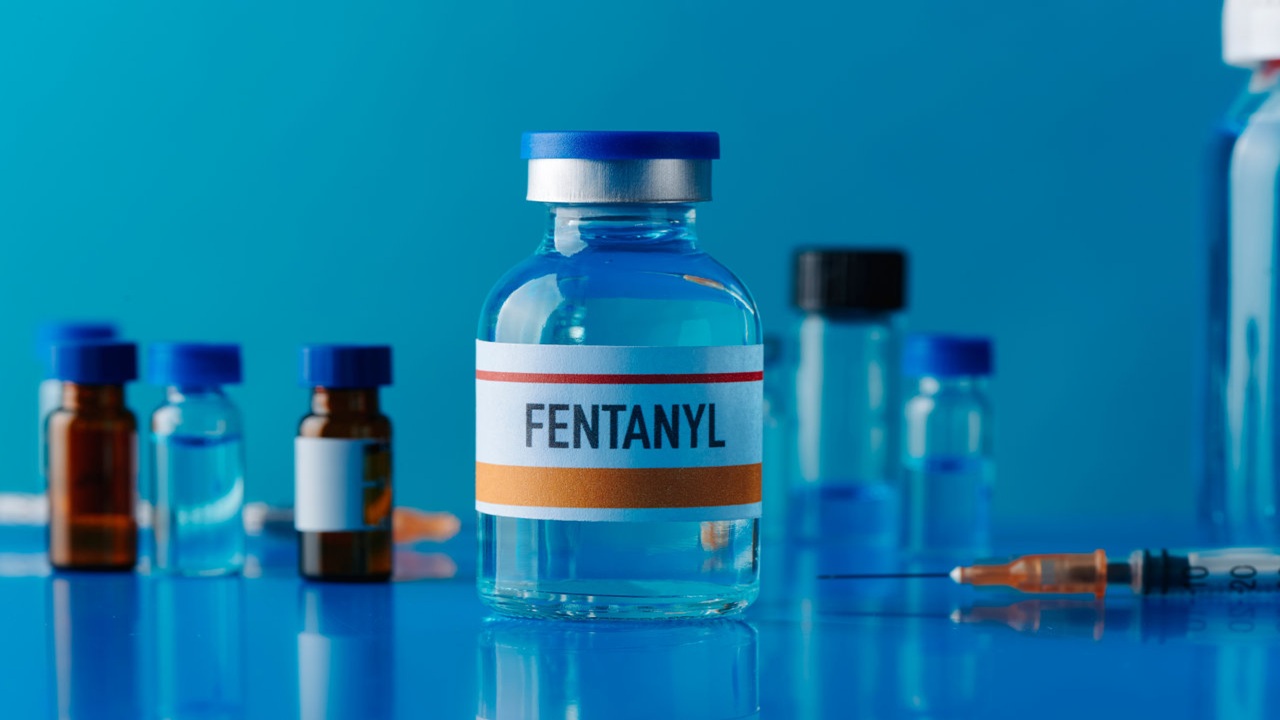
As overdose deaths tied to the fentanyl crisis continue to devastate families across Alabama and the nation, researchers at the University of Alabama at Birmingham have landed a major federal grant to test a low-cost prevention tool that could save lives before an overdose ever happens.
The grant comes at a timely moment. Alabama already has a diverse range of programs to address substance abuse, from local Narcotics Anonymous programs to large inpatient facilities. However, enhanced test strips can help ensure that even the most vulnerable residents in the Yellowhammer State have access to proven harm reduction tools.
The National Institute on Drug Abuse, part of the National Institutes of Health, awarded UAB researchers Karen Cropsey and Emma Kay a six-year grant of $5.3 million to run the first fully remote, nationwide trial testing whether fentanyl test strips can reduce overdose deaths. Cropsey is a professor of psychiatry in the Heersink School of Medicine, and Kay is an associate professor in the UAB School of Nursing.
The Opioid Crisis in the Deep South
Opioids consist of drugs that act on the brain’s opioid receptors to relieve pain but also slow breathing. An overdose occurs when that slowed breathing becomes dangerously shallow or stops altogether.
Synthetic opioids, primarily illicit fentanyl, remain the leading cause of fatal drug overdoses in the United States. Fentanyl is roughly 50x more potent than heroin and up to 100x stronger than morphine, with a lethal dose as small as 2 milligrams. Since it’s often mixed into counterfeit pills, heroin, or other substances without the user’s knowledge, many people who experience a fatal overdose never intended to take fentanyl at all.
The UAB Research Effort
Fentanyl test strips are inexpensive, single-use tools that can detect the presence of fentanyl in a drug sample within minutes, even those mixed with multiple drugs. Cropsey noted that while the strips are cheap and simple to use, many folks don’t know the strips exist or aren’t sure how to use them correctly. The new UAB study aims to close that gap by reaching participants remotely, removing barriers like transportation, stigma or lack of access to a local harm-reduction program.
Over six years, Cropsey and Kay will track whether providing people with test strips and education on how to use them actually changes behavior and reduces fentanyl-related overdoses. If the results are positive, the model could be scaled into a low-barrier, sustainable harm reduction program in communities far beyond Alabama.
Harm Reduction and Treatment for Opioid Addiction
People with narcotic addiction often have no reliable way to know whether the substance they’re using contains fentanyl until it’s too late. Test strips give users a moment to pause, reconsider or use with someone present who can respond to an overdose.
Naloxone, sold under the brand name Narcan, acts fast to reverse an opioid overdose within minutes when administered in time. It’’s now available without a prescription at most pharmacies.
Medication-assisted treatment can also reduce cravings and withdrawal symptoms for people working toward recovery from opioid addiction.
Group support also plays a critical role. Narcotics Anonymous meetings are right for people in recovery who need a free, judgment-free space to connect with others who understand the daily realities of narcotic addiction. NA chapters often act separately from clinical treatment settings.
Help for Opioid Addiction Beyond Alabama
If you or someone you love has a heroin addiction, prescription opioid misuse, or fentanyl exposure, don’t delay.
NA remains one of the most essential first steps. With NA, you stay in your community, network with your peers and neighbors, and form fellowship that lasts a lifetime. In-person and virtual Narcotics Anonymous meetings are held across the country every day of the week.
Simply call 800-934-1582(Sponsored) to speak with a specialist or look through our directory about opioid addiction treatment options today.