 800-861-9372

Border interdiction numbers don’t measure how safe the drug supply is, and a report from Texas illustrates the gap as smuggling continues. For anyone living or supporting those with opioid addiction, the practical takeaway from falling border statistics is smaller than the headline suggests. People along the Southern border region in Texas remain vigilant despite …
Texas Ranchers Say Smuggling Continues as Border Crossings Fall
Get Help Now 800-934-1582
 Sponsored
Sponsored
Border interdiction numbers don’t measure how safe the drug supply is, and a report from Texas illustrates the gap as smuggling continues. For anyone living or supporting those with opioid addiction, the practical takeaway from falling border statistics is smaller than the headline suggests.
People along the Southern border region in Texas remain vigilant despite a drop in border crossing statistics. Even though The Longhorn State features many inpatient programs and local organizations like Narcotics Anonymous, drugs still move through rural areas and South Texas ranchland.
The Numbers’ Actual Measurements
US Customs and Border Protection reports that illegal border crossings have declined significantly. As of January, they had fallen 84% from 2025.
That figure counts crossings, not drug seizures and not drug volume that enter the U.S. Being precise counts because a decline in one doesn’t establish a decline in the other. Indeed, overdoses among vulnerable Texan groups, such as in prisons, have skyrocketed.
Rio Grande City Police Chief Jose Solis described a slowdown in the drugs he sees locally, dating back to 2019 and 2020. The larger loads have decreased compared with when he started in 2007. Vehicle pursuits, once far more common, have quieted down.
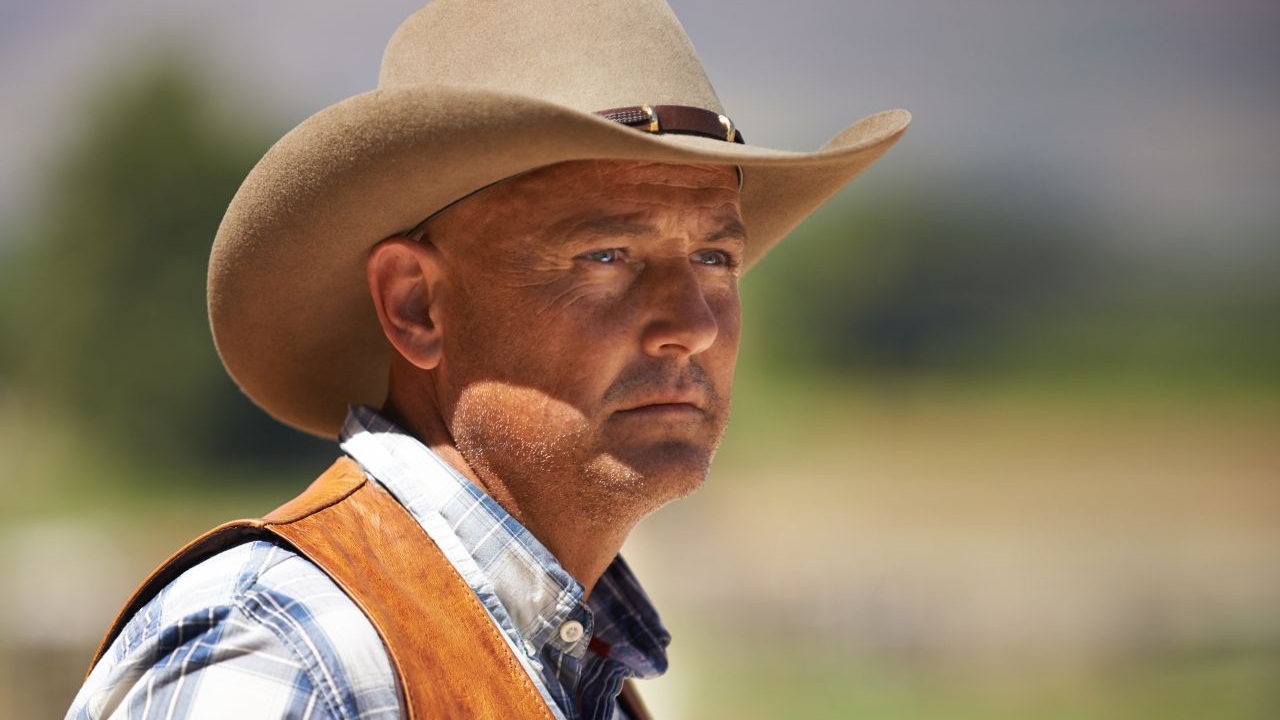
Mike Vickers, a Brooks County rancher, relayed that suspected drug carriers continue to move throughout the region. He described a camera detection that showed suspected drug dealers carrying backpacks. Further detections between Herbertville and Zapata feature others carrying backpacks along pipeline routes.
Those incidents aren’t daily, he clarified, but happen a few times each month.
Thus, drugs still enter the U.S. via two means. Large vehicle loads occur, but have declined, according to local law enforcement. Small volumes still cross on foot through ranchland according to the people who live there.
Analysis and Limitations
The source doesn’t report drug seizure totals, overdose figures for the region, or any data on what substances are involved. No claim can be made from it about fentanyl availability in any particular city, and none is made here.
This matters because interdiction is upstream of the problem people actually encounter. Supply reaching a given neighborhood, the potency of its contents, and any adulterants it contains are determined much closer to the point of sale than the border.
Opioids and Overdose Risk
Keep in mind the bigger picture. Opioids consist of prescription medications and illegal street drugs. Fentanyl is a synthetic opioid potent enough that very small amounts can suppress breathing and now turns up in substances people didn’t intend to buy.
An opioid overdose can stop a victim from breathing. Look for unresponsiveness, gurgling or choking sounds and discolored lips and fingertips. It’s a medical emergency, and the first step is to call 911.
Naloxone reverses opioid overdose. It works within minutes, and is safe to give even if you’re not certain opioids are involved because it causes no harm to someone who has not taken opioids. It doesn’t reverse non-opioid sedatives, so still call 911.
Harm Reduction and Treatment
Nothing about a shift in border enforcement changes what reduces individual risk, and the tools are the same ones as last year.
Naloxone belongs within reach of anyone who uses opioids and anyone close to them. Harm reduction organizations throughout Texas and pharmacies distribute it free or at low cost without a prescription.
Fentanyl test strips allow folks to check substances before taking them. They aren’t a guarantee but provide information not previously available.
Medication for opioid use disorder has proven to reduce overdose deaths. Meds work alongside peer support groups rather than instead of them.
NA Effective in Fighting Opioid Addiction
For anyone in South Texas or elsewhere looking for a next step, several cost nothing.
NA meetings are free and ask that you only show up and partake. Meetings run daily across the entire nation, in person and online, and Spanish-language meetings are widely available in border communities.
You can get started by browsing our directory. We feature NA chapters in all 50 states, searchable by community and city.
You can also dial 800-934-1582(Sponsored) for free and confidential guidance with our specialists. Also, remember that the 988 Suicide and Crisis Lifeline is reachable by call or text.
the Take-Away