 800-861-9372



A recent clinical trial has produced the strongest evidence yet that a common generic antidepressant can help reduce methamphetamine use. This is a significant development in narcotic addiction treatment as no FDA-approved medication currently exists for the disorder.
An impressive array of programs and services already addresses many facets of addiction, from grassroots Narcotics Anonymous peer support groups to inpatient care. However, these new findings offer a potential foothold in treating stimulant use disorder without a single approved pharmacological option.
The Opioid Crisis & the Broader Narcotics Epidemic
While fentanyl and opioid addiction have dominated public health headlines for over a decade, methamphetamine use has surged in parallel. Indeed, the two even overlap as illicit drug markets regularly involve polysubstance use. Deaths involving both methamphetamine and synthetic opioids like fentanyl have become alarmingly common in overdose data.
Yet unlike available medication assisted treatment for opioid addictions, methamphetamine use disorder has had no equivalent. Instead, providers have opted for psychosocial counseling, behavioral therapy and peer support. These approaches are effective, but limited.
The Mirtazapine Trial’s Findings
That’s where this new study comes in. From November 2022 to May 2025, six outpatient alcohol and drug clinics in Australia enrolled 339 adults with moderate to severe methamphetamine use disorder. These participants had used methamphetamine for around 24 days out of a month.
Led by Dr. Rebecca McKetin of the National Drug and Alcohol Research Centre at the University of New South Wales Sydney, the team learned that those who took mirtazapine stayed off meth for around 7 days, two days longer when compared to those who took the placebo.
“The exciting thing about our finding is that we’re able to confirm that mirtazapine, this generic antidepressant that’s widely available and quite cheap, can actually help people to reduce their methamphetamine use,” McKetin noted, adding that the drug has a “well-established safety profile.”
Narcotic Addiction Treatment & the FDA Approval Gap
Mirtazapine is already approved as an antidepressant and widely available as a low-cost generic. The medication addresses a key driver of relapse. Patients who attempt to quit methamphetamine often face severe mood swings, depression, and insomnia that push them back toward use and discourage them from trying to quit again. Mirtazapine’s sedating and mood-stabilizing properties may blunt those withdrawal symptoms enough to interrupt the cycle.
“At the moment, all of the treatment options we’ve got are psychosocial, and can be difficult to access,” McKetin noted. For general practitioners, she said, they can use mirtazapine “to help people who want to reduce their methamphetamine use, in addition to using it for depression, and they can do that fairly safely.”
Important Limitations
The trial’s authors were candid about the modest scope of the effect. McKetin acknowledged it showed “quite a small effect” on methamphetamine use, and noted that secondary depression, insomnia, HIV risk behavior, and quality of life showed no significant improvement.
Treatment effects were also impacted by side effects. Almost 25% of the mirtazapine participants stopped taking the drug due to side effects, compared to 15% on placebo. The most common adverse effects were drowsiness and weight gain.
“As researchers, we need to come up with something that has a stronger impact and a larger treatment effect,” McKetin observed.
What This Means for People in Recovery
For individuals navigating narcotic addiction, this research underscores how recovery is a medical process, not a moral failure, and the science of treating it continues to evolve. The most durable recoveries typically combine pharmacological support with peer connection, behavioral therapy, and community.
Narcotics Anonymous meetings offer exactly that kind of sustained peer support. Meetings are free, accessible, and available every day. For anyone with methamphetamine or opioid addiction, NA meetings provide a space to build the human connections that make long-term recovery possible.
To find an NA meeting near your location, take a look through our directory or call 800-934-1582(Sponsored) to get started and to explore options for recovery.

A team at Virginia Commonwealth University is flipping the script on how we fight the opioid crisis, not by fixating on where it’s worst, but by studying “bright spots” where communities are quietly winning. For the millions affected by opioid addiction across the country, their findings could offer a replicable path forward.
Virginia’s proud history has enabled residents to be resilient no matter what the circumstances. Indeed, the Old Dominion boasts a wealth of grassroots programs and peer support groups like Narcotics Anonymous and other support groups.
The Opioid Crisis by the Numbers
Nevertheless, more than five Virginians die each day from an opioid overdose, making fatal overdoses the state’s leading cause of unnatural death since 2013.
However, these aren’t just statistics. Behind every stat is a family shattered by fentanyl, heroin addiction, or prescription opioid misuse. They represent parents who won’t come home, children growing up without a guardian, and neighbors lost to a disease that does not discriminate by zip code.
The Bright Spots Research Model’s Findings
Rather than concentrating solely on overdose hot spots, VCU’s Dr. Jacqueline Britz and her team are identifying “positive deviants.” They find communities that are mitigating substance misuse much better than expected despite facing the same social and economics as their neighbors.
The methodology is data-driven and rigorous. For instance, by analyzing the Virginia All-Payer Claims Database alongside census data, Britz’s team has built a statistical model that looks beyond raw mortality and overdose rates. They identify which communities consistently outperform their expected opioid mortality over several years.
The concept draws on a public health framework called Positive Deviance, which was famously used to combat childhood malnutrition in Vietnam by finding low-income families whose children were nonetheless thriving. They then scaled what those families were doing differently and applied them to a broader area to change the surrounding environment. Today, Britz is applying the same logic to opioid addiction by replacing “what is wrong” with “what is already going right.”
A Toolkit Built for Communities Fighting the Opioid Crisis
The research isn’t sitting in a journal. Britz and her team developed the Virginia Opioid Abatement Toolkit, a first-of-its-kind, state-specific, evidence-based guide for cities and counties on how to deploy opioid abatement funds and coordinate with various partners. Thousands of visitors and users across Virginia have already accessed the toolkit’s guidelines.
The toolkit team has attended 100+ national and community events and participated in 67 city and county task force meetings. They assured that those in under-resourced communities have access to strategies proven to reduce opioid-related deaths.
The goal is for smaller communities who might lack resources to “feel like they have a seat at the table,” said Tyler Burton, the toolkit manager and a former health department opioid response coordinator. The toolkit is publicly accessible here.
What This Means for Opioid Addiction Treatment
The bright spots model reinforces what recovery advocates and Narcotics Anonymous members have known for decades: community-driven solutions work. For people in active opioid addiction, that community can start with a single NA meeting. Peer support, medication-assisted treatment (MAT), and naloxone access remain the most immediate life-saving tools available. Research like this helps communities invest in them more effectively.
If you or someone you love is struggling with narcotic addiction, proven options are available right now. You can look for an NA meeting in your area or call 800-934-1582(Sponsored) to meet with peers and take the first step towards a healthier future.

Milwaukee County recorded 383 opioid overdose deaths in 2025, the lowest annual total in a decade. It’s a rare and hard-won sign of progress in a city that lost nearly 5,000 people to the overdose epidemic between 2017 and 2025. What changed isn’t a mystery: a small team of firefighters, peer support specialists, and community partners decided to do things differently.
America’s Dairyland features a wide range of programs to battle opioid overdose, and for many residents in Milwaukee, hope often starts with community members and families. And that’s where change started from the ground up.
Milwaukee’s Opioid Crisis by the Numbers
The 383 fatal overdoses in 2025 represent Milwaukee County’s lowest number since 2016. That figure marks a dramatic reversal from the epidemic’s peak. From 2017 to 2025, nearly 4,600 people died due to drug overdoses across Milwaukee County. In 2022 alone, the county witnessed 674 fatal overdose deaths, fueled by widespread opioids, heroin, and other substances with fentanyl.
But then the numbers took an abrupt course. Fatality rates fell 30% in 2024, followed by a sharp drop in 2025, about a 50% decline over three years. Milwaukee’s decrease mirrors a nationwide trend tied to expanded treatment access, increased harm reduction efforts, and a shrinking fentanyl supply chain.
What’s Driving the Change in Opioid Addiction Deaths
The centerpiece of Milwaukee’s turnaround is the Milwaukee Overdose Response Initiative (MORI), a program built from scratch inside the city’s fire department. The team began by using the fire department’s access to 911 call data to identify people who survived an overdose within the last 24 to 48 hours, then went out to find those people and offer whatever help they needed.
That help was deliberately broad. “Help” didn’t necessarily mean pressuring someone into rehab, although the team connected people with treatment programs. It could mean getting someone clothes, food, naloxone and other harm reduction supplies, along with compassionate and nonjudgmental support.
The model was intentionally personal. Team members sat down for conversations, not interrogations. They dropped off birthday cupcakes at homeless encampments, gave people rides to psychiatric appointments, and helped families process the loss of loved ones.
Peer support specialist Amy Molinski, who joined the team through a medication-assisted treatment clinic, brought her own recovery experience to the work. Her presence helped overdose survivors feel met with dignity rather than shame. “When overdose survivors get greeted by someone in a uniform that doesn’t judge them, tries to take the shame out of what they’re doing and say ‘your life is worth saving’ — that means a lot,” Molinski noted.
Battling Fentanyl
Fentanyl, the synthetic opioid now found contaminating virtually every street drug supply, drove the surge that killed hundreds of Milwaukeeans annually at the height of the crisis. Its extreme potency—roughly 50-100x stronger than morphine—means that even a small, invisible quantity mixed into other drugs can cause a fatal overdose in seconds. Fentanyl is the leading driver of opioid overdose deaths nationally and locally.
Wisconsin legalized fentanyl and xylazine test strips, allowing people to check drugs for dangerous substances before use. This harm reduction measure is credited as a meaningful intervention. Knowing what’s in a substance doesn’t eliminate risk, but it can save a life.
Also on the front lines against opioids is Narcan, the nasal spray medication used to reverse an opioid overdose. It’s now found in Milwaukee bars, stores, and other public spaces, usually through free vending machines. Fire Lt. Jonathan Belott, MORI’s project manager, put it plainly: “Keep that Narcan flowing out there.”
The Milwaukee Overdose Response Initiative distributes “Hope Kits”—small pouches stocked with Narcan, fentanyl and xylazine test strips, and contact information for treatment centers, therapy, and groups like Narcotics Anonymous and Alcoholics Anonymous. Every single frontline firefighter is equipped with Hope Kits.
Peer Recovery and Finding Help for Opioid Addiction
Milwaukee’s model worked in part because it paired clinical resources with lived experience. Molinski, who battled her own heroin addiction before entering the peer support field, described how disconnection led her in; connection and hope brought her out. “My life was worth saving,” she recalled.
That message is exactly what Narcotics Anonymous meeting communities offer: spaces where people who have experienced narcotic addiction firsthand can share recovery with those still in its grip. NA meetings across Wisconsin are free, open to all, and require no commitment beyond showing up.
Narcotics Anonymous holds meetings throughout the Milwaukee metro area and throughout the entire state. To find a meeting near you, browse our comprehensive directory or call
800-934-1582(Sponsored)
today.

Opioid overdose deaths in the United States have fallen by nearly half since their peak in mid-2023. The drop represents the most significant reduction in the modern history of the opioid epidemic. For the millions of Americans living with narcotic addiction, or loving someone who does, the numbers demonstrate genuine, measurable progress.
Data totaled 46,066 opioid overdose deaths in the 12-month period ending in October 2025. The figure is barely more than half the peak of 86,075 recorded in June 2023 and the lowest total since April 2017. That 2023 peak was the deadliest moment in a fentanyl-driven crisis that devastated communities, overwhelmed emergency rooms, and upended families across the country.
The Opioid Crisis by the Numbers
The decline in opioid overdose deaths has been broad across racial and demographic groups. It’s a notable shift from earlier in the epidemic. Between 2019 and 2023, overdose rates had dropped only among white Americans while rising sharply among Black and Indigenous communities. The new CDC data shows declines across all groups.
Even older Americans, whose overdose fatality numbers had recently surged, saw an overall 25% decline.
Death rates had the steepest drops in West Virginia, Virginia and Florida. Deaths in Ohio dropped over 60%, from 4,300 in 2023 to 1,600 two years later. Not all states benefited, however, as Alaska, Arizona and Nevada had increased opioid overdose deaths.
What is Driving the Drop in Fentanyl Deaths
Experts point to a disruption in the fentanyl supply chain as the most likely primary driver. A crackdown in China on materials used to manufacture illicit fentanyl coincided closely when U.S. deaths began declining in 2023. This supply disruption, and not enhanced U.S. border enforcement or other interdiction efforts, is the most probable explanation for the decline.
The Drug Enforcement Administration reported that close to 30% of the pills seized in 2025 contained lethal doses of fentanyl, down from over 75% in 2023. The DEA attributed this directly to reduced potency and purity in the illicit supply that correlate directly with fewer synthetic opioid deaths.
Stanford University health policy professor Keith Humphreys and a team of researchers agreed. They identified a measurable fentanyl “drought” on social media channels like Reddit at nearly the same time overdose deaths started to fall. The researchers believed that China’s greater scrutiny of precursor chemical production and removal of online advertisements and several chemical marketplaces were likely the reason behind the fentanyl drought and saved lives.
Fentanyl Supply Changes & New Dangers
The weakening fentanyl supply isn’t without serious complications. In Ohio, people with fentanyl addiction have increasingly turned to pills spiked with animal tranquilizers or so-called “z-drugs” that cause severe addiction. The concoction is so powerful that traditional detox protocols have struggled to manage them.
RecoveryOhio director Erin Reed oversees the state’s efforts to reduce overdose deaths. Reed described the broader positive trends while acknowledging the changing landscape on the ground. Reed noted reductions in emergency room visits alongside violent crime rates and recidivism.
But the drop is fragile and maybe temporary. Humphreys and his co-authors wrote that demand for fentanyl remains strong, even as the supply chain slows. Humphreys asserted that officials can take the opportunity “to ramp up the prevention and treatment programs that have evidence of decreasing demand.”
Finding Help for Opioid Addiction
Even when people aren’t ready for treatment, that kindness builds trust and can reduce theft and criminal activity that leads to arrests. Others stand ready to assist with overdose medications such as naloxone and other self-harm reduction training.
This peer-driven, compassionate outreach model is central to what Narcotics Anonymous and similar recovery communities provide. NA meetings offer the same consistency and human connection at no cost, with no referral required.
If you or someone you love is fighting narcotic addiction, support is available right now. Call
800-934-1582(Sponsored)
or look through our directory to find a support group or local NA meeting today.

Many studies focus on opioid use, but there’s a hidden opioid epidemic affecting the most vulnerable: babies exposed to opioid addiction during pregnancy.
Opioid exposure during pregnancy, whether tied to opioid addiction or prescription use, can shape a child’s physical and emotional development. It also influences how they function at school and in everyday life.
Opioid Addiction During Pregnancy: A Growing Crisis
A recent study by Gaëlle Simard-Duplain and Jonathan Zhang analyzed 20 years of data on narcotics effects on pregnancy. They tracked almost 900,000 births in British Columbia to identify babies exposed to opioids before birth.
Highlighting that this isn’t only a Canadian issue, the study found that an estimated 95,000 infants in the U.S. may have been affected in 2023 by prenatal opioid use. Many of these children had dependencies on opioids while still in the womb.
Long-Term Effects of Prenatal Opioid Exposure
According to the study, children exposed to opioids before birth were more likely to need healthcare services that go beyond routine wellness visits.
The path to recovery may include inpatient and outpatient addiction treatment, including medications used to manage opioid dependence.
These children may need more medical visits than the average child, but the number of visits adds to increased overall cost of healthcare. The impact can follow a child through their teen years.
Prenatal opioid exposure is also linked to education and may contribute to struggles at school. These kids often need extra help in school, including special educational services to manage physical or developmental challenges.
They often have a harder time keeping up with other children in terms of learning and meeting grade level expectations.
Early Intervention and Opioid Addiction Treatment Options
Researchers emphasize the importance of early care and intervention. Screenings during pregnancy and access to opioid addiction treatment can improve outcomes for both mother and child.
Timely support can interrupt the cycle of addiction before it impacts the next generation.
If opioid use or opioid addiction has become part of your pregnancy journey, reaching out for help today can make a significant difference. Treatment and support can protect your health while giving your baby the strongest possible start in life.
One big step you can take now is to connect with peers who can understand your experience and offer unconditional support.
Search Narcotics.com’s directory to find a Narcotics Anonymous meeting in your area. You can also call 800-934-1582(Sponsored) for immediate assistance.

Native Appalachian author Barbara Kingsolver has opened a new center focused on women’s opioid recovery in Virginia. Kingsolver won the 2023 Pulitzer Prize for Demon Copperhead, a novel about Appalachia’s opioid addiction crisis.
Now she is opening Higher Ground Women’s Recovery Residence in Lee County, Virginia, which provides a stable home for women who are learning to live sober after release from incarceration or inpatient substance abuse treatment centers.
Witnessing the Devastation
As a native Appalachian who lives on a farm in southwestern Virginia, Kingsolver knows firsthand how the national opioid epidemic “has changed so much of the texture of this place.” She has witnessed the devastation wrought by the pharmaceutical industry’s targeting of central Appalachia with sales of falsely proclaimed addiction-resistant prescription painkillers.
In the author’s words, “They came to harvest our pain when there was nothing else left.”
Desperately Needed Recovery Services
In the process of researching for Demon Copperhead, Kingsolver delved deeply into the real life stories of individuals struggling with addiction and the loved ones who are often their caregivers.
The facility Kingsolver has opened in response to those stories, funded by proceeds from her Pulitzer-winning novel’s overwhelming success, offers desperately needed services to a region that has been ravaged by the opioid crisis.
Higher Ground fosters a safe and welcoming environment for healing from substance abuse, with private and semi-private bedrooms, a shared kitchen and a communal den. Perhaps most importantly, the center has helped to create a tight-knit support system of women who understand each other and the destructive impact of addiction on families and communities.
Figuring it Out Together
This past June, an audience gathered at the Lee Theatre in Pennington Gap, Virginia to celebrate the center’s opening. When Kingsolver invited current residents onstage to share their experiences, they were more interested in discussing the bonds they have forged with housemates and staff members.
35-year-old Syara Parsell, one of the center’s first residents, has already found work and enrolled in college classes. She says, “Together, we figure it out.” As Kingsolver says, in the end, the benefit to residents of the center “is not just sobriety, but belief in themselves.”
Finding NA Meetings
One of the best tools for achieving long-term recovery is meeting with like-minded people who are also sober.
You can find NA meetings in your area or call 800-934-1582(Sponsored) today.

Ed smokes five cigarettes a day and wants to quit. Peter has become dependent on opioids and wants to break his addiction. David is ready to give up alcohol, which has taken over his life. All three men are considering quitting cold turkey. They are ready to be done with their addictions, so they want to stop using the substance immediately. Does quitting cold turkey work?
Is this a good idea? It might be ok for Ed, but Peter and David may want to reconsider.
Depending on their history of use, quitting cold turkey may be a shock to their systems and cause withdrawal. General withdrawal symptoms can include:1
- Cravings
- Headaches
- Shaking
- Nausea
- Anxiety
- Sleep issues
- Appetite changes
- Agitation
- Concentration issues
- Sadness
Can You Die from Quitting Cold Turkey?
With certain substances, withdrawal effects can be severe or even life-threatening. The body has become dependent on the drug, and an abrupt “cold turkey” approach could be dangerous if the person doesn’t receive treatment.
Here’s a breakdown of what happens with various types of substances:
Nicotine
There are no serious health risks if Ed wants to quit smoking cold turkey. However, he may have better success if he does this with support. A study found that only 3-5% of individuals who tried to quit cold turkey without help achieved long-term abstinence from nicotine.2
Alcohol
David has severe alcohol dependency. If he quits cold turkey, there are severe health risks. Alcohol withdrawal can include delirium tremens (DTs). These can start within two days of stopping alcohol cold turkey and can last up to five days. Without appropriate treatment, the mortality rate for DTs can be as high as 37%.3
DT symptoms can include:4
- Hallucinations
- Loss of consciousness
- Severe confusion
- Extreme hyperactivity
- High blood pressure
- Seizures
- Disruptions to cardiovascular function
Opioids
Like David, Peter may be putting his life in danger if he abruptly quits opioids without treatment. Opioid withdrawal typically causes flu-like symptoms. This includes vomiting and diarrhea. If severe, these can cause dehydration, which can lead to chances of heart failure.5
Other Drugs
Other drugs, such as meth and benzodiazepines, can cause similar withdrawal symptoms, including seizures, dehydration, heart issues, and psychotic reactions.6 If untreated, these can be life threatening.
Alternatives to Quitting Cold Turkey
Fortunately, there’s good news for Peter and David (and Ed, too). To avoid these physical dangers of quitting cold turkey, and to increase their chances of long-term success, they can turn to an alternative method of quitting the substance.
Their options include:
Tapering
Rather than stop taking opioids all at once, David can partner with a physician or other healthcare provider to taper off the drug. This involves slowly reducing the amount he takes over time until he eventually stops taking opioids completely.
The length of time it takes to taper off a drug depends on how long you’ve been using it and how much you’ve been using. It can take a few weeks or a few months to complete this process, but it can provide a safer and more effective long-term solution than quitting cold turkey.
Medication
To quit smoking, Ed can use nicotine replacement therapy (NRT). He may choose patches, sprays, or gum to prevent withdrawal symptoms. One study found that NRT can increase the chances of successfully quitting smoking by up to 70%.4
Medications are also available to help stop or reduce alcohol use. The FDA has approved acamprosate, naltrexone, and disulfiram for the treatment of alcohol use disorder. Disulfiram and naltrexone alter how alcohol is processed in the body to make drinking less appealing, and acamprosate can help ease withdrawal symptoms.7
Several drugs are also FDA-approved for the treatment of opioid use disorder: naltrexone, buprenorphine, and methadone.8 The use of these medications to stop using drugs or prevent relapse is known as medication-assisted treatment (MAT).
Medical Detox
To safely withdraw from drugs or alcohol, David and Peter can find a medical detox program. During medical detox, medical professionals offer treatment for withdrawal symptoms and provide 24/7 supervision to prevent complications. This may include sedation or other medications to help David get through the most severe, initial phase.
Medical detox usually lasts several days. When it’s complete, David’s body will be cleansed of alcohol, and he can begin his life of recovery. Medical detox programs are available for all types of substances, so Peter can also choose this method to detox from opioids.
Social Detox
This method can involve quitting cold turkey, but it’s done with support. If Peter’s symptoms aren’t life-threatening, he may find a social detox program where he can be monitored by professionals and receive counseling to help him through his withdrawal symptoms. This method does not involve the use of medication.
Cold Turkey Support
If Ed, Peter, or David choose to go “cold turkey,” it’s crucial that they get support. This may include formal services such as the medical detox described above, but it can also include other types of support. Many resources are available, including:
- Counseling
- Smartphone apps
- Support groups
- Medication
- Drug rehab programs
Does quitting cold turkey work? The bottom line: Yes, quitting cold turkey can work, but depending on the substance, you may need additional support to do so safely and effectively.
If you or someone you love is experiencing a substance use disorder, help is available. Call 800-934-1582(Sponsored) today to learn about your treatment options.
Sources:
- Withdrawal management. (2009, January 1). NCBI Bookshelf. https://www.ncbi.nlm.nih.gov/books/NBK310652/
- World Health Organization: WHO. (2023, January 4). No level of alcohol consumption is safe for our health. World Health Organization: WHO. https://www.who.int/europe/news/item/04-01-2023-no-level-of-alcohol-consumption-is-safe-for-our-health
- Rahman, A., & Paul, M. (2023, August 14). Delirium tremens. NCBI Bookshelf. https://www.ncbi.nlm.nih.gov/books/NBK482134/
- Rowden, A. (2021, March 23). The risks and benefits of quitting “cold turkey.” Medical News Today. https://www.medicalnewstoday.com/articles/is-it-bad-to-quit-cold-turkey
- Yes, people can die from opiate withdrawal. (n.d.). NDARC – National Drug and Alcohol Research Centre. Retrieved March 1, 2024, from https://ndarc.med.unsw.edu.au/blog/yes-people-can-die-opiate-withdrawal
- Ashenafi, W., Mengistie, B., Egata, G., & Berhane, Y. (2021). The role of intimate partner violence victimization during pregnancy on maternal postpartum depression in Eastern Ethiopia. SAGE Open Medicine, 9, 2050312121989493. https://doi.org/10.1177/2050312121989493
- Medications for alcohol dependence. (n.d.). WebMD. Retrieved March 1, 2024, from https://www.webmd.com/mental-health/addiction/features/fighting-alcoholism-with-medications
- (DCD), D. C. D. (2018, April 18). How do medications treat opioid addiction? HHS.Gov. https://www.hhs.gov/opioids/treatment/medications-to-treat-opioid-addiction/index.html
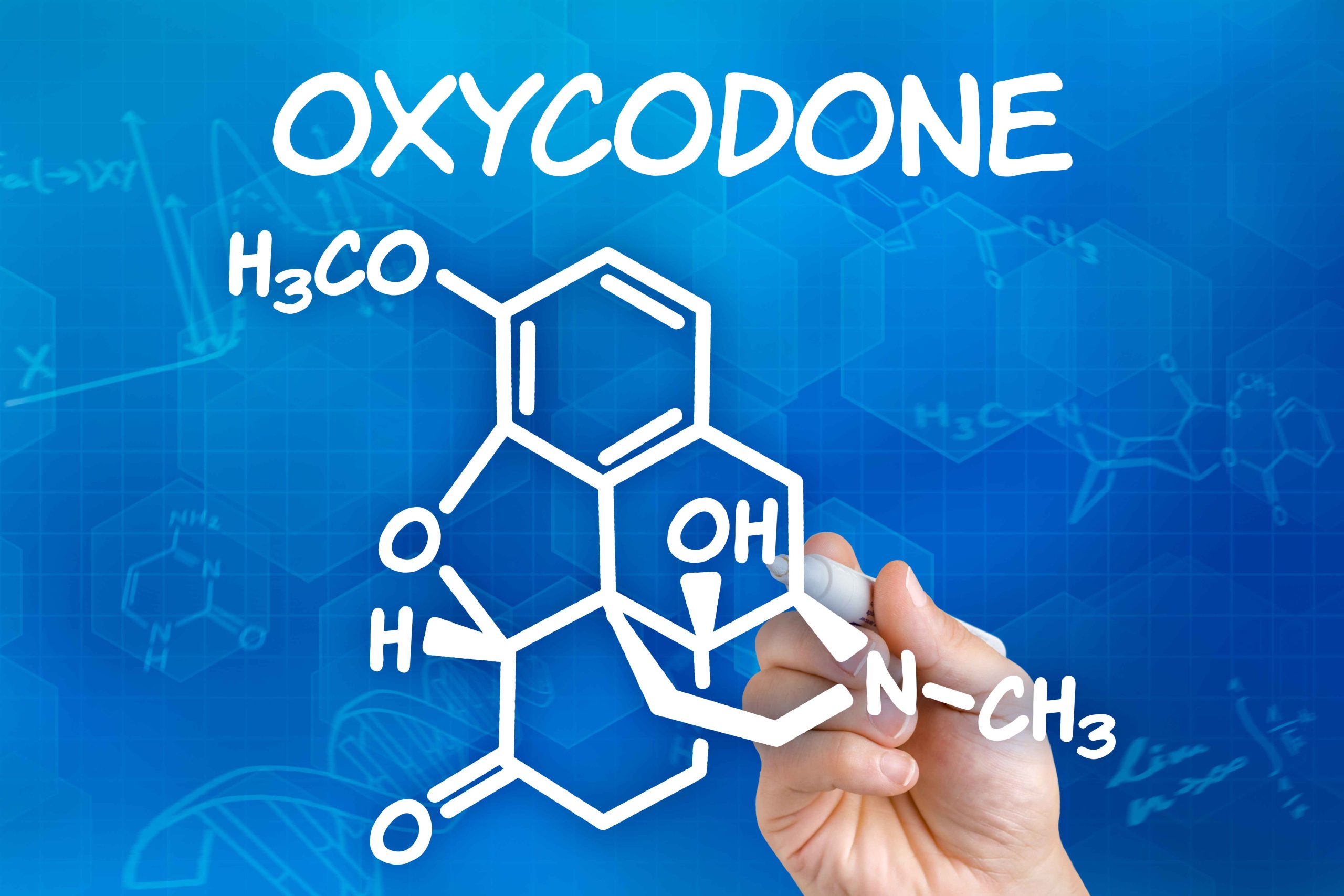
Lily never planned on becoming addicted to oxycodone. Instead, she’d planned on running a marathon. But her life took an unexpected turn when she tripped during a morning jog and injured her knee. The pain was intense, and her doctor prescribed oxycodone to manage that pain.
Unfortunately, the oxycodone wasn’t enough to control Lily’s agony. She took more than the recommended dosage several times, just to take the edge off. And even though she told herself she had nothing to worry about, Lily really liked the feelings of euphoria the drug provided. She couldn’t run anymore, so she was feeling depressed. She secretly welcomed the opioid high.
Oxycodone Addiction and Opioid Detox
Lily started taking more oxycodone pills – and she took them with increasing frequency. She needed more of the drug in order to make her feel the desired high. Then one day, she ran out of pills.
That’s when Lily got sick.
Her muscles cramped up, she had a headache, she felt nauseated, and she was sweating profusely. She searched her symptoms online and quickly realized she had become physically dependent on the opioid painkiller.
The steady supply of opioids was no longer there, and her body’s systems were reacting with a fierceness in the drug’s absence. Lily understood in that moment she experiencing oxycodone withdrawal.
Symptoms of Oxycodone Withdrawal
Some of the typical symptoms people experience when they quit oxycodone include:1
- Muscle cramps
- Vomiting and nausea
- Diarrhea
- Cold and hot flashes
- Anxiety
- Trouble sleeping
- Sweating
- Headache
- Watery eyes and nose
Note: It is possible to become physically dependent on oxycodone when you take it as prescribed. Your body gets used to the presence of the drug, so when you stop taking oxycodone, you can experience withdrawal.2
What Happens After You Quit Oxycodone?
How long do the withdrawal symptoms last once you quit oxycodone? The process usually unfolds in the following timeline:
- Days 1-2: Initial withdrawal: Symptoms usually start 8-12 hours after the last dose of oxycodone.
- Days 3-5: Intensified withdrawal: Symptoms are usually at their worse during this time. Muscle aches are common, along with shaking and cramps.
- Days 6-7: Psychological withdrawal: At this point, physical symptoms lessen, and psychological symptoms grow stronger. Depression and anxiety are common.
- Days 8 and beyond: Detoxed: After eight to 10 days, oxycodone has usually been purged from the body (detoxed). Physical symptoms are gone. However, psychological addiction may still be present. If this is the case, you should seek additional treatment.
Is it Safe to Stop Oxycodone Cold Turkey?
Because she ran out of pills, Lily abruptly stopped taking oxycodone. Quitting cold turkey like this can produce very distressing symptoms, both physical and emotional.
For people who have other health conditions, the body’s physical reaction can cause serious issues. Even in healthy individuals, severe vomiting and diarrhea can cause life-threatening dehydration. And many people start using the drug again in a desperate attempt to make the oxycodone withdrawal symptoms stop.
To prevent this unhealthy cycle, it is usually best to taper off oxycodone as part of a professional opioid addiction treatment program. This is what Lily decided to do.
What’s the Process of Weaning Off Oxycodone?
Lily consulted with her doctor to develop an oxycodone tapering plan that worked for her. This plan would slowly wean her off the drug, minimizing withdrawal symptoms and helping Lily adjust to daily life without oxycodone.
Tapering plans typically include the following important steps when weaning off oxycodone:1
- Flexible approach: The plan for tapering off oxycodone must consider the person’s risk, preferences, and goals.
- Initial decrease: The amount of the dosage decrease is less important than successfully achieving some form of initial decrease.
- Dose and interval: Tapering off oxycodone involves two separate processes: dose amount and the interval between doses. One or both can be adjusted throughout the weaning process.
- Slow progress: A slow taper is 5-10% dose reduction per month. This may be necessary if you’ve been using oxycodone for more than a year. A faster taper decreases doses by 10% per In extreme cases, where there is medical risk due to other conditions, a decrease of 30-50% may be appropriate. But this requires close monitoring.
- Scheduled dosing: If possible, it’s good to continue with the same dosing schedule. For example, if you’re used to taking prescribed oxycodone in the morning, continue to take it then.
- Pauses: Putting the tapering process on pause may be appropriate at some point in the process. This break gives you time to adjust to the new dosage and learn new coping skills.
- Progress: Tapering off oxycodone is considered a success as long as you’re making progress by reducing your oxycodone use.
- Support: During the weaning process, social support, mental health care, and physician supervision are important. Lily began seeing a counselor to help with her anxiety and depression.
- Healthy habits: Lily also benefited from developing ways to manage pain and maintain a healthier lifestyle. These included:
- Good sleep habits
- Healthy nutrition
- Physical activity
- Non-opioid pain medications
Medical Detox Helps You Successfully Quit Oxycodone
Sometimes, medications are used to help people detox from oxycodone. These FDA-approved treatments can help reduce oxycodone withdrawal symptoms and cravings. A healthcare provider prescribes the medication and closely monitors the patient’s progress. For some, this medical support can be the key for how to quit oxycodone.
Medical detox may involve one or more of the following medications:
- Buprenorphine: This is prescribed for moderate to severe oxycodone withdrawal. It reduces the person’s cravings for oxy and provides relief for withdrawal symptoms.3
- Methadone: This medication also reduces cravings and alleviates oxycodone withdrawal. It is used for medical detox from opioids that are longer acting, such as morphine.3
- Suboxone: This medication is a combination of buprenorphine and naloxone. It prevents cravings and blocks the intoxication effects of other opiates.4
- Other Medications: There are a number of drugs used during the detox process to treat withdrawal symptoms. Healthcare providers may prescribe medication to treat insomnia, nausea, diarrhea, and abdominal cramps. These may include temazepam, metoclopramide, and propantheline.3
Sources:
- Sarah.Rinn,. (n.d.). Tapering and discontinuing opioid use. Minnesota Opioid Guidelines. Retrieved November 29, 2023, from https://mn.gov/dhs/opip/opioid-guidelines/tapering-opioids/
- Doj/dea. (n.d.). Drugs of Abuse, A DEA resource guide (2020 edition). Retrieved November 30, 2023, from https://www.dea.gov/sites/default/files/2020-04/Drugs%20of%20Abuse%202020-Web%20Version-508%20compliant-4-24-20_0.pdf
- Withdrawal management. (2009, January 1). NCBI Bookshelf. https://www.ncbi.nlm.nih.gov/books/NBK310652/
- Grinspoon, P. (2018, March 20). 5 myths about using Suboxone to treat opiate addiction. Harvard Health. https://www.health.harvard.edu/blog/5-myths-about-using-suboxone-to-treat-opiate-addiction-2018032014496

Suboxone withdrawal is worse than heroin withdrawal.
No one has ever been able to successfully taper off Suboxone.
Tapering off Suboxone is something that’s shrouded in both mystery and myth. While the thought of stopping the medication certainly generates a bit of anxiety, the unknowns and “what ifs” are truly the drivers of fear. What will it feel like when your Suboxone dose is decreased? Will it feel like you’re in withdrawal 24/7? Will anyone help you if the taper is going too fast?
By answering the what ifs and shining a light on the unknowns, tapering off Suboxone suddenly becomes a lot less frightening. Once the fear is under control, you’re free to play a leading role in your own recovery process.
What is a Suboxone Taper?
 First thing’s first; let’s talk about what a Suboxone taper is and why it’s so important. Tapering is defined as gradually discontinuing or reducing the dose of a particular drug required by a patient over a prolonged period of time. Pay close attention to those last six words: “…over a prolonged period of time.”
The process of tapering is, by definition, meant to be slow.
Suboxone is an FDA-approved medication that has changed the way opioid addiction is treated. Its unique combination of two distinctive chemical compounds – buprenorphine and naloxone – give it the ability to virtually eliminate opioid withdrawal symptoms and minimize the risk of abuse. It takes time to recover from opioid use disorders, so most patients take Suboxone for an extended period of time.
Since buprenorphine is a partial opioid agonist, it does carry a risk of dependency. Given this risk, when you’re ready to stop taking Suboxone, a supervised taper is always recommended.
Trying to quit “cold turkey” without assistance can be dangerous and cause painful withdrawal symptoms, both of which increase your odds of relapse. A supervised taper, on the other hand, significantly lowers or eliminates withdrawal symptoms and prepares your body for life beyond Suboxone.
What to Expect During a Suboxone Taper
The road to a successful Suboxone taper begins with open, honest dialogue between you and your clinician. From those conversations, you will work together to develop a plan to reduce the amount of Suboxone you take. The result is a tapering schedule that is highly individualized and focused on your personal needs instead of being focused on adherence to one specific approach.
Your dosage can be lowered a little bit at a time over several days, weeks, or even months. According to the National Alliance of Advocates for Buprenorphine Treatment (NAABT), Suboxone should generally be lowered in increments of 2 mg at a time every few days. Keep in mind, however, this progress relies on your level of dependence and individual experience. If you’re on a well-structured tapering schedule, you should only feel mild withdrawal symptoms for a few days following a reduction in dose.
If, at any point during the taper, your withdrawal symptoms or cravings become more intense, talk to your clinician. He or she can readjust your dose or slow the taper. You may need to go back to a previous dosage level in order to stabilize or increase the amount of time in between dosage reductions.
In some cases, a medication called Naltrexone may be used after you’ve tapered off Suboxone. Naltrexone is an opioid antagonist medication that works by blocking the effects of opioids. When used after the Suboxone tapering process, it offers additional anti-craving properties that can strengthen long-term sobriety. If used before the Suboxone taper is complete, however, Naltrexone can cause precipitated withdrawal.
Getting Help With Your Suboxone Taper
Some people might tell you that getting off Suboxone is impossible – that no one can handle the withdrawals or function without the medication. Thankfully, that isn’t true. With proper treatment and support, you can successfully taper off Suboxone.
 How do we prevent opioid-related deaths?
Opioid-related overdose deaths continue to rise. But the public doesn’t want to deal with the problem in their city. Data from the Centers for Disease Control and Prevention show that overdose deaths rose nearly 30 percent in 2021.
The pandemic has only exacerbated the opioid crisis. And the crisis doesn’t have an end in sight, as newer, more potent opioids hit the street.
Public health officials are scrambling for solutions and agencies are increasing access to medication-assisted treatment. Communities are still largely opposed to methadone clinics in their town or city. This line of thinking is called “Not In My Neighborhood,” which is known by its acronym: NIMBY.
The only thing it’s doing is creating barriers to public health harm reduction efforts for the opioid epidemic.
Harm Reduction Helps Prevent Opioid-Related Deaths
 Harm reduction services like methadone clinics, safety syringe exchanges, and even safe consumption sites are resisted in almost every city.
Sophia lives in New York City. She believes that the implementation of a safe consumption site is a disaster to the city.
“New York is already rife with addiction,” she says. “Bringing a ‘safe consumption site’ will only encourage addicts to swarm neighborhoods to use drugs, bringing crime, violence, and antisocial behavior to the city. I don’t want anything like that in my neighborhood!”
Those concerns are valid, and public safety concerns are important. However, Sophia does not get the full picture. However, medical professionals and researchers are working to shed light on the issue.
The Real Help of Harm Reduction
Dr. C. Debra M. Furr-Holden is an associate professor in the Bloomberg School of Public Health’s Department of Mental Health. She studies the effects of treatment centers on crime. Her Johns Hopkins Bloomberg School of Public Health research suggests there may actually be less serious crime near clinics than other community businesses. In fact, the research shows that drug treatment centers actually attract less crime than liquor stores and convenience stores.
Kathryn Stadeli is a surgical resident at the University of Washington. She is acutely aware of the effects of opioid-related overdoses in the state of Washington. She tells the Seattle Times that overdose-related deaths from fentanyl rose 70 percent in 2018 compared to the previous year.
Stadeli sees many of these deaths firsthand. She feels powerless over them.
“Unfortunately, opioid use disorder (commonly known as addiction) is not a disease I can cut away with a scalpel,” she says.
She suggests, however, that the use of certain medications can reduce the rate of opioid-related deaths by a staggering 50 percent. This method of treating opioid addiction is known as — known as medication-assisted treatment.
The problem: access.
Seattle, like many other cities, needs more medication-assisted treatment centers, like methadone clinics.
Stadeli talks about “Sarah,” whom she treated for a potentially deadly skin infection from injecting opioids. She explains that Sarah developed opioid use disorder after taking oxycodone for a sports injury. Like millions of other Americans who weren’t able to refill their prescription, Sarah turned to injecting heroin and fentanyl.
“I held her trembling hand as we wheeled her to the operating room; the fear invading her beautiful brown eyes when she asked me if she was going to die still haunts me,” Stadeli recalls.
Sarah had struggled to quit using on her own. Despite desperately wanting help, her situation and lack of housing meant that she wasn’t able to access the treatment she needed. Tragically, Sarah died from that infection shortly after her encounter with Stradeli.
“She was 22, and opioids killed her. Deaths like hers are preventable and unacceptable,” says the surgical resident.
The Benefits of Harm Reduction Services
Stadeli underscores the already substantial empirical evidence that that MAT is a far more successful treatment of opioid use disorder than alternatives, like rehab, resulting in less likelihood of overdoses. Those aren’t the only benefits.
The Substance Abuse and Mental Health Services Administration (SAMHSA) demonstrated that medication-assisted treatment:
- Improves patient survival
- Increases retention in treatment
- Decreases illicit opioid use and other criminal activities among people with substance use disorders
- Improves birth outcomes among pregnant women with substance use disorders
- Increases patients’ ability to gain and maintain employment
Yet, stereotypes about people who need medication, like methadone, persist. This stigma is a major barrier to treatment. This is why less than 10 percent of those with substance use disorder get the help they need.
In fact, research from the Recovery Research Institute shows that this stigma impacts the quality of care and how people with substance use disorders are treated.
Reducing Stigma to Prevent Opioid-Related Deaths
 Given that level of stigma, it’s understandable why folks don’t seek help. And trying to quit on their own is an uphill battle with low rates of success. Added to that stigma is the public perception of bringing medication-assisted treatment centers to their communities, like Sophia mentioned.
Yet the evidence, like in Furr-Holden’s study shows the opposite to be true. Harm reduction facilities, like syringe exchange programs, methadone clinics, and other treatment facilities actually reduce the burden on the local economy by:
- Lowering rates of transmissible diseases, like HIV and hepatitis B and hepatitis C
- Reduce emergency department admissions
- Increased life expectancy and reduces overdose
- Improved access to treatment facilities and subsequently recovery
- Provided access to other critical services like housing and medical care
- Decreased the likelihood of engaging in criminal activities
- Reduced use of opioids
- Improved the likelihood of obtaining housing and employment
- Improves birth outcomes
Despite these overwhelmingly positive outcomes, being treated with methadone is still highly stigmatized. Most patients feel like they’re “dirty” for accessing this help.
How Can Destigmatizing Harm Reduction Services Prevent Opioid-Related Deaths?
Sarah Church, PhD, is the executive director of the division of substance abuse at the Albert Einstein College of Medicine. She mentions a quote from her colleagues, Murphy and Irwin, in a recent training:
After ten years of interviewing women and men in various stages of their methadone maintenance careers, recurring themes emerged, one of which was that being a methadone patient is a marginal identity; not quite junkie, not quite conventional. Clients’ efforts to manage this stigmatized identity were often shrouded in anguish and secrecy. Methadone patients were in a kind of identity limbo; a holding pattern between two extremely different social worlds. They were trying to affect an identity transformation; however, in many circumstances they were still associated with and defined by their ‘dirty secret.’
Prevent Deaths by Preventing NIMBY-ism
So, why we are still stigmatizing and resisting the very solutions to the opioid crisis because we don’t want it in our neighborhood?
Many would argue that, perhaps the solution to the opioid crisis isn’t only an increase in treatment facilities, particularly medication-assisted treatment facilities, but also the critical work of destigmatizing people with mental health disorders? What are your thoughts on the issue?
If you or someone you love is experiencing a substance use disorder, help is available. Call 800-934-1582(Sponsored) today.