 800-861-9372


Opioid overdose deaths in the United States have fallen by nearly half since their peak in mid-2023. The drop represents the most significant reduction in the modern history of the opioid epidemic. For the millions of Americans living with narcotic addiction, or loving someone who does, the numbers demonstrate genuine, measurable progress.
Data totaled 46,066 opioid overdose deaths in the 12-month period ending in October 2025. The figure is barely more than half the peak of 86,075 recorded in June 2023 and the lowest total since April 2017. That 2023 peak was the deadliest moment in a fentanyl-driven crisis that devastated communities, overwhelmed emergency rooms, and upended families across the country.
The Opioid Crisis by the Numbers
The decline in opioid overdose deaths has been broad across racial and demographic groups. It’s a notable shift from earlier in the epidemic. Between 2019 and 2023, overdose rates had dropped only among white Americans while rising sharply among Black and Indigenous communities. The new CDC data shows declines across all groups.
Even older Americans, whose overdose fatality numbers had recently surged, saw an overall 25% decline.
Death rates had the steepest drops in West Virginia, Virginia and Florida. Deaths in Ohio dropped over 60%, from 4,300 in 2023 to 1,600 two years later. Not all states benefited, however, as Alaska, Arizona and Nevada had increased opioid overdose deaths.
What is Driving the Drop in Fentanyl Deaths
Experts point to a disruption in the fentanyl supply chain as the most likely primary driver. A crackdown in China on materials used to manufacture illicit fentanyl coincided closely when U.S. deaths began declining in 2023. This supply disruption, and not enhanced U.S. border enforcement or other interdiction efforts, is the most probable explanation for the decline.
The Drug Enforcement Administration reported that close to 30% of the pills seized in 2025 contained lethal doses of fentanyl, down from over 75% in 2023. The DEA attributed this directly to reduced potency and purity in the illicit supply that correlate directly with fewer synthetic opioid deaths.
Stanford University health policy professor Keith Humphreys and a team of researchers agreed. They identified a measurable fentanyl “drought” on social media channels like Reddit at nearly the same time overdose deaths started to fall. The researchers believed that China’s greater scrutiny of precursor chemical production and removal of online advertisements and several chemical marketplaces were likely the reason behind the fentanyl drought and saved lives.
Fentanyl Supply Changes & New Dangers
The weakening fentanyl supply isn’t without serious complications. In Ohio, people with fentanyl addiction have increasingly turned to pills spiked with animal tranquilizers or so-called “z-drugs” that cause severe addiction. The concoction is so powerful that traditional detox protocols have struggled to manage them.
RecoveryOhio director Erin Reed oversees the state’s efforts to reduce overdose deaths. Reed described the broader positive trends while acknowledging the changing landscape on the ground. Reed noted reductions in emergency room visits alongside violent crime rates and recidivism.
But the drop is fragile and maybe temporary. Humphreys and his co-authors wrote that demand for fentanyl remains strong, even as the supply chain slows. Humphreys asserted that officials can take the opportunity “to ramp up the prevention and treatment programs that have evidence of decreasing demand.”
Finding Help for Opioid Addiction
Even when people aren’t ready for treatment, that kindness builds trust and can reduce theft and criminal activity that leads to arrests. Others stand ready to assist with overdose medications such as naloxone and other self-harm reduction training.
This peer-driven, compassionate outreach model is central to what Narcotics Anonymous and similar recovery communities provide. NA meetings offer the same consistency and human connection at no cost, with no referral required.
If you or someone you love is fighting narcotic addiction, support is available right now. Call
800-934-1582(Sponsored)
or look through our directory to find a support group or local NA meeting today.
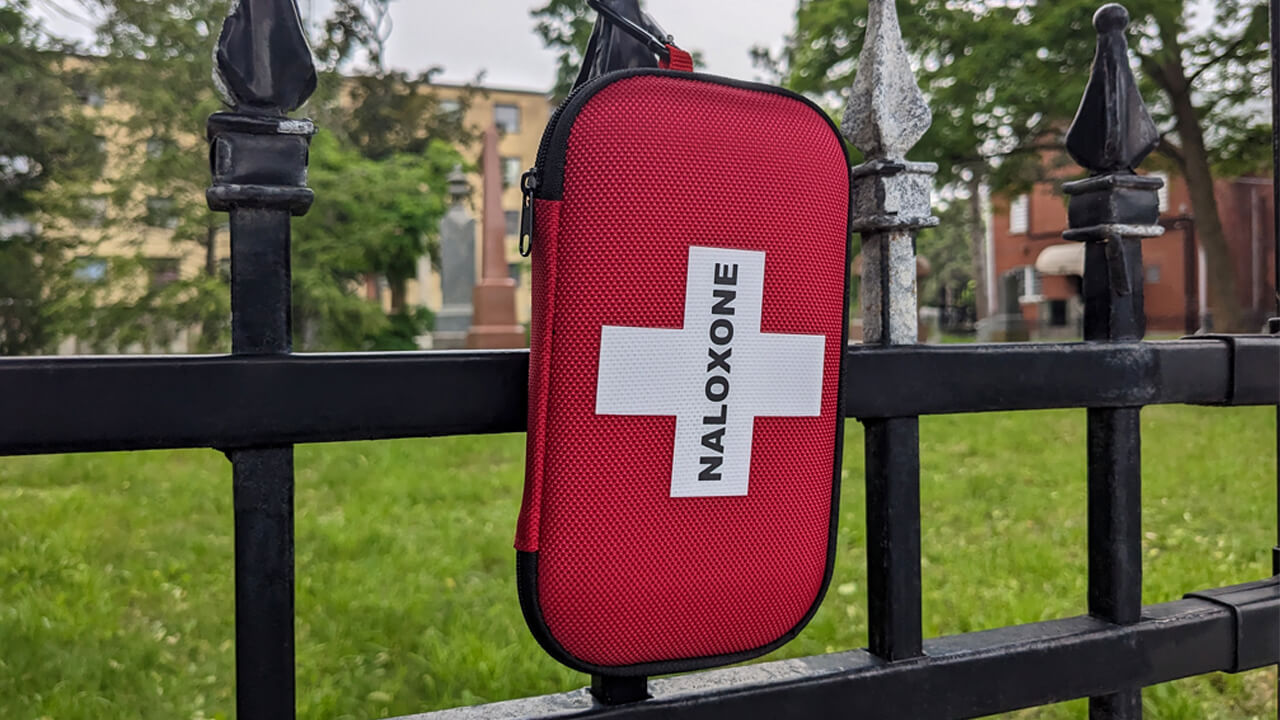
A Chattanooga nonprofit is placing a free naloxone dispenser in Miller Park, one of the city’s most-visited public spaces. It’s a direct effort to put life-saving opioid overdose reversal medication in the hands of people who need it most.
North Carolina boasts plenty of programs to battle opioid addiction no matter where you’re located in the Tar Heel State. But for family members who fear getting that call, a naloxone dispenser can mean the difference between life and death.
The Opioid Crisis in Chattanooga by the Numbers
The numbers behind this initiative are impossible to ignore. One recent study found that naloxone prevented at least 2,400 overdoses around Chattanooga in 2023 alone. That figure reflects both the depth of opioid addiction afflicting Tennesseans and the proven power of naloxone as a frontline intervention. The surrounding region around Hamilton County and the greater Chattanooga area have consistently ranked among the state’s harder-hit regions for opioid-related harm.
What Launch Pad Does and Why It Matters
Launch Pad is a sober living program nonprofit that received a county grant to fund a newspaper-style dispenser box stocked with free naloxone for those who can’t afford Narcan. The box will hold at least 10 packages at all times and sit in a shaded corner of Miller Plaza. The Chattanooga City Council unanimously approved the proposal.
Launch Pad’s clinical director, Kelli Cruse, acknowledged that supplies will likely go fast at first, but that’s exactly the point. “We want this medication out to the people who are going to use it,” Cruse noted, adding that once people realize that it will be a permanent fixture, they’ll only take what they need.
As for concerns about potential misuse and side effects, Launch Pad leadership noted that the pros of saving lives outweigh any cons. “The risk of not having it is greater than the risk of having it and it being in the wrong hands,” Cruse pointed out.
Fentanyl’s Role in the Overdose Emergency
The need for naloxone is great. Fentanyl is now the primary driver of opioid overdose deaths in all age groups, and naloxone has proven effective in countering overdoses. According to the CDC, nasal spray or injectable naloxone blocks the effects of opioids and restarts normal breathing in unresponsive overdose victims.
Furthermore, the medication has no effect on a person who does not have opioids in their system. Naloxone’s nontoxicity makes it safe for bystanders, family members, and first responders to carry and use without fear of causing harm.
A Growing Trend Across Tennessee and the U.S.
Chattanooga isn’t alone in this approach. Naloxone dispensers and kiosks have become popular devices in Nashville, Knoxville and other cities for their practicality, including in music venues and bars as part of first aid response.
Public health agencies and nonprofit partners across the country are deploying dispensers. Cities in California, Kentucky, and Iowa have made naloxone available in public spaces such as train stations and college campuses. The number has exploded from an estimated 80 nationwide in 2022 to hundreds today.
Harm Reduction and Opioid Treatment Options in Chattanooga
Remember that naloxone is a bridge, not a treatment for opioid addiction itself. For those struggling with opioid addiction in the Chattanooga area, several pathways to recovery exist alongside harm reduction tools like this dispenser. Even something as basic as attending a Narcotics Anonymous class can connect you with peers who understand your condition.
If you or someone you love is at risk of opioid addiction or an overdose, browse our directory for a nearby support group that fits your needs or call
800-934-1582(Sponsored)
to start the battle against narcotics in your life.
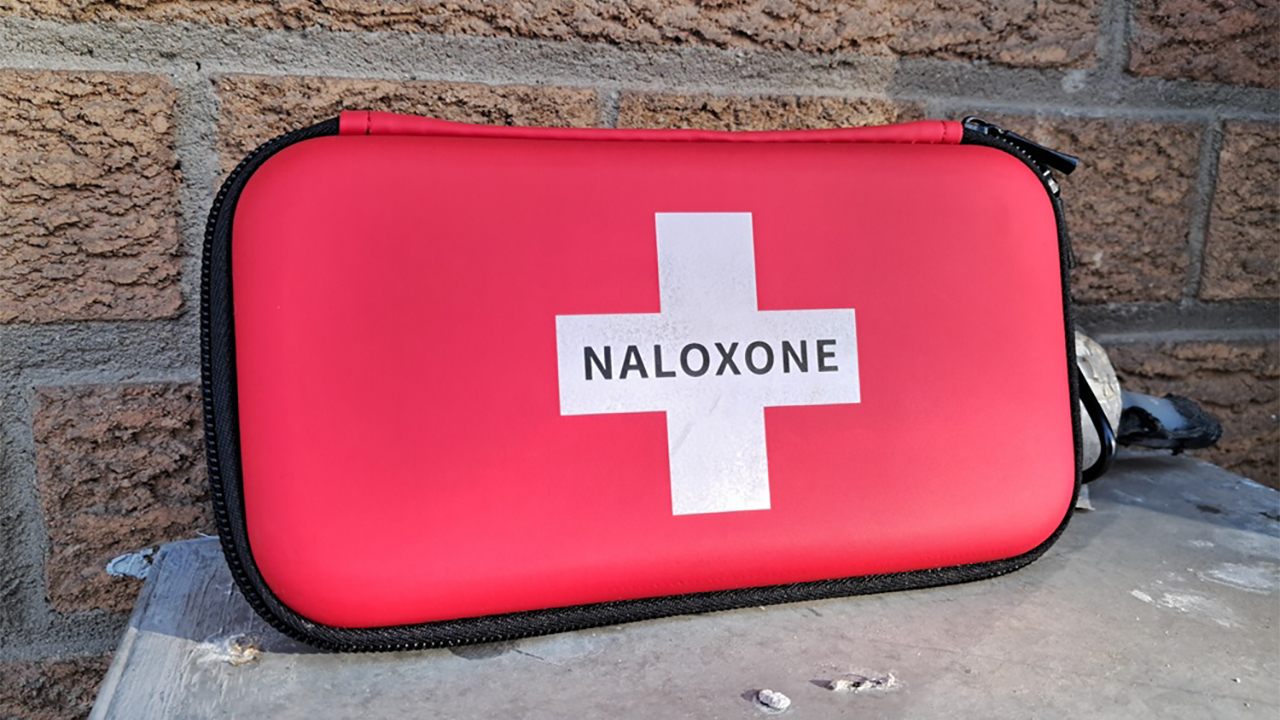
Washington state’s Native communities are confronting a fentanyl and opioid addiction crisis with one of the most reliable life-saving tools available, naloxone.
Overdose death rates among American Indian and Alaska Native populations continue to outpace every other demographic in the United States.
Expanded access to the overdose-reversing medication is offering a critical line of defense while tribal leaders push for deeper, culturally grounded treatment solutions.
The Opioid Crisis by the Numbers
The scope of opioid addiction among Native populations is staggering. The American Indian and Alaska Native population has the highest drug overdose death rates in the country.
Statistics show a 33% increase in drug overdose deaths recorded between 2020 and 2021, according to the Centers for Disease Control and Prevention.
Washington state reflects these national trends with alarming clarity. Roughly 65% of all drug deaths in Washington involved synthetic opioids, primarily fentanyl, totaling more than 1,700 deaths in a single year, according to the University of Washington’s Addictions, Drug and Alcohol Institute.
Last year also marked King County’s deadliest year ever for fatal overdoses, with more than 700 involving fentanyl. The human cost inside tribal communities has been devastating.
Lummi Nation Chair Tony Hillaire spoke at the Washington State Tribal Opioid/Fentanyl Summit about the losses his community has endured.
He noting that five members died of fentanyl overdoses in just one week, a crisis severe enough that Lummi leaders declared a state of emergency. “We don’t want to normalize the burying of our children,” Hillaire said.
Fentanyl’s Role in the Native Community Crisis
Fentanyl, a synthetic opioid roughly 50 times more potent than heroin, has proven a particularly difficult threat for tribal communities to address, straining existing clinics and treatment options across Washington and in some cases creating long waitlists for care.
The roots of opioid addiction in Native communities run deep. Indigenous families have confronted substance use disorders for decades as a downstream consequence of centuries of violence, forced family separation, boarding school trauma and the deliberate destruction of tribal economies.
All factors that increase vulnerability to addiction. Poverty, housing insecurity and chronic underinvestment in tribal health infrastructure have compounded that vulnerability as fentanyl moved in. If you or loved one need support with narcotics addiction recovery, you can explore numerous NA meetings in Washington.
Naloxone Distribution Reaches Native Communities
Washington’s state health agencies have moved aggressively to get naloxone, the medication that reverses opioid overdoses, into the hands of people most at risk.
In fiscal year 2025 alone, Washington’s Overdose Education and Naloxone Distribution (OEND) program and its partners distributed approximately 365,306 naloxone kits and held 76 training events reaching more than 1,500 individuals.
Critically, the state’s mail-order naloxone program has proven especially effective at reaching Native populations.
American Indian and Alaska Native community members are more likely to receive naloxone through the mail-order program than through other distribution channels.
Tribes, tribal organizations and Urban Indian Organizations can also request naloxone directly through a dedicated Tribal Naloxone Request Form administered by the Washington State Department of Health.
Still, advocates are clear that naloxone alone cannot solve the opioid addiction crisis. As one addiction specialist at UW Medicine put it, naloxone reverses an overdose for only 30 to 90 minutes, it is a critical intervention, but treatment, support and destigmatization must follow.
What’s Driving the Push for Culturally Grounded Treatment
Tribal health providers in Washington have long argued that opioid addiction treatment works best when it integrates Indigenous cultural traditions alongside Western medicine.
Organizations like the Seattle Indian Health Board use a model called Indigenous Knowledge Informed Systems of Care, blending modern treatment protocols with traditional practices and culturally attuned care, an approach that has produced meaningful results even in the fentanyl era.
Tribal leaders, health providers and state officials broadly agree that more funding is needed, particularly in Native communities, to staff health care centers, open more inpatient beds, expand medication-assisted treatment centers and ensure wider access to naloxone.
At the federal level, the National Institutes of Health has taken notice. NIH launched a dedicated program to advance substance use research led by Native American communities, with a second phase of expanded capacity-building research anticipated to begin in fall 2026.
Understanding Opioid Addiction and Naloxone
Opioid addiction is a chronic, relapsing medical condition driven by dependence on substances such as heroin, fentanyl, prescription painkillers like oxycodone and methadone.
Fentanyl, now the dominant driver of overdose deaths nationally, is particularly dangerous because it is often mixed into counterfeit pills and other substances without the user’s knowledge, making every use a potential overdose risk.
Naloxone (brand name Narcan) is an FDA-approved medication that rapidly reverses opioid overdose when administered as a nasal spray or injection, and is available without a prescription in Washington state.
Opioid Addiction Treatment Options
For anyone struggling with opioid addiction, multiple treatment options exist. Narcotics.com provides a directory of NA meetings, including in and near tribal communities. You can also call 800-934-1582(Sponsored) to receive additional support today.
For anyone touched by opioid addiction, whether personally or through someone they love, the statistics are both heartbreaking and familiar.
Too many pain journeys end not in recovery, but in dependence, overdose or death. Now, a wave of new treatments and federal policy shifts are aiming to break that cycle before it begins.
The Opioid Crisis by the Numbers
Overdose deaths remain staggering. According to the CDC, roughly 79,384 people died from drug overdoses in 2024, a 26.2% drop from the more than 110,000 deaths recorded in 2023.
Progress, yes, but not nearly enough. In the 12-month period ending August 2025, approximately 73,000 people still died from overdoses.
Beyond fatalities, more than 40 million Americans reported struggling with a substance use disorder in 2024.
For families searching for help, those numbers represent real people, parents, siblings, children, many of whom first encountered opioids through a legitimate prescription for pain.
How Opioid Abuse Begins with Pain Treatment
The opioid epidemic didn’t emerge from a vacuum. It grew, in large part, from a healthcare system that defaulted to opioid prescriptions as the primary answer to pain.
For decades, the American approach to pain management has been caught in a dangerous paradox. Prescribing addictive opioids to treat injury, only to create a secondary crisis of addiction.
This is particularly acute after procedures like spine surgery, where many addictions arise from high opioid use in the first days of recovery, a window when patients are vulnerable and alternatives have historically been limited or not covered by insurance.
Fentanyl’s Role in Driving Overdose Deaths
The ongoing death toll is largely driven by synthetic opioids like fentanyl. Fentanyl is estimated to be 50 to 100 times more potent than morphine, and it now contaminates the broader illicit drug supply.
This means people struggling with heroin addiction or other narcotic addiction are frequently exposed to it unknowingly.
Naloxone (brand name Narcan) remains the frontline life-saving response to opioid overdose.
It is available without a prescription at most pharmacies and through harm reduction programs.
If someone in your life is using opioids, prescribed or otherwise, having naloxone on hand can mean the difference between life and death.
What’s Driving the Change in Pain Management
President Trump’s January 2025 executive order establishing the “Great American Recovery Initiative” builds on two key federal actions, the HHS Pain Management Best Practices Inter-Agency Task Force and the bipartisan No PAIN Act.
The No PAIN Act expands and incentivizes Medicare coverage for non-opioid pain treatments in surgical settings, directly addressing the financial barrier that has historically made opioids the default, cheaper choice.
The goal, advocates say, is to prevent opioid addiction from starting in the first place, treating pain without creating the conditions for dependence.
New Non-Opioid Treatments Showing Promise
Several promising alternatives are now moving from research into real-world use. In early 2025, the FDA approved Journavx (suzetrigine), a first-in-class non-opioid oral medication that targets pain-signaling sodium channels in the peripheral nervous system rather than the brain.
It’s an approach that offers acute pain relief without the addiction risk associated with opioids.
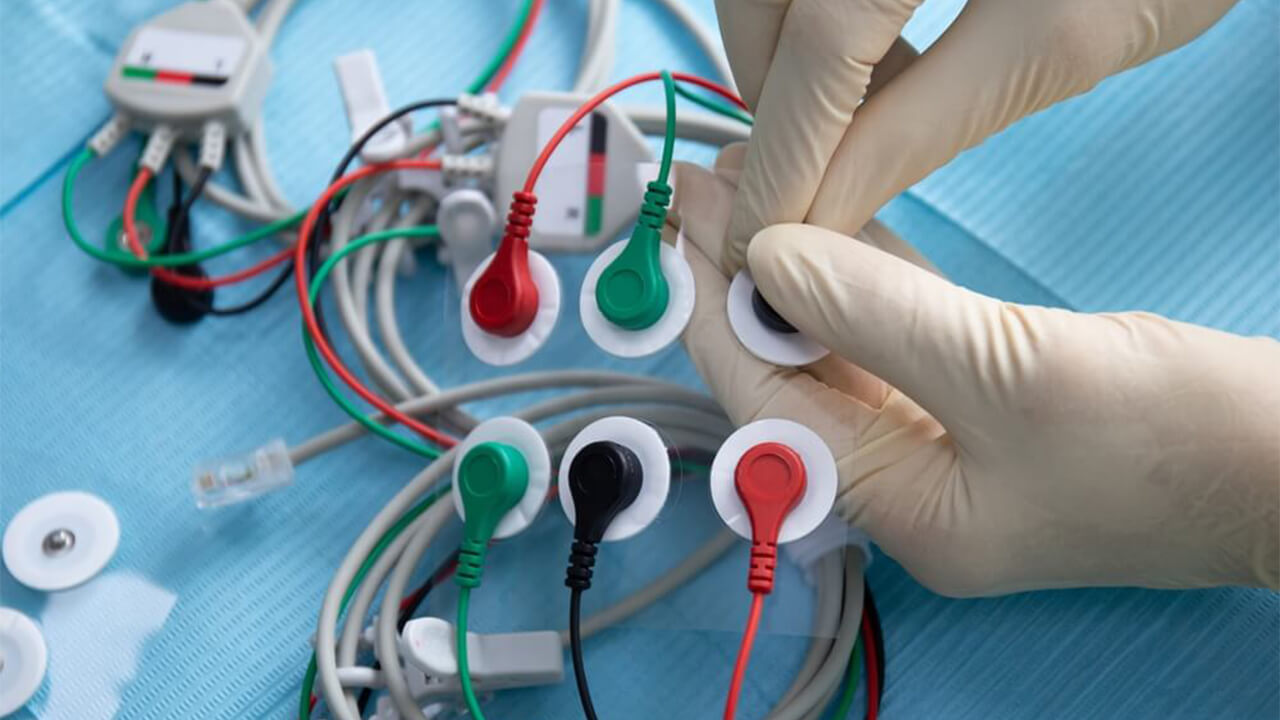
Electrical therapies are also advancing, including closed-loop spinal cord stimulation, peripheral nerve stimulation and Basivertebral Nerve Ablation.
These systems use low-voltage electrical currents to interrupt pain signals, improving function and quality of life while reducing opioid exposure and healthcare utilization.
These technologies won’t undo existing opioid addiction, but they represent a real chance to reduce the pipeline of new cases.
Finding Help for Opioid Addiction
If you or someone you love is already struggling with opioid or narcotic addiction, treatment works, and peer support through Narcotics Anonymous is one of the most accessible entry points to recovery.
Search Narcotics.com’s directory of NA meetings to find an option near you. You can also call 800-934-1582(Sponsored) to speak with a treatment advisor today.
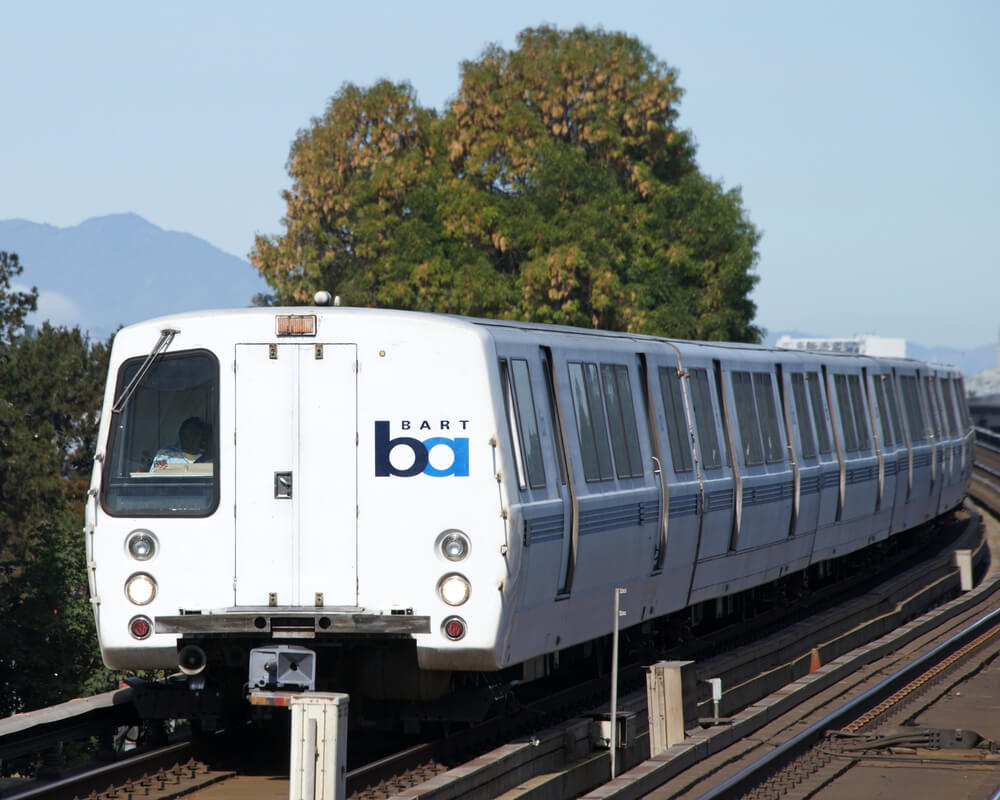
The Bay Area Rapid Transit system, the largest public transportation network in the region, has emerged as one of the most visible arenas of California’s opioid epidemic. As opioid overdoses mounted onboard BART, the agency began equipping officers and staff with naloxone kits.
It’s a harm reduction measure that has since become central to how the system responds to the crisis. For thousands of daily riders, encountering opioid use and its consequences has nonetheless become a routine part of the commute, and for many, a reason to stop riding altogether.
The Opioid Crisis by the Numbers
More than 19 overdoses occurred on BART property in 2023 alone, according to reporting by The San Francisco Standard. It’s a figure already on pace to surpass the overdose death count from 2022.
The crisis continued into late 2025, when two passengers suffered narcotics overdoses on separate BART trains in the East Bay within a 48-hour window. Ridership has suffered alongside public health, with CBS News reporting a measurable decline in BART passengers in 2023 driven by commuter concerns over safety and the growing frequency of opioid-related medical emergencies.
How BART Naloxone Kits Are Saving Lives
BART first introduced naloxone nasal spray, commonly known by the brand name Narcan, in May 2019. Since then, the agency has significantly expanded the program, equipping officers and frontline staff with BART naloxone kits as standard gear.
According to ABC 7 News, deployments have grown more than sixfold over three years, rising from 29 in the first year to 188 annually. By March 2024, those interventions had successfully reversed more than 400 overdoses on BART premises.
To sustain that response capacity, BART reports that all police officers now receive formal training in naloxone administration. The kits are kept in officer toolkits at all times, ensuring a reversal agent is available anywhere on the system when an overdose occurs.
The agency has also expanded its corps of Crisis Intervention Specialists, which are trained staff focused on connecting people experiencing opioid use disorder with treatment resources rather than defaulting to arrest.
Fentanyl’s Role in the Transit Crisis
Fentanyl, a synthetic opioid estimated to be roughly 50 times more potent than the effects of heroin, is the primary driver of overdose deaths across the United States and a dominant presence in the Bay Area’s drug supply. Its extreme potency means that small variations in dose can be lethal, and illicitly manufactured fentanyl is now found in a wide range of street drugs, often without the user’s knowledge.
This is precisely why rapid access to BART naloxone kits is so consequential. In a fentanyl overdose, minutes determine survival.
Youth and Families Bear a Hidden Cost
Students and young commuters who depend on BART to reach school face a particular burden. Research published in Clinical Therapeutics found that exposure to adult substance use increases the likelihood that young people will develop substance use problems and mental health conditions of their own.
These encounters can also contribute to adverse childhood experiences (ACEs), a recognized framework linking early trauma to prolonged stress and long-term psychological harm. It illustrates the lasting impact of parental opioid abuse.
Understanding Opioid Addiction and Overdose Risk
Opioids are a class of drugs that include fentanyl, heroin, oxycodone, and other prescription painkillers. They act on receptors in the brain to reduce pain but also suppress breathing, which is what makes an overdose fatal. Narcotic addiction is a chronic medical condition, not a moral failure, and it responds to evidence-based treatment including medication-assisted therapy and peer recovery programs like Narcotics Anonymous.
Naloxone is available without a prescription at most pharmacies in California. If someone is unresponsive and opioid use is suspected, call 911 and administer naloxone immediately, fentanyl overdoses may require more than one dose. Free naloxone and fentanyl test strips are available through harm reduction organizations across the Bay Area.
Find Local NA Meetings
An important part of a successful recovery is having the support of peers who understand what you’re going through. Search Narcotics.com’s directory to find local NA meetings to start receiving support today. You can also call 800-934-1582(Sponsored) for additional assistance.
For people in Virginia’s Roanoke Valley, harm reduction backpacks are helping prevent opioid overdoses.
These backpacks are designed to help individuals at risk for opioid overdose and contain naloxone, a medication that can quickly reverse an overdose in an opioid overdose emergency.
A community-based effort, Connection to Care (C2C) is at the heart of this opioid addiction outreach work, supported early on by a 2018 seed grant from the Vibrant Virginia initiative.
The effort connects universities and communities to work together on building practical solutions for local social challenges.
While Roanoke offers several approaches to addressing opioid addiction and substance use disorders, the Connection to Care backpacks have already impacted thousands of lives and for the better.
Discover NA Meetings in Roanoke to receive peer support to help with your recovery.
Harm Reduction Backpacks Help Prevent Opioid Overdose
So far, C2C has provided backpacks for residents who might lack access to critical resources. The backpacks include essential supplies and connect recipients to addiction recovery services. Students and local volunteers play key roles in delivering the packs to those who need them most.
What the small seed grant from Vibrant Virginia has accomplished is a far reaching response to the opioid crisis in Virginia.
Initial efforts focused on understanding substance use disorders in the Roanoke Valley and Pulaski County and emphasized first identifying local needs and building trust with community partners.
Vibrant Virginia first partnered with the Virginia Harm Reduction Coalition and the Bradley Free Clinic. Collaboration with both organizations helped shape the program’s approach.
Together, they developed a model centered on direct outreach in the community, which made it easier to offer practical support to individuals facing opioid addiction.
The C2C program and its outreach has resulted in over 8,000 contacts with at-risk individuals and harm reduction services or treatment support provided to more than 4,000 folks.
The program’s focus is on offering immediate help, but there’s also emphasis on creating pathways to long term recovery.
Opioid Addiction Response Expands Across Virginia
The success of C2C’s efforts in the community led to nearly $1 million in federal funding. Those dollars allowed for expansion of services and the introduction of new initiatives.
One example is Responders for Recovery, which pairs peer recovery specialists to support individuals after opioid overdoses.
The federal funding not only allows the program to offer more services, funds also help health providers, law enforcement and community organizations coordinate together.
That means more people can get help when they need it without having to wait for resources to become available.
The Vibrant Virginia backpacks illustrate how targeted funding and team effort can produce sustainable solutions to complex public health challenges.
Find NA Meetings and Opioid Addiction Support
Don’t let a lack of resources or tight finances prevent you from starting recovery. There are many addiction treatment services in Virginia that can assist you.
Search Narcotics.com’s directory to find local Narcotics Anonymous meetings right in your community. Call today at 800-934-1582(Sponsored) for immediate assistance.

For anyone struggling with opioid addiction today, the path to recovery just got more complicated. A major new national study confirms what many addiction medicine doctors have been seeing on the front lines for years.
Fentanyl, the synthetic opioid that now dominates the illicit drug supply, is making it significantly harder to start patients on buprenorphine, one of the most effective and accessible medications for opioid use disorder.
The findings, published in JAMA Network Open and led by researchers at Penn State College of Medicine and the University of Pittsburgh, are a wake-up call for anyone affected by the opioid epidemic.
This includes patients, families and the healthcare providers trying to help them.
The Opioid Crisis by the Numbers
The survey of 396 clinicians across the United States paints a sobering picture of where opioid addiction treatment stands right now:
Nearly 72% of clinicians reported significant challenges starting patients on buprenorphine when fentanyl was involved. Close to 62% encountered at least one case of sudden, severe withdrawal, sometimes called precipitated withdrawal, when initiating treatment.
More than half, 52.8%, reported cases where withdrawal symptoms dragged on for days rather than the expected hours. And approximately 67% said they’ve had to change their standard treatment protocols to adapt.
These aren’t just statistics. Each one represents a real person trying to get clean who hit a wall.
What’s Driving the Change
Treating opioid addiction used to follow a relatively predictable script. When heroin was the dominant drug, clinicians could confirm use through drug screening and start patients on buprenorphine at established doses and intervals with reliable results. That consistency saved lives.
Fentanyl changed the equation starting around 2017, when it began flooding the illicit opioid supply. The problem isn’t just that fentanyl is more potent — it’s how the drug behaves in the body. Fentanyl can accumulate in fat tissue, where it lingers long after a person’s last use.
When buprenorphine is introduced, it can displace fentanyl from opioid receptors and trigger intense withdrawal far more severe and prolonged than what patients experienced during the heroin era.
“Someone can get really sick or get tired of the whole process that they stop treatment,” said lead author Dr. Sarah Kawasaki of Penn State College of Medicine. “They might start using again and might overdose or die.”
That cycle of withdrawal, dropout, relapse and overdose is one of the most devastating patterns in the current opioid epidemic.
Fentanyl’s Role in the Treatment Gap
Fentanyl is now present in the vast majority of illicit opioid supply in the United States. It has also been found in counterfeit pills and other street drugs, meaning people with opioid addiction are often exposed to it even when they don’t intend to be.
Its unique pharmacology, high potency, rapid onset, and fat-soluble accumulation, means the clinical playbook written for heroin simply doesn’t apply. Clinicians surveyed in the study responded in a variety of ways.
Some dramatically lowered initial buprenorphine doses, others went higher, some added medications to manage withdrawal symptoms and others redirected patients entirely to inpatient treatment or methadone programs.
The patchwork of adaptations reflects a field working without updated, evidence-based guidelines and patients paying the price for that gap.
Understanding Opioids and Overdose Risk
Opioids are a class of drugs, both prescription medications and illicit substances like heroin and fentanyl, that bind to receptors in the brain and body to reduce pain and produce euphoria.
Fentanyl is a synthetic opioid estimated to be 50 to 100 times more potent than morphine, making even a tiny amount potentially lethal. Opioid overdose occurs when the drug suppresses breathing to the point of oxygen deprivation; naloxone (Narcan) can reverse an overdose if administered quickly enough.
Harm Reduction and Treatment Options
Despite the challenges, researchers are emphatic that buprenorphine still works, and it remains one of the most accessible opioid addiction treatments available.
Unlike methadone, which can only be dispensed through approximately 2,000 licensed clinics nationwide, buprenorphine can be prescribed by qualified providers and filled at more than 70,000 pharmacies across the country.
If you or someone you love is struggling with opioid addiction, harm reduction steps include:
- Carry naloxone (Narcan): Available without a prescription at many pharmacies and through community harm reduction programs. It can reverse an opioid overdose and save a life.
- Use fentanyl test strips: These low-cost tools can detect fentanyl in a drug supply before use.
- Talk to a doctor about medication-assisted treatment: Buprenorphine and methadone are both evidence-based options for opioid use disorder.
- Connect with peer support: Narcotics Anonymous (NA) meetings provide community, accountability, and lived experience that clinical treatment alone can’t offer.
Finding Help for Opioid Addiction
NA Meetings Near You Narcotics Anonymous offers free peer support meetings in thousands of locations. Search for NA meetings in your city or state to find in-person and virtual options near you.
Opioid Treatment Programs Ask your primary care provider about buprenorphine, or search SAMHSA’s treatment locator at findtreatment.gov for opioid treatment programs near you.
Call for Help: SAMHSA’s National Helpline (1-800-662-4357) is free, confidential and available 24/7 for opioid addiction treatment referrals.
Harm Reduction Callout: Naloxone saves lives. If someone in your life uses opioids, or if you do, having naloxone on hand is one of the most important steps you can take. Many local health departments and harm reduction organizations distribute it for free.

An innovative but little known crisis intervention project in West Virginia is helping reduce opioid overdose deaths, addiction experts say. It’s also setting a new standard for how communities respond to opioid addiction and mental health crises across the U.S.
Addressing West Virginia’s Opioid Overdose Crisis
Since the fall of 2023, opioid overdoses have been on the decline nationally. Public health experts aren’t in agreement about the cause, and it has been uneven across the nation.
Long known as the center of the opioid crisis, West Virginia is among the states showing the highest reduction in overdose fatalities. Many of these deaths have historically been linked to fentanyl and other synthetic opioids, making recent declines especially notable.
Crisis intervention training (CIT) has been increasingly adopted by law enforcement and may be a little explored factor in the state’s recent decline in overdoses. Current research reveals that jurisdictions with CIT programs show a decline in overdose fatalities.
Enhancing Authorities’ Response to Mental Health Crises
CIT was created in the 1980s to help law enforcement officers recognize mental health conditions and help those struggling get into treatment instead of jail. The CIT programs are increasingly popular with law enforcement in light of the overdose epidemic.
Yolandah Mwikisa, the crisis response unit supervisor for the police department in Wheeling, West Virginia, stated that “As more police officers recognize that substance use disorders are a pandemic, more have become interested in crisis intervention training.
Mwikisa further added, “Most of them want to do their jobs better. They want to avoid lawsuits. They really want to understand what people are going through.”
CIT programs teach law enforcement officers to recognize individuals in mental health and opioid related substance use crises, how to encourage them and how to speak calmly and empathetically to get them into treatment.
Prioritizing Treatment Over Prison
Research shows that people in addiction treatment are less likely to commit crimes, suffer fewer overdoses, and live longer, even if recovery isn’t permanent. Jail increases the risk of continued substance use and fatal overdoses. This risk is especially high for people with opioid addiction due to reduced tolerance after incarceration.
Richard Frank was part of the Obama administration and helped coordinate their opioid response. Frank is also senior fellow at the Brookings Institution. He argues that getting people into a treatment program is about effort more than intention. He noted that actually delivering someone to a treatment facility instead of giving them a phone number is important.
Mwikisa feels that prioritizing individuals’ needs is most important when dealing with substance use.
She states that people aren’t “going to want to tell their story twice,” so expecting someone to show up to treatment on their own after already having a difficult discussion with a CIT team is asking a lot. Instead, she calls ahead to the treatment facility to ensure an easy transition.
Mwikisa says that in her years as a CIT coordinator, she has seen a difference in how law enforcement officers behave. She recalls a time she got pulled over for speeding shortly after moving for a CIT job.
“The treatment I got was brutal. Maybe more brutal than you’d expect,” she said.
The training changes officers’ behavior. The program does have its skeptics. There are people who believe that individuals engaging in something illegal should go only go to jail.
Mwikisa states, “Holding people accountable and getting them help are not opposites. The real failure is when we do neither.”
Find Opioid Addiction Support Near You
Opioid addiction doesn’t have to end in tragedy. Help is available.
Find local Narcotics Anonymous (NA) meetings, peer support groups or treatment programs near you.
You can also call 800-934-1582(Sponsored) for immediate, confidential support.

Since 2007, Massachusetts has provided a national model for its integrated approach to opioid treatment in the primary care setting.
Using a nurse care model (NCM), healthcare providers receive funds to improve access and coordinate care. This is done through a dedicated nursing staff. The NCM model means physician assistants, nurse practitioners and doctors can serve more patients.
Nurse Care Model Expands Opioid Treatment Access
The NCM model provides office-based addiction treatment (OBAT) as an alternative to specialty substance use disorder (SUD) clinics, which expands access to treatment. Policymakers are recognizing the benefits of implementing this alternative more widely.
In Massachusetts from June 2021 to July 2022, the majority of substance-related deaths were from alcohol and opioids. Concurrently, more than 50% of all opioid related deaths from overdose involved the stimulant, cocaine.
In 2022, the model was expanded by the Massachusetts Bureau of Substance Addiction Services to include those with both stimulant and alcohol use disorders.
The approach is promising and demonstrates that the Massachusetts approach can be a model for other states looking expand services and help individuals with a variety of SUDs, particularly those who are on Medicaid.
The national median for Medicaid enrollees with OUD to receive medication is 60%. In 2023, 79% of clients enrolled in Massachusetts Medicaid received medication as a direct result of the NCM programs.
Nurses Expanding Access to Opioid Addiction Treatment
NCM relies on specially trained nurses. Approaching OBAT care this way requires NCMs to screen for SUD. After confirming the diagnosis, an authorized prescriber or physician prescribes buprenorphine as appropriate.
After initiating medication and management, NCMs educate clients, develop treatment plans, document treatment compliance, and coordinate care among healthcare providers. This frees up prescribers to see more individuals, expanding care access.
Rethinking Public Policy and Funding Protocols
For the NCM model to succeed, clinicians need incentives to provide this type of care. This makes policymakers a critical component of implementation. The payment approach must provide adequate compensation for the expanded services.
Massachusetts funds the model through a melange of federal money, state general funds, and Medicaid reimbursement. This includes the State Opioid Response Grant and the Substance Use Prevention, Treatment, and Recovery Services Block Grant.
The grants provide coverage for services left uncovered by Medicaid.
Another way providers reach out to those who may need care is by opting to receive funds that go toward wraparound services.
These services may include partnering with a soup kitchen, providing transportation to appointments, and visiting homeless encampments. Nicole Schmitt, director of the Office of Strategy and Innovation, noted that this type of outreach engaged more people in treatment.
Nurse Care Managers Aiding Individuals with OUD
The numbers are telling. Three years after the Boston Medical Center developed the new model and expanded it to 14 federally funded health centers (qualified health centers that provide primary healthcare to clients unable to pay), the healthcare providers prescribing buprenorphine from these locations expanded from 24 to 114.
Patients who remained in treatment for more than a year went from 32% in 2010 to 67% in 2013. Due to the financial stability of the program, half of the locations expanded their programs beyond the initial grant size requirements.
Studies conducted in five states revealed that NCMs not only increase the amount of OUD treatment provided, but also that individuals participated longer. Individuals in the programs noted that they were motivated to stay in treatment and that the care was non-stigmatizing and nonjudgmental.
Expanding Office-Based SUD Treatment
The Massachusetts Bureau of Substance Addiction Services enlarged the program in August 2022 to include treatment for those with stimulant and alcohol use disorders. As of 2025, more than 40 locations across Massachusetts offered contracted OBAT treatment services through the bureau. This is a significant increase in treatment services from 2007.
The bureau provides technical assistance and training to make these OBAT services possible. One example includes grant funding to provide training for managing outpatient alcohol withdrawal so providers feel confident offering the services.
Jen Miller, director of grants and innovation at the bureau, remarked, “Training can ensure that the person who is given outpatient withdrawal management has the right supports at home or in their community, because outpatient withdrawal management is doable. Not everyone needs an inpatient level of care.”
The bureau provides a free videoconference training and support program. This 12-session program is offered by Boston Medical Center. According to Ms. Miller, this assistance program is “run and developed by a program that implements OBAT services, so they’re keenly aware of some of the challenges and successes.”
Reducing Stigma in Opioid Addiction Treatment
Massachusetts officials and clinicians evolved their treatment approaches to deal with the changing nature of substance use. Additionally, they aligned the payment approach with the new treatment model, which allowed them to treat more people with varying needs related to substance use. In 2020, OBAT enrollment was 3,687 and increased 17% to 4,319 in 2024.
Simultaneously, in fiscal year 2020, non-opioid admissions to OBATS were 639 (17.4% of admissions). These grew to 1,682 (39% of admissions) in fiscal year 2024.
Providers started admitting clients to their facilities for non-opioid SUD before the official change due to community need, Ms. Miller noted. She also suggested that the nurse-led model may encourage clients to seek care due to reduced stigma and fear. She also remarked that the OBAT centers were simply more accessible. She said, “It feels less daunting to go to, because your primary care might be just down the hall.”
According to interviews with Pew, Massachusetts’ OBAT model expansion came about in part due to the reality that many treatment centers were already providing care for stimulant use disorder and AUD but they weren’t being adequately paid for the care.
Before the policy change, in some cases, an individual may have already had another substance as their most important concern, but also needed treatment for OUD. It’s not uncommon to have AUD and OUD.
Recently, a meta-analysis revealed that in those with OUD, 27.1% had concurrent AUD. As compared to individuals with any SUD, those with AUD are more than five times as likely to have simultaneous OUD.
With the new OBAT treatment model in Massachusetts, providers can treat clients with co-occurring SUDs and get reimbursed for all the services. The results are clear, as the number of clients admitted to take medication for AUD has increased to 899 (22.5% of admissions) in 2024, from 295 (8.8%) in 2020.
State Support of OBAT Addiction Treatment Models
Other states utilizing the OBAT model with an aligned payment approach can also expand treatment for those with SUD beyond opioids. This approach will improve health and save lives.
The director of the Office of Strategy and Innovation at the Massachusetts Bureau of Substance Addiction Services, Nicole Schmitt, said in an interview with Pew that state leaders need to “take a broader perspective and not go down the rabbit hole of focusing on one particular drug.” She also noted that it’s a disservice to be “narrowly focused on opioids and not pay attention to alcohol and stimulants.”
Virginia and Michigan are both expanding eligibility for OBAT programs. Providers receive enhanced payments for buprenorphine and wraparound services in Virginia, while billing at equivalent rates as those providing treatment to clients with stimulant use disorders and AUD. In Michigan, primary care providers are now allowed to bill for SUD treatment services.
This includes screening and assessment services, medication, counseling, and care management, no matter the primary substance, as long as the provider can give the client the appropriate level of care.
Further, access to health home services is allowed in Michigan for individuals with stimulant and alcohol use disorders, which improves care coordination. States currently without these treatment approaches have broader eligibility to establish them. Delaware is doing just that through the Management of Addictions in Routine Care initiative.
As state leaders establish or expand the OBAT payment model, they should consider dedicated funding. Examples are the state opioid response grants (also used for stimulant use disorder) and the Substance Use Prevention, Treatment and Recovery Services Block Grant, which can be used for any substance disorder.
These funds can provide technical assistance and ongoing training. Previous research regarding OBAT implementation reveals that offering these supportive services increases the likelihood that providers will prescribe buprenorphine, and may be helpful for other SUD treatment support.
As Schmitt also noted, the technical assistance provided to grant recipients in Massachusetts is “instrumental” and “people may want to do this or see a need to do it, but they may not know how to do it or how to do it well.”
The experience in Massachusetts illustrates that state leaders can expand services designed for individuals with OUD to those with any type of SUD. Additionally, provider support paired with policy changes can improve access to treatment.
Find Opioid Treatment and Support Near You
If you or someone you love is struggling with opioid addiction, treatment options are available. Medication assisted treatment, including buprenorphine, can reduce cravings and overdose risk while supporting long term recovery.
You can also find NA meetings near you for peer support, or call 800-934-1582(Sponsored) today.
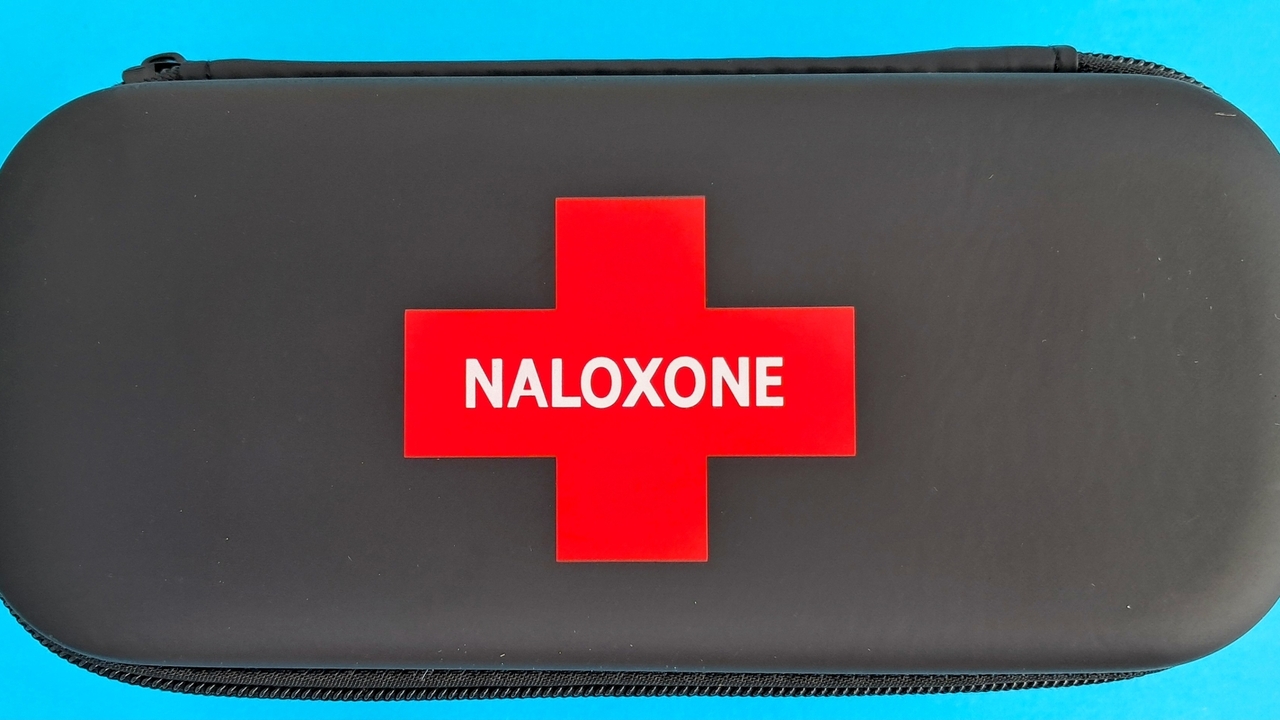
Iowa has recently launched the Save a Life With Naloxone initiative aimed at fighting the ongoing opioid epidemic through increased access to naloxone (Narcan). Naloxone is a fast-acting medication that can reverse the effects of an opioid overdose and save lives when used quickly.
The state of Iowa stresses that the safety of the state’s communities is at the forefront of this continued effort. The program ensures that naloxone is widely available to residents, first responders, schools, and community organizations to prevent overdose deaths and promote recovery.
How to Get Naloxone in Iowa
Through the program, eligible organizations can request naloxone products for people at risk of an opioid overdose. There are two different application tracks for organizations. One is for law enforcement agencies and non-EMS regulated fire departments, and the other is for Iowa organizations, businesses and schools.
Since NARCAN is now available over the counter, many community organizations and secondary distributors, such as school districts, healthcare providers, health departments, fire departments and law enforcement personnel, can apply to distribute it locally.
Secondary Distributors
Some secondary distributors can currently dispense the prescription medication Kloxxado, another FDA approved naloxone medication. However it should be noted that the Iowa Health and Human Services will stop supporting allocation in November of this year, focusing on future efforts on expanding naloxone and community education.
To simplify the process, Iowa HHS provides a public FAQ document outlining eligibility, distribution requirements, and best practices for overdose prevention.
The Bigger Picture
Naloxone programs like this one play a critical role in the nation’s opioid overdose response strategy. According to the CDC, more than 80,000 people in the U.S. died from opioid-related overdoses in 2024. Increasing naloxone access can mean the difference between life and death while individuals seek long term recovery through treatment or Narcotics Anonymous (NA) meetings.
Find Support Near You
If you or someone you love is struggling with opioid use, you are not alone. Search for NA Meetings near you on Narcotics.com or call 800-934-1582(Sponsored) today to take the next step toward recovery.