 800-861-9372

AI software designed to catch drug theft in hospitals failed to flag months of fentanyl diversion by a nurse anesthetist at a Tennessee hospital, according to a state disciplinary order. The hospital joins the ranks of other organizations, alongside inpatient service centers and community Narcotics Anonymous chapters, in The Volunteer State that assist with narcotics …
AI Software Misses Fentanyl Theft at Tennessee Hospital
Get Help Now 800-934-1582
 Sponsored
Sponsored
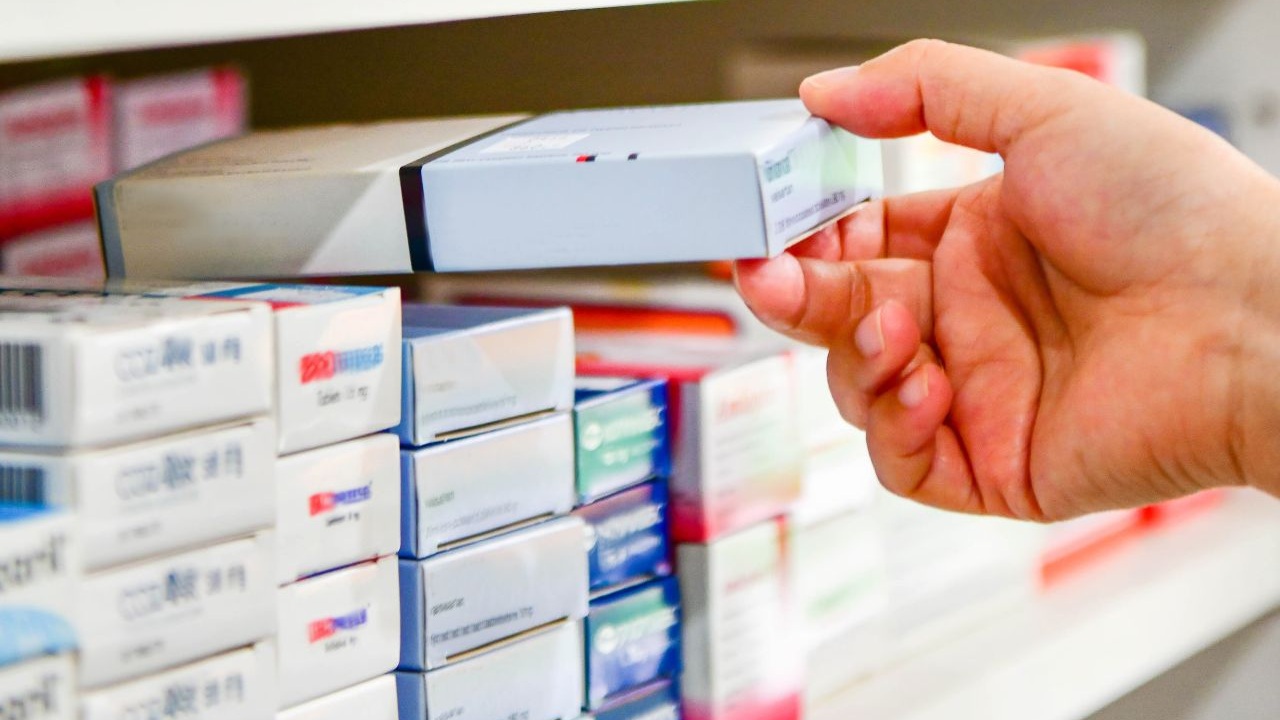
AI software designed to catch drug theft in hospitals failed to flag months of fentanyl diversion by a nurse anesthetist at a Tennessee hospital, according to a state disciplinary order. The hospital joins the ranks of other organizations, alongside inpatient service centers and community Narcotics Anonymous chapters, in The Volunteer State that assist with narcotics dependencies.
The case raises questions about how much hospitals should rely on automated systems to catch fentanyl and other narcotic theft before someone gets hurt. AI has revolutionized treatment for opioid use disorders. But issues like this one raises questions about the efficacy of relying on technology to watch over potentially lethal medications.
The Incident at the Tennessee Hospital
At Erlanger Baroness, the largest hospital in Chattanooga, anesthesia staff noticed a nurse anesthetist slurring words and falling asleep while on duty in the surgery center in mid-2025, according to the Tennessee Board of Nursing. That nurse, identified as John Stevenson, soon failed a drug test and was fired. He later told investigators he had diverted fentanyl left over after surgical procedures since March 2025, using it once or twice a week at first before increasing to daily use by June.
The hospital uses Sentri7, medication monitoring software powered by AI to detect suspicious patterns in how clinicians dispense and discard controlled substances. When Erlanger audited Stevenson’s dispensing records over the four months, it found five instances where Sentri7 didn’t flag missing drugs, along with other inconsistencies between what medications that staffers dispensed and documented as wasted. All these should have been caught by the automated system.
Fentanyl and Drug Diversion
Fentanyl is a synthetic opioid roughly 50x stronger than heroin. Even small amounts diverted from a hospital setting creates a serious overdose risk. In Tennessee, street level fentanyl causes thousands of overdose cases per year, especially among children and other vulnerable populations.
Drug diversion, the unlawful taking of controlled substances from a healthcare facility, occurs at nearly every hospital in the country in some form. It usually involves leftover medication supposedly destroyed after a procedure, the same way that someone might take unused opioid prescriptions from a medicine cabinet. That pattern, sometimes called waste diversion, is easily detectable, which explains why the Erlanger case has drawn scrutiny.
The Tennessee Board of Nursing’s order offered a possible explanation. They stated that Sentri7 was in its “initial learning phase” at Erlanger, though the board didn’t provide further detail. A source familiar with the software’s design pushed back on that framing in an interview. They noted that these systems typically require 9-12 months of training on historical data before use at a new hospital and lack separate learning phases after that.
Terri Vidals, founder of Rxpert Solutions, questioned whether the failure reflected a problem with how the hospital staff configured the software rather than a flaw in the tool itself. Vidals called missed waste diversion “the most basics of basics” for this kind of software to catch.
Harm Reduction & Treatment
Cases like this are a reminder that opioid use disorder can develop in anyone with regular access to opioids, including healthcare workers, and that catching it early matters. In addition, while AI tools have helped clinicians, the technology still has a long way to go as a partner for clinical or administrative care.
Naloxone rapidly reverses an opioid overdose and remains a critical safety net regardless of how someone started using opioids. Distribution sites remain available throughout the state, including one in Chattanooga’s Miller Park. Fentanyl test strips also help identify the drug in doses.
Medication assisted treatment, including buprenorphine and methadone, greatly enhances recovery from cravings and withdrawal symptoms. Clinicians often pair medications with counseling and peer support such as Narcotics Anonymous meetings.
Help for Opioid Addiction Begins with NA
Whether an opioid use disorder started with a prescription or something else entirely, the path forward usually starts with an honest conversation with a medical provider about treatment options.
That’s where NA comes in. Groups offer free peer support for folks working through narcotics and opioid addiction. Our browsable directory can help you find NA meetings anywhere in the country, and dialing 800-934-1582(Sponsored) to speak with an expert can also guide you to local treatment programs.
the Take-Away