 800-861-9372

As overdose deaths tied to the fentanyl crisis continue to devastate families across Alabama and the nation, researchers at the University of Alabama at Birmingham have landed a major federal grant to test a low-cost prevention tool that could save lives before an overdose ever happens. The grant comes at a timely moment. Alabama already …
UAB Researchers Get $5.3M Grant to Fight Fentanyl Crisis
Get Help Now 800-934-1582
 Sponsored
Sponsored
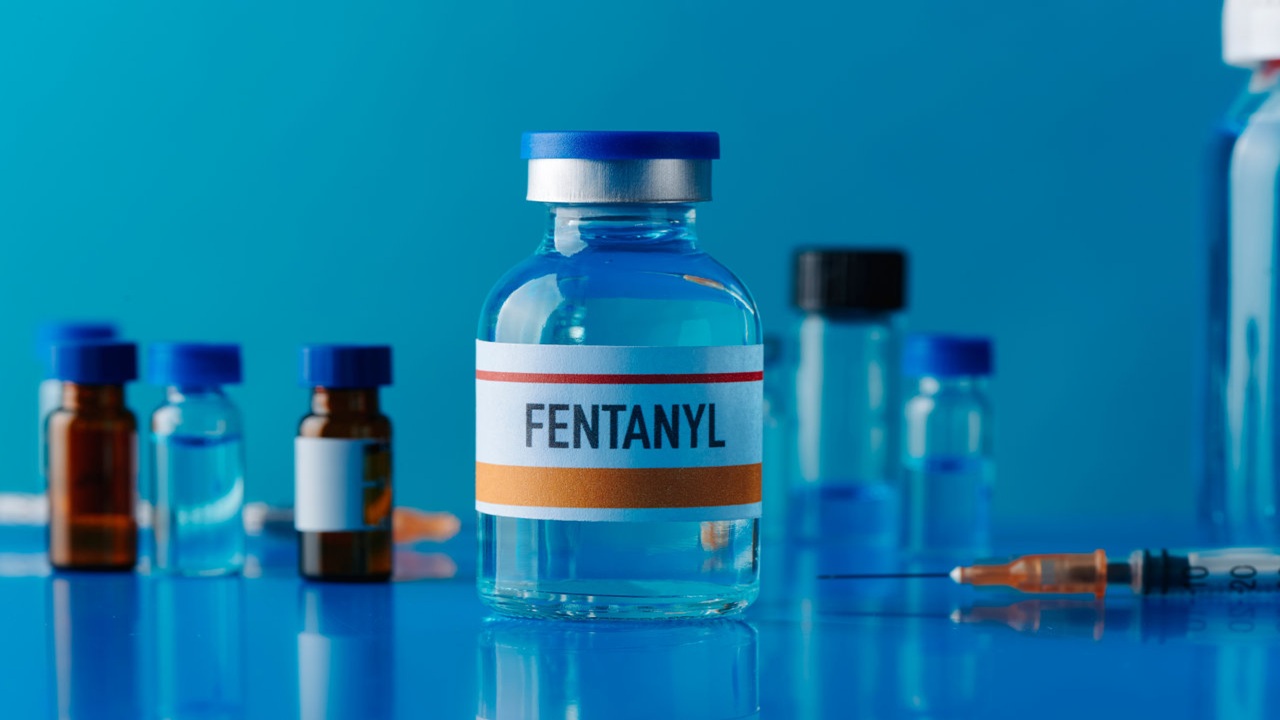
As overdose deaths tied to the fentanyl crisis continue to devastate families across Alabama and the nation, researchers at the University of Alabama at Birmingham have landed a major federal grant to test a low-cost prevention tool that could save lives before an overdose ever happens.
The grant comes at a timely moment. Alabama already has a diverse range of programs to address substance abuse, from local Narcotics Anonymous programs to large inpatient facilities. However, enhanced test strips can help ensure that even the most vulnerable residents in the Yellowhammer State have access to proven harm reduction tools.
The National Institute on Drug Abuse, part of the National Institutes of Health, awarded UAB researchers Karen Cropsey and Emma Kay a six-year grant of $5.3 million to run the first fully remote, nationwide trial testing whether fentanyl test strips can reduce overdose deaths. Cropsey is a professor of psychiatry in the Heersink School of Medicine, and Kay is an associate professor in the UAB School of Nursing.
The Opioid Crisis in the Deep South
Opioids consist of drugs that act on the brain’s opioid receptors to relieve pain but also slow breathing. An overdose occurs when that slowed breathing becomes dangerously shallow or stops altogether.
Synthetic opioids, primarily illicit fentanyl, remain the leading cause of fatal drug overdoses in the United States. Fentanyl is roughly 50x more potent than heroin and up to 100x stronger than morphine, with a lethal dose as small as 2 milligrams. Since it’s often mixed into counterfeit pills, heroin, or other substances without the user’s knowledge, many people who experience a fatal overdose never intended to take fentanyl at all.
The UAB Research Effort
Fentanyl test strips are inexpensive, single-use tools that can detect the presence of fentanyl in a drug sample within minutes, even those mixed with multiple drugs. Cropsey noted that while the strips are cheap and simple to use, many folks don’t know the strips exist or aren’t sure how to use them correctly. The new UAB study aims to close that gap by reaching participants remotely, removing barriers like transportation, stigma or lack of access to a local harm-reduction program.
Over six years, Cropsey and Kay will track whether providing people with test strips and education on how to use them actually changes behavior and reduces fentanyl-related overdoses. If the results are positive, the model could be scaled into a low-barrier, sustainable harm reduction program in communities far beyond Alabama.
Harm Reduction and Treatment for Opioid Addiction
People with narcotic addiction often have no reliable way to know whether the substance they’re using contains fentanyl until it’s too late. Test strips give users a moment to pause, reconsider or use with someone present who can respond to an overdose.
Naloxone, sold under the brand name Narcan, acts fast to reverse an opioid overdose within minutes when administered in time. It’’s now available without a prescription at most pharmacies.
Medication-assisted treatment can also reduce cravings and withdrawal symptoms for people working toward recovery from opioid addiction.
Group support also plays a critical role. Narcotics Anonymous meetings are right for people in recovery who need a free, judgment-free space to connect with others who understand the daily realities of narcotic addiction. NA chapters often act separately from clinical treatment settings.
Help for Opioid Addiction Beyond Alabama
If you or someone you love has a heroin addiction, prescription opioid misuse, or fentanyl exposure, don’t delay.
NA remains one of the most essential first steps. With NA, you stay in your community, network with your peers and neighbors, and form fellowship that lasts a lifetime. In-person and virtual Narcotics Anonymous meetings are held across the country every day of the week.
Simply call 800-934-1582(Sponsored) to speak with a specialist or look through our directory about opioid addiction treatment options today.
the Take-Away