 800-861-9372
Opioid overdose deaths in Oregon dropped for the second consecutive year, offering a fragile but meaningful sign of progress in one of the hardest-hit states of the fentanyl crisis. However, health experts warn the epidemic is far from over. Oregon enjoys a wide variety of grassroots programs and support groups like Narcotics Anonymous that have …
Opioid Overdose Deaths in Oregon Drop for Second Straight Year
Get Help Now 800-934-1582
 Sponsored
Sponsored
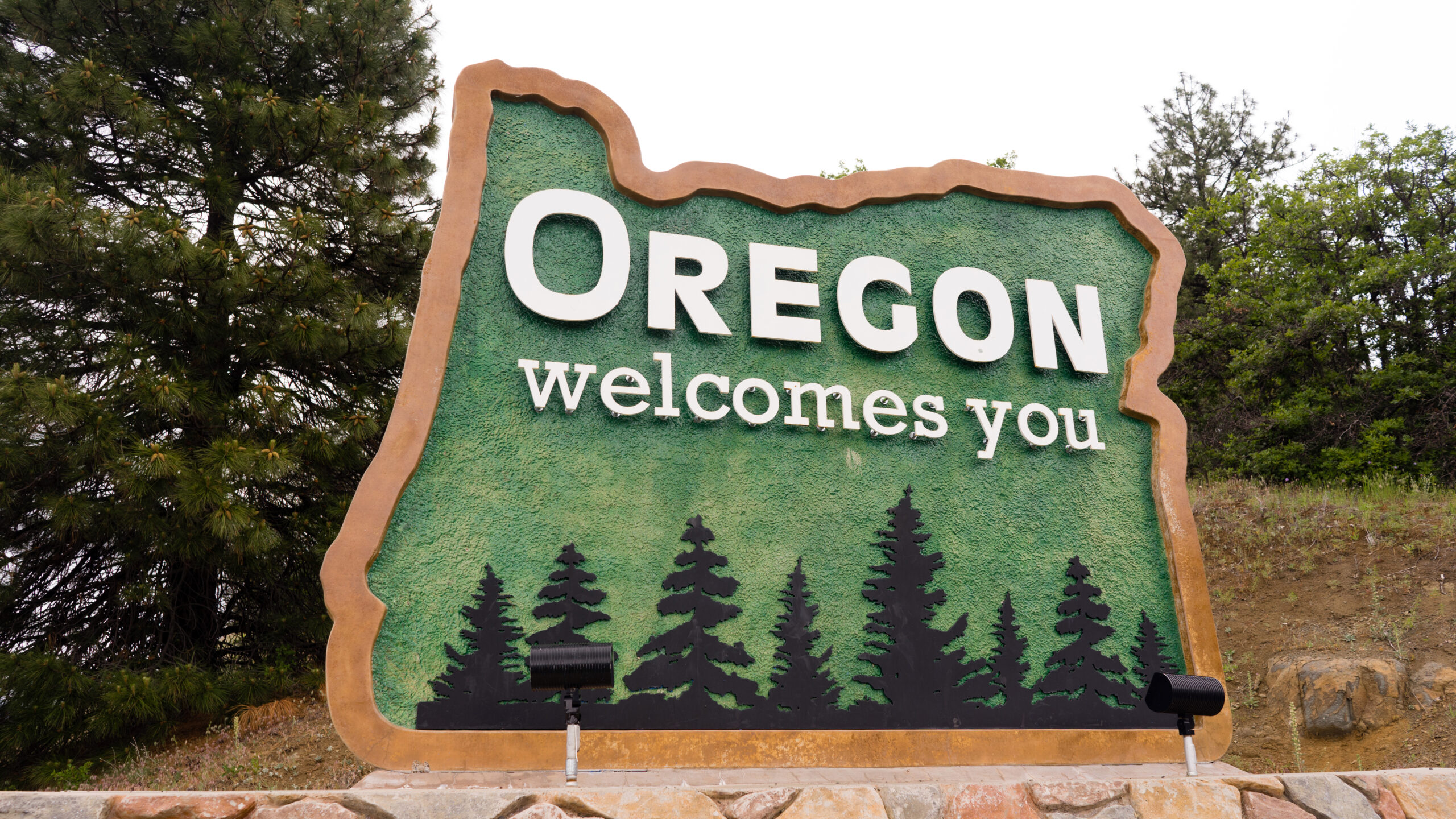
Opioid overdose deaths in Oregon dropped for the second consecutive year, offering a fragile but meaningful sign of progress in one of the hardest-hit states of the fentanyl crisis. However, health experts warn the epidemic is far from over.
Oregon enjoys a wide variety of grassroots programs and support groups like Narcotics Anonymous that have helped drive those numbers down. The Beaver State also features many inpatient and outpatient services. The results show: the state reported 1,015 confirmed or suspected opioid overdose deaths in the 12 months prior to August 2025, down from 1,272 deaths the previous year and a decline of nearly 20%.
Opioid Overdose Numbers in Oregon
The drop marks more than 30% below Oregon’s peak recorded in May 2024. But context is critical: Oregon’s opioid death rate remains almost 3x that of May 2020, when 351 people died from overdoses.
Dr. Todd Korthuis heads the department of addiction medicine at Oregon Health & Science University. He urged continued vigilance as people are still dying at higher rates than a decade ago. “This is progress,” Korthuis noted, “but we’re not out of the woods.”
Fatal overdoses account for only a fraction of the numbers. Oregon had close to 4,200 inpatient hospitalizations associated with drug overdose and 10,300+ overdose-related emergency department visits in 2024 alone. These figures are actually much higher because they exclude overdoses that were reversed with naloxone.
Driving the Decline in Opioid Deaths
Health experts point to several overlapping factors behind the downward trend.
- Supply disruption: The most significant contributor is disruption in the illicit fentanyl supply chain, beginning with a crackdown on manufacturers in China. Researchers link this disruption to weaker fentanyl potencies reaching the market, resulting in fewer overdoses.
- Expanded treatment access: Korthuis credited wider availability of medication-assisted treatments, including buprenorphine and methadone. Methadone has become a popular option for people seeking relief from fentanyl withdrawal.
- Naloxone distribution: Oregon’s Save Lives Oregon program, run by the Oregon Health Authority, now distributes naloxone to 380+ organizations statewide for emergency departments, health care settings and school-based clinics.
Fentanyl Remains the Dominant Threat
Most Oregon deaths involved fentanyl, often in combination with methamphetamine. For anyone with an opioid addiction or watching a loved one fight it, the numbers represent both hard-won progress and the ongoing weight of this crisis.
Because of fentanyl’s extreme potency and low production cost, it is frequently mixed into counterfeit pills or combined with heroin, methamphetamine, and cocaine in unknown amounts. These combos dramatically increase overdose risk for users.
Korthuis emphasized the fragility of current gains: “It could turn on a dime, and those same factors that seem to be contributing to declines in overdoses could reverse.” He called for sustained support for naloxone distribution and evidence-based prevention targeting young people before exposure to opioids occurs.
As Korthuis explained, progress has been uneven among certain groups. Communities of color that have disproportionately faced systemic racism and socioeconomic inequity continue to experience the highest rates of both fatal and nonfatal opioid overdoses in Oregon. Any sustainable response to the opioid crisis must address these underlying disparities.
Harm Reduction and Treatment Options in Oregon
Oregon’s declining overdose numbers reflect coordinated harm reduction and treatment efforts that often start at the ground up. Peer support and NA meetings provide free, community-based peer recovery support for people dealing with narcotic addiction. They occur daily and in cities big and small.
To get started, feel free to call
800-934-1582(Sponsored)
or glance through our comprehensive directory of NA groups today.
the Take-Away