 800-861-9372

More pharmacies and hospital ERs now carry buprenorphine, a medication for opioid addiction, than they did seven years ago. New national data show steady gains, and Philadelphia addiction specialists say telehealth could close the remaining gaps, especially in rural communities. Indeed, Pennsylvania and the other 49 states feature a wide range of options to combat …
Opioid Addiction Medication Access Grows in US Pharmacies
Get Help Now 800-934-1582
 Sponsored
Sponsored
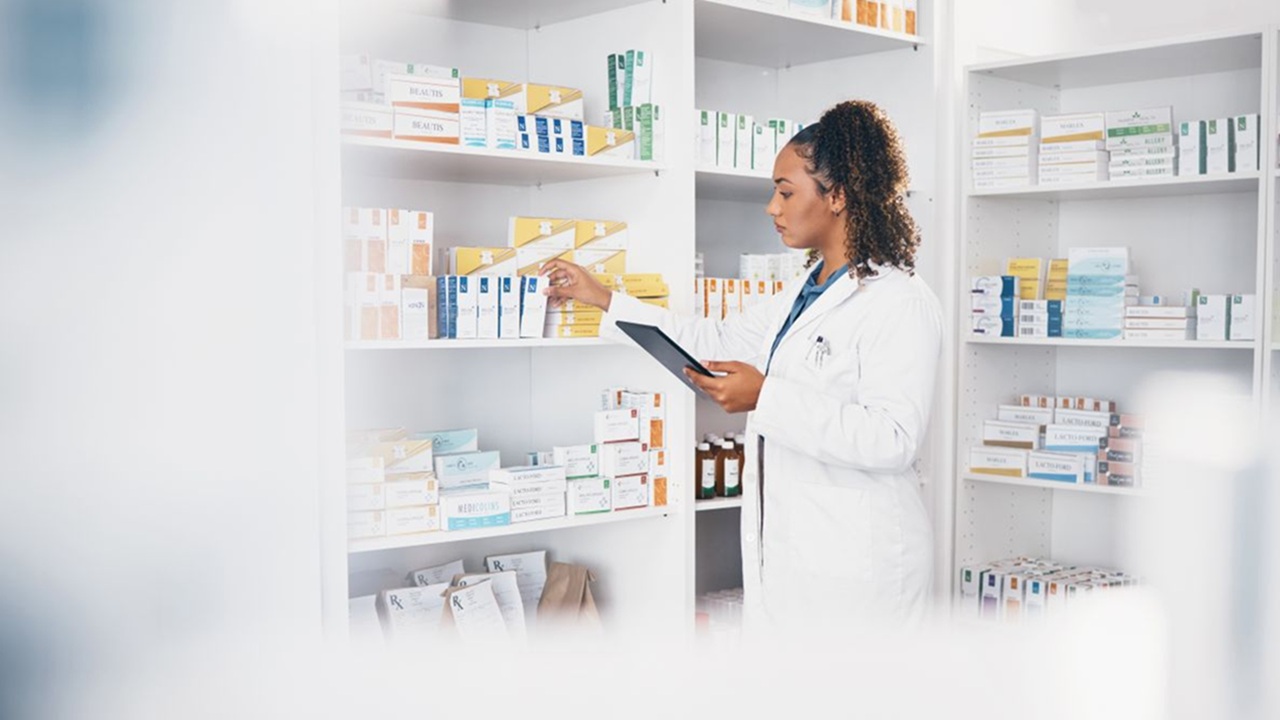
More pharmacies and hospital ERs now carry buprenorphine, a medication for opioid addiction, than they did seven years ago. New national data show steady gains, and Philadelphia addiction specialists say telehealth could close the remaining gaps, especially in rural communities.
Indeed, Pennsylvania and the other 49 states feature a wide range of options to combat substance misuse, from inpatient care to local Narcotics Anonymous chapters. Making medications like buprenorphine available offers folks more options to curb cravings and withdrawal.
The Opioid Crisis Under Siege
According to the Centers for Disease Control and Prevention data, the share of urban U.S. pharmacies stocking buprenorphine hit 72% in 2025. Rural areas were even higher, jumping 70-80%.
Hospitals did likewise. The percentage of emergency departments in urban centers that adopted buprenorphine treatment rose up to 31%. Rural counties saw a climb to 10%.
Pharmacies also dispensed longer supplies of buprenorphine per prescription on average. The study’s authors link this shift to changes in federal drug laws.
Driving the Change
Access to buprenorphine has long been inconsistent. Some pharmacies don’t stock it at all and many emergency departments don’t offer to start patients on medication for opioid use disorder. The new numbers show that pattern breaking.
Quick access matters. Fast, immediate access to buprenorphine and other medication assisted treatment can be the difference between entering long-term treatment and returning to illicit opioids such as fentanyl or heroin.
Rural Emergency Departments Lag Behind
The same CDC data shows rural emergency departments have been slower than urban hospitals to enroll patients into buprenorphine treatment or other medications on site. Dr.
Jeanmarie Perrone is founding director of Penn Medicine’s Center for Addiction Medicine and Policy. She relayed the pattern likely reflects thin long-term treatment options in rural communities.
“Rural emergency physicians are probably worried about how to arrange follow up for these patients. And there’s probably some concern about writing a prescription when they don’t know where the patient is going to follow up.”
Philadelphia offers a contrast. Overdose deaths have declined in recent years, but hundreds of people still die annually from synthetic opioids and street substances.
Telehealth Steps Into the Gap
Perrone and her Penn team are building telehealth programs for people seeking recovery who haven’t found a doctor or don’t want an emergency department visit. Virtual options, including online peer NA programs, help reduce isolation and reduce the logistics of traveling.
“If a patient misses an appointment, they miss their buprenorphine prescription, they can call us, we can bridge that gap.”
She sees telehealth as a way to extend that safety net for all Pennsylvanians. This includes rural areas where providers have been slower to build care options.
NA: A First & Lasting Step
Anyone who’s dealing with opioid addiction will find that medication works best when started quickly. But prescriptions don’t do the job alone.
Peer support complements medications by offering lifeline fellowship, even if that just means a shoulder to lean on during hard times. Narcotics Anonymous programs are free, easy to enroll and take place every day in communities throughout the USA.
Simply browse our online directory to locate. NA meetings anywhere in the country. You can also dial 800-934-1582(Sponsored) to find opioid treatment programs and learn about naloxone in your state.
the Take-Away