 800-861-9372
The Michigan opioid crisis has eased based on the state’s own numbers due to relief programs. Now, two new laws keep the money and the regulatory machinery behind that trend moving. Gov. Gretchen Whitmer signed a package of bipartisan health bills on July 23 as the state reports overdose deaths have fallen 47% since 2021. …
Michigan Opioid Crisis Bills Signed as Overdose Deaths Fall 47%
Get Help Now 800-934-1582
 Sponsored
Sponsored
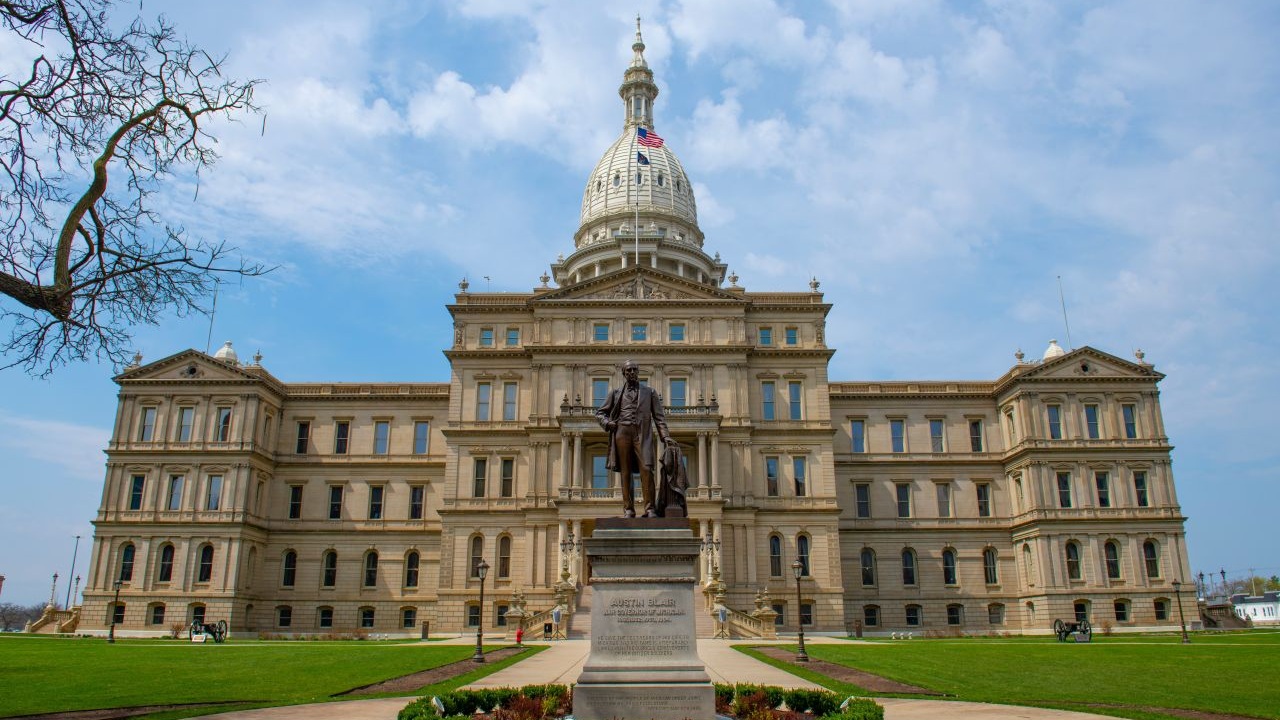
The Michigan opioid crisis has eased based on the state’s own numbers due to relief programs. Now, two new laws keep the money and the regulatory machinery behind that trend moving. Gov. Gretchen Whitmer signed a package of bipartisan health bills on July 23 as the state reports overdose deaths have fallen 47% since 2021.
For anyone living with opioid addiction in Michigan, the news confirms The Wolverine State’s commitment to combatting substance abuse. Many services already exist, from inpatient care to local Narcotics Anonymous chapters. Neither bill creates a new treatment program, but both streamline funding and regulating care.
The Numbers Fall in Michigan
The state says opioid deaths have dropped for four consecutive years since 2021. Michigan Attorney General Dana Nessel’s office reports the state has secured nearly $2 billion through opioid litigation and settlements with pharmaceutical companies and distributors.
Dr. Natasha Bagdasarian, Michigan’s chief medical executive, tied the decline to how that money has been spent. She credits the decline in overdose deaths since 2021 to state investments in evidence-based public health. Settlement funds have expanded access to naloxone, treatment, recovery services and harm reduction across the state, and that more work remains.
The Two Opioid Bills
Senate Bill 616, under state Sen. Sylvia Santana of Detroit, amends Michigan’s Opioid Liability Litigation Act. Cities, counties and local governments can’t sue pharmaceutical corporations over opioid-related claims already resolved through settlements. Nessel’s office describes the change as ensuring communities receive every dollar owed under existing settlements.
Senate Bill 716, sponsored by state Sen. Paul Wojno of Warren, amends the Public Health Code to shorten the time for the Michigan Board of Pharmacy to review federal changes involving controlled substances, such as kratom. The deadline moves from 91 days to 60 days. That matters because when a substance is newly scheduled at the federal level, the lag before state law catches up leaves a gap between enforcement and prescribing rules.
House Bill 5249, sponsored by state Rep. Dave Prestin, creates a new care license for select local ambulance services. These ambulances can provide a higher level of emergency care on 911 calls without needing to qualify as fully licensed advanced life support providers. The law targets rural volunteer EMS agencies. In counties where the nearest advanced unit is a long drive away and harm reduction resources remain scarce, that has direct bearing on overdose response times.
Both opioid bills passed with bipartisan support and the governor signed them alongside unrelated health measures. They cover surgical smoke evacuation, organ and tissue donation information and insurance definitions.
Opioids & Treating Them
Opioids include prescription medications such as oxycodone, hydrocodone and morphine, alongside street drugs like heroin. They relieve pain and slow breathing, which causes fatal overdoses. Fentanyl is now widely mixed into counterfeit pills and powders, so people frequently don’t know what they have taken.
Naloxone reverses an opioid overdose within minutes to restore breathing. It’s available as a nasal spray, carries no risk to someone who hasn’t taken opioids and can be bought over the counter. A second dose is often needed. Always call 911 because naloxone can wear off before the opioids clear.
The state’s own framing credits naloxone distribution and local harm reduction events and programs alongside treatment for the decline in deaths. Naloxone keeps people alive; medication for opioid use disorder is what changes the trajectory.
Medication for opioid use disorder means buprenorphine, methadone or naltrexone, generally paired with counseling. Buprenorphine and methadone come from treatment providers. Naltrexone is started after withdrawal.
Peer support runs alongside clinical care rather than replacing it. Narcotics Anonymous meetings are free, widely available across Michigan in person and online, and require no insurance, referral or waiting list.
Starting with NA
Our website maintains a fully searchable directory of NA meetings across the entire country with filters for meeting type, format and language, so readers can find a meeting tonight in large or small communities. The site also covers opioid treatment options and what to expect from detox and inpatient care.
We also have a helpline at 800-934-1582(Sponsored) for free, confidential guidance. It’s staffed 24 hours a day.
the Take-Away