 800-861-9372

A physician’s new argument for classifying kratom as an opioid might open eyes concerning its addictive properties. Dr. Andrew Kolodny of Brandeis University’s Opioid Policy Research Collaborative relayed that folks consuming substantial amounts of mitragynine or semisynthetic kratom opioids clinically resemble patients he has treated for oxycodone, heroin or fentanyl addiction. Kolodny and Dr. Christopher …
Doctors Argue Kratom Should Be Classified as an Opioid
Get Help Now 800-934-1582
 Sponsored
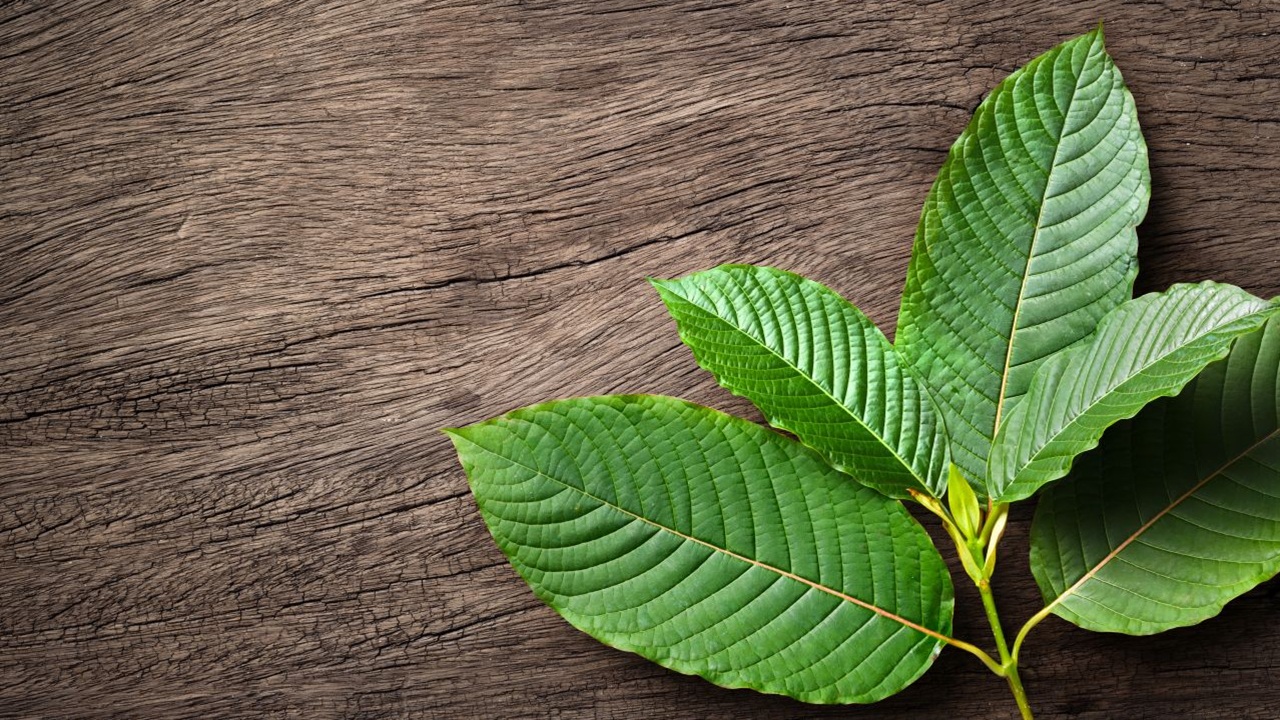
A physician’s new argument for classifying kratom as an opioid might open eyes concerning its addictive properties. Dr. Andrew Kolodny of Brandeis University’s Opioid Policy Research Collaborative relayed that folks consuming substantial amounts of mitragynine or semisynthetic kratom opioids clinically resemble patients he has treated for oxycodone, heroin or fentanyl addiction.
Kolodny and Dr. Christopher P. Holstege of the University of Virginia School of Medicine discussed the classification argument.
The Classification Debate
Kratom is a botanical substance with stimulant-like effects at low doses and opioid-like effects at higher doses. Kolodny argues that calling its effects opioid-like implies that it’s not an opioid and downplays the dependence and addiction clinicians are seeing.
He challenged the idea that the effect of lower doses distinguishes kratom from opioids. Lower doses of opioids and kratom are more alike than different.
Kolodny’s Reports
Since 2025, Kolodny noted that nearly every patient he encountered with newly developed opioid addiction had become addicted while taking kratom. Colleagues in other parts of the country reported a similar increase.
Some patients had moved from kratom leaf products to deadlier semisynthetic products. Kolodny described withdrawal severe enough that some patients’ overall clinical presentations were comparable to those associated with heroin or fentanyl addiction.
Patients were routinely treated with buprenorphine. Recovery without buprenorphine may be possible for those with shorter durations of addiction or lower-dose use. Treatment depends on the person’s use pattern, withdrawal history, health and response to previous attempts to stop.
Kolodny noted how the kratom industry promotes products as non-opioid, non-addictive and as safe alternatives. However, his findings have suggested otherwise.
Treatment & Withdrawal
Buprenorphine is one medication for opioid use disorder. It reduces withdrawal and cravings and might be a good fit rather than turning to unregulated kratom.
People who use kratom alongside opioids should disclose their history to a clinician. Polysubstance use can change overdose and withdrawal risks. Naloxone can reverse opioid overdoses and emergency help is needed for slowed breathing, unresponsiveness or other overdose signs.
Peer support accompanies medical care. Narcotics Anonymous meetings are free and open to people with different substance use histories. NA doesn’t replace prescribing or withdrawal management and meds and meetings often go together.
NA Still a Top Tier Option
If kratom use feels difficult to control or stopping causes withdrawal, a clinical assessment can clarify treatment options.
Alongside clinical care, NA meetings offer constant camaraderie and fellowship. You won’t have to go through any step alone. Rather, educational resources on opioid addiction and friendly shoulders can make the tough times pass a little easier.
To get started, simply browse our directory for NA chapters anywhere in the USA. You can also dial 800-934-1582(Sponsored) to chat with an expert.
the Take-Away