 800-861-9372



The nation’s drug supply is getting more dangerous than ever. Despite prior warnings, The White House Office of National Drug Control Policy issued a formal drug threat notice warning that fentanyl analogues. These include carfentanil, fluorofentanyl and methylfentanyl. All are spreading fast and deepening the opioid epidemic.
The notice is the first of its kind aimed at this group of synthetic opioids. Even though all 50 states and Washington D.C. have programs to battle opioids, including local Narcotics Anonymous grassroots efforts, the numbers refuse to drop to zero.
The Opioid Crisis Takes a Turn
According to figures cited in the notice, the three analogues have popped up in various states and killed at least 12,500 deaths since 2023. The compounds have appeared often mixed into supplies sold as heroin or prescription pills and frequently combined with other drugs such as xylazine.
Overdose deaths nationally have been declining over the past year, but this trend makes the spread of stronger analogues even more dire. Public health officials treat these compounds as a threat capable of reversing gains anywhere.
Fentanyl & Analogues Raise the Stakes
Fentanyl is a synthetic opioid roughly 50x more lethal than heroin. Carfentanil, originally developed as a large-animal tranquilizer, can be up to 100x deadlier than fentanyl and overcome a naloxone dose. Even a dot of these synthetics small enough to fit on the tip of a pencil can be lethal, and users have no reliable way to know which batch contains these compounds.
Harm Reduction & Treatment
Despite the concern, harm reduction has proven to work. Naloxone, the opioid overdose reversal medication sold as Narcan, is now available without a prescription, and fentanyl test strips can detect the presence of synthetic opioids in a supply. Naloxone remains effective against fentanyl analogues, though very potent supplies can require multiple doses.
Medication for opioid use disorder works best for cutting down on cravings and withdrawal. These prescriptions assist even after years of heavy use.
Peer support through Narcotics Anonymous meetings adds community and accountability that medication alone does not provide.
NA Still a Strong Option
NA remains a top tier option for many folks. Camaraderie and fellowship build a network that carries all members through good times and bad. They understand your background and don’t judge.
Getting started is made simpler with our browsable directory. Simply look up chapters anywhere in the country.
Calling 800-934-1582(Sponsored) is another option if you’d like to speak with an expert. They can guide you through opioid addiction treatment options.

Women who give birth in rural communities are significantly likelier to leave their hospitals with opioid prescriptions after a cesarean section than their urban peers, according to one study of 540,000+ C-sections. People tracking where opioid addiction risk takes root can see that a new mother’s discharge day is often a turning point for the mother’s life.
The analysis comes from researchers at Truveta, a health data and analytics company. The team compared pain-management prescriptions tied to C-sections performed between January 2018 and July 2026. The gap between rural and urban discharge prescribing held steady.
The Opioid Crisis Hits Women Hard
C-sections are common. They account for about 1 in 3 births nationally and recovery typically involves several types of pain medication used together. Truveta evaluated three groups: acetaminophen (Tylenol), non-steroidal anti-inflammatory drugs such as ibuprofen and opioids including oxycodone and fentanyl.
In-hospital pain medication use was consistent. The differences appeared after discharge. For every 100 women who had a C-section, 10 more women in rural communities received an opioid prescription than those in cities. Rural women also had higher rates for prescribed acetaminophen and NSAIDs.
The stakes extend beyond postsurgical recovery. Substance use disorders and mental health conditions are leading underlying causes of maternal death. They contribute to more than 1 in 5 pregnancy-related deaths.
Explaining the Gap
The analysis doesn’t answer why rural women leave with more opioid prescriptions, even if they don’t use them. Madhura Vachon is the analysis’s lead researcher and a former CDC epidemiologist and explains:
Possible explanations aren’t hard to imagine. Fewer follow-up care options in rural areas, longer distances back to a hospital if pain flares or different prescribing norms. The data doesn’t indicate if any of these are responsible.
Race and Substance Use History
The researchers also examined prescribing by race, ethnicity and documented history of substance use disorder. Unadjusted findings showed somewhat higher opioid prescribing after discharge among Black women and among women with a documented history of substance use disorder.
The team didn’t see if those differences had statistical significance or adjust the findings for other factors.
Postsurgical Prescribing Matters
Opioids like oxycodone are effective pain relievers for managing pain after major surgery and caring for a newborn. But every prescription carries some risk. A person with no history of substance use can develop physical dependence on opioids within days and leftover pills can lead to abuse for anyone who has access to them.
Some hospital systems want to curb opioid prescriptions via new non-opioid procedures or cutting back where evidence shows smaller supplies work just as well. This analysis suggests discharge practices still vary widely and mothers are often caught in the middle.
Harm Reduction & Treatment
Those who are prescribed opioids after surgery can form a few habits to reduce risk. Take the med only as directed and ask if non-opioid options can work. Store pills locked and out of sight and dispose of leftovers through a drug take-back program or pharmacy drop box.
Naloxone can reverse overdoses. Even though it’s not as plentiful in rural areas, keep it in the house whenever opioids are present, and it is available without a personal prescription in most states.
Medications such as buprenorphine treat opioid use disorder during pregnancy and reduce risk for both mother and baby, and treatment improves outcomes.
Narcotics Anonymous meetings offer peer support that works alongside medical care.
NA Still a Top Tier Choice
NA might seem like a small step to take, but it actually opens doors to camaraderie and fellowship that lasts a lifetime. Your peers are there for you and understand your background without judgment. For good days and bad, NA has your back.
Getting started is easy. Look through our directory for chapters in any neighborhood, including those just for women and new moms just starting out. You can also call 800-934-1582(Sponsored) and connect with an expert for local assistance.
Delaware has recorded another decline in suspected drug overdose deaths continuing a two year trend.
Delaware Public Media reported on September 29, 2026 that the decline comes with an important warning, which is that nonlethal overdoses have not slowed and the street drug supply remains unpredictable and dangerous.
Delaware spent years near the top of national overdose rankings. The latest numbers show progress but families dealing with opioid addiction today need to look beyond the death count.
Delaware Overdose Deaths Reach a New Low
State data show that 2025 had Delaware’s lowest number of overdose deaths since 2019 and state figures put suspected drug overdose deaths at roughly 290 last year.
Confirmed drug deaths also fell in 2024 with 338 deaths recorded that year compared with 527 in 2023. That represents a decline of nearly 36 percent and exceeded the national decline.
Officials credit several efforts for the progress such as targeted naloxone distribution in high risk areas, and expanded treatment access for people without insurance. The state has also expanded screening for opioid use disorder and increased access to medications for opioid use disorder.
Settlement funds continue to support addiction response programs through the Prescription Opioid Settlement Distribution Commission. The commission has announced millions more in grants.
Why Officials Remain Concerned
Officials have also warned against viewing the decline as the end of the overdose crisis. Nonlethal overdoses remain high, which means many people continue to use contaminated drugs and survive because naloxone and emergency responders reach them in time.
Champney, who directs Delaware’s Division of Substance Abuse and Mental Health, has also warned about changes in the drug supply. Delaware now sees fentanyl mixed with veterinary sedatives such as xylazine and medetomidine as well as local anesthetics and industrial chemicals.
These substances can make overdoses harder to recognize and treat. Naloxone does not reverse sedation, caused by xylazine or medetomidine. It remains essential, because it can reverse the fentanyl these substances are mixed with.
Free Addiction Resources in Delaware
Delaware Hope Line: Call 833-9-HOPEDE for free counseling and support 24 hours a day.
Help Is Here Delaware: Visit helpisherede.com for mental health and substance use resources.
SAMHSA National Helpline: Call 1-800-662-4357 for free confidential treatment referrals 24 hours a day.
988 Suicide and Crisis Lifeline: Call or text 988 for crisis support.
The decline in overdose deaths shows that prevention and treatment efforts can make a difference. Officials stress that nonlethal overdoses remain a warning sign. A changing drug supply can quickly turn a person who survived an overdose into someone who doesn’t.
Narcotics.com lists a variety of verified rehabs near you. Call 800-934-1582(Sponsored) to get in touch with a treatment specialist today.
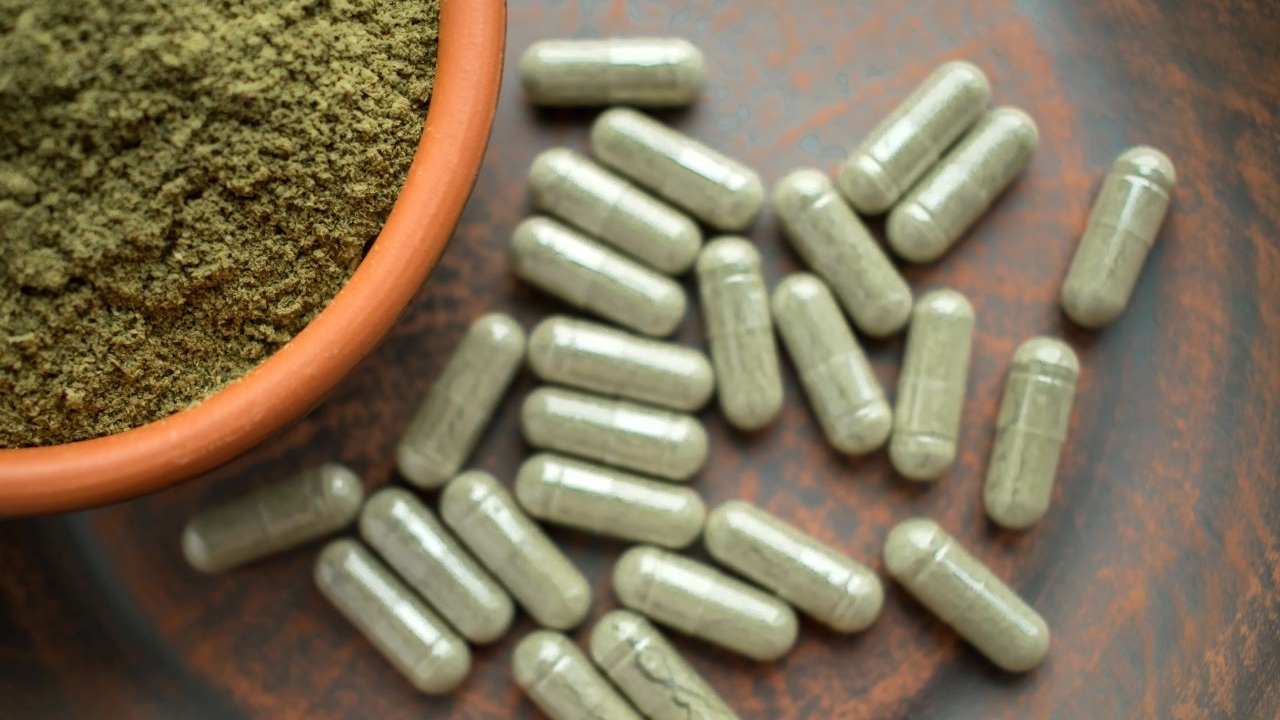
Authorities in Mississippi urge the public to avoid kratom after packaged products sold in retail turned up in two investigations involving University of Mississippi students found dead on Monday in Oxford.
Lafayette County Metro Narcotics didn’t confirm if the deaths were connected to kratom or any other substance. Even so, officials asked folks to avoid kratom and any medication not prescribed from legit sources. Those who do can seek help from local clinics or neighborly Narcotics Anonymous chapters.
About Kratom
Kratom is an herbal extract made out of Mitragyna speciosa tree leaves from Southeast Asia. The leaves contain mitragynine and 7-hydroxymitragynine. Kratom acts as a stimulant but can behave like a sedative and produce powerful opioid-like effects in the brain.
It’s sold as pills, powders, teas, tonics and concentrates, sometimes to buyers of any age, at gas stations, smoke shops and convenience and health food stores.
Natural kratom is regulated in 22 states and banned in eight. Mississippi doesn’t prohibit it, though Oxford and other cities have issued bans. The federal government has warned about potent kratom-related compounds linked to addiction and poisoning.
Kratom Poisoning Calls Spike Nationwide
The cause for alarm has spread. Kratom poisoning calls rose more than 1,200% between 2015 and 2025 to a record 3,434 reports in the U.S. At the same time, 233 people died from kratom use, with 184 also involving other substances. Most involved men in their 20s and 30s although it also impacted middle aged folks.
Signs of kratom poisoning include high blood pressure, vomiting and tachycardia, a rapid heart rate that can bring palpitations and chest pains.
Help Options Exist
Since most kratom deaths involve other substances, the unpredictable supply is the central danger.
For people struggling with opioid addiction or any narcotic addiction, help works.
- Medication-assisted treatment with buprenorphine or methadone reduces cravings and overdose risk.
- Peer support through NA meetings adds accountability for anyone who wants to stop using.
NA Leads the Way
If you or someone you love is using kratom regularly or mixing it with other substances, talk to a doctor or reach out for opioid treatment.
Getting started with NA is a big step, but one made easier. For instance, just browse through our online directory for chapters anywhere in the USA.
Feel free to also reach out to an expert by dialing 800-934-1582(Sponsored) .

The warnings about drugs reaching increasingly younger kids hit parents the hard way in Ventura County. The Ventura County Sheriff’s Office arrested an 18-year-old Oxnard man for an alleged narcotics operation that investigators say targeted students at local middle and high schools. He used colorful packaging and cartoon images to appeal to children.
Even though California has a strong program to assist those impacted by drugs ranging from inpatient care to local Narcotics Anonymous Chapters, the case shows that dangers exist in any community.
The Operation
According to the Sheriff’s Office, the investigation began when a concerned parent reported that their child was exposed to narcotics and showed significant behavioral changes and a noticeable decline in academic performance. Detectives traced the source and caught 18-year-old Dylan Ruiz of Oxnard as the suspected supplier of illegal narcotics, marijuana products and nicotine to students across the region.
On September 10, detectives arrested Ruiz after finding a loaded firearm in his car. A subsequent search of his home in the 500 block of North Garfield Avenue in Oxnard turned up what investigators called an abundance of narcotics and related evidence.
Thereafter, Ruiz was booked into Ventura County Jail. The charges are possession of a controlled substance for sale, possession of marijuana for sale and furnishing it to a minor and multiple firearm offenses. He has a $50,000 bail.
Battling the Opioid Crisis in Ventura
This wasn’t the first time that Ventura County officials conducted a drug bust. The recent trend confirms how street drugs marketed to minors carry the same risks as everything else in the current supply. This includes contamination with fentanyl, which drives the overwhelming majority of US overdose deaths. Packaging aimed at kids makes it likelier a child will take it without understanding what it is.
Parents should watch and know the signs. Treat sudden behavior changes, falling grades, new social circles and unexplained money or items as prompts for a calm conversation with their kids.
Anyone who suspects a young person is using drugs, consider an early conversation. It beats an angry confrontation.
- Naloxone is available without a prescription in California and belongs in every household where opioids might be present.
- Fentanyl test strips can detect contamination.
And in fact, treatment works. Teens respond well to early intervention. In addition, families have options from outpatient counseling to structured programs.
NA for Young People
That’s where Narcotics Anonymous meetings come in. They’re free, confidential and allow teens to interact with peers and share experiences.
Finding an NA group is simple. Use our browsable directory to locate groups anywhere in the USA, filtered by location. You can also dial 800-934-1582(Sponsored) to chat with an expert and look at opioid addiction treatment options.
Researchers studied 716 people who use drugs in San Francisco, and found that those living near police drug distribution arrests reported more drug sources. Researchers say that pattern could raise overdose risk for people with opioid addiction. Enforcement disrupts local markets and forces people to look elsewhere.
Published in the journal Health Justice, the research adds to a long public health debate on whether supply side crackdowns protect people or push them toward riskier sources.
The Opioid Crisis by the Numbers
During the previous three months the median participant had used 9.5 different drug sources. Some reported dozens. Researchers mapped each participant’s location, and compared it with drug distribution arrests within 250 meters during the same period.
People in moderate and high exposure areas reported more drug sources than people in low exposure areas. Researchers also found a clear dose response trend. Older participants and Black participants reported fewer sources. The study is cross sectional so it shows an association rather than proving cause and effect.
What’s Driving the Trend
The danger starts when a familiar source disappears. People who have to find new dealers may encounter drugs with unknown potency, or composition which can raise overdose risk with every unfamiliar transaction.
An unstable supply also makes dosing harder to predict for someone with opioid addiction or narcotic addiction. That uncertainty can make cutting back even more difficult.
Researchers at RTI International conducted the study with funding from the National Institute on Drug Abuse. The authors argue that enforcement driven disruption may work against its own public safety goals and recommend broader access to medications for opioid use disorder and naloxone along with a closer look at enforcement practices.
Fentanyl’s Role
Fentanyl has saturated the San Francisco drug supply and its potency can vary widely from batch to batch. When enforcement breaks up established relationships between people who use drugs and sellers they may turn to unfamiliar sources where fentanyl can show up at unexpected strength or appear in heroin cocaine or counterfeit pills.
That uncertainty can increase overdose risk even when the street supply shrinks in a particular area.
Understanding Opioids and Overdose Risk
Opioids bind to receptors in the brain and spinal cord to reduce pain. The class includes prescription painkillers heroin and synthetic opioids led by fentanyl which is roughly 50 times more potent than heroin.
An overdose happens when opioid levels become high enough to slow or stop breathing. Fentanyl’s potency leaves little room for error.
Harm Reduction and Treatment
Naloxone remains the fastest way to reverse an opioid overdose. Sold as Narcan the medication reverses opioid overdoses and most pharmacies provide it without a prescription.
Medication assisted treatment with methadone, buprenorphine or naltrexone can reduce cravings and overdose risk over time. Peer support through Narcotics Anonymous can add another layer of accountability for people in recovery. Regular NA meetings can complement clinical care, as people rebuild stability after heroin addiction or fentanyl dependence.
Finding Help for Opioid Addiction
Free support is available for those who are struggling. You can find NA meetings through Narcotics.com’s directory, including meeting lists for San Francisco and the wider Bay Area.
Opioid overdose deaths fell sharply in 2023 and 2024 especially those that involved fentanyl. A national study went a step further and showed that improvements didn’t reach everyone equally. In fact, disparities persisted along racial lines.
The Study’s Results
Researchers in The Golden State based at the University of California San Diego reviewed every recorded overdose death in the United States from 1999 through 2024 using the CDC’s WONDER database. The research team broke results down by substance involved and by race and ethnicity.
The national overdose death rate fell 24.4% to 23.7 deaths per 100,000 people in 2024. But 80,000 people still died.
One point stands out. The demographic figures below describe overdose deaths from all substances, not opioid deaths alone. The study reports rates by group but didn’t set out to examine why those rates differ.
Deaths Dropped
Black Americans recorded the largest drop of any group, with overdose death rates falling 29.3% in a single year. Even after a decline that steep, the rate remained more than 1.5x the national average.
American Indians and Alaska Natives had the highest rate in the study with 50.8 deaths per 100,000. This was more than twice the national average.
Those stats show that race plays a part. One group can post the fastest improvement in the country and still lose folks to drugs at a rate well above everyone else because the gap it started from was that large.
Study author Joseph Friedman agreed. He stated that “national trends can improve while vulnerable communities continue to suffer disproportionately.”
Beneath the Numbers
Rates like these describe circumstances, not people. Nothing in this study suggests that anyone’s race makes them more likely to experience addiction or to die of an overdose.
However, the study didn’t look at things like access to treatment or insurance coverage. These and other conditions impact who can get care and how fast.
Substances Involved Differed by Community
The study also found that different drugs left different scars for certain groups.
Cocaine deaths affected Black Americans more than other ethnicities. Cases involving methamphetamine especially hurt American Indian and Alaska Native communities. Deaths involving xylazine and other veterinary sedatives now common in the illicit drug trade also hit higher among Black Americans.
The numbers show that a prevention effort only built around opioids won’t reach someone whose drug of choice is stimulants.
Opioids & Stimulants
Opioids slow breathing and breathing actually stops when an overdose hits.
Stimulants like methamphetamine and cocaine work in the opposite direction by speeding up the cardiovascular and nervous systems. A stimulant overdose can look like chest pain or seizure rather than slowed breathing.
Xylazine isn’t an opioid, so naloxone doesn’t reverse its sedation. Give naloxone anyway if you don’t know what was involved since fentanyl is frequently present alongside it. Then call 911 and stay with the victim.
Harm Reduction Options
For opioid use disorders, medication remains the standard. Buprenorphine and methadone reduce cravings. Naltrexone is one option once someon’s fully withdrawn from opioids.
Naloxone is available over the counter and free through many state programs. Tolerance drops quickly after any break in use, which people at risk of relapse should know about.
The authors called for continued investment in treatment, harm reduction and targeted public health work. They emphasized closing these disparities rather than just lowering the total.
NA Still a Top Option
Help doesn’t depend on which community you belong to. In fact, peer support programs build communities and fellowship that cut across race, class and other demographics.
Narcotics Anonymous meetings are free and run nationwide. They only require that participants want to stop using drugs. Formats include step meetings and online options. Browse our directory to locate meetings nationwide. It’s completely searchable by state, city and program type.
Feel free to also call 800-934-1582(Sponsored) for free and confidential guidance. It’s available 24 hours a day.
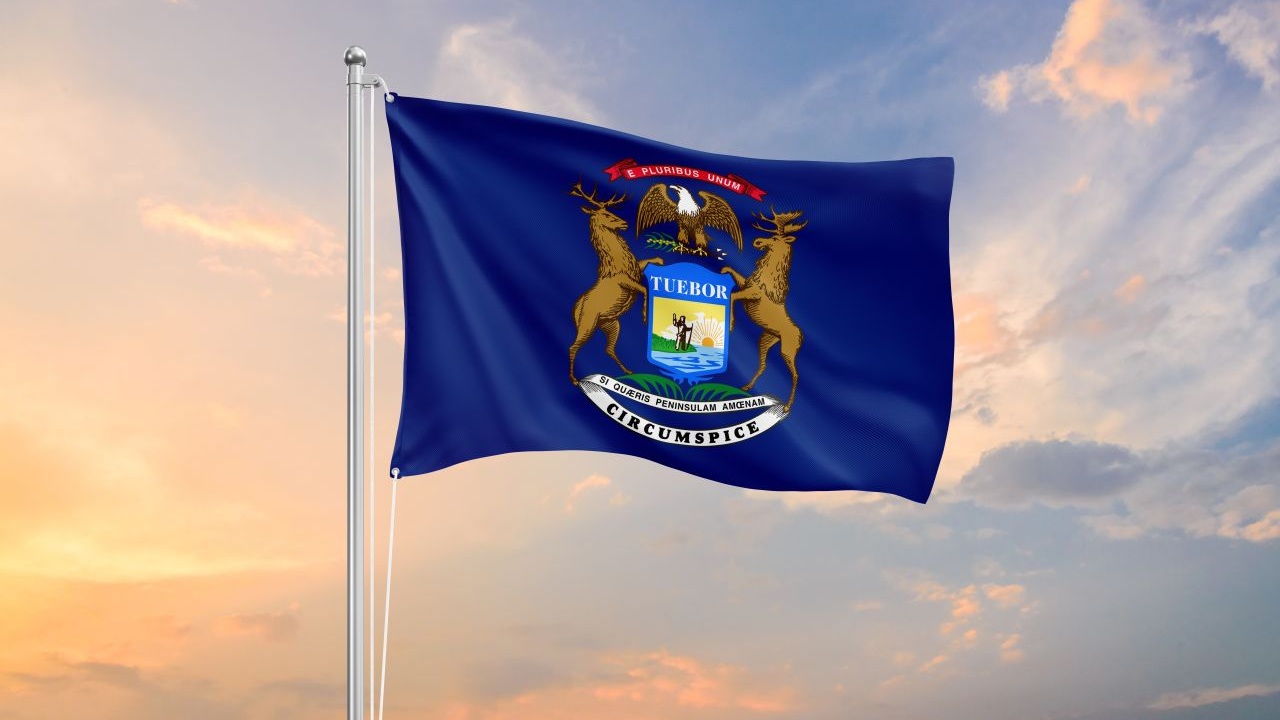
Opioid addiction remains the main cause of overdose deaths in Berrien County, Michigan. But the county’s numbers have moved substantially in the right direction. Health officials recorded 46 opioid-related overdose deaths in 2022. New data shows the figure is half that.
That decline matches statewide stats. The Wolverine State has an abundance of treatment programs from inpatient care to local Narcotics Anonymous chapters. Hannah Darr is the county’s health promotion and prevention supervisor and credited these programs for the drop in opioid-related overdose deaths across Michigan.
The Opioid Crisis in Michigan
Berrien County marked National Overdose Awareness Month in August. They had 23 fatalities, down from 46. This is a 50% cut for a county with only 153,000 people. But officials note they still have a long way to go.
Darr identified two factors behind the decline: increased access to treatment and increased access to Narcan.
That pairing reflects what public health researchers have generally found nationally as well. Naloxone distribution reduces deaths at the moment of overdose. Medication for opioid use disorder reduces the number of overdose events in the first place. Neither one alone produces the trend Berrien County is reporting.
Naloxone in Action
Andrea Loveless is a prevention specialist with the Berrien County Health Department. She says Narcan works on opioid and kratom overdoses. It doesn’t reverse overdoses involving stimulants such as methamphetamine or cocaine.
So if someone is unresponsive and you do not know what they took, administer naloxone and call 911 in that order. Getting it wrong costs nothing. Not acting can cost a life.
Kratom Draws County Attention
Beyond opioids, county officials flagged kratom as a substance under watch.
Loveless described kratom as a problem drug sold in gas stations and smoke shops with no age restriction on purchase in Michigan. Kratom’s active compounds act on opioid receptors and produce opioid-like effects at higher doses.
The Settlement Funds
Berrien County will receive $1.8 million from opioid settlements through 2040. Most of that will go to community and youth programs focused on prevention and awareness.
That’s the majority of the county’s total allocation. Officials say they need to extend care beyond overdose reversal.
Harm Reduction and Treatment
Berrien County held free drive-through Narcan training events throughout the year. Their Health Department maintains an online scheduling system for training throughout the year.
Counseling supplements harm reduction tools like naloxone and medications. Peer support like NA also opens the door to fellowship and camaraderie that carries many folks through their recovery.
NA Still a Top Option
Narcotics Anonymous hosts groups across southwest Michigan in Benton Harbor and Saint Joseph. Meeting formats include virtual options. They’re free and require no insurance, referral or ID.
NA also has chapters across the country. Our browsable directory features meetings by state and city with details on day, time, format, and meeting type.
You can also dial 800-934-1582(Sponsored) , which is free, confidential and available 24 hours a day and connects callers to local resources.
Estonia spent more than a decade with the highest overdose death rate in Europe, then broke the back of its fentanyl market in 2017. What replaced it was worse. Nitazene overdose deaths now account for half of the country’s drug-related deaths, and the same class of synthetic opioids is spreading through the United States.
The American numbers are smaller and moving in one direction. Confirmed nitazene-involved overdose deaths in the US rose from 27 in 2020 to 409 in 2024.
Nitzaones Strike Estonia
Heroin mostly disappeared from Estonia in the early 2000s. But by 2004 illicitly manufactured fentanyl had replaced it. Police seized nearly 10 kilograms of fentanyl in 2017, up from 314 grams the year before. The disruption of the main trafficking networks ended the fentanyl era abruptly by the close of that year.
The gap didn’t stay empty for long. In April 2019, Estonia became the first European country to identify isotonitazene and a new class of highly potent synthetic opioids. Drug-related deaths rose from 39 in 2022 to more than 100 in 2023. Over 2021 through 2024, 332 people died from overdoses in Estonia, 262 of them men.
Nitazenes now turn up in powders, counterfeit tablets, liquids and illegal drugs.They’ve displaced fentanyl and heroin across Estonia through Western European countries like Germany.
Nitazenes Behave Differently
Nitazenes produce a stronger, faster, sharper and shorter-lived effect than fentanyl. The clinically important part for drug users is that nitazene overdoses are harder to reverse.
Some nitazenes are now deadlier than fentanyl. They were originally intended as pain meds decades ago and never approved for medical use. The class now includes more than 20 distinct substances.
The US Picture
The DEA began tracking nitazene-related seizures around 2014 and saw a marked increase starting in 2019. Federal authorities have since scheduled dozens of nitazenes as illegal substances.
More than 1,100 US fatalities have been confirmed. Toxicologists think the real figure is higher because only a small number of labs test for nitazenes. Cases go uncounted.
The DEA’s New Orleans division issued a warning on August 25 to St. Tammany and Tangipahoa Parishes about a spike in nitazene-involved overdose deaths. They noticed that nitazenes arrived primarily through foreign chemical suppliers and mixed into fentanyl powder and heroin or pressed into counterfeit prescription pills.
That last detail concerns the exposure risk for most folks on Main Street. Someone buying what they believe is a prescription pill or a familiar bag has no way to know nitazene is in it.
Understanding the Terms
Opioids include prescription medications and synthetic compounds like fentanyl and nitazenes. Overdose happens when brain receptors overload and you slow or stop breathing.
Naloxone, sold as Narcan, reverses opioid overdose by displacing opioids from those receptors. It works on nitazenes but more than one dose may be needed as it wears off. That’s why calling 911 matters even after someone responds.
Practical steps in the US context:
- Naloxone is free through many local health departments and syringe service programs.
- More than one dose may be needed with synthetic opioids and call 911.
- Fentanyl test strips don’t detect nitazenes. Some programs now distribute nitazene-specific test strips through local harm reduction services.
- Don’t use drugs alone. Never-use-alone phone lines exist for exactly this.
Medications for opioid use disorder remain one top choice. These prescriptions reduce cravings and lower the risk of fatal overdose. Team it up with peer support rather than as an alternative.
NA Fights Any Opioid Addiction
Peer support like Narcotics Anonymous meetings give people facing drug addiction a place to start tonight, in person or online, in most US cities.
Start checking it out. Our browsable directory maintains a searchable NA meeting directory by state and city with filters for meeting type, format and language.
Also feel free to call 800-934-1582(Sponsored) 24/7 for confidential guidance alongside a live expert.
Families across Minnesota’s Iron Range are confronting a substance that sits in plain sight on gas station counters. However, it’s not regulated like an opioid in The North Star State, even though doctors say it acts like one.
Parker Martindale, a teenage boy from Cloquet, died from what his family says was a lethal amount of synthetic kratom he believed was an ordinary energy supplement. Communities across the Iron Range are organizing in his memory, and local advocates have launched a campaign warning families about the risks to young people.
Kratom and 7-OH
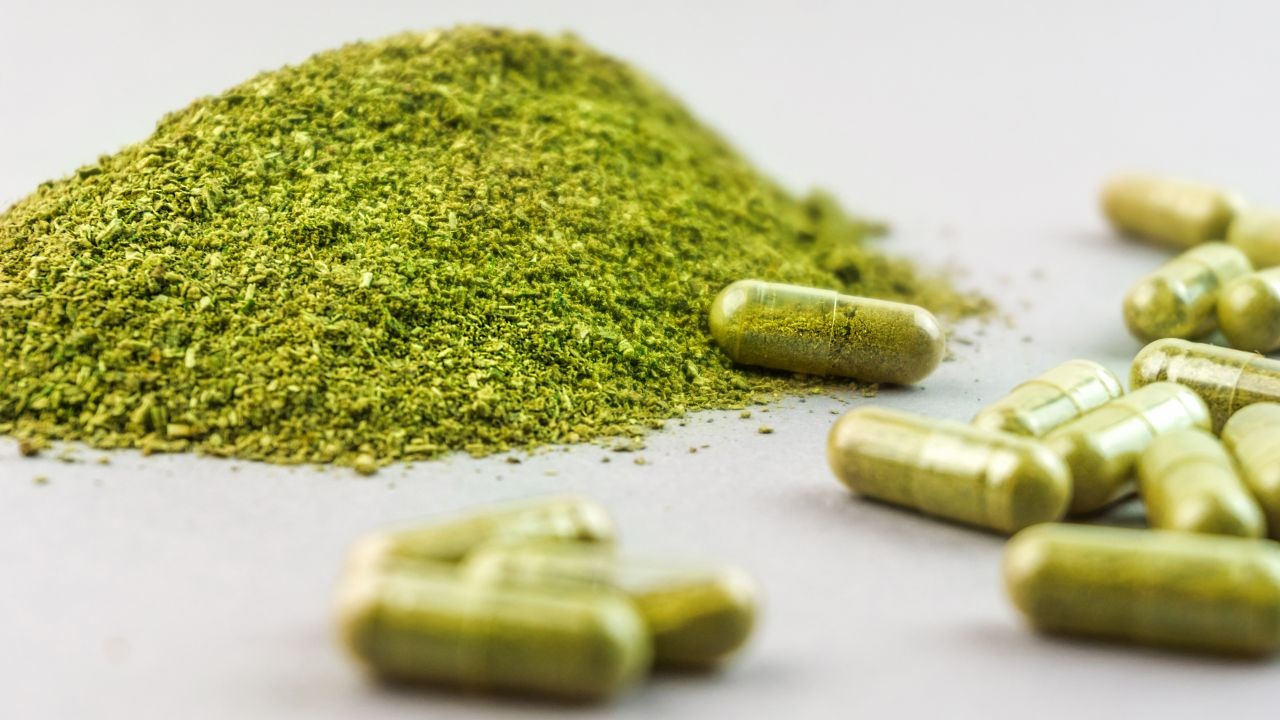
Kratom is an herbal substance derived from the leaves of the Mitragyna speciosa tree, native to Southeast Asia. It’s sold as capsules, powders, teas and liquid extracts. Kratom is also used to relieve chronic pain because of its opioid-like properties, leading to a high jump in numbers among folks who take it.
Its main active compounds are mitragynine and 7-hydroxymitragynine, commonly called 7-OH. Both interact with opioid receptors in the brain, Effects vary by dose and by how the product is consumed.
Synthetic 7-OH is sold as drinks, shots, powders, tablets, capsules and gummies, according to the Minnesota Department of Health. Many people can buy it in smoke shops and gas stations. In small amounts, kratom acts as a stimulant and is marketed as an energy booster or a way to manage anxiety. But in higher doses, it has severe effects and can kill.
Doctors on the Iron Range
Dr. Robert Pueringer is a medical toxicologist and addiction specialist at Essentia. He placed concentrated kratom in the same class of medications as fentanyl.
Without FDA regulation, there’s no oversight preventing other harmful substances from being mixed in. Accordingly, doctors told the station that the lack of control has contributed to a fivefold increase in local kratom overdoses.
Minnesota Law
Kratom isn’t federally regulated and not fully regulated at the state level either. A new Minnesota law that took effect in August raised the legal purchase age from 18 to 21.
Parker’s family has started a petition to ban kratom sales locally. However, some doctors described the regulatory question as a double-edged sword.
Stephinie Mckenzie has been organizing memorial events and questioned what happens after a legal purchase enters a household. “But what really happens after a 21-year-old purchases it and brings it home, especially when it’s marketed, like a five-hour energy drink?” she asked.
Harm Reduction and Treatment for Opioid Addiction
Because 7-OH acts on opioid receptors, the treatment tools for opioid addiction apply here.
- Naloxone aka Narcan can reverse an opioid overdose and is available without a prescription in Minnesota pharmacies. Signs of an opioid overdose include slowed or stopped breathing, blue or gray lips and fingertips and unresponsiveness. Call 911 immediately and stay with the person.
- Fentanyl test strips can identify fentanyl in a substance, though they don’t detect 7-OH or measure potency.
- For people who’ve developed dependence on concentrated kratom, stopping abruptly produces a significant withdrawal syndrome. Medically supervised withdrawal management is the safer route, and medications used for opioid use disorder are sometimes used to manage it. That decision belongs with a clinician.
Mckenzie also pointed to a gap that people in recovery on the Iron Range know well. “Not having accessible places where you can go get help, find resources, go to meetings, that adds to that number,” she noted.
Parker’s memorial event is scheduled for September 12 and will include food trucks, prizes, keynote speakers and free Narcan education. It closes with a memorial drive to dedicate a skate park bench in his honor.
NA Meetings and Treatment in Minnesota & Beyond
Peer support nevertheless remains one part of a recovery plan, alongside medical care. Accordingly, Narcotics Anonymous meetings are held across Minnesota. Many groups also meet online.
Our browsable meeting directory lets you search NA meetings by city, day, format, and meeting type. We index meetings and explain NA concepts for a general audience. You can also dial 800-934-1582(Sponsored) to speak with an expert.