 800-861-9372
For families who have lost someone to opioid addiction, the last weekend in August has become a fixed point on the calendar. The Baltimore City Health Department will hold its International Overdose Awareness Day event on Saturday, August 29. The event promises to bring city agencies, community organizations, peer recovery specialists, and Baltimore families into …
Baltimore Marks Overdose Awareness Day With Free Resource Fair
Get Help Now 800-934-1582
 Sponsored
Sponsored
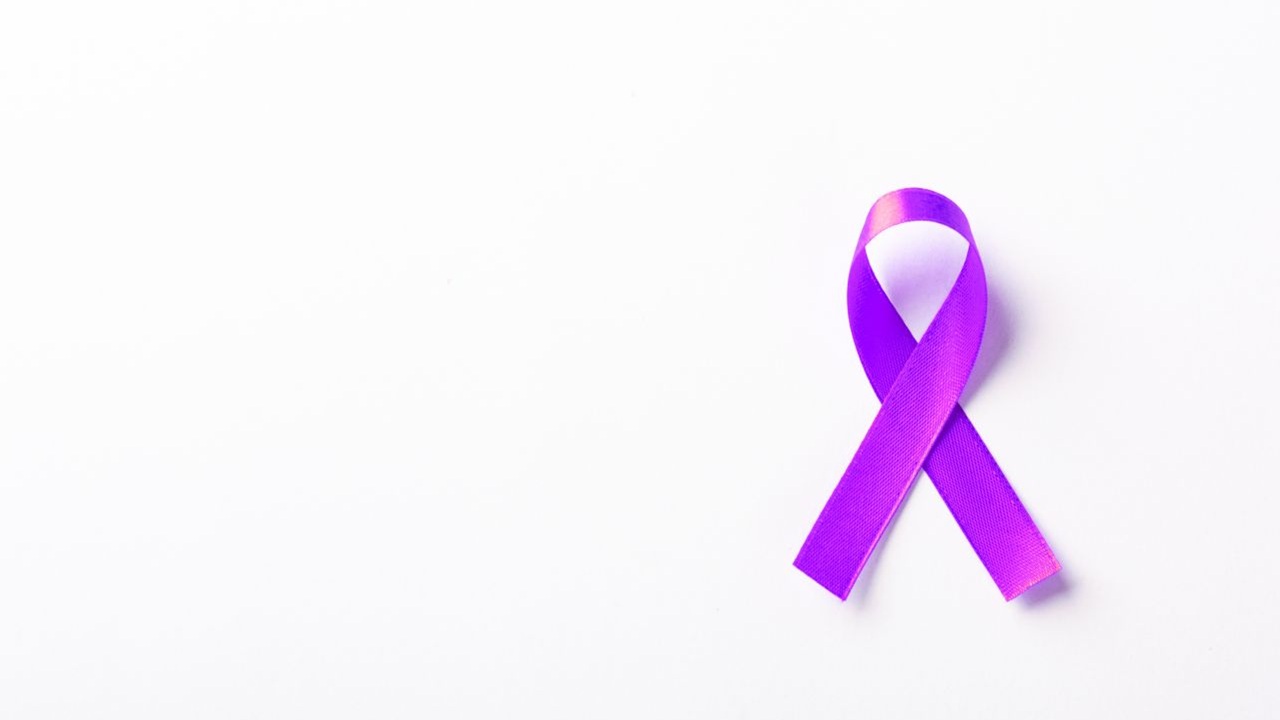
For families who have lost someone to opioid addiction, the last weekend in August has become a fixed point on the calendar. The Baltimore City Health Department will hold its International Overdose Awareness Day event on Saturday, August 29. The event promises to bring city agencies, community organizations, peer recovery specialists, and Baltimore families into one park for the afternoon.
The event runs from 11 a.m. to 4 p.m. at the Catherine/ABC Park Playground in the southwest corner of the city. The observance marks Maryland’s commitment to combating substance misuse on multiple levels, from inpatient care to local grassroots Narcotics Anonymous chapters. Indeed, Overdose Awareness Day is open to all ages and complete with free community resources, food and treats and children’s activities.
The Event
A resource fair runs the full five hours, with agencies and community groups on site. The published schedule includes a poetry performance at noon and remarks from invited guests from about 12:10 to 1 p.m.
The health department describes the day as an opportunity to honor lives lost, share the stories of people who died, and connect attendees to resources. Nevertheless, although pharmaceuticals have improved opioid distribution and prescriptions to cut down on dependencies, each loss still means a grieving family and devastated communities.
International Overdose Awareness Day is observed annually on August 31. Cities frequently hold their public events on the nearest weekend, which is why Baltimore’s falls on the 29th.
Baltimore’s Overdose Numbers
Baltimore has carried the highest overdose mortality rate of any large American metro area for years. That’s beginning to change.
Fatal overdoses in the city fell from 1,043 in 2023 to 777 in 2024, with an estimated 568 in 2025, according to Maryland Department of Health data. Statewide, Maryland recorded a decline of roughly 26% in fatal overdoses in 2025, reaching a 10-year low. These counts are preliminary and typically rise somewhat as medical examiner investigations close.
The city’s Mayor’s Office of Overdose Response published an Overdose Response Strategic Plan to cut fatal overdoses in half by 2040. The program revolves around expanded naloxone distribution, mobile treatment, peer overdose response programs and harm reduction services.
Public health officials have cautioned that citywide declines can conceal sharp increases in individual neighborhoods. Holding the gains depends on sustained investment where risk remains highest.
Behind the Decline
Officials haven’t attributed the drop to any single cause. The city’s strategic plan commits to a public dashboard and a two-year review cycle so the city can report which pieces are working.
Naloxone supply has expanded sharply alongside those declines. Maryland distributed a record 440,000 doses statewide in 2025, according to state data. Maryland’s Special Secretary of Overdose Response has publicly described the trend as measurable progress rather than chance.
Fentanyl and a Shifting Drug Supply
Still, the crisis continues. Opioids include prescription medications and street drugs like fentanyl. Fentanyl is significantly deadlier than heroin and is often present in other drugs without the person knowing. That’s why overdoses can occur on a first exposure or after a period of not using.
Signs of an opioid overdose include stopped breathing, unresponsiveness, blue or gray lips and fingertips and gurgling or choking sounds. Call 911 without delay and give naloxone if available.
Fentanyl remains the principal driver of overdose deaths, but the supply itself is changing. Laboratory data found the share of patients testing positive for methamphetamine more than doubled between 2023 and 2025, rising from 2% to 5%, with stimulant use appearing more often without fentanyl alongside it. Cocaine still accounts for most stimulant use in Maryland.
For anyone using or supporting someone who uses, keep in mind that a supply that constantly changes makes any single assumption about what a substance contains unreliable.
Treatment and Peer Support for Opioid Addiction
Naloxone, sold under the brand name Narcan, reverses an opioid overdose. It has no effect on someone who has not taken opioids. If you administer it to someone who doesn’t need it, nothing will happen.
Medications for opioid use disorder remain the most effective treatments available for opioid addiction and are supported by extensive clinical evidence. They’re frequently combined with counseling, and Maryland Medicaid covers them.
Peer support works alongside medication rather than in competition with it. Narcotics Anonymous is a free, member-run fellowship for people recovering from drug addiction, and Baltimore has an active meeting network including open meetings that anyone may attend and closed meetings for people who identify as having an addiction.
Peer recovery specialists will be present at the August 29 event and can connect people to treatment and support based on their own recovery experience.
Recovery paths differ. Some people use medication, some use NA or another fellowship, some use therapy or residential treatment, and many combine several. No option requires choosing one at the expense of another.
Help in Baltimore
Getting started with NA is often a first and lasting step towards recovery. To find a meeting in any neighborhood across the nation, browse our meeting directory. We have filters for virtual meetings, Spanish-language meetings and beginners meetings.
You can also dial 800-934-1582(Sponsored) to speak with an expert and explore treatment options.
the Take-Away