 800-861-9372

Most people given opioids for short-term pain stop taking them well before the pain is gone. That’s the reassuring finding from a large new federally supported study. The harder finding is what stays behind in the medicine cabinet, and why leftover pills should be properly trashed. However, many prescriptions stay in the cabinet, which leads …
2 in 3 Patients Had Leftover Opioid Pills, JAMA Finds
Get Help Now 800-934-1582
 Sponsored
Sponsored
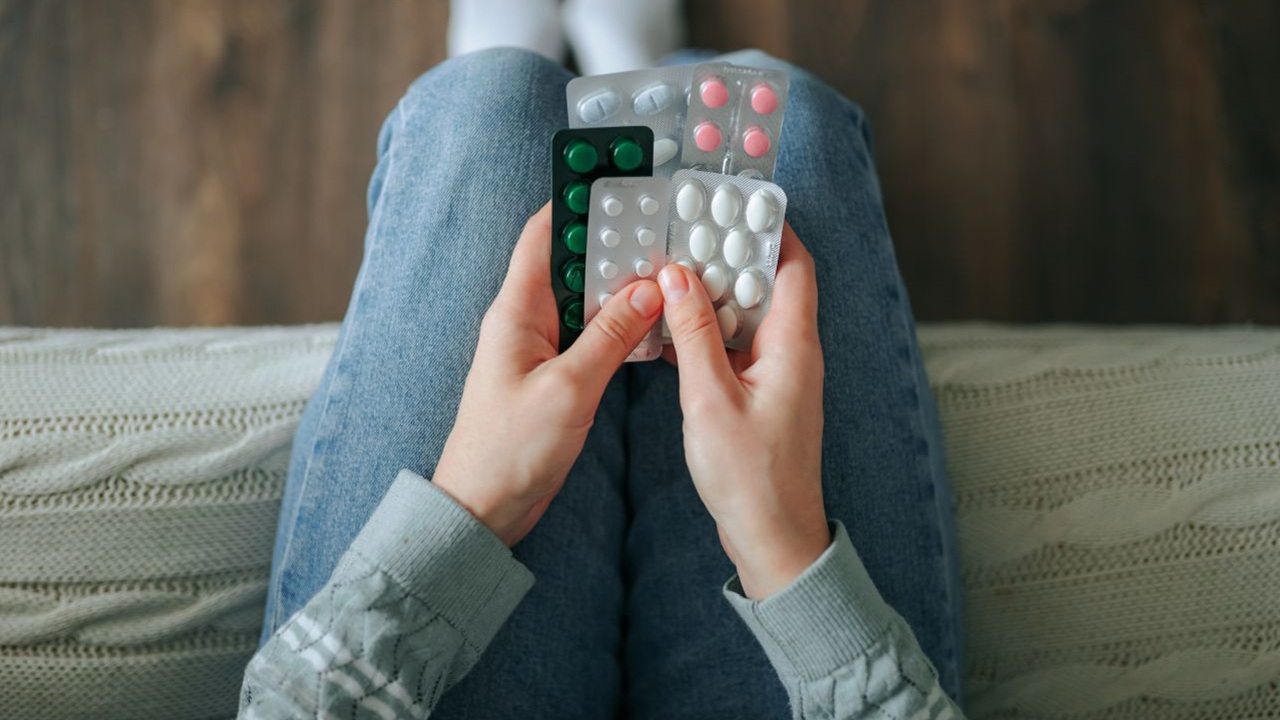
Most people given opioids for short-term pain stop taking them well before the pain is gone. That’s the reassuring finding from a large new federally supported study. The harder finding is what stays behind in the medicine cabinet, and why leftover pills should be properly trashed. However, many prescriptions stay in the cabinet, which leads to risks of opioid addiction and overdose.
Researchers reported that roughly two in three patients had unused opioid tablets after an acute pain episode. The study was backed by the Food and Drug Administration and is intended to inform FDA guidance on prescribing for specific conditions.
Opioids and Overdose Risk
Let’s take a step back and look at the bigger picture. Opioids include prescription medications such as oxycodone, hydrocodone, morphine and codeine alongside heroin and fentanyl. With sustained use the body adapts, so more is needed for the same effect and stopping produces withdrawal.
Most overdose deaths in the United States now involve illicitly manufactured fentanyl rather than prescribed medication. So, leftover pills matter less as a direct overdose source than as a first exposure on a path toward opioid addiction. An opioid overdose produces unresponsiveness, very slow or stopped breathing, and blue or gray lips and fingertips.
The Study Tracked Opioid Pills
The prospective cohort study followed 1,708 opioid-naive patients between September 2020 and March 2023. They came from Cedars-Sinai Medical Center, Mayo Clinic, Monument Health, the University of Alabama at Birmingham and Yale-New Haven Health. Dental practices in several Southeastern states also participated. Molly Moore Jeffery of Mayo Clinic led the study. The analysis ran from April 2023 to February 2026.
Patients were enrolled from emergency departments, primary and urgent care clinics, dental practices, and after cesarean delivery or knee replacement who opted for opioids following surgery rather than without. All were adults who had never used opioids, apart from adolescents aged 15 to 17 having impacted molars removed at one site. Participants completed digital surveys for up to 180 days tracking pain, medication use, and side effects.
Opioid Use Ended Before Pain Did
Among the 1,502 patients who reported a pain level at least once, pain took a median of 20 days to resolve, regardless of which treatment they received. Median opioid use lasted 7 days.
That gap is the study’s central observation. Most participants stopped taking opioids while still in some pain, which suggests they used their meds for the worst stretch of the episode rather than until full recovery. This find correlated with other research that shows opioids don’t ease long-term pain.
Recovery time varied sharply by condition. Surgical pain took a median of 74 days to resolve and low back pain 69 days, while kidney stone pain resolved in a median of 8 days.
The authors concluded that many patients are well served by current guidance recommending a short initial opioid prescription. Some patients needed opioids longer and that treatment should be tailored to individual needs.
Leftover Pills and Opioid Addiction Risk
About 67% of participants reported having leftover opioids. The study documented that surplus but did not track what happened to it.
That distinction matters. Unused opioids sitting in homes create routes to diversion, accidental ingestion by children, and unsupervised use later by the patient or someone else. The FDA has previously noted that studies of post-surgical prescribing commonly find a majority of dispensed tablets go unused.
The practical response is unglamorous. One simple way to decrease the risk of addiction is to ask for the smallest quantity that covers the worst days, store it securely, and dispose of the rest.
Those Who Kept Using Longest
Roughly 10% of participants continued using opioids for at least 90 days. Persistence was highest among those who reported frequent pain in the six months before enrolling.
Prolonged use isn’t the same as opioid addiction, and the study diagnosed no one. It measured how long people took medication, not who developed a disorder. Extended use is, however, a recognized signal that warrants clinical attention rather than an automatic refill.
The findings are descriptive and can’t establish cause and effect. Treatment data came from patient self-report rather than confirmation against pharmacy or health records. Enrollment was complicated by the COVID-19 pandemic and by technical problems linking patient accounts to health records. The study also didn’t compare opioids against nonopioid treatment head to head.
Harm Reduction and Treatment Options
Naloxone reverses an opioid overdose and works within minutes. Fentanyl test strips can detect fentanyl in a supply, though not how much is present.
Medication for opioid use disorder, including methadone, buprenorphine, and naltrexone, reduces overdose death.
Peer support is a complementary path. Narcotics Anonymous meetings are free and require no insurance, referral, or diagnosis, and many people use medication and peer support together.
NA Fights Opioid Addiction
To dispose of leftover medication, the Drug Enforcement Administration maintains a year-round collection site locator, and many pharmacies accept returns.
If you want support, feel free to browse our directory to find NA meetings by state and city, including online and Spanish-language options. For those seeking treatment, call 800-934-1582(Sponsored) and ask our experts specifically about medications and whether it continues after any inpatient stay.
the Take-Away