 800-861-9372
Utah has confirmed that medetomidine, a veterinary sedative, is present in its illicit drug supply. The state’s task forces for opioids and fentanyl zeroed in and identified the substance that can complicate treatment and recovery efforts via naloxone. While this news is alarming, Utah residents do have options. The Beehive State offers a wide range …
Utah Detects Medetomidine in Street Drugs but Urges Naloxone
Get Help Now 800-934-1582
 Sponsored
Sponsored
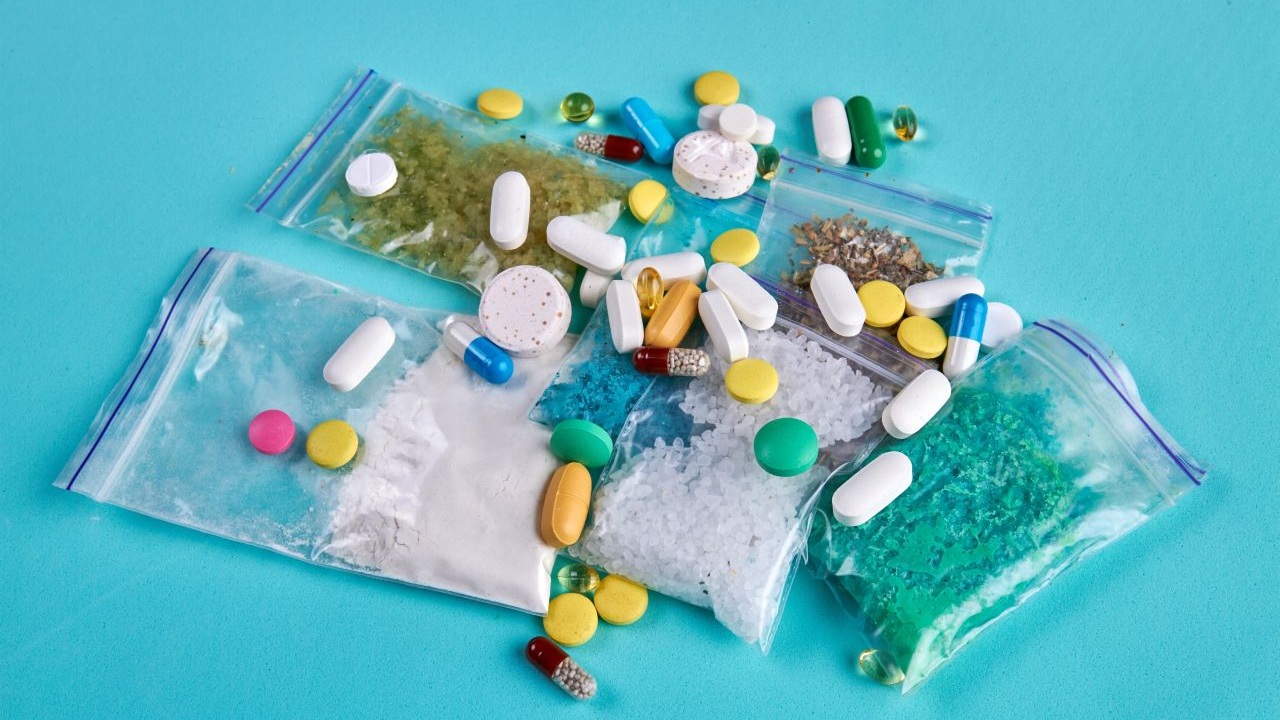
Utah has confirmed that medetomidine, a veterinary sedative, is present in its illicit drug supply. The state’s task forces for opioids and fentanyl zeroed in and identified the substance that can complicate treatment and recovery efforts via naloxone.
While this news is alarming, Utah residents do have options. The Beehive State offers a wide range of programs to combat substance misuse, starting with Narcotics Anonymous chapters at the community level on up to inpatient care. State officials also paired the announcement with an unusually specific set of instructions for what to do when someone overdoses.
The headline fact is that naloxone, sold as Narcan, doesn’t reverse medetomidine. The more useful fact, and the one state officials put front and center, is that naloxone still matters in every single overdose response. Medetomidine is usually mixed into fentanyl and other opioids, and naloxone reverses those.
Utah Officials’ Findings
Medetomidine is a sedative used in veterinary medicine and isn’t an opioid, which is why naloxone has no effect on it. Authorities first detected medetomidine in street drugs back in 2022 and linked it to a spike in overdose cases. State officials described it as more potent than xylazine, the veterinary sedative that has circulated in the fentanyl supply for several years.
The detection itself is the news for Utah residents. The Department of Public Safety framed it as information that lets overdose prevention, public health, and public safety partners issue timely guidance. Its underscores the need for continued surveillance, education, and access to overdose prevention tools.
“The illicit drug supply continues to evolve,” the two task forces noted in a joint statement, describing recognizing an overdose, responding quickly, calling 911, carrying naloxone, and educating folks as the actions that make the difference while help is on the way.
Naloxone Still Belongs in Your Pocket
This is the point where reporting on sedative adulterants often goes wrong. A person reading that naloxone cannot reverse medetomidine could reasonably conclude naloxone is no longer worth carrying. Utah officials stated the opposite.
Since medetomidine travels inside a fentanyl supply, the opioid part of an overdose is still responsible for someone not breathing, and naloxone reverses that. What changes is what recovery from the overdose looks like. Someone may remain unconscious after naloxone works, because the sedative is still active, even though their breathing has come back.
Respond to an Overdose
The Department of Public Safety published step-by-step guidance for anyone who encounters a suspected overdose:
- Call 911 immediately
- Administer naloxone. It won’t reverse medetomidine, but it reverses any present fentanyl, nitazenes, heroin, morphine and other opioids
- Focus on breathing rather than wakefulness. A victim might remain unconscious after naloxone while breathing normally again, which means it’s working
- Give rescue breaths if the person doesn’t breathe adequately
- Place them in the recovery position if they’re breathing on their own while waiting for EMS
- Keep monitoring and give more naloxone if breathing slows or stops again
Keep in mind that breathing remains critical. Judging naloxone by whether someone wakes up, rather than whether they start breathing, can lead a bystander to think it failed and stop responding.
Treating Medetomidine and Fentanyl
Fentanyl is a synthetic opioid potent enough that very small amounts can suppress breathing. Nitazenes are a separate class of synthetic opioids also appearing in the supply. Both respond to naloxone.
Medetomidine and xylazine belong to a different drug class entirely. They produce deep sedation, and they’re added to opioid supplies rather than sought out by the people using them. Nobody buying fentanyl in Utah chooses medetomidine.
For a person who uses drugs or spends time around someone who does, the practical response to this news bears repeating. Carry naloxone. Carry more than one dose. Don’t take drugs alone if at all possible. Call 911 even when naloxone appears to work.
For someone thinking about treatment, medication for opioid use disorder remains the evidence-based standard regardless of what is mixed into the supply. Methadone, buprenorphine, and naltrexone are all approved options, and the fact that adulterants get harder to predict is a reason to consider medication rather than a reason to wait.
Peer support is available alongside that. NA meetings run daily in most Utah cities, including in-person, virtual, and Spanish-language formats, and they do not cost anything or require a commitment to attend a first time.
Help for Opioid Addiction Begins with NA
Anyone in Utah or anywhere else in the country looking for a next step can search NA chapters by city to start. Dialing 800-934-1582(Sponsored) to speak with an expert is a free and confidential way to start recovery.
Our directory can also be handy. You can browse our national listings of NA meetings and can connect people with opioid treatment programs. Call to talk through options for yourself or someone you care about.
the Take-Away