 800-861-9372

A community group in Klamath Falls in Oregon bets that honest conversation outpaces a drug supply that keeps killing youngsters. Citizens for Safe Schools screened “Real Talk About Fake Pills,” a film about fentapills, counterfeit pills made of fentanyl and hosted an expert panel at the Ross Ragland Cultural Center. The evening drew 45 community …
Oregon Group Launches Series on Fake Fentanyl Pills
Get Help Now 800-934-1582
 Sponsored
Sponsored
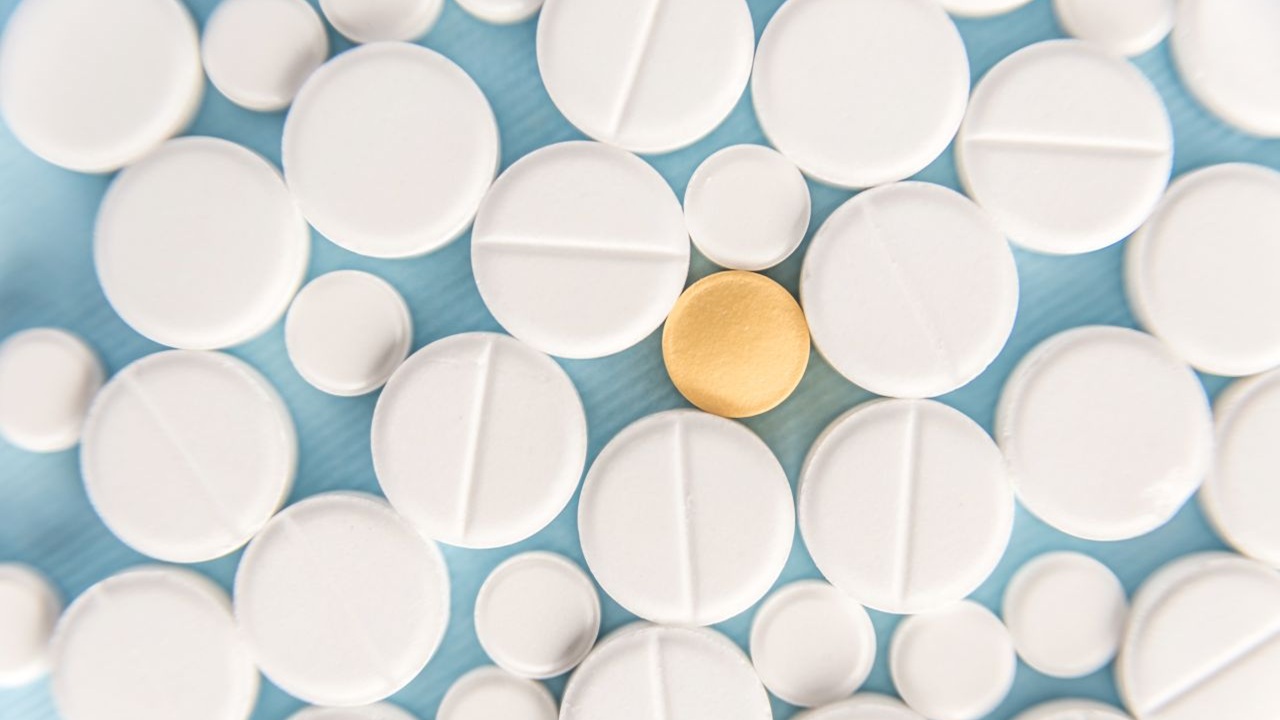
A community group in Klamath Falls in Oregon bets that honest conversation outpaces a drug supply that keeps killing youngsters. Citizens for Safe Schools screened “Real Talk About Fake Pills,” a film about fentapills, counterfeit pills made of fentanyl and hosted an expert panel at the Ross Ragland Cultural Center. The evening drew 45 community members and an earlier screening the same day at Brixner Junior High reached about 200 students.
Oregon certainly boasts many programs to counter addictions and local Narcotics Anonymous groups focus on community care. But many folks continue to fall through the cracks. With this in mind, the group plans to make the event quarterly.
The Numbers Behind the Screenings
Klamath County has an overdose rate of 35.5 per 100,000 in 2024, down from a peak of 48.3 in 2025. It’s progress, but with a caveat. Fentanyl, an opioid about 100x deadlier than morphine, remains the most common drug found in Oregon overdose deaths. In 2024, 68% of fatal overdoses in the state involved fentanyl.
The film was produced by Song for Charlie, a family-led nonprofit. The movie follows folks affected by fake pills and offers a warning for teenagers. Pills bought online or on streetcorners might have fentanyl mixed in without you ever knowing. A single counterfeit pill can kill.
Teaching Families
Makenzie Folsom is prevention and outreach coordinator for Klamath Basin Behavioral Health, and emceed the event. The panel included Nora Foster, a director at Lutheran Community Services; Sabrina Garcia, a certified drug and alcohol counselor; Dr. Nellie Wirsing; and youth experts Iris McCray and Zaydin Wilson.
The talk centered on how to talk to a loved one about opioid addiction and finding help. Garcia reminded the audience that Good Samaritan laws protect people who call 911 or administer naloxone during an overdose. She keeps naloxone throughout her own home and talks with her children about it regularly.
The youth panelists advised adults to start conversations in a low-stress environment, ask open-ended questions and be ready to hear that the problems young people face might not match adult expectations. Listening without judgment gives kids a chance to say what is actually on their minds.
The Audience Noticed the Difference
Several teenage attendees noted the format hit in a way school assemblies often don’t. Daniel Rossiter called it “very educational on how to approach someone who needs help.” Ximena Dodson-Morrison compared it with other events she had attended.
“They acted like they care more. She brought up stuff people don’t normally talk about.
She felt there was “absolutely no judgment” in the room. Ozzie Morrison-Rodriguez had a simpler review: “More young people need to show up!”
For families looking for naloxone resources in the area, Klamath County maintains a naloxone resource page on the county website.
NA Helps
Teens and any other age group can also lean on their peers when times get rough. Narcotics Anonymous features free and nonjudgmental groups just for adolescents and family members impacted by drugs. You can locate one close by via our browsable directory.
Or, simply call 800-934-1582(Sponsored) and chat with an expert.
the Take-Away