 800-861-9372

Childbirth is often a celebration. But women in recovery from opioids might feel like walking through a minefield. A Kaiser Health News story follows one California mom whose sober delivery plan involved fentanyl, wildfire evacuations and Percocet. Even though California boasts many inpatient and local community efforts like Narcotics Anonymous, in this case, careful preparation …
Opioid Addiction Raises Stakes for New Moms in Recovery
Get Help Now 800-934-1582
 Sponsored
Sponsored
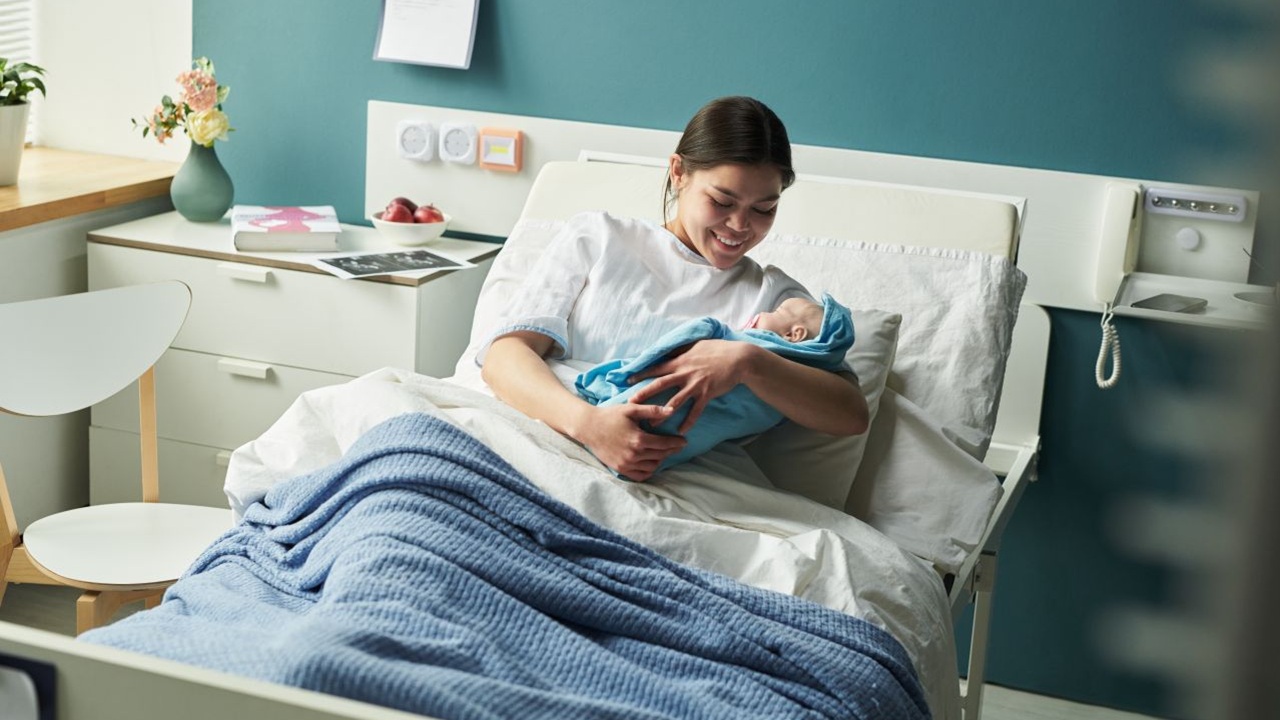
Childbirth is often a celebration. But women in recovery from opioids might feel like walking through a minefield. A Kaiser Health News story follows one California mom whose sober delivery plan involved fentanyl, wildfire evacuations and Percocet. Even though California boasts many inpatient and local community efforts like Narcotics Anonymous, in this case, careful preparation carried her through.
Nicole Veum spent her early 20s using prescription opioids before she got into treatment. Nine years later, she and her husband planned to have a baby. Long before labor, she told her doctor that if she needed an epidural, she didn’t want fentanyl in it.
Fentanyl in an Epidural Worries Moms in Recovery
An epidural typically combines a numbing agent with fentanyl. Anesthesiologists say only a little pass into the bloodstream. Most patients aren’t concerned.
A woman recovering from opioid addiction knows the stakes are different. Veum had watched friends get epidurals and enjoy the floaty feeling that came with them.
“I didn’t want that to be a part of my story.”
The good news is that a fentanyl-free epidural is easy to formulate. They can use a substitute painkiller or a higher concentration of numbing agent.
“There’s no medical reason why someone should be forced to be exposed to opioids if they don’t want to,” noted Dr. Kelly Pfeifer, a family physician and addiction expert who directs high-value care at the California Health Care Foundation.
Women managing opioid addiction with methadone or buprenorphine during pregnancy also need to know which labor pain meds to safely take. Nubain, a narcotic common during delivery, can overcome methadone or buprenorphine and send the patient into sudden withdrawal.
“Suddenly, you’re in the middle of labor, which is already painful, and now you’re in the middle of the worst withdrawal of your life,” Pfeifer pointed out.
The Opioid Crisis in Delivery Rooms
Women who had uncomplicated vaginal births used to be sent home with 30-day supplies of Norco or Percocet. A 2017 study of 164,000+ Pennsylvania Medicaid patients who gave birth vaginally saw that 12% filled an opioid prescription afterward, most without a clear medical need.
Now obstetricians issue tighter guidelines and reserve opioids for after cesarean sections and in limited amounts. That’s because the risk of addiction jumps as early as the third day of taking them.
Peer Support Carried Her Through
Veum’s test was an ordeal. She went into active labor on October 8, 2017, the night the Wine Country wildfires ignited near her Santa Rosa hospital. During the evacuation, the special epidural instructions were lost and she spotted fentanyl on the tubing.
After a C-section, she went home with Percocet. Her husband held the bottle and controlled doses.
Venum eventually called a friend also in recovery so they could talk it through. She’s now raising her son, returned to college after a 14-year break and loving motherhood.
Finding Help for Opioid Addiction
Those who are pregnant or planning pregnancy while in recovery from opioid addiction should tell their care team early, make a written pain plan, and line up peer support before delivery.
Peer support remains a first and lasting comfort throughout pregnancy and beyond. You can easily find an NA chapter anywhere in the country via our online directory.
Feel free to also dial 800-934-1582(Sponsored) to talk through opioid treatment plans with an expert.
the Take-Away