 800-861-9372

Trending Topics

CDC Finds Kidney Injury in One Third of Overdose Hospitalizations
A recent clinical trial has produced the strongest evidence yet that a common generic antidepressant can help reduce methamphetamine use. This is a significant development in narcotic addiction treatment as no FDA-approved medication currently exists for the disorder. An impressive array of programs and services already addresses many facets of addiction, from grassroots Narcotics Anonymous …



 Sponsored
Latest News

Social Media is Fueling the Opioid Crisis Among Youth
The opioid crisis has found a new pipeline, and it fits in a teenager’s pocket. Dealers are increasingly using social media platforms including TikTok, Instagram and Snapchat to market and sell opioids directly to young people. The result: accelerating overdose deaths and deepening the reach of youth narcotic addiction across the country. The Opioid Crisis …
Read More
New Synthetic Opioids May Overwhelm Standard Naloxone Doses
A peer-reviewed study is sending a critical warning through the opioid crisis community that the standard dose of naloxone (Narcan) may not be enough to reverse an overdose from newer synthetic opioids. For the millions of Americans affected by opioid addiction, not to mention the bystanders, families, and first responders trying to save lives, this …
Read More
TikTok Data Reveals Patterns in the Opioid Addiction Crisis
Public health researchers tracking the opioid addiction crisis have long struggled with a fundamental problem: the data they rely on lags behind reality by months or years. By the time official overdose statistics are published, the crisis has already shifted. A new study published in npj Digital Medicine suggests an unlikely source may close that …
Read More
San Francisco Opioid Addiction Ranks Second Worst in US
San Francisco now holds one of the most sobering distinctions in the country when it comes to opioid addiction. New federal data shows the city has the second-highest fatal overdose rate of any large jurisdiction in the United States, trailing only Baltimore in a crisis that has proven far harder to reverse on the West …
Read More
Orphines Are a New Opioid Threat Stronger Than Fentanyl
A dangerous new class of synthetic opioids is spreading through the illicit drug supply, and for people living with opioid addiction, the stakes just got higher. Since last fall, synthetic opioids called orphines have begun appearing in street drugs, far more potent than fentanyl and undetectable by standard toxicology tests. The Opioid Crisis by the …
Read More
Animal Sedative Fuels New York Opioid Crisis
A dangerous new adulterant is quietly reshaping the opioid supply in New York, and it doesn’t respond to naloxone. For anyone navigating opioid addiction, this development changes what an overdose looks like and what it takes to survive one. New York has done a remarkable job in battling the opioid crisis. The Knickerbocker State offers …
Read More
Cuts to Naloxone Funding Spark Opioid Overdose Debate in Missouri
A Missouri state budget decision cuts the funding for naloxone, an opioid overdose reversal medication, by more than half. The decision sets off a heated debate between fiscal conservatives focused on long-term solvency and public health advocates who warn the reduced funds will cost lives. The outcome is still being negotiated in the state Senate …
Read More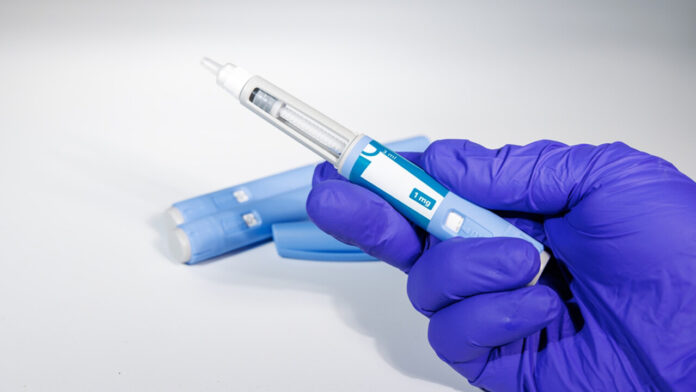
GLP-1 Drugs Show Promise for Pain Management and Opioid Addiction
A new class of diabetes and weight-loss drugs is drawing attention from researchers, and the early data on opioid addiction may be the most compelling signal yet. GLP-1 receptor agonists, the drug class that includes semaglutide (sold as Ozempic and Wegovy), appear to reduce cravings, lower overdose risk and decrease substance use disorder diagnoses in …
Read More
Mindfulness Yoga Cuts Relapse Risk in Narcotic Addiction Study
A peer-reviewed clinical trial offers new evidence that mindfulness yoga can meaningfully reduce relapse risk in narcotic addiction. It works not through a prescription pad, but through breath, movement and awareness practiced three times a week over six months. The findings arrive as researchers continue searching for affordable and doable non-pharmacological tools to support people …
Read More