 800-861-9372

At Mass General Brigham, an opioid overdose is no longer treated as a crisis to stabilize and discharge. Emergency departments across the Boston, Massachusetts-based system now start opioid addiction treatment during the visit itself, using buprenorphine, a medication that reduces the risk of death by more than 50 percent for people with opioid use disorder. …
Mass General Brigham EDs Start Opioid Treatment That Halves Death Risk
Get Help Now 800-934-1582
 Sponsored
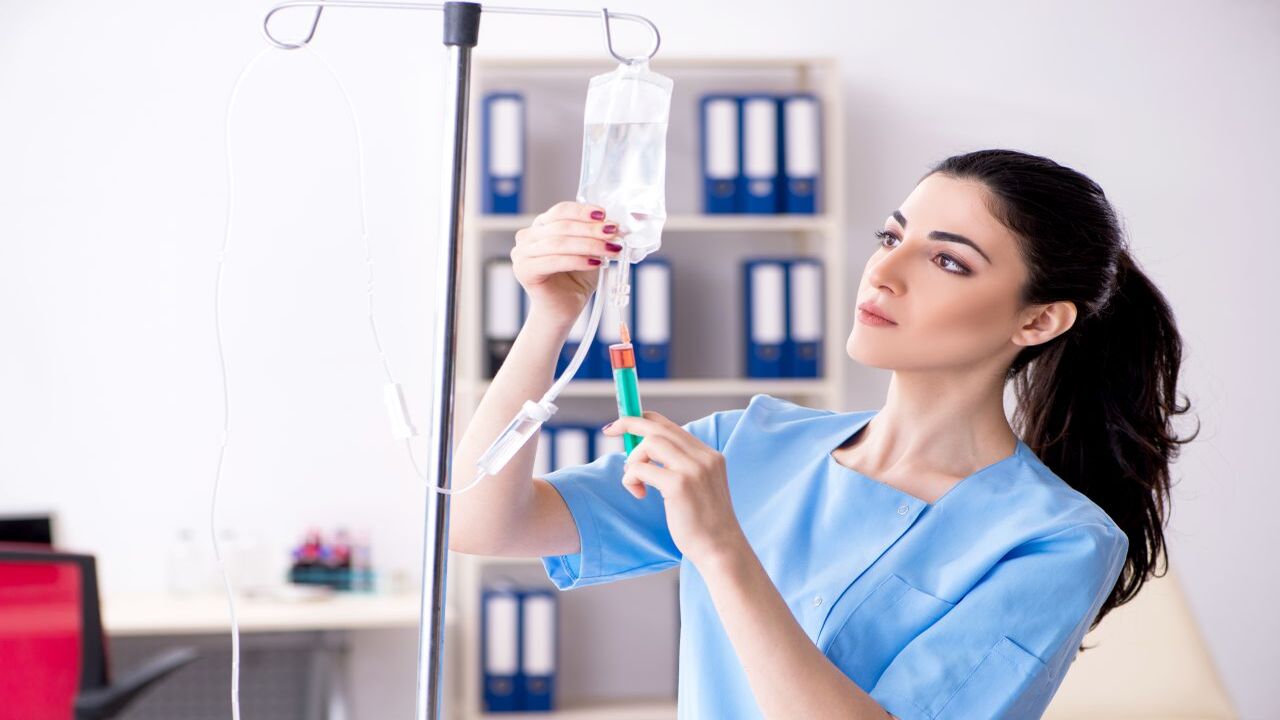
At Mass General Brigham, an opioid overdose is no longer treated as a crisis to stabilize and discharge. Emergency departments across the Boston, Massachusetts-based system now start opioid addiction treatment during the visit itself, using buprenorphine, a medication that reduces the risk of death by more than 50 percent for people with opioid use disorder.
How the Boston, Massachusetts Model Works
Emergency physicians start medication during the visit. An addiction consult team comes to the bedside. Low-barrier bridge clinics continue treatment after discharge, accepting walk-ins without appointments and offering both in-person and telemedicine care.
The model grew out of a partnership between Addiction Medicine and Emergency Medicine at Massachusetts General Hospital that began more than a decade ago, when prescribing medication for opioid use disorder in the ED was far from routine.
Physicians then needed eight hours of specialized training before they could prescribe buprenorphine. Nearly every Massachusetts General Hospital emergency physician completed it, and the same training now fits inside a regular faculty meeting.
“We can start the patient’s care in the ED, but then Dr. Wakeman’s team in the bridge clinic continues it,” said Dr. Ali S. Raja, chair of the Department of Emergency Medicine at Mass General Brigham.
Why the Emergency Visit Is the Starting Point
Starting buprenorphine, sold under the brand name Suboxone, in the ED and offering follow-up care through a bridge clinic reduces subsequent opioid use.
The timing solves a concrete problem. A patient can arrive in the middle of the night, when every outpatient clinic is closed. Without medication started in the ED and enough supply to cover the gap until follow-up, an otherwise successful referral can break down.
“So many of our patients come through the ED,” said Dr. Sarah Wakeman, director of the Program for Substance Use and Addiction Services at Mass General Brigham. “It’s a critical touchpoint where we have an opportunity to initiate lifesaving treatment.”
Salem Hospital and Cooley Dickinson Hospital Are Next
A new interprofessional addiction consult team launched at Brigham and Women’s Hospital on July 1, giving emergency physicians and other care teams seven-day-a-week access to addiction specialists who come to the bedside, engage patients, and help guide treatment decisions. The same model runs at Brigham and Women’s Faulkner Hospital.
Clinicians at Salem Hospital, where the ED treats a large population of patients with opioid use disorder, are beginning training in the model. A federal grant will establish an addiction consult team and a bridge clinic at Cooley Dickinson Hospital, extending the approach to Western Massachusetts.
“The goal is simple,” Wakeman said. “Regardless of which ED you walk into or what hospital campus you show up at, you have access to the same quality of care and the same types of services.”
Opioid Use Disorder Treated Like Stroke and Sepsis
Mass General Brigham tracks ED-initiated treatment as a key metric on the emergency departments’ High-Reliability Organization scorecard, which Emergency Medicine leadership monitors and addresses.
“Opioid use disorder is like any another emergency condition,” Raja said. “We focus on it just much as we focus on things like stroke and sepsis care.”
Wakeman framed the system-wide push as a quality imperative and a chance to save lives. “We have these wildly effective tools that have, in the past, been so underutilized,” she said.
Questions to Ask Before an ED Discharge
If you or someone you love is treated for an opioid overdose or withdrawal, ask the care team two questions before leaving. Can buprenorphine start today, and where does follow-up happen this week?
Narcotics.com covers how buprenorphine, methadone, and naltrexone treat opioid addiction and tracks where treatment access is growing, from hospital emergency rooms to pharmacy counters. You can also search Narcotics.com’s directory to find NA meetings near you or call 800-934-1582(Sponsored) to speak with a treatment advisor.
the Take-Away