 800-861-9372

Surviving a drug overdose is not always the end of the medical emergency. A new CDC analysis of nearly 1.3 million overdose hospitalizations found that one third of patients developed acute kidney injury, and most of those patients went on to dialysis, respiratory failure, shock, or death in the hospital. For people with opioid addiction, …
CDC Finds Kidney Injury in One Third of Overdose Hospitalizations
Written By Peter Lee
Get Help Now 800-934-1582
 Sponsored
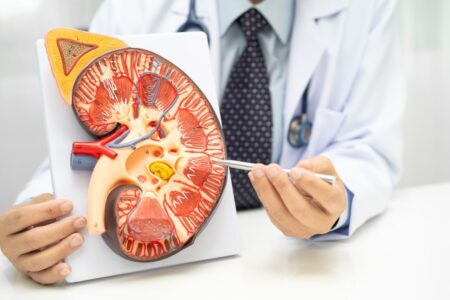
Surviving a drug overdose is not always the end of the medical emergency. A new CDC analysis of nearly 1.3 million overdose hospitalizations found that one third of patients developed acute kidney injury, and most of those patients went on to dialysis, respiratory failure, shock, or death in the hospital. For people with opioid addiction, the injury adds a long-term risk that standard overdose statistics do not capture.
The study, published in the agency’s Morbidity and Mortality Weekly Report, examined hospital discharge records from 2016 to 2025 in the Premier Healthcare Database, which covers roughly 1,400 hospitals and about 25 percent of annual U.S. inpatient admissions. Researchers tracked overdoses involving opioids, cocaine, or psychostimulants, the drug classes most common in U.S. overdose deaths.
What the CDC Found in 1.3 Million Overdose Hospitalizations
Among 1,297,847 drug overdose hospitalizations, 448,136 patients, or 34.5 percent, were diagnosed with acute kidney injury. Of those patients, 273,093, or 60.9 percent, experienced what researchers classified as a severe inpatient course, meaning acute dialysis, respiratory compromise, shock or hypotension, or in-hospital death.
Acute kidney injury is a sudden loss of kidney function that raises the later risk of chronic kidney disease, kidney failure, and death. The report cites cost estimates of $1,795 in additional costs per hospitalization for the injury and $11,016 more when dialysis is required.
Kidney Injury Hit Younger Overdose Patients Hardest
Older patients were more likely to develop kidney injury after an overdose, at 37.4 percent of patients 65 and older compared with 28.2 percent of patients 24 and younger.
The pattern reversed for severity. Among patients who did develop kidney injury, 68.1 percent of those 24 and younger had a severe inpatient course, the highest of any age group, compared with 56.1 percent of patients 65 and older.
Men developed kidney injury at a higher rate than women, 38.1 percent against 29.4 percent, while women with kidney injury were slightly more likely to take a severe course, 61.9 percent against 60.4 percent. The report notes younger patients may face more cumulative years at risk for chronic kidney disease after an overdose-related injury.
Overdose Kidney Injury Rates Turned Down After 2022
The share of overdose hospitalizations involving kidney injury rose from 2016 to 2022 at an annual rate of 2.69 percent, then fell from 2022 to 2025 at an annual rate of 5.11 percent.
Severe inpatient courses among kidney injury patients climbed from 2016 to 2023 at 1.82 percent a year before declining 2.89 percent a year through 2025. The downturn tracks the same period in which U.S. overdose deaths began to decline.
The authors write that overdose-related kidney injury may be partly preventable, because it follows an identifiable exposure. They point to expanded naloxone distribution, wider access to substance use treatment, and timely medical evaluation after a suspected overdose as the levers that reduce it.
Follow-Up Kidney Care After Overdose Lags Behind
Clinical guidelines recommend a kidney function assessment within three months of an acute kidney injury. Among Medicare beneficiaries in 2023, only 13.6 percent received that follow-up, below the Healthy People 2030 target of 16.4 percent.
The report urges hospitals to link overdose patients with kidney injury to postdischarge kidney care and to substance use treatment that can prevent the next overdose.
Naloxone and Opioid Addiction Treatment as Prevention
Naloxone, sold under brand names including Narcan, reverses an opioid overdose when given in time, and wider retail availability since 2019 may have shifted which overdoses end in hospitalization at all.
For people who do reach the hospital, medications for opioid addiction, including buprenorphine and methadone, cut the risk of a repeat overdose, and peer support through Narcotics Anonymous meetings helps many people sustain recovery after discharge.
Families can find NA meetings near them and learn about opioid treatment programs through Narcotics.com, which also covers harm reduction tools like naloxone distribution and fentanyl test strips. Call 800-934-1582(Sponsored) to learn more about treatment options near you.
the Take-Away