 800-861-9372

Four inmates at the West Baton Rouge Parish Jail in Louisiana received Narcan after a suspected overdose inside the facility’s booking area, according to the West Baton Rouge Sheriff’s Office. Authorities expect all four to recover. To be sure, Louisiana has many programs and harm reduction services to assist anyone who experiences an overdose. However, …
Four Louisiana Inmates Overdose on Smuggled Mojo
Get Help Now 800-934-1582
 Sponsored
Sponsored
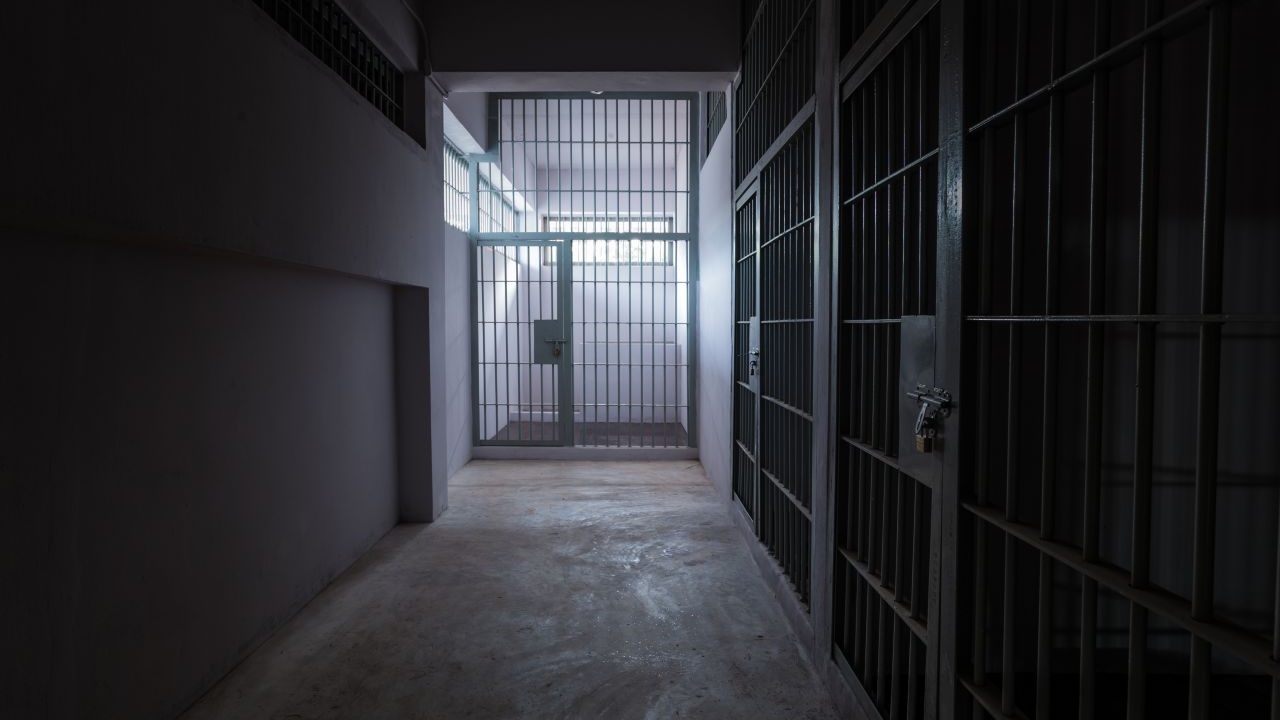
Four inmates at the West Baton Rouge Parish Jail in Louisiana received Narcan after a suspected overdose inside the facility’s booking area, according to the West Baton Rouge Sheriff’s Office. Authorities expect all four to recover.
To be sure, Louisiana has many programs and harm reduction services to assist anyone who experiences an overdose. However, the incident in Baton Rouge represents the growing problem that corrections officials across the country struggle to contain. Synthetic drugs and other narcotics are finding their way past security and into the hands of people already in custody.
Tragedy at the Jail
According to Major Kevin Devall, the sheriff’s office’s Chief of Criminal Operations, the overdoses happened after a work-release inmate allegedly brought a substance known as Mojo into the jail. Mojo is a synthetic cannabinoid, sometimes described as similar to K2 or Spice, that users can spray onto paper and later smoked or ingested. This method of consumption makes Mojo difficult to detect through standard screening.
Devall relayed that they found the inmate intoxicated at a job site and returned him to the jail, where he went through a search and a body scanner. That’s when authorities discovered the inmate smuggled the drug in on paper. After the overdoses, prison officials took two affected inmates to the hospital by Acadian Ambulance, and two more via the West Baton Rouge Fire Department. The sheriff’s office says they’re reviewing and updating its screening procedures to prevent similar incidents.
A Problem Facing Jails Nationwide
Devall told local reporters that the challenge of keeping synthetic drugs out of correctional facilities is not unique to West Baton Rouge Parish. Jails and prisons around the country have reported similar incidents involving drugs soaked into paper, mail, or other everyday items that can slip past conventional contraband screening.
Synthetic cannabinoids in particular are difficult to detect because their chemical makeup changes frequently, and standard drug tests are not always designed to catch every variant.
Looking at Synthetic Cannabinoids and Overdose Risk
Synthetic cannabinoids like Mojo, K2, and Spice are lab-made chemicals sprayed onto plant material or paper to mimic the effects of marijuana, but they’re not chemically related to THC. Cannabinoids can produce far more unpredictable and dangerous effects, including seizures, rapid heart rate, psychosis, and loss of consciousness. Since manufacturers create these drugs without any quality control, potency varies wildly from one batch to the next. This raises overdose risk even for people who believe they know what they are taking.
Narcan, also known as naloxone, is most effective at reversing opioid overdoses. In prisons, first responders and jail medical staff frequently administer naloxone any time a suspected overdose scenario presents itself, particularly if they don’t know the substance involved or the person’s history of use. Using Narcan as the first option reflects standard precautionary emergency response rather than a confirmed opioid presence.
Harm Reduction and Treatment Behind Bars
Correctional facilities face a unique set of harm reduction challenges. Those incarcerated often lack access to substance use treatment, naloxone education or peer recovery support compared to people outside.
In Louisiana, advocates for people with substance use disorders continue to push for expanded access to overdose prevention education and medication assisted treatment. People in jail are often at their most vulnerable and fall prey to temptations and triggers.
Narcotics Anonymous meetings inside jails and prisons remind inmates that their loved ones and the public still care. Proponents argue that incarceration is often a missed opportunity to connect people with care rather than just a consequence.
NA for Those in Incarceration
Whether you or someone you love faces incarceration, has recently released, or simply wants support, NA meetings and structured treatment programs exist. Enroll in one to help build a life without narcotic addiction.
Start today. Call 800-934-1582(Sponsored) to find NA meetings or opioid and drug addiction treatment programs anywhere in the country. Receive information on treatment programs that address both drug dependence and the circumstances, like incarceration, that often complicate recovery. You can also browse our directory to see listings organized by location.
the Take-Away